

Personalized Cardio & Fat Loss Calculator
Your Details
Estimated Calorie Burn
Enter your details to see how many calories you could burn with different cardio activities.
Recommended Weekly Schedule
Here is the hard truth about getting a flat stomach: you cannot spot-reduce fat. Doing hundreds of crunches or jumping jacks won’t magically melt the layer of fat covering your abs if your overall body fat percentage remains high. Your body decides where it burns fat based on genetics and hormones, not which muscle you are working out at that moment.
So, why do people ask what cardio is best for a flat stomach? Because cardio creates the calorie deficit needed to drop that overall body fat. When you lose weight generally, your midsection shrinks along with the rest of you. The goal isn't just to sweat; it’s to choose cardiovascular activities that maximize fat oxidation while preserving lean muscle mass, which keeps your metabolism humming.
The Science Behind Fat Loss and Cardio
To understand which exercise works best, we need to look at how your body fuels movement. There are two primary energy systems at play during aerobic activity: the aerobic system and the anaerobic system.
Aerobic exercise uses oxygen to break down fats and carbohydrates for energy over longer durations. This is the zone where your body primarily taps into stored fat for fuel. Think steady-state activities like brisk walking or light jogging. On the other hand, Anaerobic exercise relies on stored glycogen (sugar) in muscles for short, intense bursts of effort. While this doesn’t burn as much fat *during* the workout, it triggers a metabolic afterburn effect known as Excess Post-exercise Oxygen Consumption (EPOC).
EPOC means your body continues to burn calories at an elevated rate for hours after you stop moving, as it works to restore oxygen levels, repair muscle tissue, and clear lactate. For a flat stomach, you actually want a combination of both. You need the direct fat burning from steady cardio and the metabolic boost from high-intensity intervals.
High-Intensity Interval Training (HIIT): The Time-Saver
If you are short on time but serious about results, High-Intensity Interval Training is arguably the most efficient tool in your arsenal. HIIT involves alternating between short bursts of maximum effort and periods of rest or low-intensity recovery.
| Feature | HIIT | Steady-State (LISS) |
|---|---|---|
| Duration | 15-30 minutes | 45-60+ minutes |
| Fat Burning During Workout | Moderate | High |
| Afterburn Effect (EPOC) | Significant | Minimal |
| Muscle Preservation | Good (if structured well) | Risk of muscle loss if excessive |
| Cortisol Impact | Can spike stress hormones | Generally lowers stress |
A typical HIIT session might involve sprinting for 30 seconds followed by 90 seconds of walking. Repeat this cycle for 20 minutes. Studies have shown that HIIT can be more effective than steady-state cardio for reducing visceral fat-the dangerous deep abdominal fat that surrounds your organs-because it improves insulin sensitivity and boosts growth hormone production.
However, there is a catch. HIIT is stressful on the central nervous system. If you do it every day, your cortisol levels may rise chronically. High cortisol is linked to increased abdominal fat storage. Therefore, limit HIIT to 2-3 times per week and pair it with lower-intensity activities.
Low-Intensity Steady State (LISS): The Underrated Hero
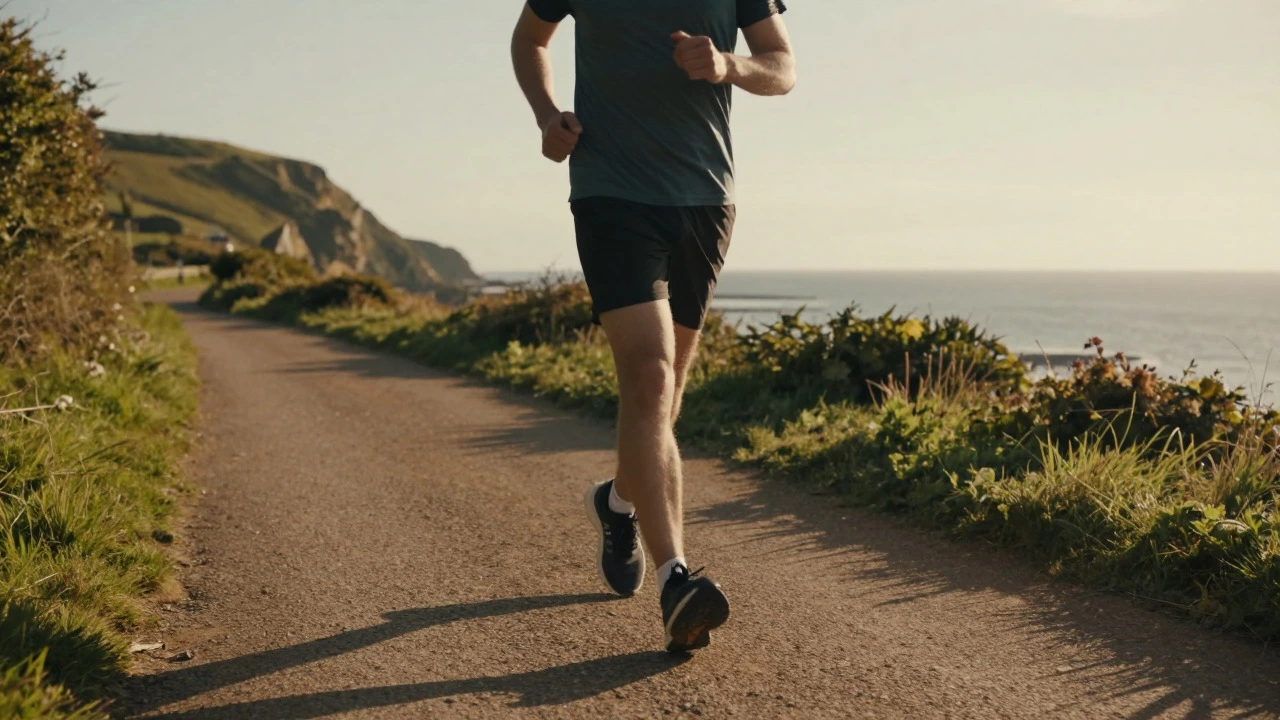
Don’t underestimate the power of slow and steady. Low-Intensity Steady State cardio includes activities like brisk walking, light cycling, or swimming at a comfortable pace. You should be able to hold a conversation while doing these exercises.
Why is LISS good for a flat stomach? First, it is highly sustainable. You can walk for an hour without feeling wiped out, whereas sprinting for an hour is nearly impossible for most people. Second, because the intensity is low, it relies heavily on fat stores for fuel. Third, it aids recovery. If you are lifting weights to build a toned physique, LISS helps flush out metabolic waste without adding systemic fatigue.
Walking is particularly powerful. A study published in the Journal of Obesity found that participants who walked briskly for 45 minutes a day lost significant amounts of waist circumference compared to those who did resistance training alone. It’s simple, accessible, and incredibly effective when done consistently.
Incorporating Core Engagement into Cardio
While cardio burns the fat, you still need strong underlying muscles to create a flat, firm appearance rather than a loose one. You don’t need to do separate ab workouts if you integrate core engagement into your cardio sessions.
Consider activities that naturally require core stability:
- Rowing: Every stroke requires a powerful transfer of energy through your core. It engages the rectus abdominis and obliques simultaneously.
- Boxing or Shadow Boxing: Punching generates force from the ground up, through the hips, and out of the hands. Your core acts as the stabilizer, working intensely throughout the session.
- Hiking with Inclines: Walking uphill forces your body to stabilize against gravity, engaging your deep core muscles (transverse abdominis) more than flat-ground walking.
- Dancing: Styles like Zumba or hip-hop involve constant twisting and balancing, which challenges your obliques and lower back.
When you perform these activities, focus on keeping your ribs down and your pelvis neutral. Avoid overarching your lower back. Imagine pulling your belly button slightly toward your spine as you move. This active bracing turns a standard cardio session into a functional core workout.
The Role of Nutrition in Revealing Abs
You can do all the cardio in the world, but if your diet is off, your stomach will remain covered. Cardio creates a calorie deficit, but food determines whether that deficit leads to fat loss or muscle loss.
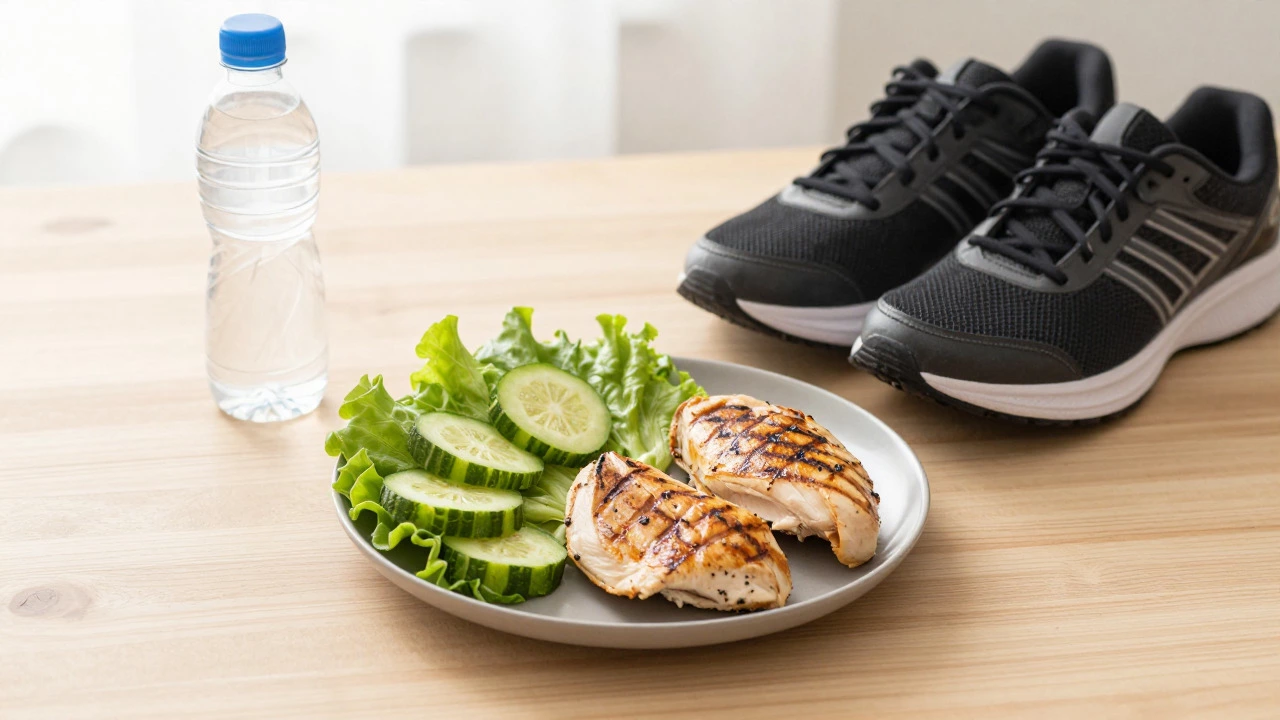
To reveal a flat stomach, prioritize protein intake. Protein has a high thermic effect, meaning your body burns more calories digesting it compared to carbs or fats. More importantly, protein preserves muscle mass during weight loss. Losing muscle slows down your metabolism, making it harder to keep the fat off.
Watch out for liquid calories. Sodas, sugary coffees, and alcohol contribute significantly to visceral fat accumulation. Alcohol, in particular, pauses fat burning as your liver prioritizes breaking down the ethanol. Cutting back on these can lead to noticeable changes in your midsection within weeks, even before you change your exercise routine.
Sleep and Stress Management
This is often the missing link. If you are exercising hard and eating right but still struggling with belly fat, look at your sleep and stress levels.
Poor sleep disrupts the balance of ghrelin (the hunger hormone) and leptin (the fullness hormone). When you are sleep-deprived, you crave high-calorie, sugary foods and feel less satisfied after eating. Aim for 7-9 hours of quality sleep per night. Additionally, chronic stress elevates cortisol, which specifically encourages fat storage in the abdominal area. Incorporating relaxation techniques like deep breathing or yoga alongside your cardio can help mitigate this hormonal impact.
Creating a Balanced Weekly Plan
For optimal results, mix different types of cardio. Here is a sample weekly structure designed to maximize fat loss while minimizing injury risk:
- Monday: HIIT Session (20 minutes) - Focus on sprints or burpees.
- Tuesday: Strength Training + 15 minutes LISS cool-down.
- Wednesday: Active Recovery - 45-minute brisk walk or gentle yoga.
- Thursday: HIIT Session (20 minutes) - Try rowing or boxing drills.
- Friday: Strength Training + Core Stability work.
- Saturday: Long LISS Activity - Hiking, cycling, or swimming for 60+ minutes.
- Sunday: Rest or light stretching.
This approach ensures you get the metabolic benefits of intensity, the fat-burning efficiency of steady state, and the structural support of strength training. Consistency is key. Pick activities you enjoy, because the best cardio for a flat stomach is the one you will actually do regularly.
How long does it take to see a flatter stomach with cardio?
Visible changes typically take 8 to 12 weeks of consistent cardio and proper nutrition. However, some people may notice a reduction in bloating and tighter clothing fit within 2 to 4 weeks. Genetics play a role in how quickly fat leaves the abdominal area.
Is walking better than running for belly fat?
It depends on your current fitness level. Running burns more calories per minute, but walking is easier to sustain for longer periods and causes less joint stress. For many beginners, brisk walking is more effective because they can do it daily without burnout. Both are excellent for reducing visceral fat when combined with a calorie deficit.
Can I do HIIT every day for a flat stomach?
No, doing HIIT daily is counterproductive. It places high stress on the body, leading to elevated cortisol levels, which can promote belly fat storage. Limit HIIT to 2-3 times per week and alternate with low-intensity cardio or rest days to allow for recovery.
Does cardio alone flatten the stomach?
Cardio burns calories, but without strength training, you may lose muscle along with fat, leading to a "skinny fat" appearance. Combining cardio with resistance training ensures you maintain muscle tone, resulting in a firmer, flatter stomach rather than just a smaller one.
What is the best time of day to do cardio for fat loss?
The best time is whenever you can stick to it consistently. Some studies suggest fasting morning cardio may increase fat oxidation slightly, but total daily calorie expenditure matters more. Choose a time that fits your schedule and energy levels to ensure long-term adherence.