
3-Month Fitness Goal Calculator
Your Fitness Profile
Answer these questions to get personalized 3-month fitness goals
Can you really get in shape in three months? The answer isn’t a simple yes or no-it’s yes, but. Not everyone will look like a magazine cover, but if you’re consistent, smart, and patient, you’ll see changes that surprise even you. Three months is long enough to build real habits, short enough to stay motivated, and just right to shift your body in meaningful ways. No magic pills. No extreme diets. Just steady effort, smart training, and better eating.
What Does "In Shape" Actually Mean?
"In shape" means different things to different people. For some, it’s losing 10 kilos. For others, it’s finally doing a push-up without stopping, or fitting into jeans they haven’t worn in years. For many, it’s feeling stronger, sleeping better, and having more energy during the day. The truth? You don’t need to be ripped to be in shape. You need to be functional, resilient, and confident.
Realistic goals for three months:
- Lose 4-8 kg of body fat (if you have excess to lose)
- Gain 1-2 kg of lean muscle
- Improve your endurance-go from struggling with 10 minutes of cardio to 30 minutes without stopping
- Increase strength: double your squat, bench, or deadlift weight
- Feel less tired, sleep deeper, and handle stress better
These aren’t fantasy numbers. They’re what people actually achieve when they train 4-5 days a week and eat with purpose. And yes, they’re possible even if you’re starting from zero.
The Three Pillars of a 3-Month Transformation
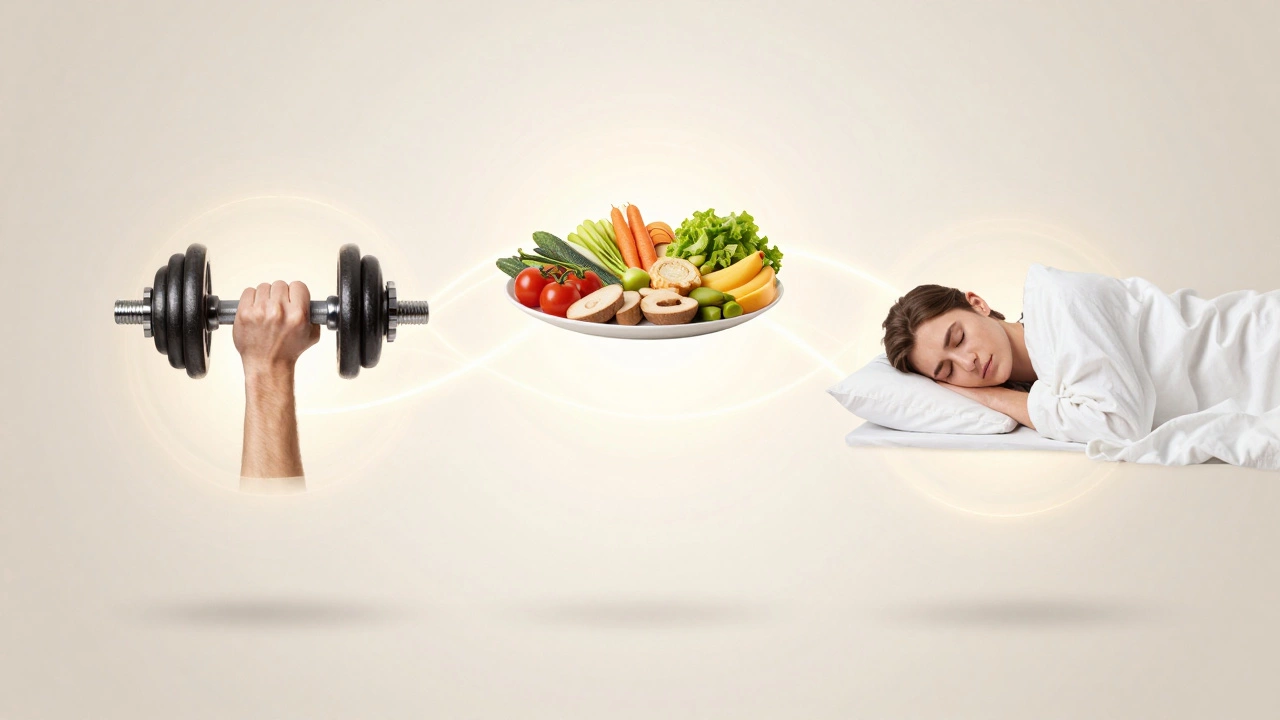
You can’t just lift weights and hope for the best. You can’t just eat salad and expect your body to change. Transformation happens when three things line up:
- Training-the stimulus that tells your body what to change
- Nutrition-the fuel that lets your body rebuild
- Recovery-the rest that lets your body heal and grow
Missing one? You’ll stall. Skipping recovery? You’ll burn out. Ignoring nutrition? You’ll lose muscle instead of fat. All three have to work together.
Training: Smart, Not Hard
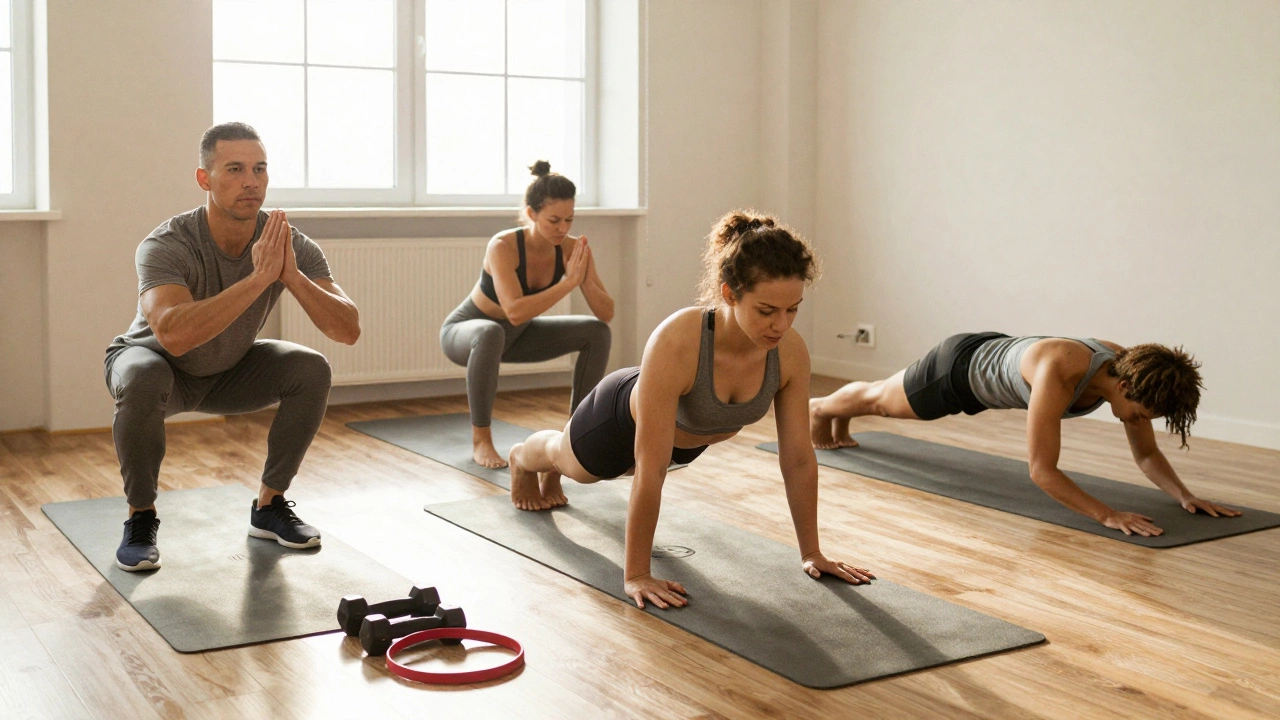
Most people think getting in shape means hours at the gym. It doesn’t. It means consistency. A 45-minute workout, done 4 times a week, beats 90 minutes twice a week any day. Here’s what works:
- Strength training 3x a week-focus on compound moves: squats, deadlifts, push-ups, rows, overhead presses. These use big muscle groups and burn the most calories. Start with bodyweight if you’re new, then add dumbbells or barbells as you get stronger.
- Cardio 2x a week-it doesn’t have to be running. Brisk walking uphill, cycling, swimming, or even dancing counts. Aim for 20-30 minutes at a pace where you can talk but not sing.
- Progressive overload-this is the secret. Each week, do a little more: one more rep, one more set, heavier weight, or shorter rest. Your body adapts to stress. Give it a new challenge every week.
Example week:
- Monday: Full-body strength (squats, push-ups, rows, planks)
- Tuesday: 25-minute brisk walk or bike ride
- Wednesday: Rest or light yoga
- Thursday: Upper body strength (dumbbell press, pull-ups, bicep curls)
- Friday: 20-minute HIIT (30 sec work, 30 sec rest-jumping jacks, mountain climbers, squats)
- Saturday: Long walk or hike
- Sunday: Rest
You don’t need a gym. You don’t need expensive gear. A pair of dumbbells, a mat, and a doorframe for pull-ups is enough.
Nutrition: Eat Like You Mean It
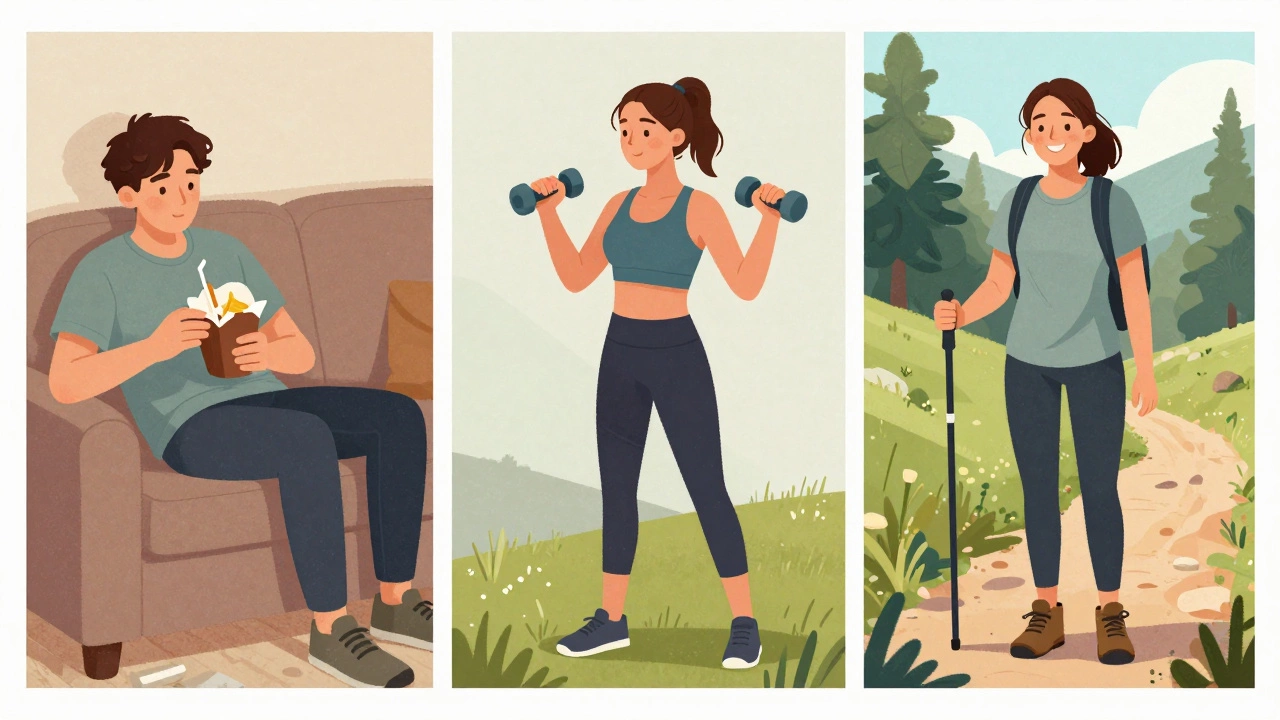
You can’t out-train a bad diet. That’s not a myth-it’s math. If you’re eating junk food, you’re making it harder for your body to recover, burn fat, and build muscle. You don’t need to cut out everything. Just make smarter choices:
- Protein first-aim for 1.6-2.2 grams per kilogram of body weight. That’s about 2 palm-sized portions at each meal. Chicken, eggs, tofu, lentils, Greek yogurt-all work.
- Vegetables at every meal-they fill you up, give you vitamins, and help digestion. No need to count them. Just fill half your plate.
- Carbs around your workout-eat rice, oats, potatoes, or fruit before and after training. That’s when your body uses them best.
- Fats are fine-avocado, nuts, olive oil, and fatty fish help hormones and keep you full. Don’t fear them.
- Drink water-at least 2 liters a day. Thirst feels like hunger. If you’re snacking for no reason, drink a glass of water first.
Here’s a simple rule: eat whole foods. If it came from a plant or an animal and doesn’t have a list of ingredients you can’t pronounce, it’s probably good.
Recovery: The Missing Piece
People think rest is lazy. It’s not. It’s when your body actually changes. Muscles grow while you sleep. Fat burns while you recover. Stress kills progress.
- Sleep 7-8 hours-no exceptions. If you’re not sleeping well, nothing else will work.
- Take at least 1 full rest day-no intense movement. Walk, stretch, or just chill.
- Manage stress-chronic stress raises cortisol, which stores fat around your belly. Breathe. Walk outside. Listen to music. Call a friend.
- Stretch or move gently daily-10 minutes of mobility work (hip circles, shoulder rolls, cat-cow) keeps you mobile and injury-free.
If you’re sore every day, you’re overdoing it. If you’re never sore, you’re not challenging yourself. Find the middle.
What You’ll Actually See After 3 Months
Let’s say you start on March 12, 2026. By June 12, here’s what’s likely to happen:
- Your clothes fit looser-even if the scale didn’t change much
- You can climb stairs without breathing hard
- You feel more confident walking into a room
- You’re no longer dreading workouts-you’re looking forward to them
- You sleep through the night
- You stop craving sugar
These are the real wins. The mirror doesn’t lie, but the scale can. Focus on how you feel, how you move, and how you sleep. Those are the signs you’re winning.
What Doesn’t Work
Let’s clear up the myths:
- Detox teas-they make you pee. That’s not fat loss.
- Starving yourself-you’ll lose muscle, slow your metabolism, and crash by week 4.
- Only doing cardio-you’ll get skinny-fat. Lean muscle is what gives shape.
- Buying the latest gadget-no fitness tracker replaces consistency.
- Waiting for motivation-motivation fades. Discipline sticks.
If you’re doing any of these, stop. You’re wasting time.
Staying on Track
The biggest reason people fail? They don’t plan for setbacks. You’ll miss a workout. You’ll eat pizza. You’ll feel tired. That’s normal.
Here’s how to bounce back:
- Track progress with photos and notes-not just weight
- Set weekly mini-goals: "This week, I’ll do 4 workouts" or "I’ll drink 2L of water every day"
- Find one person to check in with weekly
- Don’t aim for perfect. Aim for 80% consistent
One person I know in Auckland started with 20 push-ups. Three months later, she did 50. She lost 7 kg. She started hiking on weekends. She didn’t change her entire life-she just showed up, day after day.
Final Thought
Three months isn’t enough to become a different person. But it’s more than enough to become a better version of who you were. You don’t need to be perfect. You just need to be consistent. Move. Eat. Rest. Repeat. The results aren’t magic-they’re math. And math doesn’t lie.
Can you get in shape in 3 months if you’re starting from zero?
Yes, absolutely. Even if you’ve never exercised before, you can build strength, lose fat, and improve your energy in 12 weeks. The key is starting small-15 minutes a day, 3 times a week-and sticking with it. Progress isn’t about how fast you start-it’s about how long you keep going.
Do I need a personal trainer to get in shape in 3 months?
No, but it helps. A trainer can teach you proper form, prevent injury, and keep you accountable. If you can’t afford one, use free resources: YouTube channels like FitnessBlender or The Body Coach, or apps like Nike Training Club. The most important thing is learning the basics-how to squat, push, pull, and breathe-before going heavy.
What if I don’t see results after 6 weeks?
It’s common. Your body adapts slowly. If you haven’t seen changes by week 6, check your nutrition. Are you eating enough protein? Are you sleeping well? Are you tracking your workouts? Sometimes, you’re gaining muscle while losing fat, and the scale won’t show it. Take progress photos, measure your waist, or test how many push-ups you can do now versus 6 weeks ago. Those numbers don’t lie.
Is it possible to lose fat and gain muscle at the same time?
Yes, especially if you’re new to training or have more than 15% body fat. Your body can rebuild muscle while burning fat if you’re eating enough protein, lifting weights, and not in a huge calorie deficit. Beginners often see this "body recomposition" in the first 3-6 months. After that, it gets harder-so focus on it now.
What’s the biggest mistake people make in a 3-month fitness plan?
They try to do too much too fast. They quit their job to workout 2 hours a day. They cut out carbs completely. They buy 10 different supplements. The truth? Sustainable change is quiet. It’s showing up for 30 minutes, eating one extra serving of veggies, and going to bed 30 minutes earlier. Small habits compound. Big changes break you.