
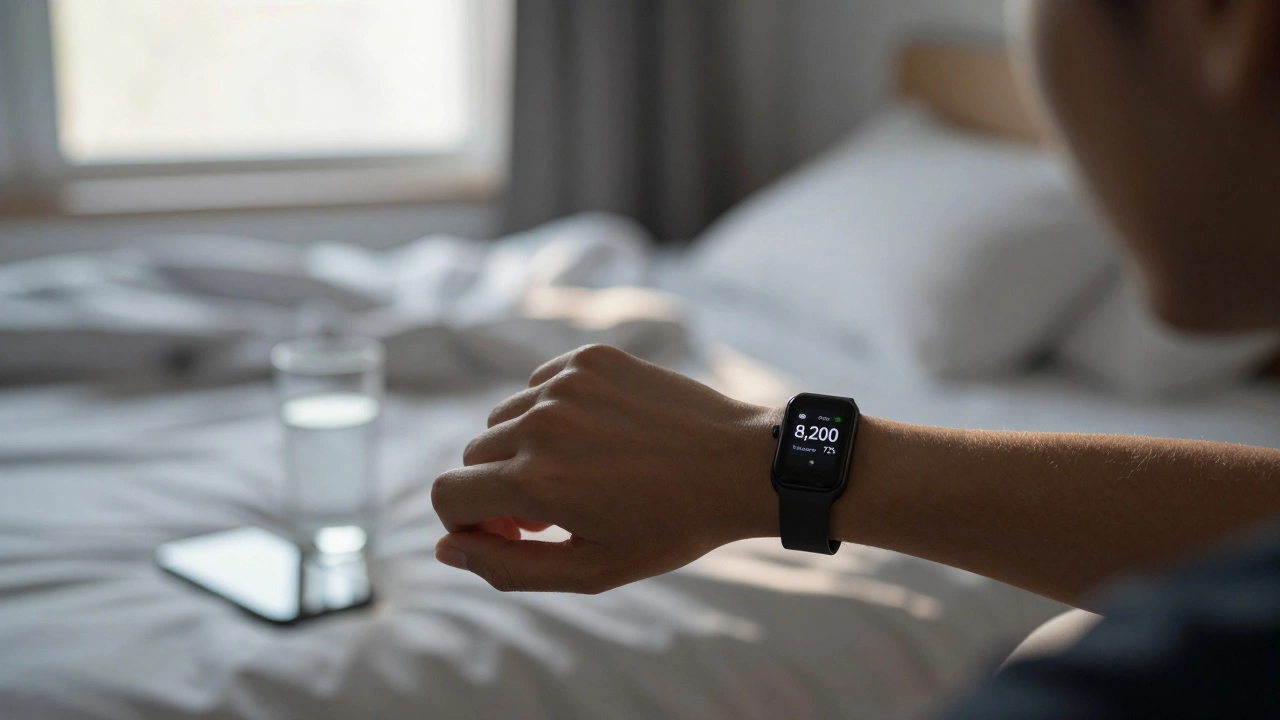
Fitness Tracker Worth It? Quiz
This quiz helps you determine if a fitness tracker could be valuable for your lifestyle based on your current habits and mindset.
Why this matters for you
Your answers show you're the type of person who benefits from tracking. The article mentions that people who don't realize how little they move often find trackers valuable. If you're in this category, you're more likely to see a benefit.
Try this: Wear your tracker for 7 days without setting goals. Just observe the data once a day and ask yourself:
- Do I notice myself moving more, even a little?
- Do I feel more aware of my energy levels?
- Do I care about my sleep score, or do I just ignore it?
Why this matters for you
Your answers indicate you may be in the category where fitness trackers don't provide value. As the article states: "There's no shame in not using one. I know people who walk 10,000 steps a day without a device. They just go out and move."
Try this: If you're happy with your current routine, focus on finding movement you enjoy rather than tracking it. The best kind of fitness is the kind you don't need to track.
Why this matters for you
Your answers show you're likely to get caught in the 'fitness tracker trap' described in the article. The article states that "Most people stop using their fitness tracker within three months. Why? Because they treat it like a scorecard. They get obsessed with hitting 10,000 steps every single day. Miss a day? Feel like a failure."
Try this: If you're the type who gets obsessive about daily numbers, skip the tracker for now. Focus on building movement into your life in ways that feel good. As the article says: "The tracker didn't change you. You changed because you saw a pattern."
Let’s cut to the chase: if you’re wondering whether a fitness tracker is worth it, you’re not alone. Thousands of people buy one, then let it collect dust on their nightstand. Others swear by it - they’ve lost weight, slept better, and even ran their first 5K because of it. So what’s the real difference? It’s not about the device. It’s about what you do with the data.
What a fitness tracker actually does
A fitness tracker isn’t magic. It’s a small device - usually worn on your wrist - that measures basic things: steps taken, heart rate, calories burned, and sleep patterns. Some track swimming, stairs climbed, or even blood oxygen levels. But here’s what matters: it doesn’t change your behavior. It just shows you what’s already happening.
Think of it like a mirror. If you’re not moving much, it’ll tell you. If you’re sleeping poorly, it’ll show you. If your heart rate spikes at odd times, it flags it. But it won’t fix anything. Only you can do that.
The biggest reason people quit
Most people stop using their fitness tracker within three months. Why? Because they treat it like a scorecard. They get obsessed with hitting 10,000 steps every single day. Miss a day? Feel like a failure. See your sleep score drop? Panic. That’s not motivation - that’s guilt.
One user in Auckland told me she bought a Fitbit because her doctor said she was sedentary. She wore it for six weeks, hit 10,000 steps every day, and lost 3 kilos. Then she went on vacation, missed two days of tracking, and quit. "I felt like I failed," she said. "I didn’t realize I’d started enjoying walking more. The tracker didn’t help me enjoy it - it made me dread it."
Who actually benefits?
Not everyone. But these three types of people see real, lasting change:
- People who don’t realize how little they move. If you sit at a desk all day and think "I’m active because I walk to the bus," a tracker will shock you. One study in New Zealand found that 68% of office workers underestimated their daily sitting time by over two hours. A tracker makes that real.
- People who need sleep insights. If you toss and turn every night but blame "stress," a tracker can show you patterns. Maybe you’re scrolling until midnight. Maybe caffeine after 3 p.m. ruins your deep sleep. You can’t fix what you don’t see.
- People who like small wins. If you’re not a gym person, but you love seeing your step count climb from 4,000 to 6,000 in a week - that’s progress. A tracker turns vague goals into visible milestones.

What you’re not getting
Let’s be clear: a fitness tracker won’t tell you how to lose weight. It won’t design a workout plan. It won’t tell you why your heart rate spiked after lunch. Those are questions only you - or a professional - can answer.
Some trackers claim to predict health risks. They say things like, "Your sleep pattern suggests high stress." That’s not science. It’s guesswork. The FDA doesn’t regulate most of these claims. Don’t treat your tracker like a doctor.
And forget about calorie counting. The calorie estimates on these devices are off by as much as 40%. One 2023 study from the University of Auckland tested five popular trackers. The most accurate one was still off by 27%. If you’re counting calories, use a food log. Not your wrist.
What to look for if you buy one
If you’re still interested, here’s what actually matters:
- Battery life. You don’t want to charge it every night. Look for at least 5 days. Some last 2 weeks.
- Sleep tracking. Not all trackers do this well. Check reviews for accuracy on deep vs. light sleep stages.
- Water resistance. If you sweat, shower, or swim - get at least 5ATM. Anything less and you’ll ruin it.
- No subscription. Avoid trackers that lock features behind a monthly fee. Basic step and sleep tracking should be free.
Brands like Garmin, Fitbit, and Xiaomi offer solid entry-level models under $100. Apple Watch and Samsung Galaxy Watch are great if you already use iOS or Android, but they cost twice as much. You don’t need the fancy stuff unless you’re training for a marathon.
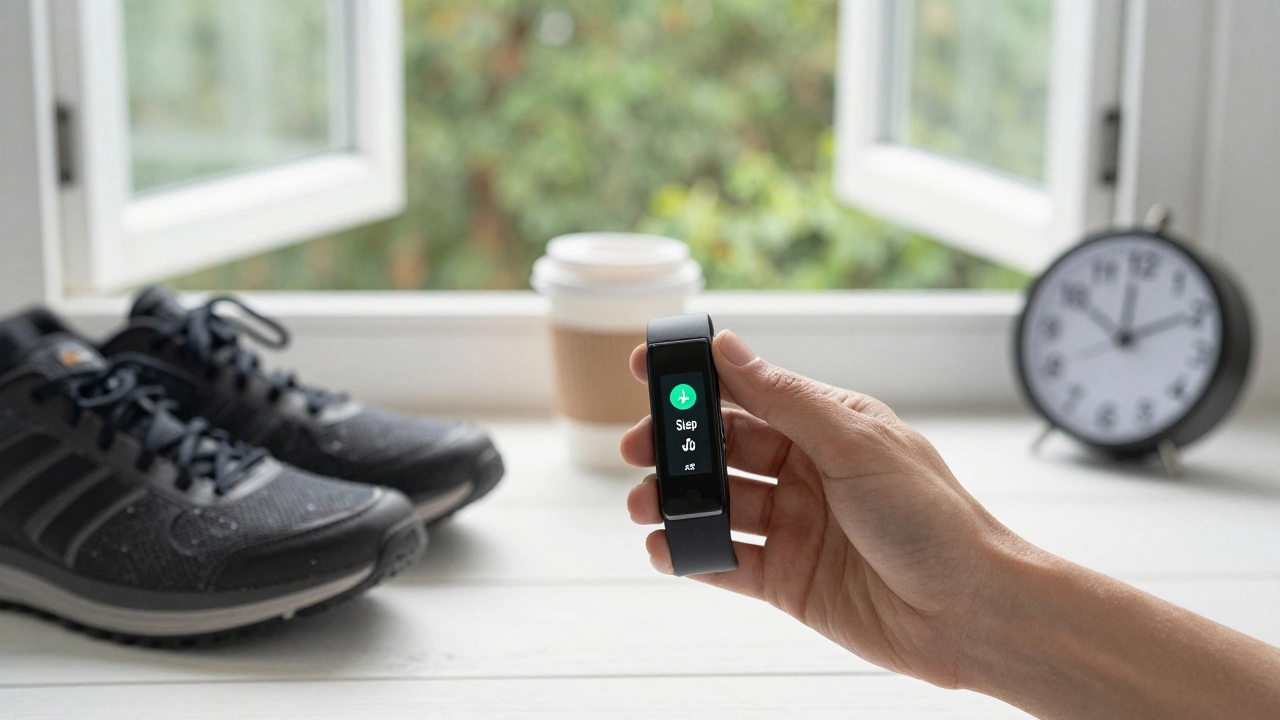
The real test: 7 days without a goal
Here’s what I recommend. Buy a tracker. Wear it for 7 days. Don’t set any targets. Just look at the numbers once a day. Ask yourself:
- Do I notice myself moving more, even a little?
- Do I feel more aware of my energy levels?
- Do I care about my sleep score, or do I just ignore it?
If you notice yourself choosing the stairs instead of the elevator, or putting your phone down earlier - that’s the win. The tracker didn’t change you. You changed because you saw a pattern.
When it’s not worth it
Don’t buy a fitness tracker if:
- You’re already active and happy with your routine.
- You hate being monitored or judged by numbers.
- You think it’ll replace a workout plan or diet.
- You’re on a tight budget - $50 for a basic model is fine. Don’t overspend.
There’s no shame in not using one. I know people who walk 10,000 steps a day without a device. They just go out and move. That’s the best kind of fitness - the kind you don’t need to track.
Final thought
A fitness tracker is a tool. Not a solution. It’s like a scale for your movement. If you’re willing to look at the numbers, learn from them, and adjust - it can help. If you’re looking for a magic fix? You’ll be disappointed.
The real question isn’t "Is a fitness tracker worth it?" It’s: "Am I willing to pay attention to myself?"
Do fitness trackers really help with weight loss?
They can, but only if you use them to build awareness - not to obsess. One 2024 study tracked 1,200 people using fitness trackers for six months. Those who reviewed their data weekly and made small changes (like walking after dinner) lost 5% more body fat than those who ignored the numbers. The device didn’t cause the loss - the behavior change did.
Are cheaper fitness trackers accurate?
For steps and sleep? Usually yes. A $60 Xiaomi band tracks steps within 5% of a lab-grade pedometer. Heart rate? Less reliable during intense exercise - but fine for resting and daily trends. You don’t need a $400 smartwatch to get useful data. Stick to brands with solid reviews for basic metrics.
Can I use my phone instead of a tracker?
Yes, for steps and basic activity. But phones don’t track sleep, heart rate, or stress as well. They also sit in your bag or pocket, so step counts are less accurate. If you want sleep data or continuous heart rate monitoring, a wrist-worn device is better. But if you just want to see if you’re moving more than last week? Your phone’s health app is fine.
Do I need to wear it 24/7?
No. You don’t need to wear it while showering, swimming (unless it’s rated for it), or sleeping if you’re not interested in sleep data. Some people take it off at night because it’s uncomfortable. That’s okay. The goal isn’t perfection - it’s insight. Wear it when it helps, skip it when it doesn’t.
What’s the biggest mistake people make?
They treat it like a game. They compete with friends, chase 10,000 steps every day, and feel guilty when they miss. That turns movement into a chore. The best users treat it like a mirror - they check it once a week, notice patterns, and adjust slowly. Progress isn’t about hitting targets. It’s about becoming aware.