

Protein Powder Safety & Suitability Checker
Your Profile
Results
Enter your details to see if protein powder is right for you.
Recommended Protein Type:
Key Risks to Watch:
Safety Tip: Always look for third-party certifications like NSF or Informed Choice to avoid heavy metals and contaminants.
Quick Takeaways
- Protein powder is generally safe for healthy adults but can cause digestive issues like bloating or gas if consumed in excess or if you are lactose intolerant.
- Long-term high intake may strain kidneys in people with pre-existing kidney disease, though it does not cause damage in healthy individuals.
- Many commercial powders contain added sugars, artificial sweeteners, and heavy metals from low-quality sourcing.
- Whole foods provide essential micronutrients that powders lack; relying solely on shakes leads to nutritional gaps.
- Choosing third-party tested brands (NSF Certified for Sport or Informed Choice) minimizes the risk of contamination.
You’ve probably seen them everywhere: sleek tubs of protein powder sitting next to blenders in gyms, cafes, and even grocery stores. It’s marketed as the ultimate shortcut to building muscle, losing weight, and recovering faster. But here’s the question nobody asks loudly enough: Is there any downside to protein powder? The short answer is yes. While it’s a convenient tool, it’s not magic, and it’s not without risks.
If you’re chugging two scoops a day without thinking about what’s actually in that scoop, you might be trading short-term convenience for long-term health issues. Let’s break down the real downsides, separate the science from the hype, and figure out how to use protein powder safely-or whether you should skip it altogether.
The Digestive Distress Factor
The most immediate downside you’ll notice isn’t some vague long-term risk-it’s your stomach. For many people, protein powder causes significant digestive discomfort. This usually comes down to two things: the type of protein and the additives.
Whey protein isolate, the most popular type derived from milk, contains lactose. Even "isolates" often have trace amounts. If you’re lactose intolerant-which affects up to 65% of the global adult population-you might experience bloating, gas, cramps, or diarrhea within hours of drinking a shake. Switching to a hydrolyzed whey or a plant-based alternative like pea or rice protein can help, but those aren’t immune either.
Plant proteins, especially pea and soy, contain oligosaccharides-complex sugars that human enzymes struggle to break down. These ferment in the gut, leading to similar bloating and gas. Then there’s the texture issue. Many powders use thickeners like xanthan gum or carrageenan to improve mouthfeel. Carrageenan, in particular, has been linked to inflammation in the gut lining in animal studies, though human data is mixed. If you find yourself feeling sluggish or puffy after your post-workout shake, the culprit might not be the workout-it could be the powder.
Hidden Sugars and Artificial Sweeteners
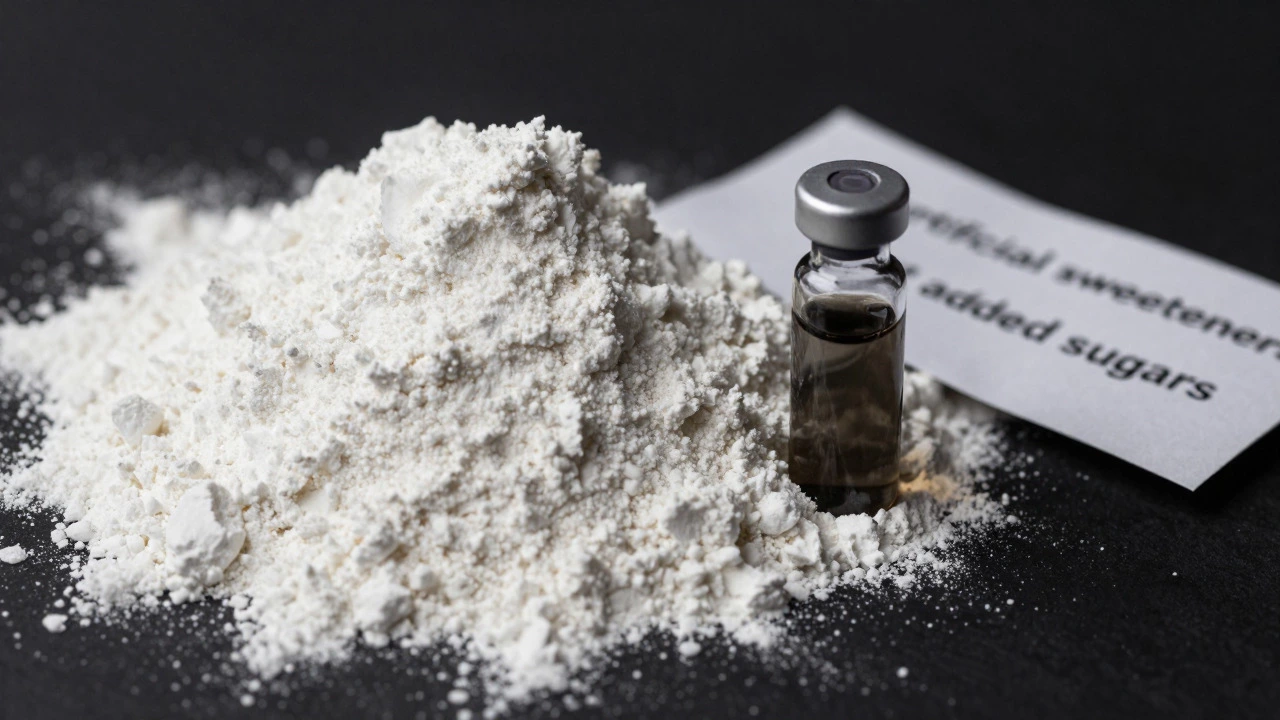
Here’s a trap many fall into: buying a protein powder because it claims to be "low calorie" or "high protein," only to find it loaded with sugar or artificial sweeteners. Check the label. Many mass-market brands add maltodextrin, sucrose, or fructose to mask the bitter taste of unflavored protein. A single serving can contain 10-15 grams of added sugar, which spikes insulin and undermines fat-loss goals.
If you avoid sugar, you likely land on artificial sweeteners like sucralose, aspartame, or acesulfame potassium. While regulatory agencies deem these safe in moderate amounts, emerging research suggests they may alter gut microbiota diversity. A 2023 study published in *Nature* found that chronic consumption of certain non-nutritive sweeteners shifted gut bacteria composition, potentially affecting glucose metabolism. You’re not just consuming protein; you’re ingesting a chemical cocktail designed to trick your taste buds.
Natural alternatives like stevia or monk fruit exist, but they come with their own aftertastes. The key is reading labels carefully. Look for products with fewer than five ingredients, ideally just the protein source, natural flavorings, and maybe an enzyme blend for digestion.
Kidney Health: Myth vs. Reality
One of the oldest myths in fitness circles is that protein powder damages your kidneys. The truth is more nuanced. For healthy individuals with normal kidney function, high protein intake does not cause kidney damage. Multiple systematic reviews, including one by the National Kidney Foundation, confirm this.
However, if you have pre-existing kidney disease-such as chronic kidney disease (CKD)-excess protein increases the workload on the kidneys. Damaged kidneys struggle to filter urea, a waste product of protein metabolism. High levels of urea can lead to toxicity, fluid retention, and accelerated decline in kidney function. If you have a family history of kidney issues, high blood pressure, or diabetes, consult a doctor before loading up on protein supplements.
Even for healthy people, consistently exceeding 2.2 grams of protein per kilogram of body weight daily offers diminishing returns. Your muscles can only synthesize so much protein at once. Excess amino acids are deaminated and excreted, putting unnecessary stress on the liver and kidneys over time. More isn’t always better.
Heavy Metals and Contamination Risks
This is the downside most people ignore until they see a headline. A landmark 2017 study by ConsumerLab.com tested 44 protein powders and found that nearly half contained detectable levels of heavy metals like arsenic, cadmium, lead, and mercury. These contaminants come from soil, water, and industrial pollution where plants or animals are sourced.
While the levels were below acute toxicity thresholds, chronic exposure to low doses of heavy metals is linked to neurological damage, reduced cognitive function, and increased cancer risk. Plant-based proteins tend to absorb more heavy metals from soil than animal-based ones. Whey and casein generally test cleaner, but not always.
To mitigate this risk, choose brands that undergo third-party testing. Look for seals from NSF Certified for Sport, Informed Choice, or USP Verified. These organizations rigorously test for banned substances, contaminants, and label accuracy. Don’t assume a big brand name guarantees purity. Always check the certification.
Nutritional Gaps: Whole Foods vs. Powders
Protein powder is a supplement, not a replacement. Its biggest downside is the false sense of security it provides. A scoop of whey gives you 25 grams of protein, but it lacks fiber, vitamins, minerals, antioxidants, and phytonutrients found in whole foods like chicken, eggs, beans, lentils, and Greek yogurt.
Relying on shakes for multiple meals a day can lead to micronutrient deficiencies. For example, red meat provides iron and B12; leafy greens offer magnesium and vitamin K; nuts deliver healthy fats and vitamin E. Powders strip away these co-factors. Over time, this imbalance can affect energy levels, immune function, and hormonal health.
Think of protein powder as a convenience tool, not a dietary foundation. Use it when you’re busy, traveling, or struggling to hit your protein targets through food alone. But don’t let it become your primary protein source. Aim to get at least 80% of your protein from whole foods.

Cost and Environmental Impact
Let’s talk money. Quality protein powder costs between $20 and $50 per kilogram. That’s significantly more expensive than buying bulk chicken breast, eggs, or canned tuna. If you’re spending $100 a month on shakes, you could buy weeks’ worth of whole-food protein for less.
Then there’s the environmental toll. Dairy farming, the source of whey and casein, contributes heavily to greenhouse gas emissions and water usage. Producing one kilogram of whey protein requires approximately 10 times more water than producing the same amount of plant-based protein. Even plant proteins have footprints: almond milk production dries up California aquifers, while soy cultivation drives deforestation in the Amazon.
If sustainability matters to you, consider rotating between whey, pea, and hemp proteins, or prioritizing local, organic sources. Small choices add up.
Who Should Avoid Protein Powder?
Not everyone needs or benefits from protein powder. Consider skipping it if:
- You eat a balanced diet rich in lean meats, dairy, legumes, and nuts.
- You have known kidney or liver disease.
- You are pregnant or breastfeeding (consult your OB-GYN first).
- You are sensitive to artificial additives or sweeteners.
- You are under 18 and growing rapidly (whole foods are safer).
For athletes, bodybuilders, or older adults struggling to maintain muscle mass, protein powder can be a valuable tool. But for the average person hitting 0.8 grams of protein per kilogram of body weight through food, it’s likely unnecessary.
| Type | Source | Digestibility | Allergen Risk | Best For |
|---|---|---|---|---|
| Whey Concentrate | Milk | High | Lactose, Gluten traces | Post-workout recovery |
| Whey Isolate | Milk | Very High | Low lactose | Lactose-sensitive users |
| Casein | Milk | Slow | Lactose | Overnight muscle repair |
| Pea Protein | Yellow Peas | Moderate | None major | Vegans, allergy sufferers |
| Soy Protein | Soybeans | High | Soy allergen | Complete amino acid profile |
How to Choose Safe Protein Powder
If you decide protein powder fits your lifestyle, follow these steps to minimize downsides:
- Check Third-Party Certifications: Look for NSF, Informed Choice, or USP seals.
- Read the Ingredient List: Avoid powders with more than five ingredients. Skip those with maltodextrin, artificial colors, or excessive sweeteners.
- Match Protein Type to Needs: Use whey for fast absorption post-workout, casein for slow release, and plant blends for allergies or vegan diets.
- Start Small: Begin with half a scoop to assess tolerance before increasing dosage.
- Rotate Sources: Alternate between whey, pea, and hemp to reduce cumulative exposure to any single contaminant.
Remember, protein powder is a tool, not a requirement. Your body doesn’t care if the protein comes from a scoop or a steak-it cares about the amino acids. Prioritize whole foods, use powder strategically, and listen to your body. If you feel bloated, tired, or uneasy, step back. There’s no prize for chugging more than you need.
Can protein powder cause acne?
Yes, particularly whey protein. Studies link dairy consumption to increased insulin-like growth factor 1 (IGF-1), which stimulates sebum production and can trigger acne. If you break out after using whey, switch to a plant-based protein like pea or hemp.
Is protein powder bad for your liver?
In healthy individuals, no. However, excessive protein intake can increase ammonia levels, which the liver must convert to urea. People with existing liver disease should limit protein and consult a hepatologist before supplementing.
How much protein powder is too much?
More than 2.2 grams of protein per kilogram of body weight daily offers no additional muscle-building benefit and may stress organs. Most people need 1.2-2.0 g/kg. One to two scoops (25-50g) per day is sufficient for most active adults.