

Runners Belly Risk Estimator
Enter your pre-run details to estimate your likelihood of experiencing gastrointestinal distress (cramps, bloating, or urgency) during your run.
1. Pre-Run Meal Timing & Type
2. Hydration & Intensity
Your Estimated Risk Profile
Complete the form to see your analysis.
Specific Triggers Identified:
You’re halfway through your morning run. The pace feels good, the air is crisp, and then it hits you: a sudden cramp, bloating, or that urgent need to find a bathroom. This isn’t just bad luck; it’s a physiological response known as runners belly. It affects anywhere from 30% to 50% of endurance athletes, turning what should be a meditative escape into a frantic search for privacy.
If you’ve ever felt embarrassed by gastrointestinal (GI) issues during training, know this: you aren’t alone, and you aren’t weak. Your gut is reacting to specific mechanical and chemical stressors. Understanding why your stomach rebels can help you tweak your routine, fuel correctly, and keep those miles smooth.
The Science Behind the Gut Distress
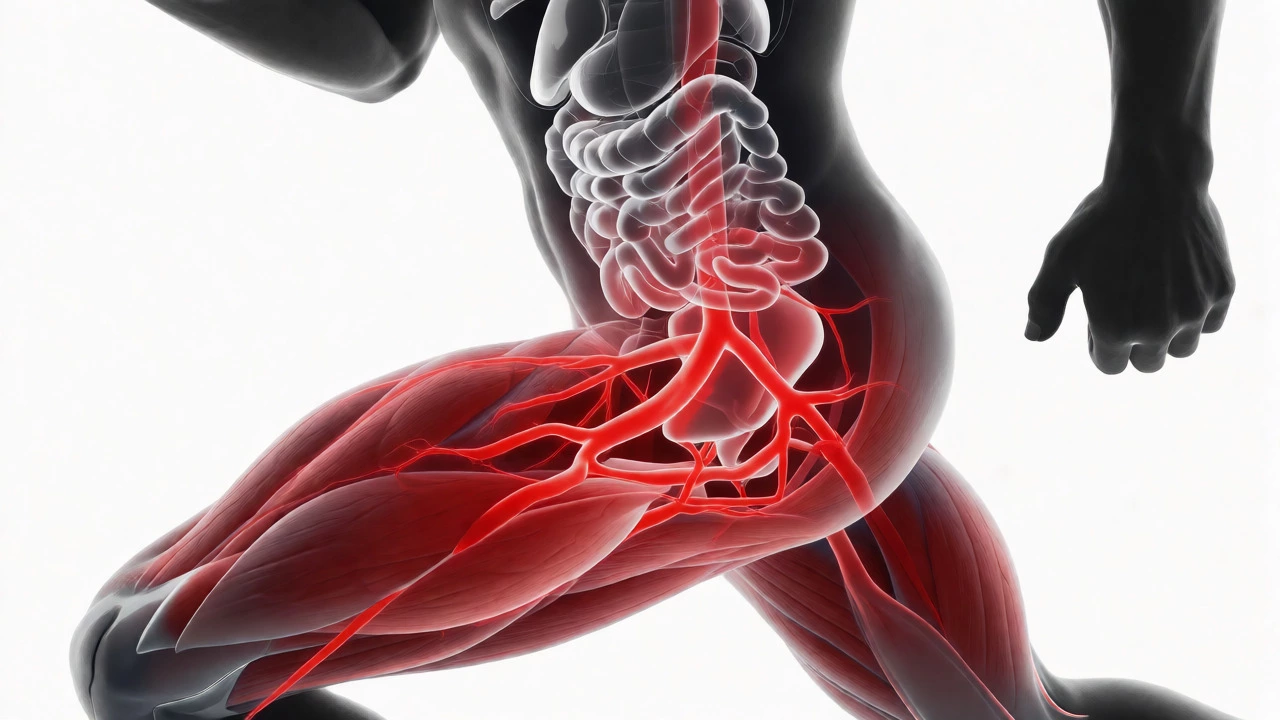
Runners belly is not a single disease but a cluster of symptoms including nausea, cramping, diarrhea, reflux, and side stitches. Technically referred to as exercise-induced gastrointestinal syndrome, it occurs when blood flow shifts away from your digestive system to your working muscles. During intense running, up to 80% of cardiac output goes to skeletal muscles, leaving your intestines with less oxygen and slower motility.
This ischemia (lack of blood flow) irritates the gut lining. Simultaneously, the physical bouncing of your torso acts like a blender, churning food and fluids in an already stressed environment. If you’ve eaten too recently, or if you’re dehydrated, the problem amplifies. Your body essentially says, "We are in survival mode; digestion is low priority," leading to unpredictable bowel movements or discomfort.
Common Triggers You Might Be Ignoring
It’s rarely just one thing. Usually, runners belly stems from a combination of timing, hydration, and dietary choices. Let’s break down the usual suspects.
- Hydration Imbalances: Drinking too much water dilutes electrolytes, causing hyponatremia, which triggers nausea. Conversely, dehydration slows gastric emptying, meaning food sits in your stomach longer than it should, fermenting and causing gas.
- Fiber Intake Timing: High-fiber foods like beans, broccoli, or whole grains take time to digest. Eating these within two hours of a run often leads to bloating because the fiber absorbs water in the gut, creating bulk that your slowed-down intestines struggle to move.
- Caffeine Overload: Coffee stimulates colonic activity. For some, a pre-run espresso is magic; for others, it’s a laxative. If you notice urgency shortly after consuming caffeine, your colon is overly sensitive to its effects.
- Artificial Sweeteners: Many sports gels and drinks contain sorbitol or mannitol. These sugar alcohols are poorly absorbed in the small intestine and draw water into the colon via osmosis, leading to rapid-onset diarrhea.
Dietary Adjustments That Actually Work
You don’t need to eat bland chicken and rice forever, but you do need to respect the timeline of digestion. Think of your pre-run meal as fuel that needs to be cleared from the engine before you start driving fast.
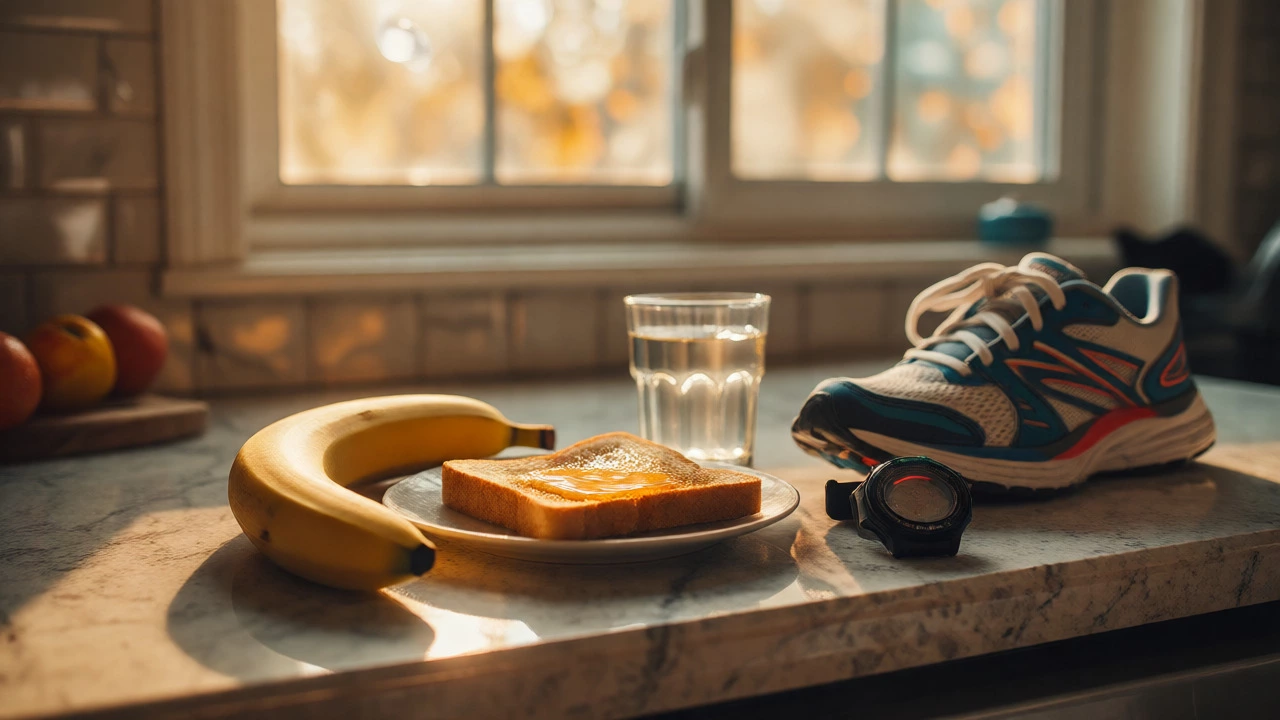
Aim to finish your last substantial meal at least three hours before running. If you’re short on time, opt for simple carbohydrates with low fat and low fiber. A banana, a slice of white toast with honey, or a small handful of pretzies digests quickly and provides immediate energy without sitting heavy in the stomach.
Post-run recovery meals are different. Here, you want to replenish glycogen stores and repair muscle tissue. Including protein and complex carbs is fine here because your heart rate will drop, allowing blood flow to return to the gut. However, avoid high-fat foods immediately after a hard session, as fats slow digestion further, potentially prolonging any residual GI sensitivity.
| Food Type | Digestion Speed | Recommended Timing Before Run | Risk of Runners Belly |
|---|---|---|---|
| White Rice / Banana | Fast | 1-2 Hours | Low |
| Oatmeal / Whole Grain Toast | Moderate | 2-3 Hours | Moderate |
| Nuts / Avocado / Cheese | Slow | 4+ Hours | High |
| Spicy Foods / Acidic Fruits | Variable/Irritating | 4+ Hours | High |
Hydration Strategies for Sensitive Stomachs
Sipping water steadily throughout the day prevents the shock of gulping large amounts right before a run. When you drink, your stomach expands, triggering stretch receptors that signal fullness and sometimes discomfort. By staying consistently hydrated, you reduce the volume needed during the run itself.
For runs under 60 minutes, plain water is usually sufficient. Once you cross the 90-minute mark, electrolytes become necessary to replace sodium lost through sweat. But here’s the trick: choose isotonic drinks or dilute concentrated mixes. Hyperosmotic drinks (too sugary) pull water from your body into the gut, worsening dehydration and cramps. Aim for a concentration similar to human blood plasma-roughly 6-8% carbohydrate solution-to ensure optimal absorption without gut distress.
Training Your Gut Like a Muscle
Your gut adapts to stress, just like your legs do. Research suggests that consistent exposure to carbohydrate intake during training improves intestinal transporters’ efficiency. This process, called "gut training," helps your body absorb nutrients faster and reduces irritation over time.
Start small. If you currently take no fuel during long runs, introduce half a gel or a few sips of sports drink during your weekly long run. Gradually increase the amount week by week. This gradual loading allows the microbiome and intestinal lining to adapt, reducing the likelihood of sudden rejection. Don’t try new fuels on race day; save experiments for training days where consequences are lower.
Mechanical Factors: Bounce and Breathing
It’s not just what you eat, but how you move. Vertical oscillation-the up-and-down movement of your torso-massages the intestines. Excessive bounce can irritate the visceral peritoneum (the membrane surrounding organs), leading to pain or nausea. Wearing a well-fitted sports bra or compression shirt can minimize this movement, providing stability to the abdominal area.
Breathing patterns also play a role. Shallow chest breathing engages the sympathetic nervous system (fight or flight), which inhibits digestion. Deep diaphragmatic breathing activates the parasympathetic system (rest and digest), helping calm gut spasms. Practice rhythmic breathing, such as inhaling for three steps and exhaling for two, to maintain steady oxygen flow and reduce abdominal tension.
When to See a Doctor
While occasional discomfort is normal, persistent symptoms might indicate underlying conditions like Irritable Bowel Syndrome (IBS), Celiac disease, or Inflammatory Bowel Disease (IBD). If you experience blood in stool, unexplained weight loss, or severe pain that doesn’t resolve with rest, consult a healthcare provider. They can rule out structural issues or chronic inflammation that requires medical intervention beyond dietary tweaks.
Additionally, consider keeping a food-symptom diary for two weeks. Note what you ate, when you ate it, your hydration levels, and any GI symptoms experienced during the run. Patterns often emerge that point to specific triggers, such as dairy intolerance or sensitivity to certain preservatives, allowing for targeted elimination rather than guesswork.
Is runners belly permanent?
No, it is not permanent. It is a temporary physiological response to exercise stress. With proper training, dietary adjustments, and gut adaptation strategies, most runners significantly reduce or eliminate symptoms over time.
Should I stop eating fiber before running?
You don't need to stop eating fiber entirely, but you should time it carefully. Avoid high-fiber foods 2-3 hours before a run. Focus on soluble fiber sources like bananas or applesauce closer to workout times, as they are gentler on the stomach than insoluble fiber found in vegetables and whole grains.
Does dehydration cause runners belly?
Yes, dehydration slows down gastric emptying and increases the concentration of substances in the gut, which can irritate the intestinal lining. It also reduces blood flow to the digestive tract, exacerbating cramping and nausea.
Are probiotics helpful for runners?
Some studies suggest that probiotics may improve gut barrier integrity and reduce incidence of upper respiratory infections and GI symptoms in athletes. However, results vary by individual strain and person. It’s worth trying a reputable probiotic supplement for 4-6 weeks to see if it stabilizes your digestion.
Why does coffee make my stomach hurt when running?
Caffeine stimulates colonic contractions and increases acid production in the stomach. For sensitive individuals, this accelerates bowel movements and can cause reflux or cramping during the physical impact of running.