
Full-Body Resistance Training Planner
Calculate Your Baseline Volume
Enter your current performance for one of the core compound movements mentioned in the article (e.g., Push-ups or Squats).
You’ve probably scrolled past dozens of headlines promising the "perfect" workout. Maybe you’ve tried that viral 10-minute ab challenge or the intense kettlebell flow your friend swears by. But here is the hard truth: there is no single magic move that fixes everything. If someone tells you there is a number one workout for everyone, they are selling you something-or they just don’t understand how human bodies work.
However, if we strip away the marketing hype and look at what exercise science actually says, one clear winner emerges. It’s not a fancy dance cardio routine. It’s not a two-hour marathon run. The most effective, efficient, and sustainable workout is full-body resistance training. Specifically, compound movements performed with progressive overload. This approach builds muscle, burns fat, strengthens bones, and improves metabolic health more than any other method. And the best part? You can do it at home with minimal equipment.
The Myth of the "Best" Exercise
Before we get to the gold standard, let’s bust a common myth. Many people believe that doing hundreds of crunches will give them six-pack abs, or that running on a treadmill is the ultimate fat burner. These are isolated efforts. They target specific muscles or energy systems but miss the bigger picture.
Think about it this way: if you only ever practiced dribbling a basketball without shooting or passing, would you be a good player? Probably not. Similarly, focusing on one muscle group or one type of movement creates imbalances. Your body is an integrated system. When you train it in isolation, you leave performance-and health-on the table.
So, what makes a workout truly "number one"? It needs to check three boxes:
- Efficiency: Does it work multiple major muscle groups at once?
- Adaptability: Can you make it harder as you get stronger (progressive overload)?
- Sustainability: Can you do it consistently without burning out or getting injured?
Only one style of training hits all three targets reliably. That brings us back to full-body resistance training.
Why Full-Body Resistance Training Wins
Full-body resistance training is a workout style that engages all major muscle groups in a single session using exercises like squats, push-ups, and rows. Unlike split routines that focus on legs one day and arms the next, full-body sessions hit everything every time you train. This might sound exhausting, but it’s actually smarter for most people, especially those working out at home.
Here is why this approach dominates:
Hormonal Response: Large muscle groups trigger a greater release of growth hormone and testosterone compared to small muscle isolation exercises. This helps build lean mass and burn fat even while you sleep.
Metabolic Boost: Because you’re moving more weight through larger ranges of motion, your heart rate stays elevated. You get a cardio benefit alongside strength gains. This is often called the "afterburn effect" or EPOC (Excess Post-exercise Oxygen Consumption), where your body continues to burn calories hours after the workout ends.
Functional Strength: Life doesn’t happen in isolation. You don’t just lift things with your biceps; you squat to pick up groceries, push doors open, and pull yourself up stairs. Full-body training mimics these real-world movements, making you stronger in daily life.
The Core Components: Compound Movements
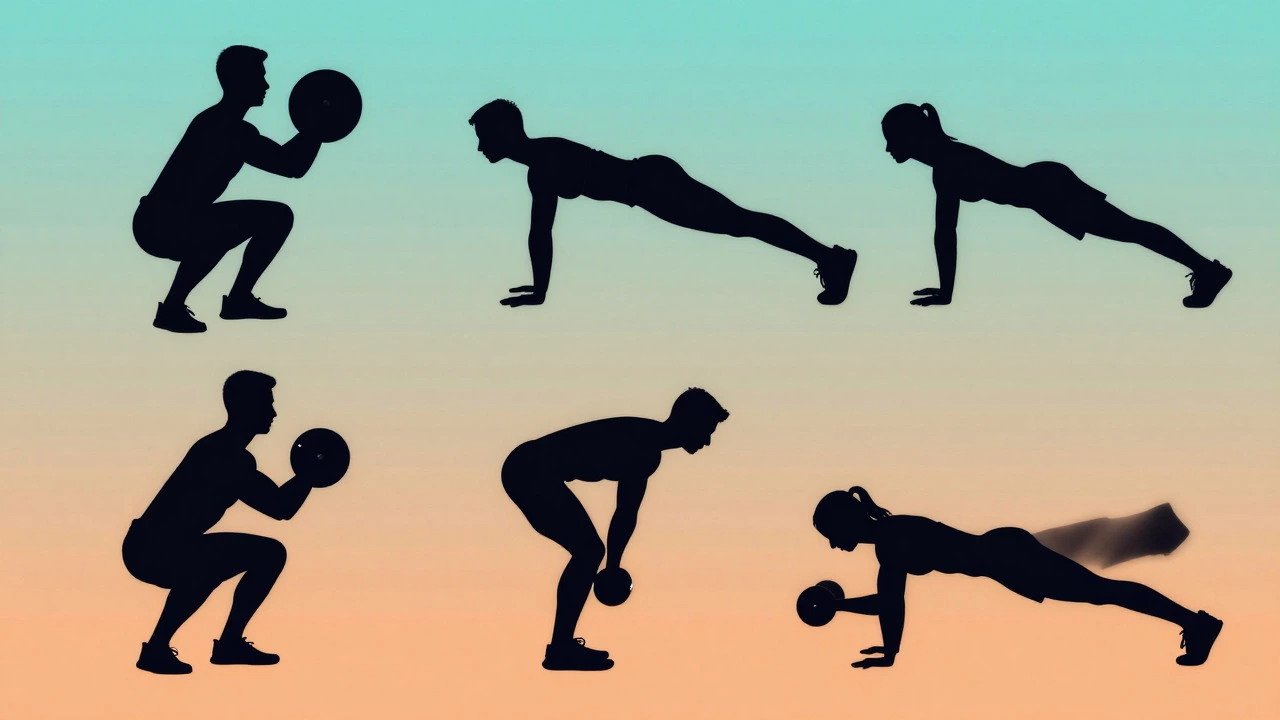
To execute this number one workout, you need to focus on Compound movements are exercises that involve multiple joints and muscle groups simultaneously, such as squats, deadlifts, and bench presses. These are the backbone of any effective routine. Here are the five essential patterns you should master:
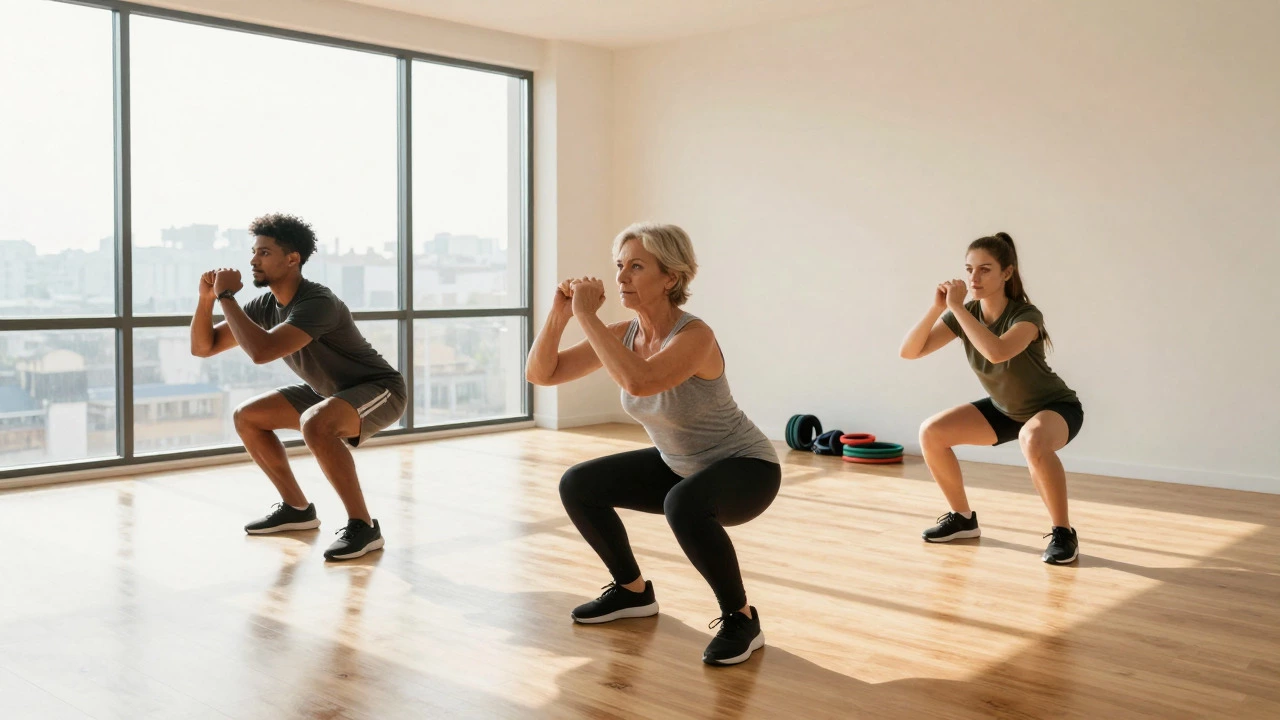
- The Squat Pattern: Targets quads, glutes, and core. Examples include bodyweight squats, goblet squats, or lunges.
- The Hinge Pattern: Focuses on hamstrings and lower back. Think Romanian deadlifts or kettlebell swings.
- The Push Pattern: Works chest, shoulders, and triceps. Push-ups are the king here, but overhead presses count too.
- The Pull Pattern: Engages the back and biceps. Rows (using dumbbells or resistance bands) are crucial for posture and balance.
- The Carry Pattern: Builds core stability and grip strength. Farmer’s carries or simply holding heavy objects while walking engage your entire body.
If you can perform variations of these five movements, you have a complete workout. You don’t need a gym membership. A pair of dumbbells, a resistance band, or even your own body weight is enough to start.
Progressive Overload: The Secret Sauce
This is where most people fail. They do the same 10 push-ups every day for months and wonder why they aren’t changing. To keep seeing results, you must apply Progressive overload is the gradual increase of stress placed upon the body during exercise training, achieved by adding weight, reps, or difficulty over time.
Your body is incredibly adaptive. If you give it the same stimulus repeatedly, it stops adapting. You need to make the workout harder over time. Here is how you do that at home:
- Add Reps: If you did 10 squats last week, aim for 12 this week.
- Add Sets: Go from 3 sets to 4 sets.
- Decrease Rest: Shorten the break between sets from 90 seconds to 60 seconds.
- Increase Difficulty: Switch from knee push-ups to standard push-ups, or add a backpack with books for extra weight.
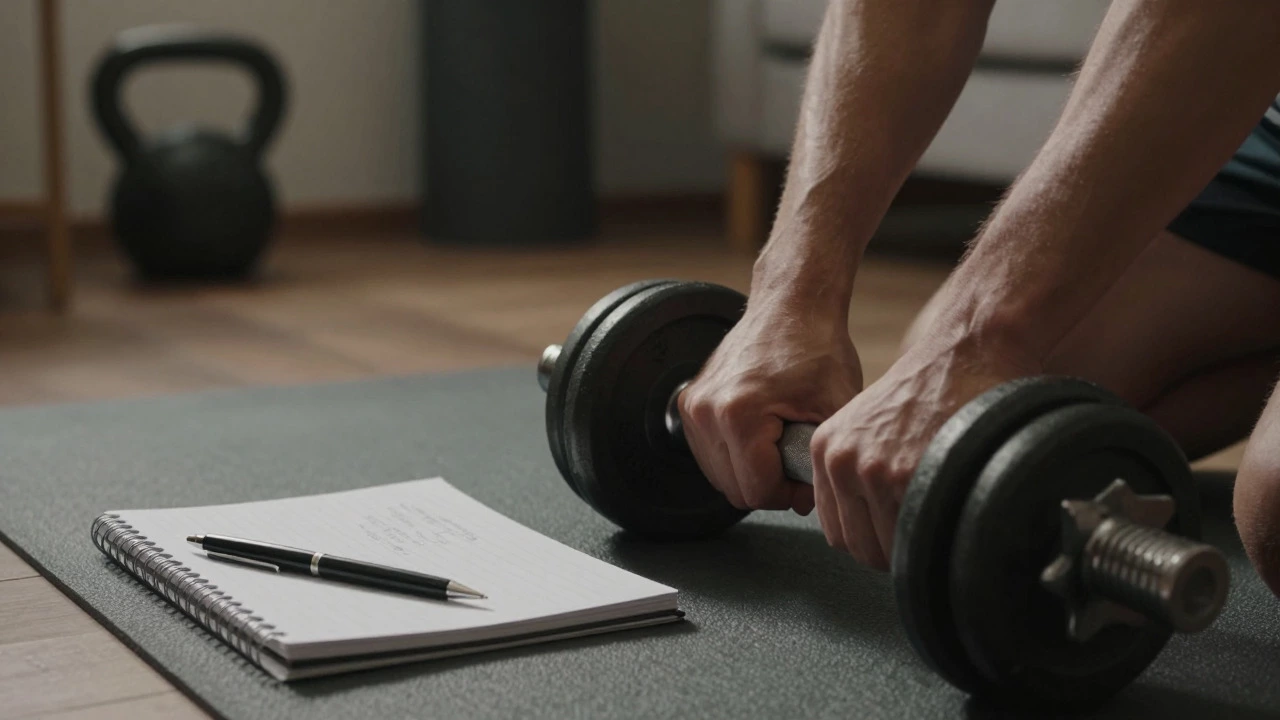
Track your workouts. Write them down in a notebook or use a simple app. Without data, you’re guessing. With data, you’re engineering your progress.
Designing Your Home Routine
Let’s put this into practice. Here is a sample full-body resistance workout you can do at home, three times a week. Aim for 45 minutes per session.
| Exercise | Sets | Reps | Rest |
|---|---|---|---|
| Goblet Squats (or Bodyweight Squats) | 3 | 10-15 | 60 sec |
| Push-Ups | 3 | 8-12 | 60 sec |
| Bent-Over Rows (Dumbbells or Bands) | 3 | 10-12 | 60 sec |
| Romanian Deadlifts (Kettlebell or Dumbbells) | 3 | 10-12 | 60 sec |
| Plank Hold | 3 | 30-60 sec | 45 sec |
Notice the balance. We have a squat, a push, a pull, a hinge, and a core exercise. This covers all bases. Perform this routine on Monday, Wednesday, and Friday. Use Tuesday, Thursday, Saturday, and Sunday for active recovery-light walking, stretching, or yoga.
Cardio vs. Strength: What Should You Prioritize?
A common question is whether to skip strength training for pure cardio. While cardio is excellent for heart health, it has diminishing returns for body composition changes. Running 5 miles might burn 500 calories during the run. But building 5 pounds of muscle through resistance training increases your resting metabolic rate, meaning you burn more calories 24/7, even when sitting on the couch.
That said, cardio isn’t the enemy. In fact, combining moderate-intensity steady-state cardio (like brisk walking) with your strength days enhances recovery and heart health. Just don’t let it replace your lifting. For most people seeking transformation, strength should come first, cardio second.
Common Mistakes to Avoid
Even with the right plan, pitfalls exist. Watch out for these:
- Ignoring Form: Ego lifting leads to injury. Master the movement pattern with light weight before adding load. Film yourself to check your form.
- Inconsistency: Three perfect workouts a month won’t change your life. Three mediocre workouts a week will. Consistency beats intensity.
- Neglecting Nutrition: You can’t out-train a bad diet. Ensure you’re eating enough protein (aim for 0.7-1 gram per pound of body weight) to support muscle repair.
- Skipping Warm-ups: Spend 5 minutes doing dynamic stretches (arm circles, leg swings, cat-cow) before lifting cold muscles.
Is This Right for Everyone?
Almost everyone benefits from resistance training. Beginners see rapid "newbie gains." Intermediate lifters build significant muscle and strength. Older adults combat sarcopenia (age-related muscle loss) and osteoporosis. However, if you have pre-existing injuries or chronic conditions, consult a physical therapist or doctor before starting. Modify movements as needed-for example, swap deep squats for box squats if your knees hurt.
The beauty of full-body resistance training is its scalability. A teenager can do bodyweight versions. An athlete can add heavy weights. The principles remain the same.
How many times a week should I do full-body workouts?
For most people, 3 to 4 times per week is optimal. This allows enough frequency to stimulate muscle growth while providing sufficient rest days for recovery. Beginners should start with 3 non-consecutive days (e.g., Monday, Wednesday, Friday).
Can I lose weight with just resistance training?
Yes. Resistance training builds muscle, which boosts your metabolism. Combined with a slight calorie deficit, it is highly effective for fat loss while preserving lean mass. Pure cardio can lead to muscle loss, which may slow down long-term weight management.
Do I need expensive equipment for this workout?
No. You can start with bodyweight exercises like push-ups, squats, and lunges. As you progress, investing in adjustable dumbbells or resistance bands provides a cost-effective way to continue applying progressive overload at home.
How long does it take to see results?
Most people notice improved strength and energy within 2-4 weeks. Visible changes in body composition typically appear after 8-12 weeks of consistent training and proper nutrition. Patience and consistency are key.
Should I do cardio on rest days?
Light to moderate cardio, such as walking, cycling, or swimming, is excellent on rest days. It promotes blood flow and aids recovery without interfering with muscle growth. Avoid high-intensity cardio immediately after heavy lifting sessions.