
Beginner Gym Equipment Selector
Not sure where to start? Answer these quick questions to find your ideal starting point in the gym.
Your Recommended Start
Why this choice?
Pro Tip
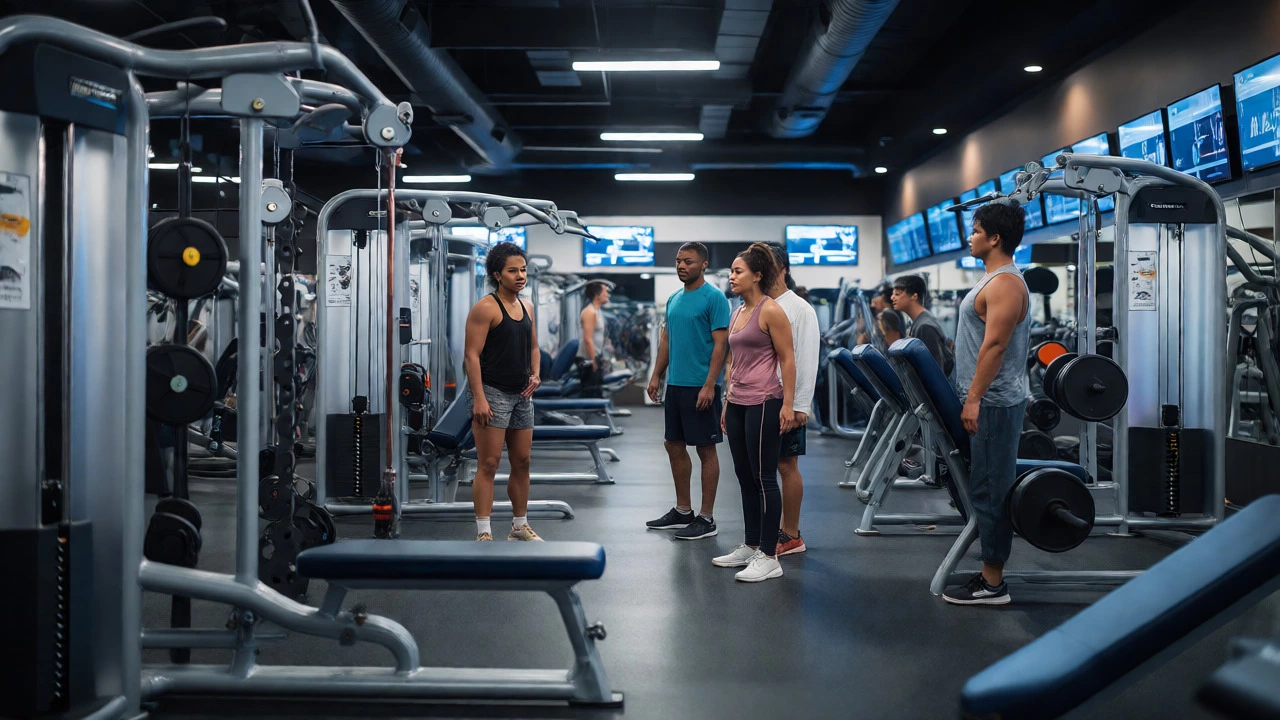
Walk into any gym in Auckland, and you’re hit with a wall of shiny metal, blinking screens, and intimidating racks. It’s easy to feel like you need a PhD in biomechanics just to pick the right starting point. But here’s the truth: you don’t need all of it. In fact, using too much gear early on can actually slow down your progress by complicating simple movements.
The best gym equipment for beginners isn’t about looking cool; it’s about safety, simplicity, and building a solid foundation. We’re talking about tools that let you learn proper form without risking injury. Whether you’re aiming to lose weight or build muscle, sticking to these basics will get you results faster than jumping onto the most complex machine in the room.
Start With Your Own Bodyweight
Before you touch a single dumbbell, look at what you’ve got already. Your body is the most versatile piece of fitness equipment available. It costs nothing, requires no setup, and scales infinitely as you get stronger. Many beginners skip this step because they think "real" workouts require heavy iron, but mastering bodyweight control is non-negotiable.
Focus on exercises like squats, push-ups, lunges, and planks. These movements teach your nervous system how to stabilize joints under load. If you can’t hold a plank for thirty seconds with good form, adding external weight is just asking for back pain. Use mats to protect your knees and wrists during floor work. A simple exercise mat provides cushioning and defines your space, which helps mentally switch into workout mode.
Dumbbells: The Beginner’s Best Friend
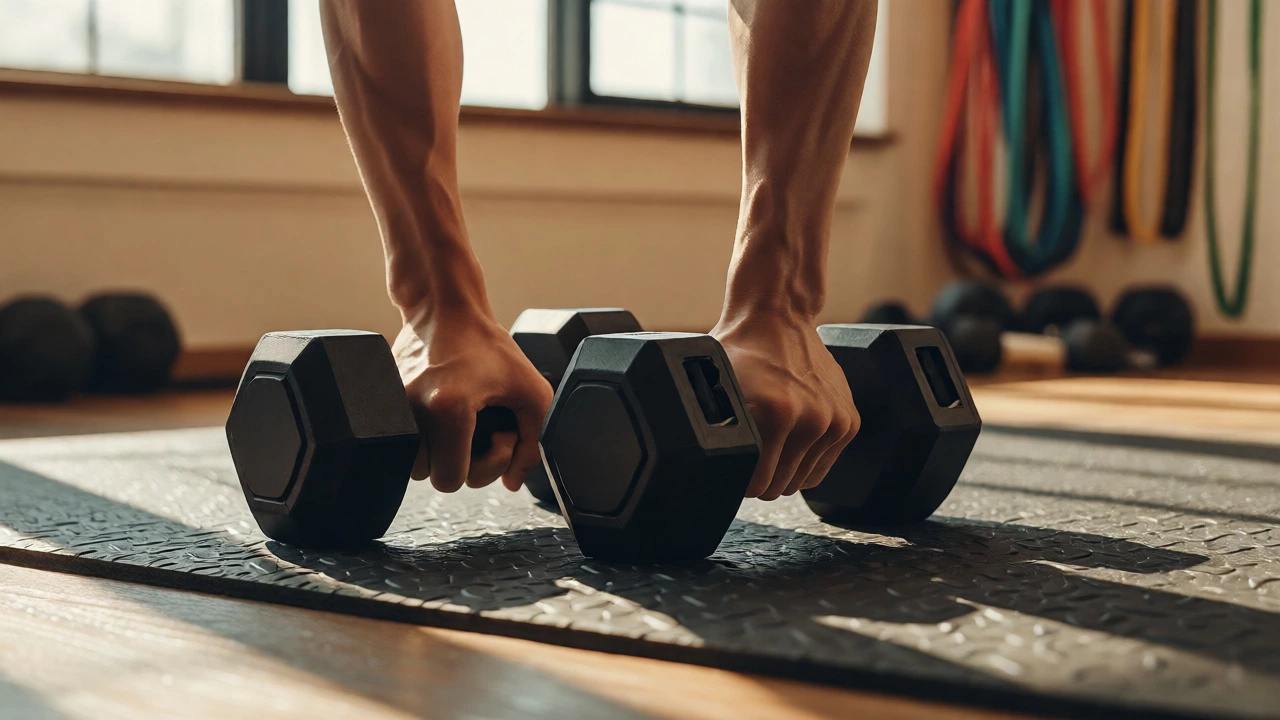
If you buy one piece of equipment for home or start with one tool at the gym, make it dumbbells. Unlike barbells, which lock your hands into a fixed position, dumbbells allow natural range of motion. This reduces strain on shoulders and wrists, making them ideal for those still learning movement patterns.
Why are they so effective? They force each side of your body to work independently. Most people have a dominant side, leading to imbalances that cause injuries later. Dumbbells expose these weak links immediately. Start light-really light. For upper body moves, men might start with 5-10 kg, women with 3-8 kg. For lower body, go heavier since legs are strong. You can do goblet squats, overhead presses, rows, and chest flies all with a pair of adjustable dumbbells.
| Exercise Type | Suggested Weight Range | Primary Benefit |
|---|---|---|
| Upper Body Isolation (Bicep Curls) | 3-8 kg | Joint safety, form correction |
| Compound Lifts (Goblet Squats) | 10-20 kg | Core stability, full-body engagement |
| Shoulder Press | 4-10 kg | Postural improvement, shoulder health |
Resistance Bands: Cheap and Versatile
Don’t dismiss resistance bands just because they look like rubber tubing from a doctor’s office. They provide constant tension throughout the entire range of motion, unlike free weights where gravity only pulls down. This means your muscles stay engaged even at the top of a rep, which boosts endurance and hypertrophy (muscle growth).
Bands are perfect for warm-ups and activation drills. Glute bridges with a band around your knees wake up sleepy hip muscles before squatting. Face pulls with a band save your shoulders from the hunched-over posture many of us develop from desk jobs. Plus, they’re portable. Throw a set in your bag, and you can train anywhere-hotel rooms, parks, or your living room. Look for a set with varying resistance levels (light, medium, heavy) so you can progress over time.
Cardio Machines: Keep It Simple
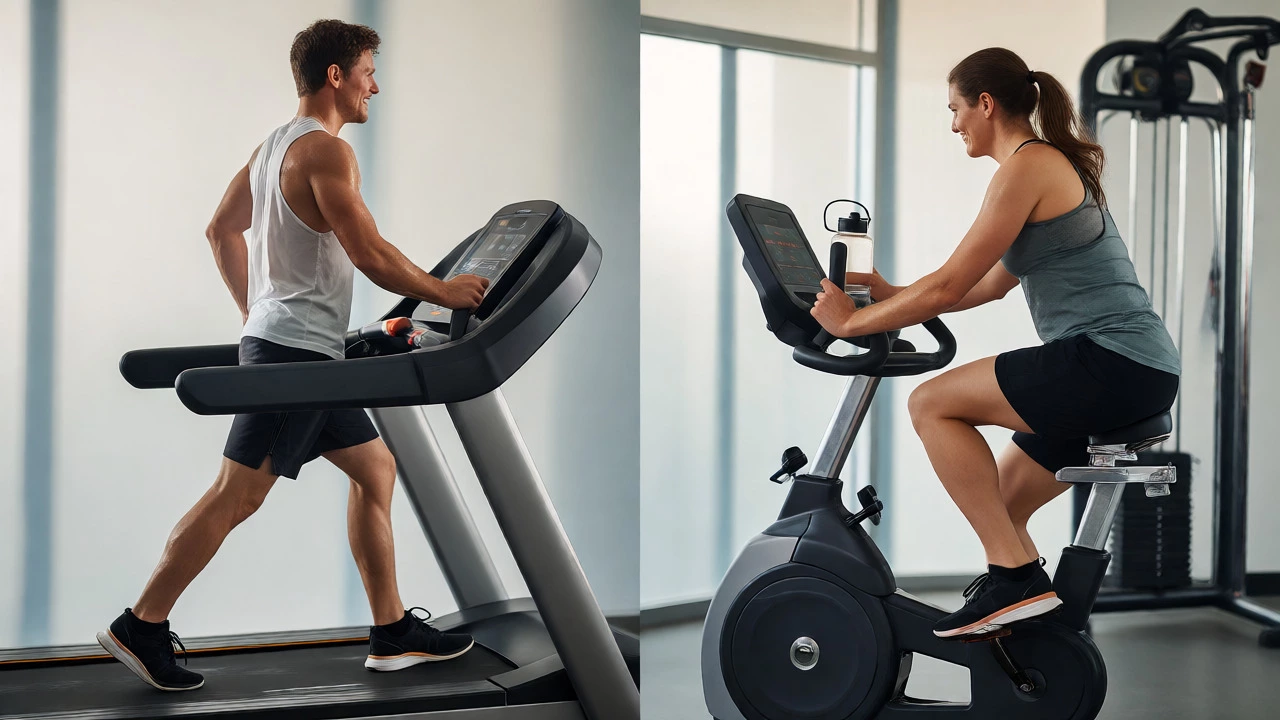
When it comes to heart health and calorie burning, beginners often overwhelm themselves with fancy ellipticals or rowers. While those are great, stick to the classics first: the treadmill and the stationary bike. These machines have predictable movement patterns and lower injury risk if used correctly.
The treadmill is intuitive-you know how to walk. Start with incline walking rather than running. Setting the treadmill to a 5-10% incline at a brisk walking pace burns significant calories while sparing your knees from high-impact pounding. If you prefer cycling, an upright or recumbent bike offers low-impact cardio. Adjust the seat height so your leg is almost fully extended at the bottom of the pedal stroke to prevent knee strain.
Machines vs. Free Weights: Where to Begin?
Gyms are filled with selectorized machines-those big boxes with pins and cables. Should you use them? Yes, but strategically. Machines guide your path of motion, removing the balance component. This makes them safer for isolating specific muscles when you’re fatigued or learning new angles.
However, don’t rely solely on machines. They can create a false sense of strength because the machine stabilizes the weight for you. When you transition to free weights, you’ll find you’re weaker because your core and stabilizer muscles weren’t working hard enough. A balanced approach works best: use machines for isolation (like leg extensions or lat pulldowns) and free weights for compound movements (like squats or deadlifts). This combination builds both raw strength and functional coordination.
Essential Accessories You Actually Need
You don’t need a $200 shaker bottle or a designer gym bag yet. Focus on three things: footwear, gloves (optional), and a water bottle. Proper athletic shoes matter more than anything else. Running shoes aren’t always best for lifting because they compress under heavy loads, causing instability. Look for flat-soled cross-trainers if you plan to lift weights. They provide a stable base for squats and deadlifts.
Gloves can prevent calluses, but many lifters prefer going bare-handed to improve grip strength. Try both. If your palms tear easily, wear gloves. If you want better forearm development, skip them. And hydration? Non-negotiable. Dehydration drops performance by up to 10%. Bring a reusable bottle and sip regularly-not just when you’re thirsty.
Pitfalls to Avoid with Beginner Equipment
The biggest mistake beginners make is ego-lifting. You see someone curling 20 kg dumbbells, so you grab the same ones, swing your back, and wonder why your biceps aren’t growing. Leave your pride at the door. Lighter weights with perfect form beat heavy weights with sloppy technique every time. Injury sets you back weeks; patience moves you forward.
Another trap is buying expensive home gym setups too soon. That $1,500 power rack gathering dust in the garage could have been a six-month membership to a local gym with trainers who correct your form. Test the waters before investing heavily. Once you’ve stuck with it for three months, then consider building out your home space.
Do I need a personal trainer to choose equipment?
Not necessarily, but it helps. Many gyms offer a free orientation session for new members. Use this to ask staff to show you the safe way to adjust seats and pins on machines. Even ten minutes of guidance can prevent bad habits that take months to unlearn.
Is it better to start with machines or free weights?
Start with machines for confidence and safety, especially for complex movements like chest presses or leg presses. As your coordination improves, gradually introduce free weights like dumbbells and kettlebells. This hybrid approach builds stability while minimizing injury risk.
How heavy should my dumbbells be?
Choose a weight where you can complete 10-12 repetitions with good form, feeling tired by the last two reps but not failing completely. If you can do 15+ reps easily, it’s too light. If you struggle to finish 8 reps with proper technique, it’s too heavy.
Can I get fit with just resistance bands?
Yes, absolutely. Resistance bands can provide sufficient stimulus for muscle growth and tonality, especially for beginners. They are excellent for rehabilitation and mobility work too. However, for maximum strength gains, you’ll eventually need progressive overload, which is harder to achieve with bands alone compared to heavy iron.
What is the safest cardio machine for bad knees?
The stationary bike and the elliptical are generally kinder to knees than treadmills. The bike supports your weight entirely, reducing impact to zero. The elliptical mimics running motion but with less shock. Always ensure proper seat height on bikes to avoid knee stress.