

Protein Shake Breakfast Calculator
Enter your details to see how much protein you need and whether adding or replacing with a shake fits your goals.
You wake up, grab a shaker bottle, and mix in your favorite whey powder. It’s convenient, it tastes like chocolate milk, and you’re told it builds muscle. But here is the nagging question: if you aren’t hitting the gym until after work-or maybe not at all today-does drinking that protein shake for breakfast actually do anything good, or are you just pouring expensive calories down the drain?
The short answer? Yes, you can drink it. In fact, for many people, it might be better than skipping breakfast entirely. But whether it’s optimal depends on what your body needs versus what you’re giving it. Let’s break down what happens to that scoop of powder when you sit at a desk instead of squatting under a barbell.
Your Body Doesn’t Care About Your Gym Schedule
Here is a biological reality check: your cells don’t know if you lifted weights yesterday. They only care about supply and demand. Protein is a macronutrient essential for repairing tissues, making enzymes, and maintaining immune function. It is not a magic "muscle-only" fuel.
When you sleep, your body runs in a catabolic state, breaking down muscle tissue slightly to keep your brain and organs running. By morning, you have an amino acid deficit. Drinking a protein shake replenishes those levels. This process, called Muscle Protein Synthesis (MPS), happens regardless of exercise, though exercise spikes it higher.
If you skip protein at breakfast, you might reach lunch starving. That leads to overeating carbs or fats later. A high-protein breakfast stabilizes blood sugar. It keeps you full. So, even without a workout, that shake serves a purpose: satiety and metabolic stability.
The Sedentary Protein Paradox
Most people underestimate how much protein they need when they are inactive. We often think protein is only for athletes. But Sarcopenia , the age-related loss of muscle mass, accelerates significantly after age 30. If you spend eight hours sitting, your muscles get little stimulus to grow. However, they still need raw materials to maintain their current size.
Think of your muscle like a house. Exercise is the contractor doing renovations. Protein is the lumber and bricks. Even if no renovation is happening, the house still needs basic repairs from weather wear and tear. Without enough protein, your body starts cannibalizing its own muscle tissue to get amino acids for other critical functions, like healing a cut or fighting off a cold.
For a sedentary adult, the baseline recommendation is roughly 0.8 grams of protein per kilogram of body weight. That sounds low, but it is the minimum to avoid deficiency, not the optimum for health. Many nutritionists suggest 1.2 to 1.6 grams per kilogram for older adults or those trying to lose fat while keeping muscle. A standard shake with 25-30g of protein helps hit this target easily.
Weight Loss vs. Weight Gain: The Calorie Reality
This is where most people trip up. Protein shakes are food. Food has calories. If you add a 200-calorie shake to your usual bagel-and-coffee routine, you are adding 200 calories to your day. If you aren’t burning them through activity, they go somewhere else.
| Scenario | Caloric Impact | Outcome |
|---|---|---|
| Replacing Breakfast | Neutral or Deficit | Good for weight loss if original meal was heavy. |
| Adding to Breakfast | Surplus (+150-250 kcal) | Risk of weight gain if total daily intake isn't adjusted. |
| Snack Replacement | Deficit | Better than chips/candy; reduces afternoon cravings. |
If your goal is weight loss, use the shake as a replacement, not an addition. Swap out a sugary muffin or a large bowl of cereal. The thermic effect of food means your body burns more energy digesting protein than carbs or fats. Roughly 20-30% of protein calories are used just to process them. That is free metabolic boost.
Digestion and Gut Health Concerns
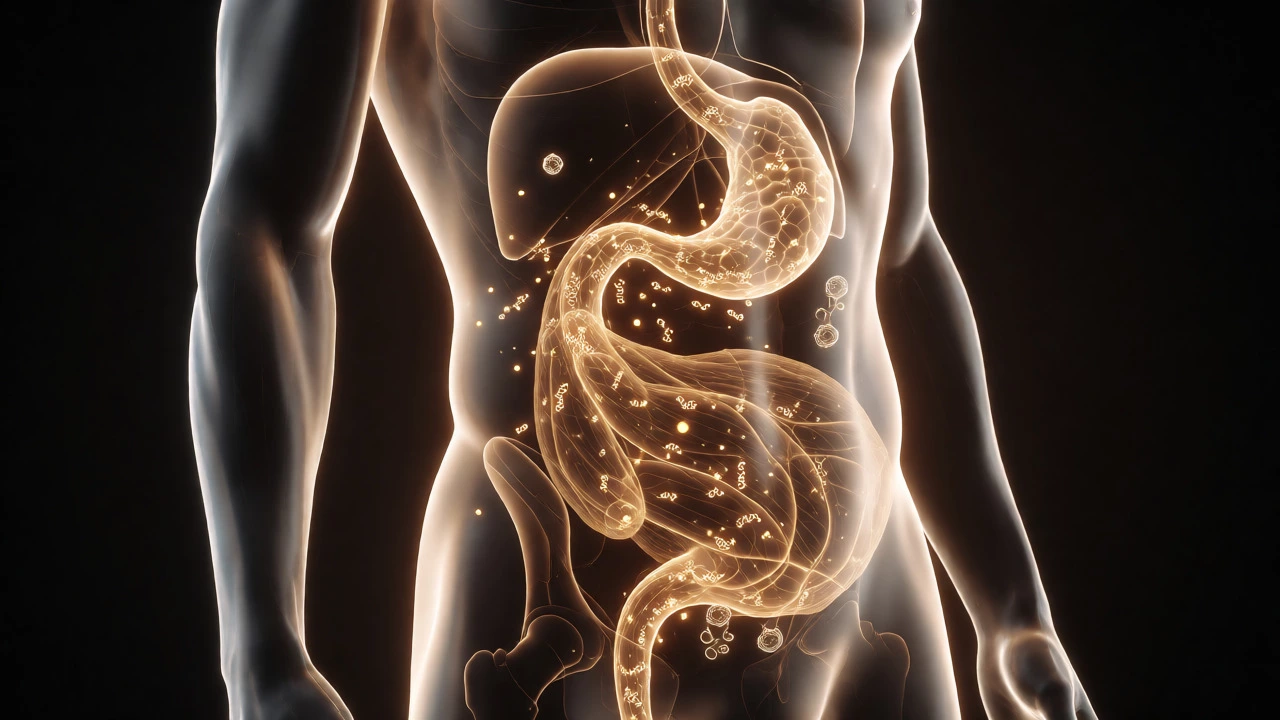
Without the physical movement of exercise, digestion can slow down for some people. Whey protein, in particular, digests quickly. For a sedentary person, this rapid spike in amino acids is fine, but it doesn’t provide long-lasting fiber. Most protein powders lack fiber unless you add it yourself.
If you rely solely on shakes for breakfast, watch out for constipation. You miss out on the gut-health benefits of whole foods like oats, fruits, and vegetables. A shake is processed food. It is convenient, but it is not a complete meal substitute long-term.
Tip: Blend your shake with spinach, berries, or a tablespoon of chia seeds. This adds volume, fiber, and micronutrients without drastically changing the taste. It slows down gastric emptying, keeping you fuller longer and supporting digestive regularity.
Types of Protein: Which One Fits a Desk Job?
Not all proteins act the same. Your choice matters more when you aren’t using the protein for immediate muscle repair post-workout.
- Whey Isolate: Fast-absorbing, low lactose. Good if you want quick satiety and minimal bloating. Best for those who feel sluggish after heavy meals.
- Casein: Slow-digesting. Forms a gel in the stomach. Ideal for breakfast if you won’t eat again for 4-5 hours. Keeps hunger pangs away during morning meetings.
- Plant-Based (Pea/Rice): Often thicker and higher in fiber naturally. Better for gut health and slower absorption. A solid choice for vegans or those sensitive to dairy.
For a non-exerciser, Casein or a Plant Blend might offer better sustained energy than Whey. Whey spikes insulin quickly, which can sometimes lead to a crash if you don’t pair it with healthy fats or complex carbs.

The Psychological Benefit of Routine
Don’t underestimate the habit loop. If you struggle to make time for breakfast, a shake removes friction. No cooking, no cleaning. Just blend and drink. This consistency helps regulate cortisol levels. Skipping breakfast can spike stress hormones, leading to poor focus and irritability by 10 AM.
A structured morning routine signals to your brain that the day has started. Having a protein-rich start provides steady glucose release to the brain, improving concentration. You aren’t building biceps, but you are building cognitive performance.
When Should You Skip the Shake?
There are cases where it makes sense to put the shaker down.
- You already eat a high-protein breakfast: If you eat three eggs and Greek yogurt, you likely don’t need extra powder. Save your money.
- You have kidney issues: High protein loads can stress compromised kidneys. Consult a doctor before increasing intake.
- You prefer whole foods: If you enjoy chewing your food, stick to salmon, tofu, or chicken. The sensory satisfaction of real food curbs emotional eating better than liquid calories.
Practical Strategy for Non-Athletes
So, how do you use protein shakes effectively without the gym?
- Audit your current diet: Track your protein for three days. Are you getting less than 1g per kg of body weight? If yes, a shake helps.
- Time it right: Drink it within an hour of waking. This breaks the overnight fast efficiently.
- Add volume: Use water or unsweetened almond milk to keep calories low. Add ice for texture.
- Pair with fat/fiber: Eat half an avocado or a handful of almonds alongside the shake. This slows absorption and improves nutrient uptake.
- Listen to your body: If you feel bloated or nauseous, switch types or reduce the serving size to 15g.
Ultimately, a protein shake is a tool, not a rule. It solves the problem of convenience and protein adequacy. Whether you lift weights or type emails, your body needs amino acids to survive and thrive. Just remember to count the calories, add some fiber, and don’t expect it to replace the health benefits of actual movement.
Will drinking a protein shake make me gain weight if I don't exercise?
Only if it puts you in a caloric surplus. Protein itself does not turn into fat easily due to its high thermic effect. However, if you add a 200-calorie shake on top of your normal diet without reducing other food intake, those excess calories will be stored as fat. Replace a carb-heavy breakfast with the shake to avoid this.
Is whey protein bad for sedentary people?
No, whey protein is safe for sedentary individuals. It is simply a source of high-quality protein derived from milk. Some studies suggest whey may help lower blood pressure and improve cholesterol profiles, which are beneficial for those with active lifestyles or sedentary ones alike. Ensure you choose a low-sugar version to maximize benefits.
How much protein should a non-exercising adult consume?
The RDA is 0.8g per kg of body weight, but optimal health often requires 1.2-1.6g per kg, especially for adults over 40 or those managing weight. For a 70kg person, this ranges from 56g to 112g daily. A single shake usually provides 20-30g, helping bridge the gap between dietary intake and optimal levels.
Can I drink a protein shake instead of eating breakfast every day?
You can, but it is not ideal long-term without modification. Liquid meals lack the satiety signals provided by chewing and the fiber found in whole foods. To make this sustainable, ensure you blend in fibrous ingredients like spinach, flaxseeds, or berries, and consider alternating with whole-food breakfasts to maintain gut diversity and psychological satisfaction.
Does protein help with brain fog at work?
Yes, indirectly. Protein aids in the production of neurotransmitters like dopamine and norepinephrine, which regulate alertness and focus. Unlike sugary breakfasts that cause energy crashes, protein provides stable blood sugar levels, leading to more consistent mental clarity throughout the morning.