
Fitbit vs. Smartwatch: Which Wearable Fits You in 2026?
Pick the option that best matches you for each question. Your match updates as you go.
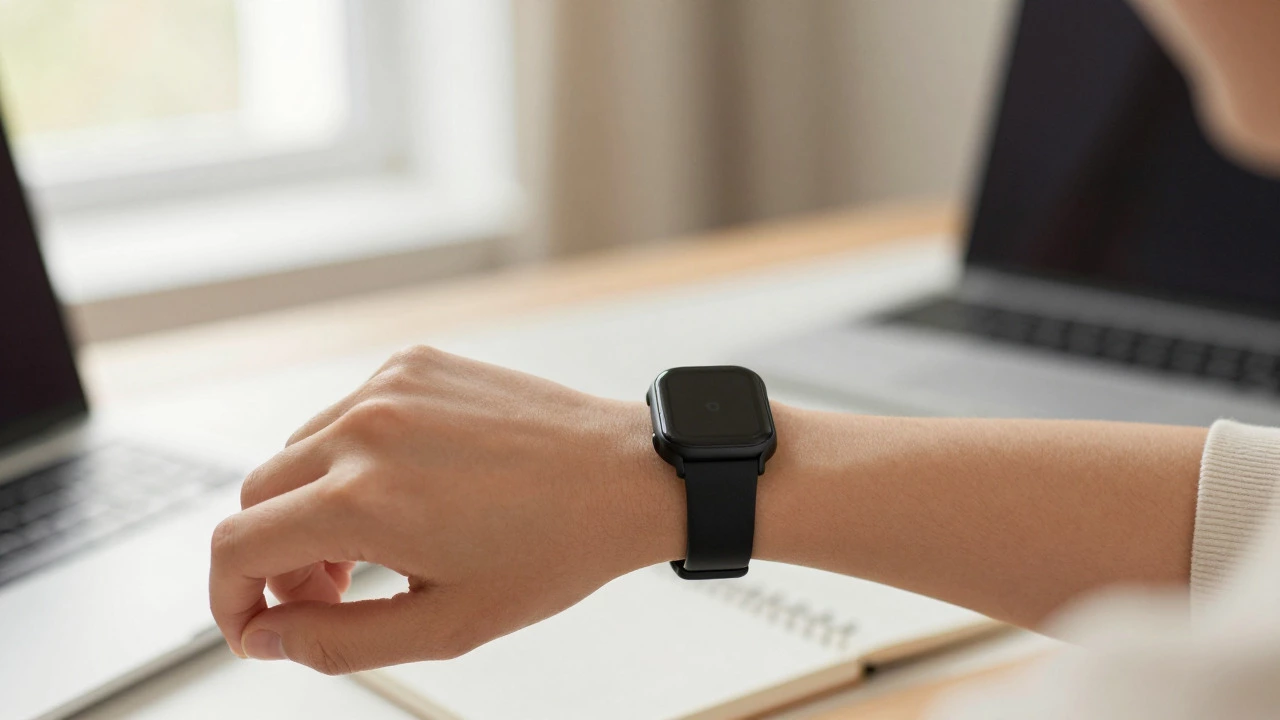
It’s 2026, and the wristband you bought in 2019 might be gathering dust in a drawer. Or maybe it’s still on your arm, silently logging steps while you scroll through social media. The question "Do people still wear Fitbit?" isn't just about nostalgia; it's about where the wearable tech industry stands after a decade of rapid change. With smartwatches becoming more capable and phone-based health features improving, many wonder if dedicated fitness trackers are obsolete. The short answer is yes, but the landscape has shifted dramatically from the "step-counting race" era to a broader focus on holistic health monitoring.
The Current State of Wearable Adoption
To understand if Fitbits are still popular, we have to look at the data. According to recent consumer electronics reports, global shipments of wearable devices continue to grow, but the composition of that growth has changed. In 2024, smartwatches overtook traditional fitness bands for the first time in several years. By mid-2026, the split is roughly 60% smartwatches (like the Apple Watch and Samsung Galaxy Watch) and 40% dedicated fitness trackers (including Fitbit, Garmin, and Whoop).
This doesn't mean Fitbit users have abandoned ship. It means the entry-level user has migrated. If you want basic step counting and sleep tracking without a subscription fee or complex setup, a Fitbit Charge or Inspire model remains one of the most affordable options on the market. However, the "cool factor" has moved to devices with cellular connectivity, advanced ECG readings, and seamless ecosystem integration. For the average consumer who wants a simple tool to stay active, the Fitbit brand still holds significant mindshare, particularly among older demographics and those new to fitness tracking.
Why Some Users Stay Loyal to Fitbit
There are specific reasons why millions of people keep their Fitbits on their wrists. First, battery life remains a major selling point. While an Apple Watch typically lasts 18-36 hours, a standard Fitbit device can last 7 to 10 days on a single charge. For travelers or people who hate the ritual of nightly charging, this is a decisive advantage.
Second, the Fitbit app itself has matured significantly. Once criticized for being bloated, the current version offers clean, easy-to-read insights into heart rate variability (HRV), stress management, and sleep stages. It integrates well with other health platforms, allowing users to sync data with their primary care providers or nutrition apps. For non-tech-savvy users, the interface is intuitive enough that they don't need a manual to start using it effectively.
Finally, there is the price barrier. Entry-level Fitbit models often cost less than $100, whereas competitive smartwatches start at $250 or more. For students, parents, or anyone on a budget, this price difference makes Fitbit the default choice. You get 90% of the core functionality-steps, calories, sleep, and heart rate-for a fraction of the cost.
The Competition: Why Others Switched
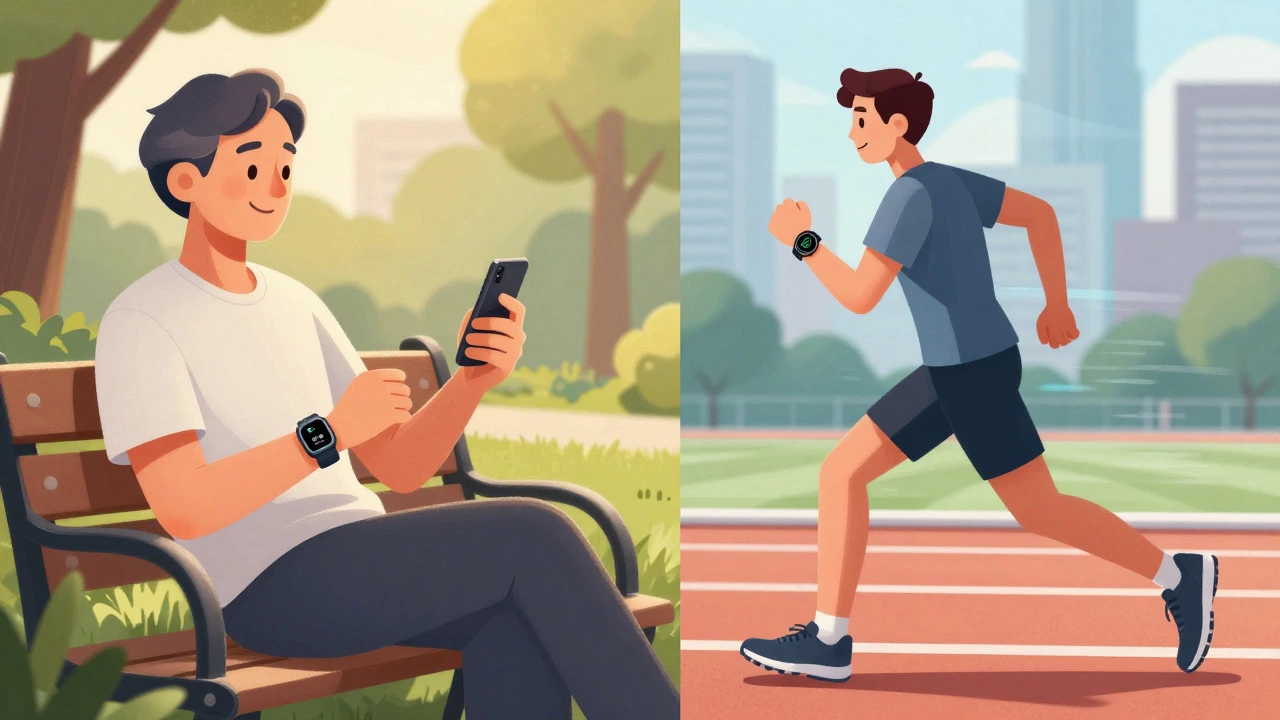
If you ask power users or athletes why they ditched their Fitbit, the answers usually revolve around depth and connectivity. Athletes often prefer Garmin for its superior GPS accuracy and sport-specific metrics like training load and recovery scores. Tech enthusiasts lean toward Apple Watch because it turns their wrist into a full computer, handling payments, music, and calls without needing a phone nearby.
Another factor is the subscription model. Fitbit Premium, which unlocks deeper insights and historical data, costs around $10 per month. For casual users, this adds up quickly. In contrast, some competitors offer more free-tier features or bundle services with hardware purchases. This friction has led some long-time Fitbit users to switch to open-source alternatives or high-end watches that include robust analytics out of the box.
| Device Category | Avg. Battery Life | Starting Price (USD) | Key Strength | Subscription Cost |
|---|---|---|---|---|
| Fitbit | 7-10 Days | $80 - $150 | Battery life & simplicity | ~$10/mo (Premium) |
| Apple Watch | 18-36 Hours | $250+ | Ecosystem integration & features | $10/mo (Health+ optional) |
| Garmin | 10-30 Days | $150 - $500+ | Sport metrics & GPS accuracy | Free (Connect IQ) |
| Whoop | 3-4 Days | $30/mo (No hardware upfront) | Recovery & strain analysis | Included in sub |
The Shift from Steps to Health Metrics
In the early days, the goal was simply to hit 10,000 steps. Today, the conversation has evolved. Users no longer care as much about raw distance; they care about how their body responds to activity. This shift benefits Fitbit, as the company has invested heavily in sensors that track blood oxygen levels (SpO2), continuous heart rate, and skin temperature. These metrics allow for better detection of potential health issues, such as irregular heart rhythms or signs of illness before symptoms appear.
For example, a user might notice a slight elevation in resting heart rate during a cold, prompting them to rest earlier than usual. This proactive approach to health is what keeps many users engaged. The device is no longer just a pedometer; it’s a personal health monitor. As long as these sensors remain accurate and the insights remain actionable, the demand for dedicated trackers will persist alongside smartwatches.
Who Is Wearing What in 2026?
Demographics play a huge role in adoption rates. Surveys indicate that adults aged 45 and older are the most loyal cohort for traditional fitness trackers like Fitbit. They value the ease of use and the clear, non-overwhelming data presentation. Younger users, particularly those under 30, tend to gravitate toward smartwatches or even ring-based trackers like Oura, which offer a different form factor and aesthetic appeal.
Runners and cyclists have largely moved to Garmin or Coros for their specialized sports modes. Office workers, however, remain a strong base for Fitbit, as the device complements sedentary lifestyles by reminding users to stand and move. The "nudge" culture-gentle reminders to hydrate, stretch, or take a walk-is a key retention strategy for these users.
Is It Worth Buying a Fitbit Now?
If you are considering buying a Fitbit in 2026, the answer depends on your needs. If you want a simple, long-lasting device that tracks your basics without breaking the bank, yes, it is worth it. Look for models like the Fitbit Charge 6 or Inspire 3, which offer the best balance of features and price. Avoid older models unless you find them at a steep discount, as software support may be winding down.
However, if you are already in the Apple or Samsung ecosystem, investing in a native smartwatch might provide a smoother experience. The convenience of receiving notifications, making payments, and controlling smart home devices directly from your wrist is hard to replicate with a standalone tracker. Ultimately, the best device is the one you will actually wear every day. If that’s a Fitbit, then yes, people are still wearing them-and for good reason.
Are Fitbits still relevant in 2026?
Yes, Fitbits remain relevant, especially for users prioritizing battery life, affordability, and simplicity. They hold a significant market share in the dedicated fitness tracker segment, competing with brands like Garmin and Polar.
Which is better: Fitbit or Apple Watch for beginners?
For absolute beginners who want low maintenance and long battery life, a Fitbit is often easier to adopt. An Apple Watch offers more features but requires daily charging and a higher initial investment. Choose based on your comfort with technology complexity.
Do I need a Fitbit Premium subscription?
Not necessarily. The free tier covers essential metrics like steps, sleep, and heart rate. Premium adds historical data, advanced insights, and guided programs. If you only need basic tracking, the free version is sufficient.
Can Fitbit replace a medical device?
No, Fitbit is a wellness tool, not a medical device. While it can detect irregular heart rhythms, it should not replace professional medical advice. Always consult a doctor for diagnosis or treatment.
What are the main competitors to Fitbit in 2026?
The main competitors include Apple Watch, Samsung Galaxy Watch, Garmin, and Oura Ring. Each targets a different user segment, from tech enthusiasts to serious athletes and minimalist health trackers.