
Beginner Yoga Schedule Planner
Configure Your Routine
Your Personalized Plan
| Day | Activity | Focus |
|---|
Adjust the settings and click "Generate My Schedule" to see your plan.
Start with two or three sessions per week. That is the sweet spot for most new yogis. It gives your body enough time to learn the poses while leaving plenty of room for recovery. If you try to do every day right away, you might burn out or get injured. Consistency beats intensity when you are just starting out.
The Beginner’s Sweet Spot: Frequency vs. Intensity
When you first step onto the mat, it is tempting to think more is better. You see influencers doing hour-long flows daily and want to match that energy. But your muscles, joints, and nervous system need time to adapt. Yoga is a physical practice that combines movement, breath control, and mindfulness. For a beginner, this combination can be surprisingly demanding.
Research in exercise physiology suggests that skill acquisition requires repetition, but also rest. When you practice yoga, you are not just building strength; you are building neural pathways. Your brain needs to map out where your limbs go in a pose like Downward-Facing Dog or Warrior II. This mapping happens during sleep and rest days, not just during the session.
If you practice five or six times a week as a total novice, you risk overuse injuries. Common issues include wrist strain from too much weight-bearing or lower back tightness from repetitive forward folds. By sticking to two or three sessions, you allow inflammation to subside and tissues to repair. Think of it like learning a musical instrument. You practice scales regularly, but you don’t play for four hours straight on day one.
- Two days a week: Ideal if you have a busy schedule or other intense workouts (like running or lifting). This maintains flexibility without adding fatigue.
- Three days a week: The optimal balance for progress. You build momentum without burning out.
- Four+ days a week: Only recommended if the sessions are short (15-20 minutes) or very gentle (restorative/yin).
Why Rest Days Are Non-Negotiable
Rest is not laziness; it is part of the training. In yoga philosophy, this connects to the concept of Sthira Sukham Asanam, which means steadiness and ease. If you are sore, shaky, or mentally exhausted, you lack both steadiness and ease. Pushing through pain leads to bad habits. You start compensating with other muscle groups, which reinforces incorrect alignment.
Consider the fascia-the connective tissue surrounding your muscles. It responds to stress by tightening up to protect itself. If you stretch it aggressively every single day, it may stay chronically tight. Giving it 48 hours between intense stretching sessions allows the collagen fibers to realign properly. This is why many teachers recommend spacing out vigorous Vinyasa or Power Yoga classes with lighter practices or complete rest.
Also, listen to your menstrual cycle if applicable. Energy levels fluctuate naturally. Some weeks you will feel strong and ready for a flow; other weeks, even a simple Cat-Cow stretch feels like work. A flexible schedule respects these biological rhythms rather than fighting them.
Structuring Your Weekly Routine
Randomly practicing whenever you remember is less effective than a structured plan. Humans thrive on routines. When you know Tuesday and Thursday are yoga days, you remove the mental friction of deciding whether to do it. Here is a sample weekly layout for a beginner aiming for three sessions:
| Day | Activity | Focus |
|---|---|---|
| Monday | Rest or Light Walk | Recovery |
| Tuesday | Yoga Session 1 | Hatha or Gentle Flow (45 mins) |
| Wednesday | Cross-Training (e.g., Pilates, Swimming) | Active Recovery |
| Thursday | Yoga Session 2 | Basic Sun Salutations & Standing Poses (30-45 mins) |
| Friday | Rest | Mental Reset |
| Saturday | Yoga Session 3 | Restorative or Yin Yoga (60 mins) |
| Sunday | Outdoor Activity | Fun Movement |
Notice the variety. Mixing styles prevents boredom and addresses different needs. Hatha yoga focuses on holding poses, which builds stability. Vinyasa links breath to movement, improving cardiovascular health. Yin yoga targets deep connective tissues, enhancing flexibility. Rotating these keeps your body guessing and progressing evenly.
Signs You Are Doing Too Much
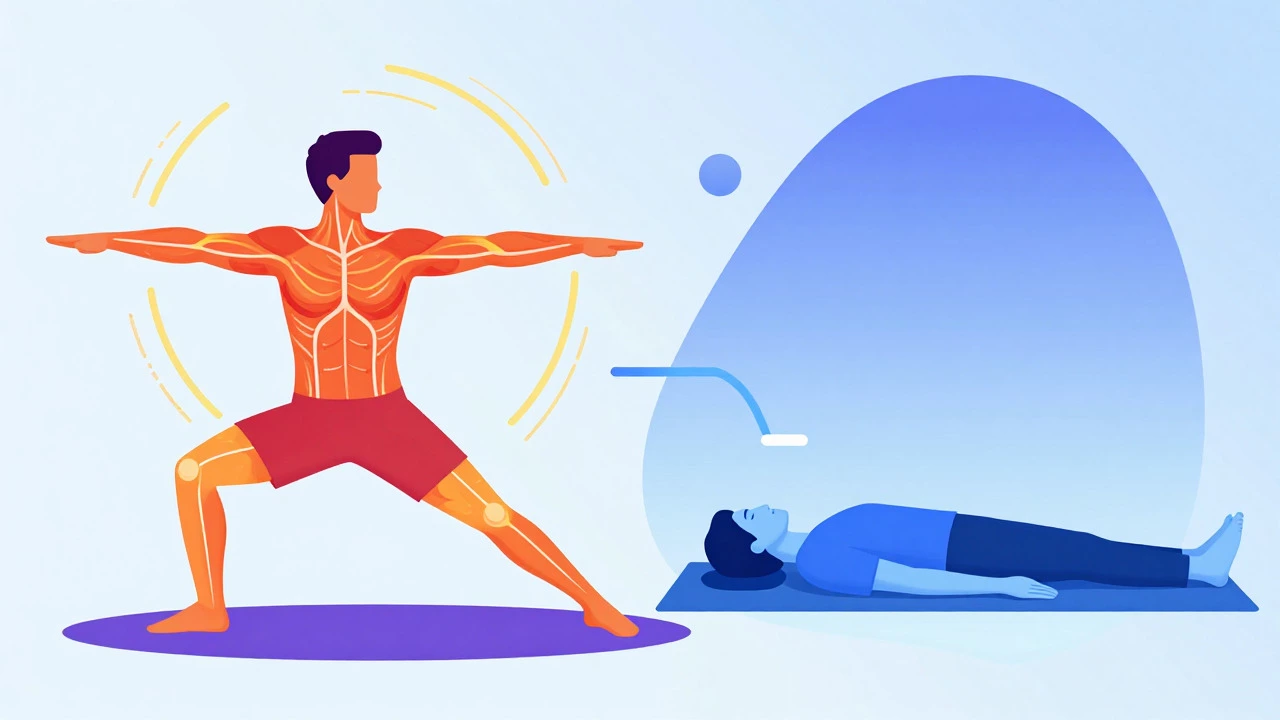
Your body sends signals before an injury occurs. Ignoring them is the fastest way to quit yoga entirely. Watch out for these red flags:
- Persistent Joint Pain: Sharp pain in wrists, knees, or shoulders that lasts more than 24 hours after class.
- Mental Dread: Feeling anxious or resentful about the upcoming session. Yoga should bring peace, not stress.
- Chronic Fatigue: Waking up tired despite getting enough sleep. Overtraining disrupts hormonal balance, including cortisol levels.
- Decreased Performance: Finding it harder to hold poses you could easily manage last week. This indicates central nervous system fatigue.
If you notice any of these, cut back immediately. Switch to one day of gentle stretching or take a full week off. Most beginners find that stepping back actually accelerates their progress because they return refreshed and eager.
Quality Over Quantity: Making Every Minute Count
It is better to do one focused 30-minute session than a distracted 90-minute one. Distraction comes from checking your phone, worrying about work, or trying to impress imaginary spectators. Instead, focus on your breath. Pranayama, or breath control, is the heart of yoga. If you are gasping for air, slow down. If your mind wanders, gently bring it back to the inhale and exhale.
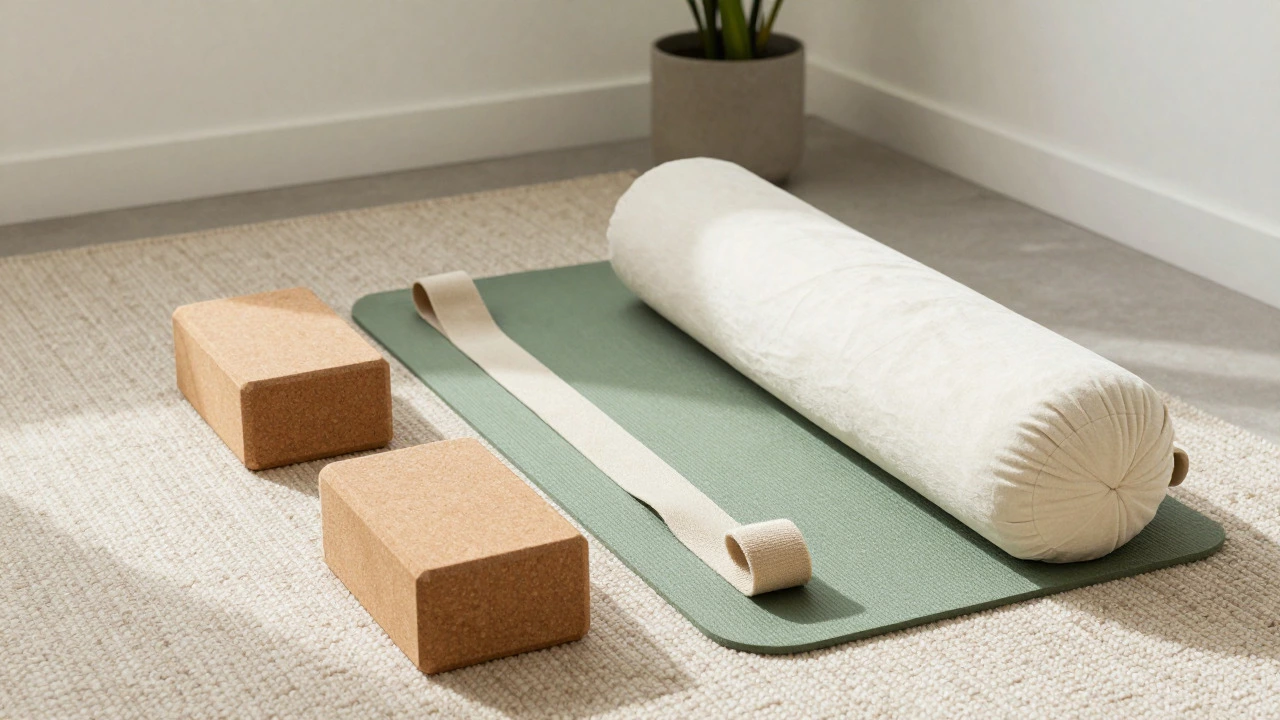
Use props liberally. Blocks, straps, and bolsters are not signs of weakness; they are tools for precision. Using a block in Triangle Pose allows you to keep your spine long and open. Without it, you might round your back, defeating the purpose of the stretch. Proper alignment ensures you get the benefit of the pose without straining your body.
Record your practice. Not for social media, but for yourself. Take notes on what felt good, what was difficult, and how you felt afterward. This reflection helps you understand your body’s patterns and adjust your frequency accordingly. Maybe you realize you feel best after morning sessions. Or perhaps evening yoga helps you sleep deeper. Personalize your approach based on data, not guesswork.
Integrating Yoga into a Busy Life
Life gets in the way. Kids get sick, work deadlines loom, and travel disrupts routines. On those days, remember that something is always better than nothing. A 10-minute sequence of Sun Salutations counts. Five minutes of seated meditation counts. Even lying in Savasana (Corpse Pose) for ten minutes resets your nervous system.
Create a "minimum viable practice." Define the smallest action you can take to keep the habit alive. For some, it is rolling out the mat. For others, it is watching a guided video while making coffee. These micro-habits maintain the neural connection to the practice, making it easier to jump back into full sessions when life calms down.
Find accountability. Join a local studio in Auckland or an online community. Knowing someone else expects you there adds a layer of commitment. Social support increases adherence rates significantly. Plus, having a teacher correct your form in person speeds up learning and prevents injuries.
Progression: When to Increase Frequency
After two to three months of consistent practice, you may feel ready for more. Signs you can increase frequency include:
- You look forward to your sessions instead of dreading them.
- Your body feels stronger and more stable in basic poses.
- You have no lingering soreness or joint pain.
- You naturally crave more movement or mindfulness.
Gradually add one session per month. Go from three to four, then four to five. Monitor how you feel. If you hit a wall, drop back down. There is no prize for doing yoga seven days a week forever. Many advanced practitioners still take rest days. The goal is lifelong sustainability, not short-term heroics.
Is it okay to do yoga every day as a beginner?
It is possible, but not recommended initially. Daily practice can lead to overuse injuries and mental burnout. Start with 2-3 times a week. If you want to move daily, keep most sessions light, such as gentle stretching or meditation, and save intense flows for specific days.
What is the best time of day to practice yoga?
Morning practice energizes the body and sets a calm tone for the day. Evening practice helps release tension and improves sleep quality. Choose the time that fits your schedule consistently. Consistency matters more than the clock.
Can I combine yoga with other workouts?
Yes, yoga complements strength training, running, and HIIT well. Use yoga for active recovery and flexibility. Avoid doing intense yoga and heavy lifting on the same day if you are prone to fatigue. Space them out or do yoga on rest days.
How long should each yoga session be?
Aim for 30-60 minutes for a standard class. Shorter sessions of 15-20 minutes are fine for maintenance or busy days. Longer sessions over 90 minutes are generally unnecessary for beginners and may lead to diminishing returns.
What type of yoga is best for beginners?
Hatha yoga is ideal because it moves slowly and focuses on proper alignment. Vinyasa is good if you prefer continuous movement. Avoid hot yoga or advanced power yoga until you have built a foundation of strength and flexibility.