

HIIT Weight Loss Estimator
Based on scientific research, we've built an estimator to show what you can realistically lose with HIIT. Your results depend on four key factors:
Your Results
Based on your inputs, you can expect to lose:
Weight loss varies based on individual metabolism, but most people see 4-8 pounds in a month with consistent HIIT.
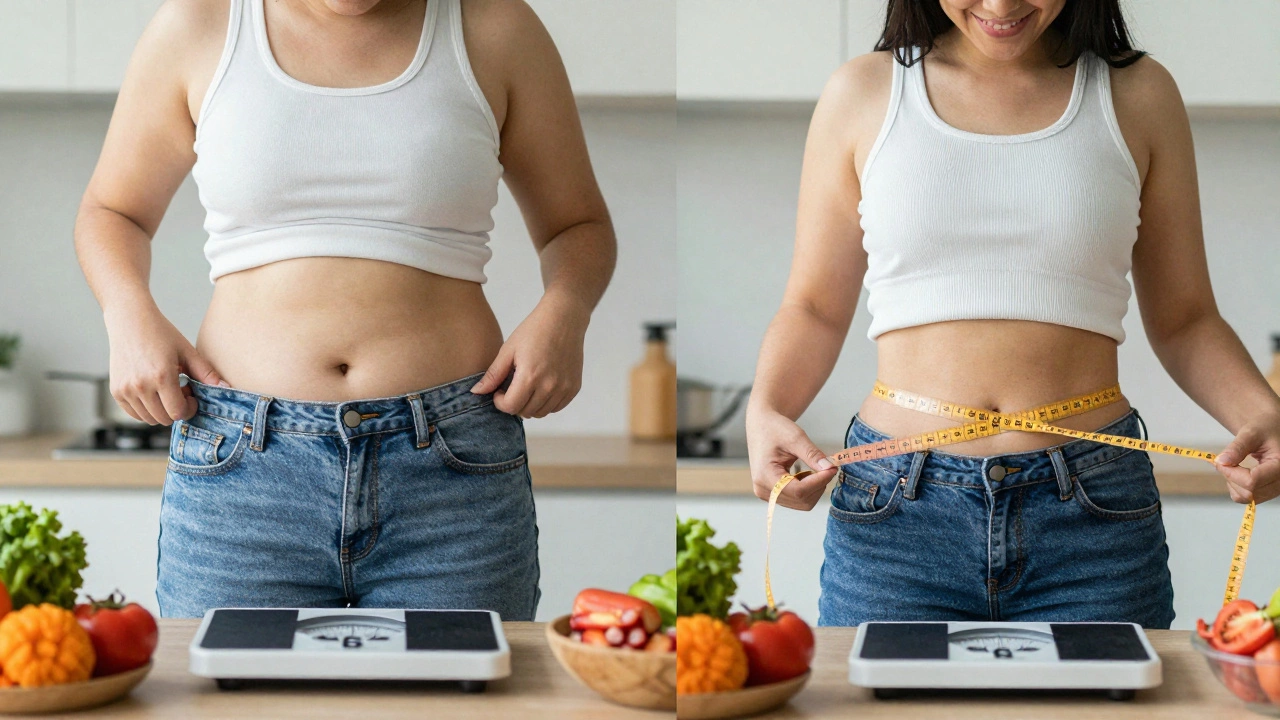
Important: The scale doesn't tell the whole story. Track these instead:
- Waist measurements
- Clothes fit
- Energy levels
- Workout performance
When you start HIIT, you’re not just working out-you’re flipping your body’s fat-burning switch. But how much weight can you actually lose in a month? The answer isn’t a single number. It depends on your starting point, what you eat, how hard you push, and whether you’re sleeping enough. But here’s the truth: most people who stick to a solid HIIT routine and clean up their diet lose between 4 and 8 pounds in a month. Some lose more. Some lose less. What matters is what’s sustainable.
What HIIT Actually Does to Your Body
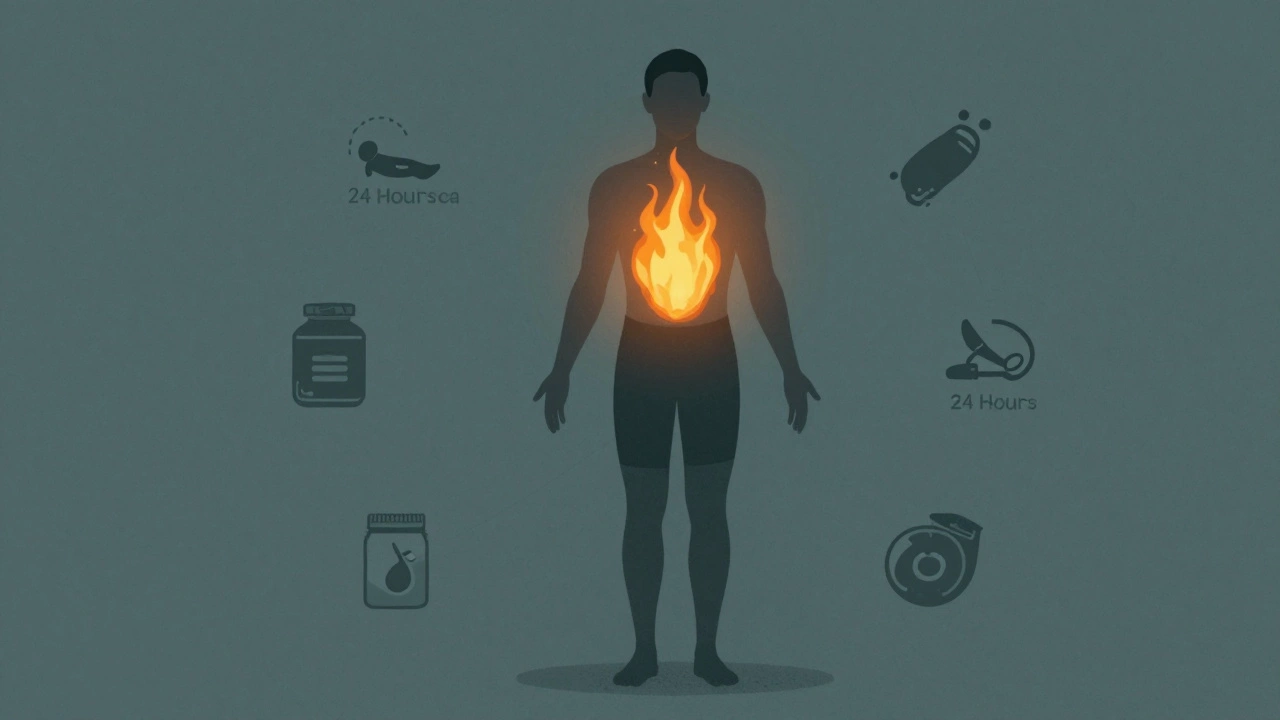
HIIT-High-Intensity Interval Training-isn’t just about burning calories while you’re moving. It’s about what happens after. A 20-minute HIIT session can spike your metabolism for up to 24 hours. That’s called EPOC-Excess Post-exercise Oxygen Consumption. Your body keeps burning calories just to recover. That’s why a 30-minute HIIT workout can out-burn an hour on the treadmill.
Studies from the American College of Sports Medicine show that HIIT burns 25-30% more calories than other forms of cardio in the same time frame. And it doesn’t just melt fat-it preserves muscle. That’s huge. When you lose weight without losing muscle, your body looks leaner, not just smaller.
The Realistic Weight Loss Numbers
Let’s break it down with real-world numbers. If you’re new to exercise and you’re currently sedentary, you might lose 6-8 pounds in the first month. Why? Because your body isn’t used to the stress, and you’re likely cutting out sugary snacks or late-night meals just by being more active.
But if you’re already active, say you run 3 times a week or lift weights, your body’s already adapted. You might only lose 3-5 pounds in a month. That doesn’t mean HIIT isn’t working. It means you’re losing fat and gaining muscle at the same time. The scale won’t move much, but your clothes will fit looser, and your waistline will shrink.
Here’s what a typical 4-week HIIT plan looks like for someone aiming to lose weight:
- Monday: 20-minute HIIT (sprints or burpees)
- Tuesday: Rest or walk
- Wednesday: 25-minute HIIT (kettlebell circuits)
- Thursday: Rest or yoga
- Friday: 30-minute HIIT (rower or jump rope)
- Saturday: Active recovery (swim, hike, bike)
- Sunday: Rest
This routine burns about 300-500 calories per session. Multiply that by 4-5 sessions a week, and you’re looking at 1,200-2,500 extra calories burned weekly. That’s 1-2 pounds of fat lost per week-just from exercise.
Why Diet Matters More Than You Think
Here’s the hard part: HIIT alone won’t make you lose weight if you’re eating like you always have. You can’t out-exercise a bad diet. That’s not a myth-it’s math.
A single slice of pepperoni pizza or a large latte with syrup can add 300-500 calories. That’s half a HIIT session’s worth of effort. If you’re not tracking what you eat, you’re guessing. And guessing doesn’t work when you’re trying to lose fat.
People who lose the most weight with HIIT don’t do extreme diets. They just cut out the noise: sugary drinks, processed snacks, oversized portions. They eat more protein, more veggies, and stop eating 2 hours before bed. That’s it. No keto. No fasting. No shakes. Just cleaner food.
What Stops People From Losing Weight With HIIT
Not everyone loses weight. And it’s rarely because HIIT doesn’t work. It’s usually because of these three things:
- Overtraining-Doing HIIT 6-7 days a week without rest burns you out. Your cortisol spikes, and your body starts holding onto fat. Stick to 3-5 days a week.
- Under-eating-If you’re eating too little, your metabolism slows down. You lose muscle, not fat. You need enough fuel to recover.
- Not sleeping-People who sleep under 6 hours a night lose 50% less fat than those who sleep 7-9 hours. It’s not a coincidence.
One 2023 study from the University of Sydney tracked 120 people doing HIIT for 8 weeks. Those who slept 7+ hours lost 2.3 pounds more than those who slept under 6. Sleep isn’t optional. It’s part of the workout.
How to Track Real Progress (Not Just the Scale)
The scale lies. It doesn’t know if you’re losing fat or muscle. It doesn’t know if your body is reshaping.
Instead of staring at the number, track these four things:
- Waist measurement-Measure around your belly every Monday. A 1-inch drop means you’re losing visceral fat.
- How your clothes fit-If your jeans are looser, you’re winning.
- Energy levels-Do you feel more alert? Less sluggish? That’s your metabolism improving.
- Workout performance-Can you do more reps? Shorter rest? Faster sprints? That’s your body adapting.
One woman I worked with lost 11 pounds in a month but didn’t change her weight at all. Her waist went from 34 inches to 30. She looked like a different person. The scale didn’t tell that story.
Who Should Avoid HIIT for Weight Loss
HIIT isn’t for everyone-especially right away. If you have:
- Uncontrolled high blood pressure
- Recent joint injuries (knees, hips, shoulders)
- Heart conditions
- Been sedentary for over a year
Start with walking, swimming, or low-impact cardio first. Build endurance. Then add HIIT. Jumping in too fast leads to injury-and that means quitting.
And if you’re pregnant, recovering from surgery, or have chronic pain, talk to a doctor before starting. HIIT is powerful, but it’s not magic. It’s a tool. Use it right.
What to Expect After 4 Weeks
If you stick with it, here’s what you’ll likely see:
- 2-5 pounds of fat lost
- 1-3 inches off your waist
- More energy during the day
- Better sleep quality
- Stronger legs, core, and arms
- Less cravings for sugar and junk food
That’s not just weight loss. That’s a lifestyle shift.
HIIT doesn’t promise miracles. But if you show up 3-5 times a week, eat like you mean it, and sleep like your life depends on it-you’ll change faster than you think. And you won’t need a gym membership to do it. All you need is 20 minutes, a little space, and the will to push when it hurts.