
7-Day Slimming & Hydration Tracker
Daily Hydration Goal
Based on the article's recommendation: Drink half your body weight in ounces.
Tip: Spread this out throughout the day to help flush excess sodium and reduce bloating.
7-Day Exercise Schedule
Day Details
DurationCan you really slim body in 7 days? The honest answer is yes, but not in the way most Instagram ads promise. You won't drop ten pounds of pure fat in a week. What you can do, however, is shed water weight, de-bloat, and kickstart your metabolism so you look and feel noticeably leaner by day seven. Think of this week as a reset button rather than a miracle cure.
If you've been sitting at a desk or eating heavy comfort foods, your body holds onto extra fluid. A focused week of movement changes that. We're talking about specific types of exercise that trigger afterburn effects and improve lymphatic drainage. This guide breaks down exactly how to structure those seven days without burning out or getting injured.
The Truth About One-Week Transformations
Before you lace up your sneakers, let's adjust expectations. Fat loss is a slow biological process. To lose one pound of fat, you need a deficit of roughly 3,500 calories. In seven days, even with aggressive dieting and training, losing more than two pounds of actual fat is rare and often unsustainable. So where does the "slimming" come from?
It comes from three sources:
- Glycogen depletion: When you cut carbs slightly and increase activity, your muscles use stored sugar (glycogen). Glycogen binds to water. Drop the glycogen, drop the water weight.
- Reduced inflammation: Processed foods cause swelling. Moving your body helps flush out inflammatory markers.
- Muscle tone: Even slight muscle activation makes tissues firmer, which visually tightens your silhouette.
You aren't trying to change your DNA in a week. You are optimizing your current state to reveal the shape underneath the bloat.
Why High-Intensity Interval Training (HIIT) Works Fastest
For a short timeline, steady-state cardio like jogging isn't efficient enough. You need High-Intensity Interval Training or HIIT. This method involves short bursts of maximum effort followed by brief rest periods. Why? Because it creates Excess Post-exercise Oxygen Consumption (EPOC). Simply put, your body keeps burning calories at a higher rate for hours after you stop moving.
A study published in the Journal of Obesity found that HIIT reduced visceral fat (the dangerous belly fat) significantly better than moderate-intensity continuous training over similar timeframes. For a 7-day sprint, this efficiency is crucial. You get more metabolic bang for your buck in less time.
Your 7-Day Exercise Schedule
This plan assumes you have no major injuries. If you are new to exercise, scale down the intensity. The goal is consistency, not heroics. Each session lasts 20-30 minutes. Add a 5-minute warm-up and cool-down to every day.
| Day | Focus | Activity Details | Duration |
|---|---|---|---|
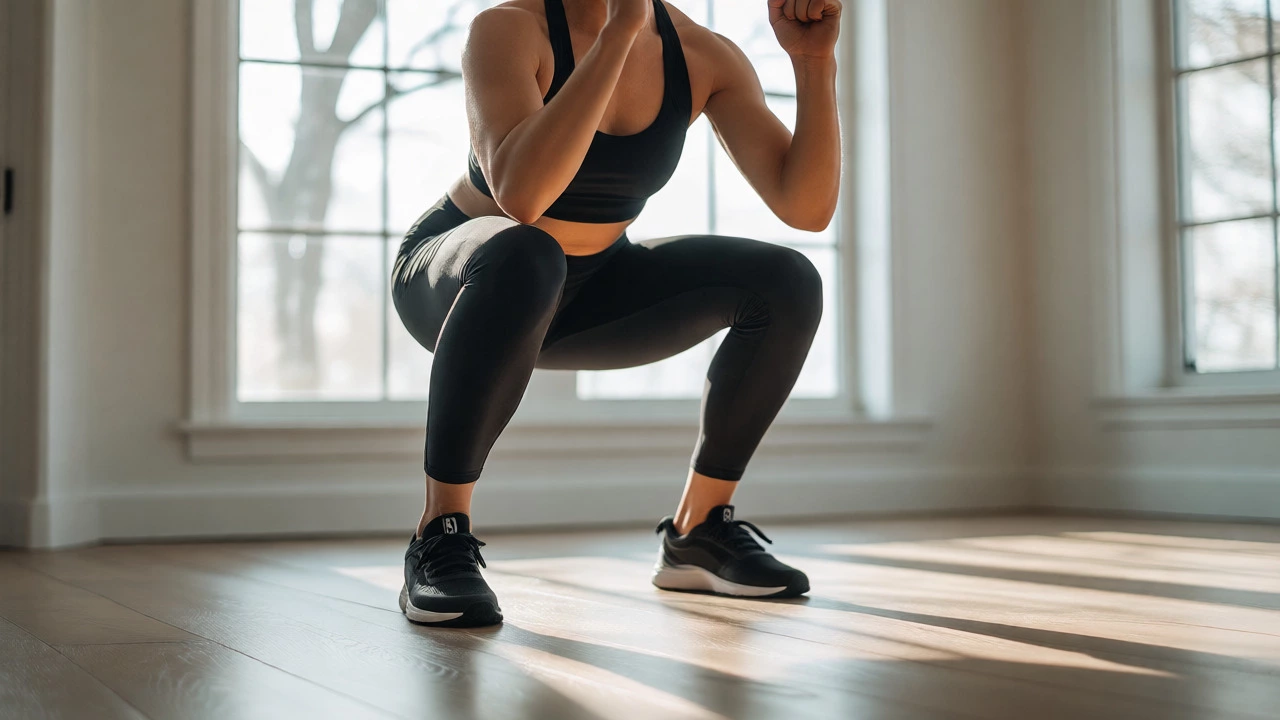
| 1 | Full Body Activation | Bodyweight circuit: Squats, push-ups, lunges, plank. | 20 mins |
| 2 | HIIT Cardio | 30 sec sprint/jump rope, 30 sec rest. Repeat 10x. | 20 mins |
| 3 | Active Recovery | Brisk walk or gentle yoga flow. Focus on stretching hips. | 45 mins |
| 4 | Core & Strength | Planks, bicycle crunches, glute bridges, mountain climbers. | 25 mins |
| 5 | Low-Impact HIIT | Burpees, high knees, skater jumps. Low impact if needed. | 20 mins |
| 6 | Endurance Walk | Fast-paced walking outdoors. Keep heart rate elevated. | 60 mins |
| 7 | Rest & Mobility | Foam rolling, deep breathing, light stretching. | 30 mins |
Notice Day 3 and Day 7. Rest is when your body actually repairs and reduces inflammation. Skipping these days leads to cortisol spikes, which can make you hold onto water-the exact opposite of what you want.

Nutrition Tweaks That Amplify Exercise Results
You cannot out-train a bad diet, especially in just seven days. You don't need a strict calorie count, but you do need strategic adjustments. Water retention is your enemy here.
Cut sodium intake drastically for this week. Sodium pulls water into your bloodstream. Avoid processed meats, canned soups, and salty snacks. Instead, focus on potassium-rich foods like bananas, avocados, and spinach. Potassium helps balance sodium levels and encourages your kidneys to flush excess fluid.
Increase protein consumption. Protein has a high thermic effect, meaning your body burns more calories digesting it compared to fats or carbs. It also preserves muscle mass while you create a slight deficit. Aim for a palm-sized portion of lean protein (chicken, fish, tofu, eggs) at every meal.
Hydration sounds counterintuitive, but drinking more water helps you lose water weight. When you are dehydrated, your body hoards fluids. Drink half your body weight in ounces daily. If you weigh 150 lbs, aim for 75 ounces. Spread this out throughout the day.
The Role of NEAT in Daily Calorie Burn
Exercise is only part of the equation. Non-Exercise Activity Thermogenesis (NEAT) refers to all the movement you do that isn't sleeping, eating, or dedicated sports-like exercise. Walking to your car, standing at your desk, cleaning the house-this adds up.
During this 7-day challenge, double your NEAT. Take stairs instead of elevators. Stand while on phone calls. Park further away from store entrances. Studies suggest that increasing NEAT can burn an additional 300-800 calories per day depending on your baseline activity level. This passive calorie burn is effortless and highly effective for slimming down quickly.

Sleep and Stress: The Hidden Factors
If you train hard but sleep four hours a night, you will struggle to see results. Lack of sleep raises ghrelin (the hunger hormone) and lowers leptin (the satiety hormone). You'll crave sugar and carbs, making your nutrition plan fall apart.
Aim for 7-9 hours of quality sleep. Darken your room and avoid screens an hour before bed. Also, manage stress. High cortisol levels promote abdominal fat storage and water retention. Incorporate five minutes of box breathing into your morning routine: inhale for 4 seconds, hold for 4, exhale for 4, hold for 4. This calms your nervous system and supports hormonal balance.
What to Expect After Day 7
By the end of the week, you might see a difference in how your clothes fit. Your face may look less puffy. Your energy levels should be higher. But remember, this is a launchpad, not the destination.
To keep the momentum, transition to a sustainable routine. Don't revert to old habits immediately. Continue the HIIT sessions twice a week and maintain the increased protein intake. If you stop exercising completely, the water weight will return within days.
Track your progress with photos and measurements, not just the scale. Muscle weighs more than fat by volume, so if you're toning up, the number might not drop as fast as you hope, but your appearance will improve.
Frequently Asked Questions
Can I lose 10 pounds in 7 days?
Losing 10 pounds of pure fat in a week is extremely difficult and often unhealthy. However, losing 5-10 pounds on the scale is possible through water weight reduction and glycogen depletion. Most of this weight will return once you resume normal carbohydrate intake.
Do I need gym equipment for this plan?
No. The entire 7-day plan relies on bodyweight exercises and cardio movements that require no equipment. You can perform squats, push-ups, lunges, and planks anywhere. If you have access to dumbbells, you can add them for resistance, but they are not mandatory.
Is fasting helpful for slimming down in a week?
Intermittent fasting can help control calorie intake and insulin levels, which may assist with fat loss. However, for a 7-day sprint, focusing on whole foods, low sodium, and high protein is generally more sustainable and less likely to cause binge eating later.
Why do I feel heavier during my period?
Hormonal fluctuations, particularly progesterone and estrogen changes, cause significant water retention before and during menstruation. This can mask true fat loss on the scale. Focus on how your clothes fit and your energy levels rather than daily weight fluctuations.
Should I drink coffee before workouts?
Yes, caffeine can enhance performance and increase fat oxidation during exercise. A small cup of black coffee 30-60 minutes before your HIIT session can boost energy and focus. Just avoid adding sugar or cream, which adds unnecessary calories.