
Nighttime Nutrition & Fat Loss Analyzer
Configure Your Evening Routine
Select what you plan to consume before bed and how much sleep you expect to get.
Analysis Results
Enter your details and click "Analyze Impact" to see how your routine affects fat loss and muscle repair.
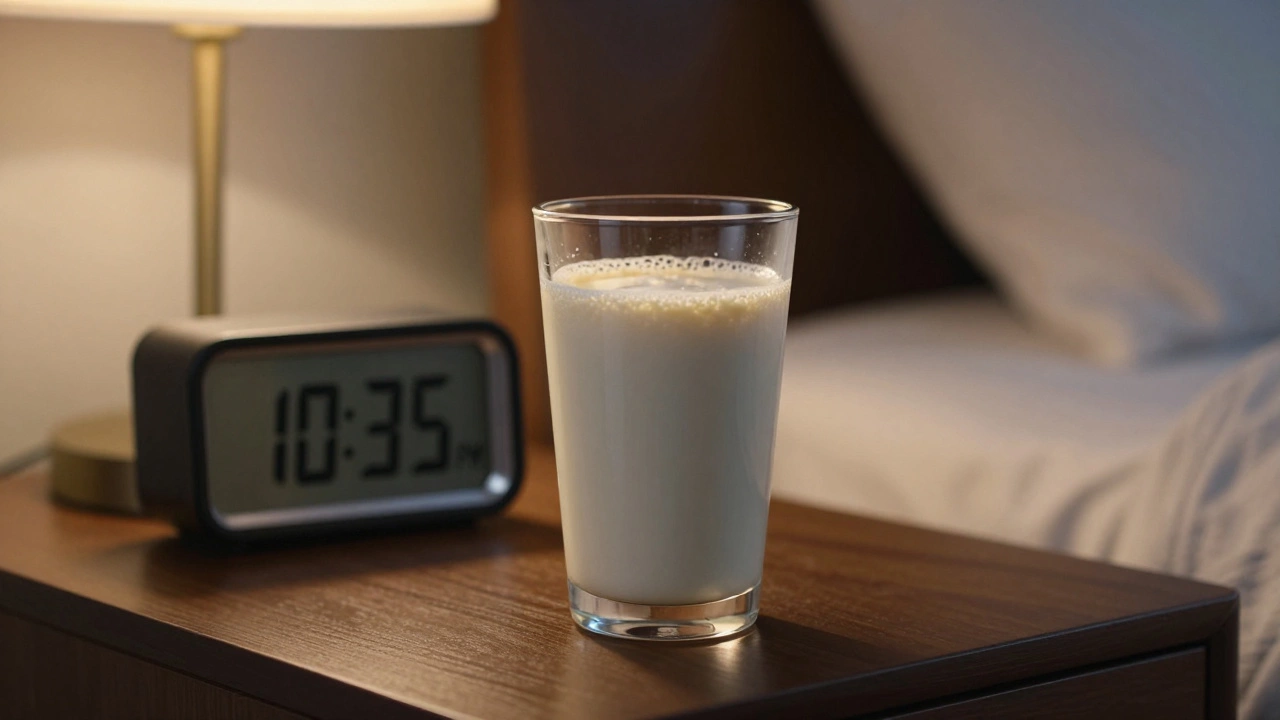
You’ve heard the claim: sip this specific drink before bed, and you’ll wake up with less belly fat. It sounds too good to be true because it is. There is no magic elixir that dissolves adipose tissue while you dream. However, there is science behind what you consume at night and how it impacts your metabolism. If you are looking to trim down around the midsection, understanding the role of protein shakes in your evening routine might actually help-but not for the reason most influencers suggest.
The Myth of Spot Reduction
First, let’s clear the air about "belly fat." You cannot target fat loss in one specific area by drinking something or doing a certain exercise. This concept, known as spot reduction, is a persistent myth in the fitness world. When your body burns calories, it pulls from fat stores all over your system based on genetics and hormones, not because you drank green tea or did crunches.
Belly fat, specifically visceral fat (the deep fat surrounding your organs), is stubborn. It responds to overall calorie deficits and hormonal balance. So, if a bedtime drink helps, it does so by supporting your body’s natural ability to burn fat throughout the day and night, not by acting like a solvent on your stomach.
Why Protein Matters at Night
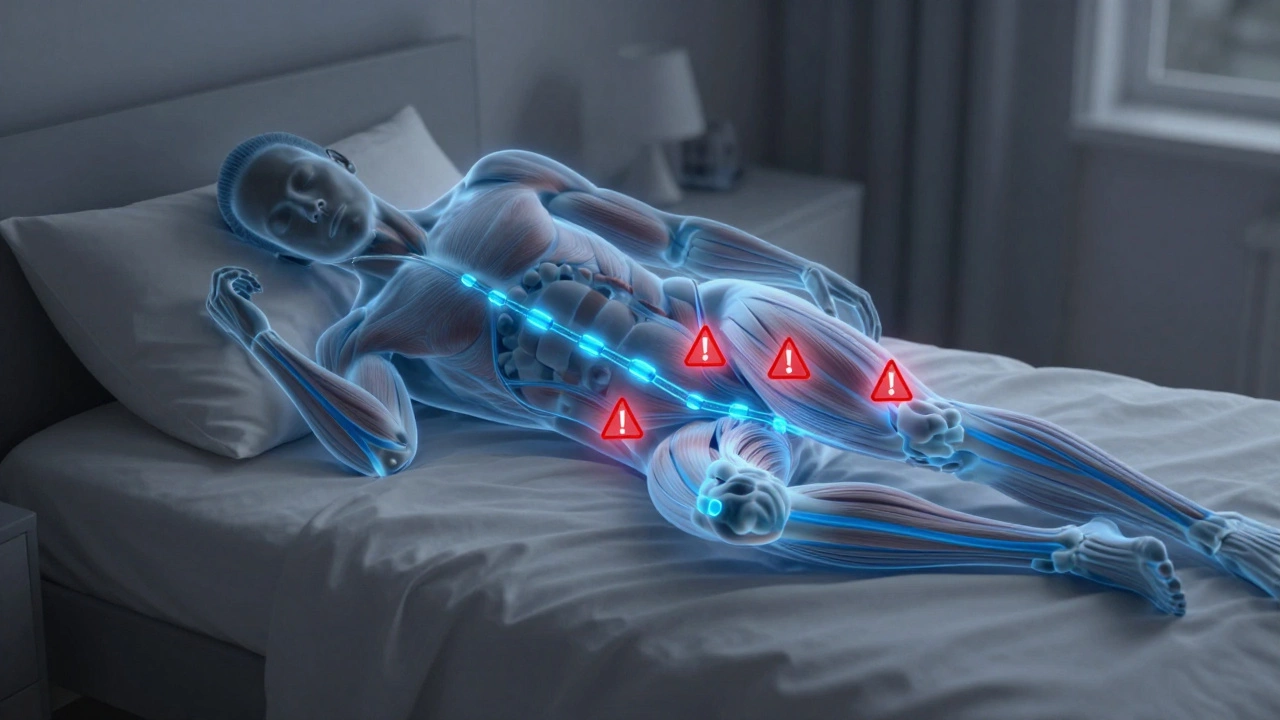
So, why do people talk about protein shakes before bed? The answer lies in muscle repair and satiety. While you sleep, your body enters a fasted state for several hours. Without fuel, your muscles can break down for energy-a process called catabolism. Preserving muscle mass is crucial for weight loss because muscle tissue burns more calories at rest than fat tissue does.
Casein protein is a slow-digesting milk protein that releases amino acids gradually into the bloodstream over several hours. Unlike whey protein, which hits your system quickly, casein forms a gel in your stomach. This provides a steady drip-feed of nutrients to your muscles while you sleep. Studies published in journals like the Journal of the International Society of Sports Nutrition have shown that consuming casein before bed can improve muscle protein synthesis overnight.
More muscle means a higher metabolic rate. A higher metabolic rate means you burn more calories even when you’re sitting on the couch or sleeping. That is the indirect link between a nighttime shake and fat loss.
Best Drinks to Support Metabolism Before Bed
If you want to optimize your sleep and support fat loss, here are the most effective options, ranked by scientific backing:
- Casein Protein Shake: Mix one scoop of micellar casein with water or unsweetened almond milk. Avoid adding sugar or heavy cream, which will spike your insulin and stop fat burning.
- Green Tea or Decaf Green Tea: Contains catechins, antioxidants that may slightly boost metabolism. Choose decaf if caffeine keeps you awake, as poor sleep increases cortisol, a hormone linked to belly fat storage.
- Chamomile Tea: Doesn’t burn fat directly, but it improves sleep quality. Deep sleep regulates ghrelin (the hunger hormone) and leptin (the fullness hormone). Better sleep means fewer cravings the next day.
- Warm Water with Lemon: Hydration is key for metabolism. Some people find this aids digestion and prevents late-night snacking due to thirst mistaken for hunger.
What to Avoid Before Sleep
Just as some drinks can help, others actively work against your goals. Alcohol is the biggest enemy of belly fat. It pauses fat burning because your liver prioritizes breaking down alcohol as a toxin. Plus, alcohol disrupts REM sleep, leading to increased appetite the following day.
Sugary beverages, including fruit juices and regular sodas, cause rapid spikes in blood sugar and insulin. High insulin levels signal your body to store fat, particularly around the abdomen. Even "healthy" smoothies loaded with bananas and honey can pack too many calories right before you lie down.
| Drink | Calories (Approx.) | Impact on Sleep | Fat Loss Potential |
|---|---|---|---|
| Casein Protein Shake | 100-120 kcal | Neutral to Positive | High (via muscle preservation) |
| Decaf Green Tea | 0-5 kcal | Positive (relaxation) | Moderate (metabolic support) |
| Alcohol (Wine/Beer) | 150-200+ kcal | Negative (disrupts REM) | Very Low (pauses fat burning) |
| Sugary Smoothie | 300-500+ kcal | Neutral | Negative (insulin spike) |
The Role of Sleep Quality in Belly Fat
You cannot out-supplement a bad night’s sleep. Research consistently links short sleep duration with increased abdominal obesity. When you are sleep-deprived, your body produces more cortisol. Cortisol encourages the body to store fat in the visceral area as a survival mechanism.
Furthermore, lack of sleep throws off your hunger hormones. You feel hungrier and crave high-carb, high-fat foods. A calming bedtime routine that includes a non-stimulating drink can help regulate these hormones. Think of your evening beverage as part of a wind-down ritual, not just a nutritional input.
How to Make a Effective Nighttime Protein Shake
If you decide to try a protein shake before bed, keep it simple. Here is a practical recipe that supports recovery without spiking your blood sugar:
- Base: 1 scoop of Micellar Casein Powder (vanilla or unflavored).
- Liquid: 200ml of water or unsweetened almond milk.
- Add-in (Optional): A pinch of cinnamon (helps regulate blood sugar) or a few ice cubes for texture.
Avoid adding oats, peanut butter, or fruits. These add fiber and healthy fats, which are great for breakfast or post-workout, but they take longer to digest and add significant calories. For a pre-sleep shake, you want minimal caloric load with maximum amino acid delivery.
Realistic Expectations
Drinking a protein shake before bed will not melt your belly fat overnight. It is one small piece of a larger puzzle. To lose belly fat, you need:
- A Calorie Deficit: Consuming fewer calories than you burn throughout the day.
- Strength Training: Building muscle to increase resting metabolic rate.
- Stress Management: Lowering cortisol levels through meditation, walking, or hobbies.
- Consistent Sleep: Aiming for 7-9 hours of quality rest per night.
The protein shake supports points two and four. It preserves the muscle you build during workouts and ensures you stay satiated so you don’t raid the fridge at 2 AM. But it won’t replace a balanced diet or daily movement.
Common Mistakes to Avoid
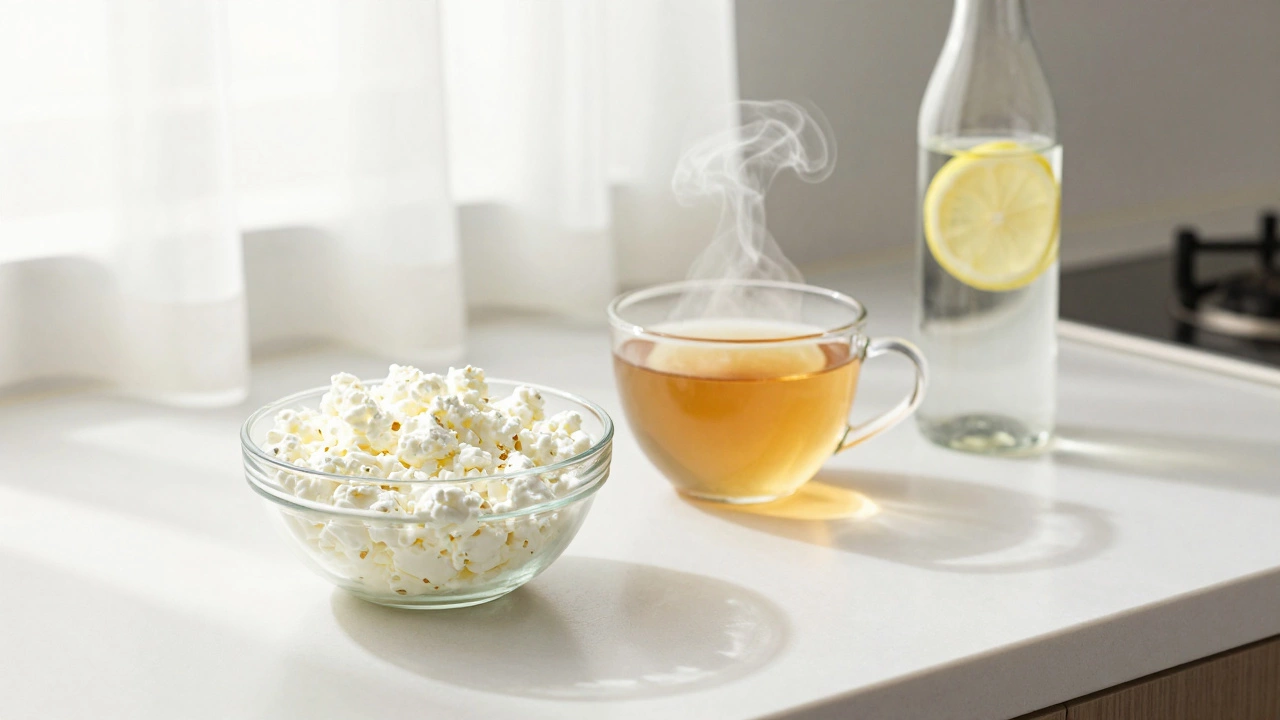
Many people make the mistake of treating supplements as replacements for whole foods. Don’t rely solely on shakes. Whole food sources of protein like Greek yogurt or cottage cheese also contain casein and can be eaten before bed. Cottage cheese, for example, is naturally high in casein and requires no mixing.
Another error is timing. Drinking a large volume of liquid right before bed can lead to frequent bathroom trips, disrupting your sleep cycle. Try to finish your drink at least 45-60 minutes before you plan to fall asleep. This gives your body time to begin digestion without causing discomfort or interruptions.
Also, watch out for added sugars in commercial protein powders. Many flavored whey or casein blends contain maltodextrin or sucralose. Check the label. You want a product with clean ingredients. If you have lactose intolerance, look for plant-based alternatives like pea protein isolate, though note that plant proteins generally digest faster than casein.
Conclusion: It’s About Balance
There is no secret drink that melts belly fat. However, incorporating a slow-digesting protein source like casein into your evening routine can support muscle health and metabolic function. Combined with a calorie-controlled diet, regular exercise, and good sleep hygiene, it becomes a useful tool in your weight management toolkit. Focus on the big picture: consistency, patience, and holistic health. Your body will respond to sustainable habits, not quick fixes.
Does drinking water before bed help burn belly fat?
Water itself does not burn fat. However, staying hydrated can prevent dehydration, which sometimes mimics hunger signals. Drinking water before bed may reduce the likelihood of late-night snacking. Additionally, proper hydration supports optimal metabolic function. Just avoid drinking excessive amounts to prevent sleep disruption from bathroom visits.
Is casein protein better than whey before bed?
Yes, for nighttime consumption, casein is generally preferred. Whey protein digests rapidly, providing a quick spike in amino acids that lasts only a few hours. Casein digests slowly, releasing amino acids steadily over 5-7 hours. This sustained release helps protect muscle tissue during the long fasting period of sleep.
Can I eat cottage cheese instead of a protein shake?
Absolutely. Cottage cheese is naturally high in casein protein and makes an excellent pre-bed snack. It provides similar benefits to a casein shake without the need for mixing powder. Opt for low-fat or reduced-fat versions if you are monitoring calorie intake, and avoid sweetened varieties.
Will drinking alcohol before bed stop fat loss?
Yes, alcohol can hinder fat loss significantly. Your body prioritizes metabolizing alcohol because it views it as a toxin. During this process, fat burning is paused. Alcohol also lowers testosterone and increases estrogen, which can promote fat storage. Furthermore, it disrupts sleep quality, leading to higher cortisol levels and increased hunger the next day.
How much protein should I consume before bed?
Research suggests that 20-40 grams of protein before bed is sufficient to stimulate muscle protein synthesis. For most people, one scoop of protein powder (typically 20-25g) or half a cup of cottage cheese is adequate. Consuming more than necessary does not provide additional benefits and adds unnecessary calories.