
Gym Chain Comparison Tool
Select a gym chain below to see detailed comparisons against the industry average.
Planet Fitness
Budget KingAnytime Fitness
24/7 AccessLA Fitness
Full ServiceGold's Gym
Traditional24 Hour Fitness
RegionalComparison Details
| Feature | Gym | Industry Avg / Competitors |
|---|
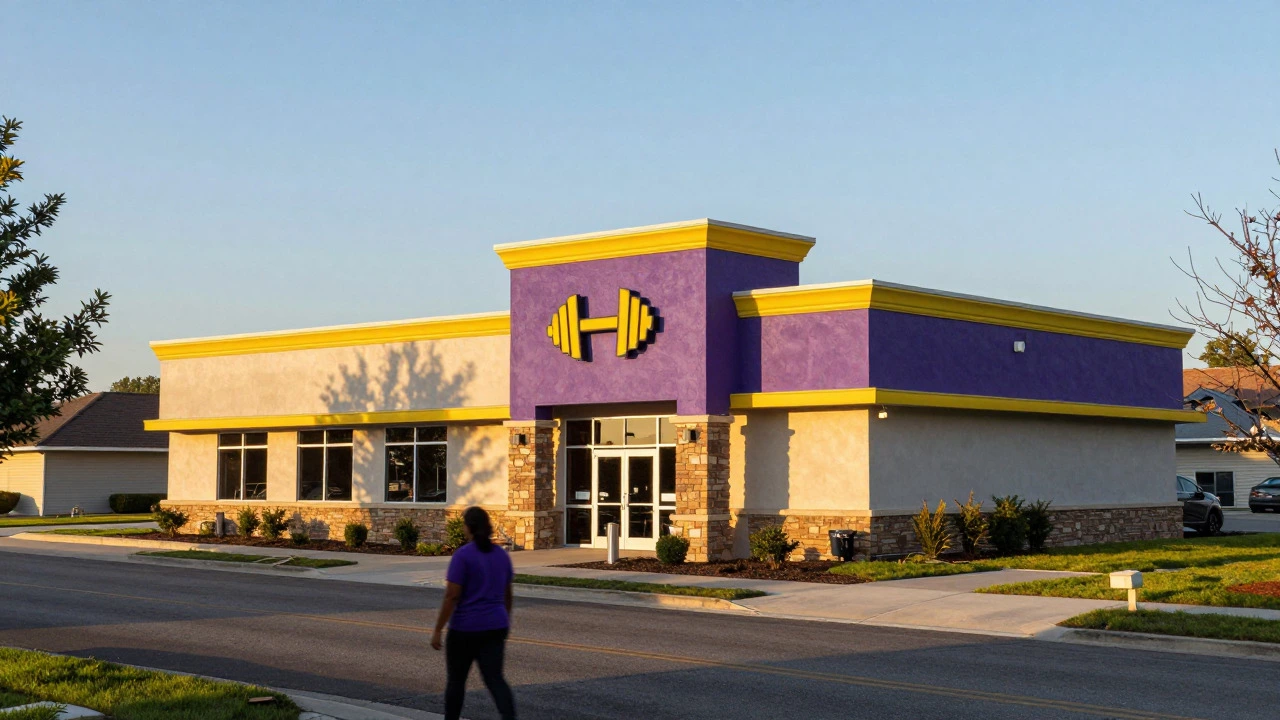
You walk down the street, and there it is again. Another purple building with a dumbbell logo. It’s everywhere. From small towns in Ohio to busy suburbs in California, Planet Fitness has become the most visible face of American fitness. But does being the most visible make it the largest? When you ask what the biggest gym chain in the United States is, the answer isn't just about brand recognition; it's about raw numbers. As of 2026, Planet Fitness holds the title for the largest gym chain in the U.S., boasting over 2,500 locations across all 50 states.
This dominance didn't happen by accident. It happened because they figured out that most people don't want a hardcore bodybuilding dungeon. They want a place that feels safe, affordable, and open when they are free. If you are looking for a gym near you, chances are high that a Planet Fitness is within a five-mile radius. But before you swipe your card, you need to understand what makes this giant tick, how it compares to its rivals, and whether "largest" actually means "best" for your specific goals.
The Numbers Behind the Purple Brand
To understand why Planet Fitness sits at the top, we have to look at the scale. In the world of commercial fitness, size matters. It determines buying power, location availability, and operational efficiency. With more than 2,500 clubs, Planet Fitness operates on a franchise model that allows rapid expansion. This is significantly higher than its closest competitors. For context, LA Fitness, a major competitor, operates around 700 locations nationwide. Even Anytime Fitness, which has a massive global footprint, trails behind in the U.S. market with approximately 4,000 locations globally but fewer domestic branches compared to Planet's dense concentration in key markets.
The secret sauce? Accessibility. By keeping monthly dues low-often starting at $10 or $15 depending on the tier-they lowered the barrier to entry. Most Americans do not sign up for expensive contracts. They want flexibility. Planet Fitness offers month-to-month memberships without long-term lock-ins. This strategy created a massive member base, even if the retention rate fluctuates. The sheer volume of members keeps the lights on and the equipment stocked. It’s a numbers game, and they are winning it.
Who Are the Other Big Players?
While Planet Fitness leads in pure location count in the U.S., the landscape is crowded. You might be confused by other big names you see on the road. Let’s break down the competition to see where they stand.
| Gym Chain | Approx. U.S. Locations | Primary Model | Avg. Monthly Cost |
|---|---|---|---|
| Planet Fitness | 2,500+ | Budget / Franchise | $10 - $25 |
| Anytime Fitness | ~3,500 (Global) / ~2,800 (US) | 24/7 Access / Franchise | $30 - $50 |
| LA Fitness | ~700 | Full-Service / Corporate | $30 - $40 |
| Gold's Gym | ~600 | Traditional / Franchise | $30 - $60 |
| 24 Hour Fitness | ~300 | Regional / Corporate | $30 - $50 |
Note that Anytime Fitness often gets mistaken for the leader due to its global presence. However, in the strict context of U.S. domestic density and brand uniformity, Planet Fitness maintains the edge in visibility and new club openings per quarter. LA Fitness and Gold's Gym offer more traditional amenities like pools and group classes, but they lack the geographic saturation of the budget chains.
The "Judgement Free Zone" Strategy
Why did this model work? It works because it targets the majority, not the elite. The fitness industry used to cater to athletes and bodybuilders. Equipment was heavy, intimidating, and required knowledge to use safely. Planet Fitness flipped this script. They branded themselves as the "Judgement Free Zone."
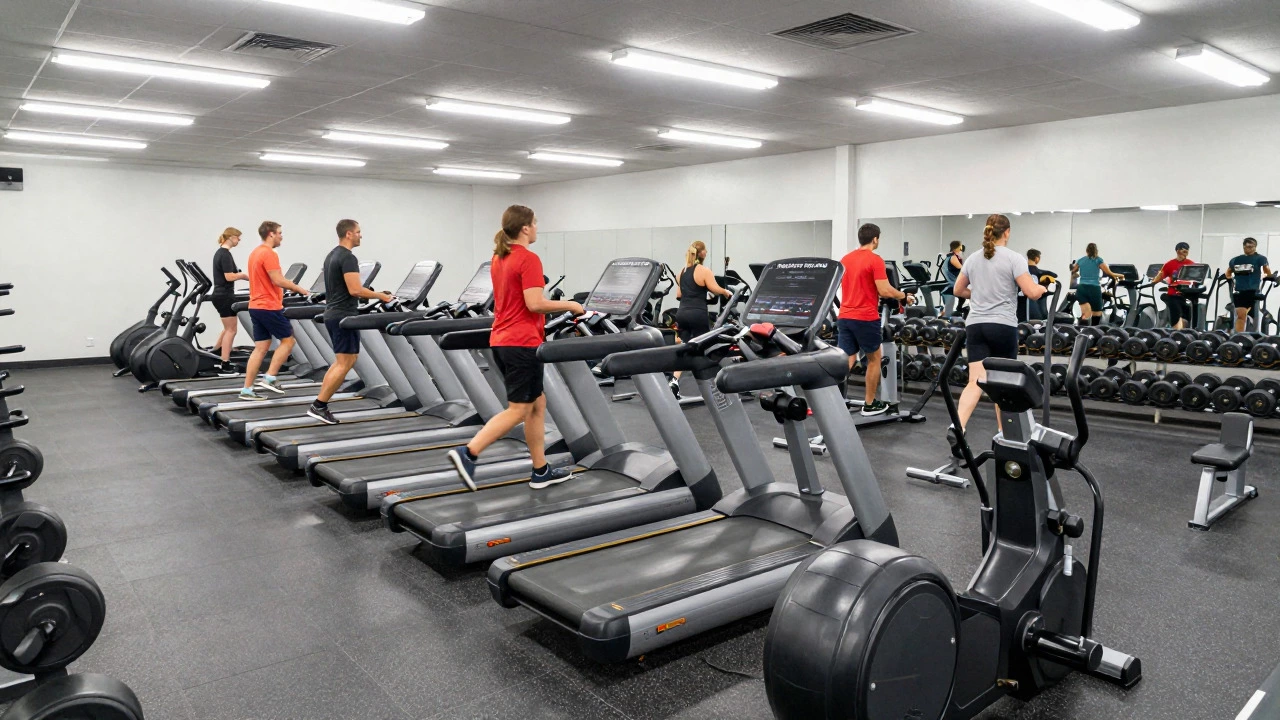
This wasn't just marketing fluff; it dictated their business operations. No deadlift platforms. No squat racks. Instead, you get rows of cardio machines, light dumbbells (usually capping at 75 pounds), and plenty of mirrors. This setup appeals to casual exercisers who want to burn calories, stretch, or maintain general health without feeling scrutinized by hardcore lifters. By removing the "intimidating" elements, they opened the doors to millions of people who previously avoided gyms entirely.
Critics call it "McDonald's of gyms," implying it's fast food for fitness. Supporters argue it's democratizing access. Both sides agree on one thing: it changed who goes to the gym. The average member is no longer someone trying to compete in a powerlifting meet. It's someone trying to lose ten pounds, manage stress, or stay active after work.
Pros and Cons of Joining the Largest Chain
If you are considering joining because it's the biggest option nearby, weigh these factors carefully. Size brings convenience, but also limitations.
- Convenience: With thousands of locations, you can travel across the country and still access a club. Their "Black Card" membership allows unlimited guest privileges and access to any location.
- Cost: It remains one of the cheapest options available. For students or those on a tight budget, it's hard to beat the price point.
- Hours: Many locations are open 24/7, fitting into irregular work schedules.
- Limited Equipment: If you need heavy free weights, Olympic lifting platforms, or specialized strength equipment, you will be disappointed. The lack of squat racks is a dealbreaker for serious strength trainers.
- Crowds: Because it is cheap and accessible, peak hours (early morning and late afternoon) can be packed. Finding an empty treadmill can sometimes require patience.
- Hidden Fees: While the monthly fee is low, initiation fees, annual maintenance fees (usually around $49), and upgrade costs can add up quickly.
Is "Largest" Right for You?
Being the largest doesn't mean it's the best fit for every individual. Your choice should depend on your fitness goals and personality type.
If you are a beginner, someone returning to exercise after a long break, or primarily interested in cardio and light resistance training, Planet Fitness is likely a great match. The environment is supportive, the staff is generally friendly, and the cost won't break the bank. You can build a habit without financial pressure.
However, if you are an intermediate or advanced lifter, you will likely outgrow the facility. You might find yourself frustrated by the lack of heavy iron or the "lunk alarm" (a siren that sounds if you drop weights too loudly). In this case, a smaller independent gym, a CrossFit box, or a full-service club like LA Fitness might serve you better, despite the higher price tag.
The Future of Gym Chains in America
The fitness industry is shifting. Post-pandemic, Americans value flexibility and hybrid models. They want digital integration, app-based tracking, and home-workout support alongside physical locations. Planet Fitness has adapted by improving its mobile app and offering virtual content, but the core product remains the physical club.
Competitors are also evolving. Boutique studios focused on specific activities like cycling, yoga, or HIIT are stealing market share from big boxes. Yet, the demand for a general-purpose, low-cost gym remains strong. As long as affordability is a primary concern for consumers, the largest chain will continue to expand. We expect to see further consolidation in the industry, with larger players acquiring smaller regional chains to increase their footprint.
In 2026, the trend is toward personalization. Even large chains are using data to tailor experiences. Expect more targeted promotions, personalized workout suggestions via apps, and dynamic pricing models. But for now, the purple logo remains the king of quantity.
What is the largest gym chain in the US by number of locations?
As of 2026, Planet Fitness is the largest gym chain in the United States, with over 2,500 locations nationwide. Its franchise model and low-cost structure have allowed it to dominate the market geographically.
How does Planet Fitness compare to Anytime Fitness?
Both are massive franchises, but Planet Fitness typically has more locations within the U.S. domestic market. Anytime Fitness has a larger global presence. Planet Fitness focuses on a budget-friendly, casual atmosphere, while Anytime Fitness emphasizes 24/7 access and a slightly more serious fitness environment, usually at a higher price point.
Does Planet Fitness have squat racks?
Generally, no. Planet Fitness intentionally omits squat racks and deadlift platforms to maintain its "Judgement Free Zone" ethos, catering to casual users rather than powerlifters. Some newer or renovated locations may have limited functional training areas, but traditional heavy lifting equipment is rare.
What are the hidden costs of a Planet Fitness membership?
While the monthly fee is low ($10-$25), members often encounter an initiation fee (which varies by location and promotion), an annual fee of approximately $49 charged once a year, and potential costs for upgrading to the Black Card tier. Always read the fine print during sign-up.
Is Planet Fitness good for beginners?
Yes, it is widely considered excellent for beginners. The non-intimidating environment, abundance of cardio machines, and light dumbbells make it easy for newcomers to start exercising without feeling overwhelmed by complex equipment or intense atmospheres.
Can I use my Planet Fitness membership at any location?
It depends on your membership tier. The basic $10/month membership is usually restricted to your home club. The $25/month "Black Card" membership allows unlimited access to all Planet Fitness locations nationwide, plus guest privileges.