
7-Day Belly Fat & Bloat Reality Calculator
Enter your current stats to see what is biologically possible in one week versus marketing hype.
Lifestyle Factors:
Your 7-Day Forecast
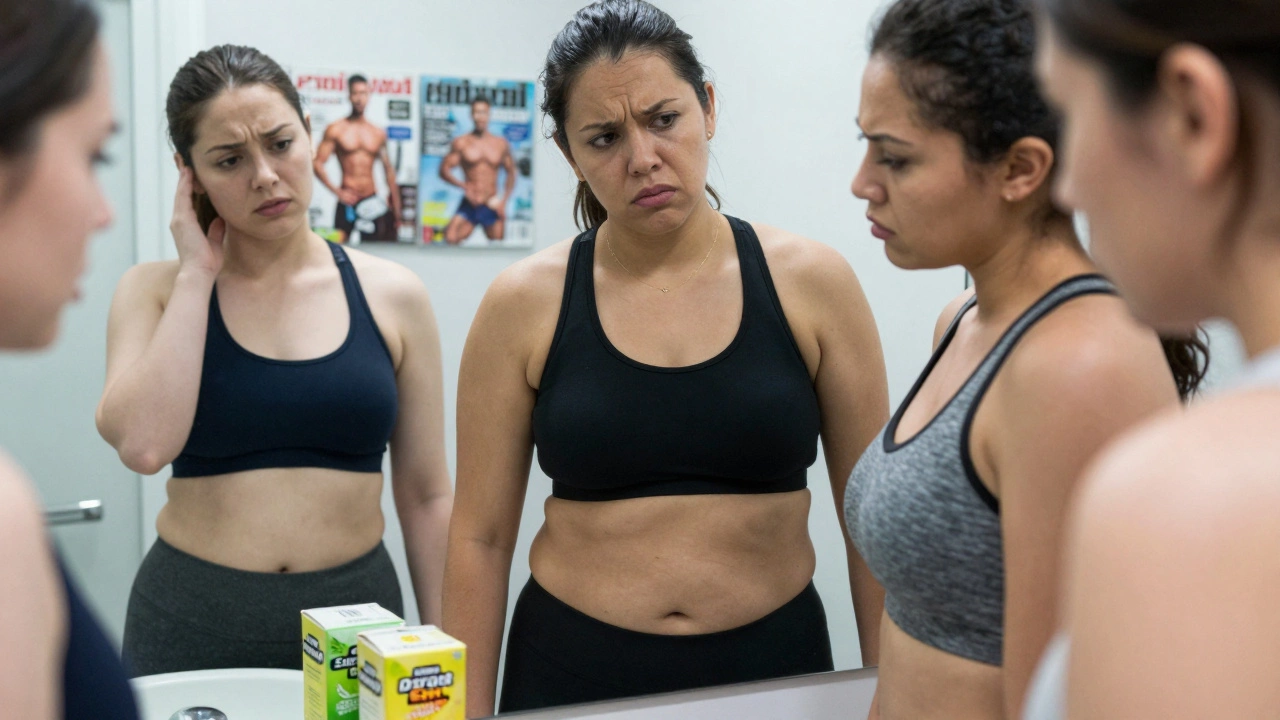
You want to look good by next weekend. Maybe you have a wedding, a reunion, or just a swimsuit fitting that’s making you anxious. The internet is full of promises claiming you can melt away stubborn belly fat in just one week. It sounds like a dream. But before you sign up for another detox tea or start doing five hundred crunches a day, we need to talk about what your body can actually do.
The short answer is no. You cannot spot-reduce fat from your stomach in seven days. Biology doesn’t work that way. However, you *can* significantly reduce bloating, flush out excess water weight, and kickstart a metabolic shift that makes your midsection look flatter and tighter. Let’s separate the marketing hype from the physiological reality so you don’t waste time on things that don’t work.
The Science Behind Spot Reduction Myths
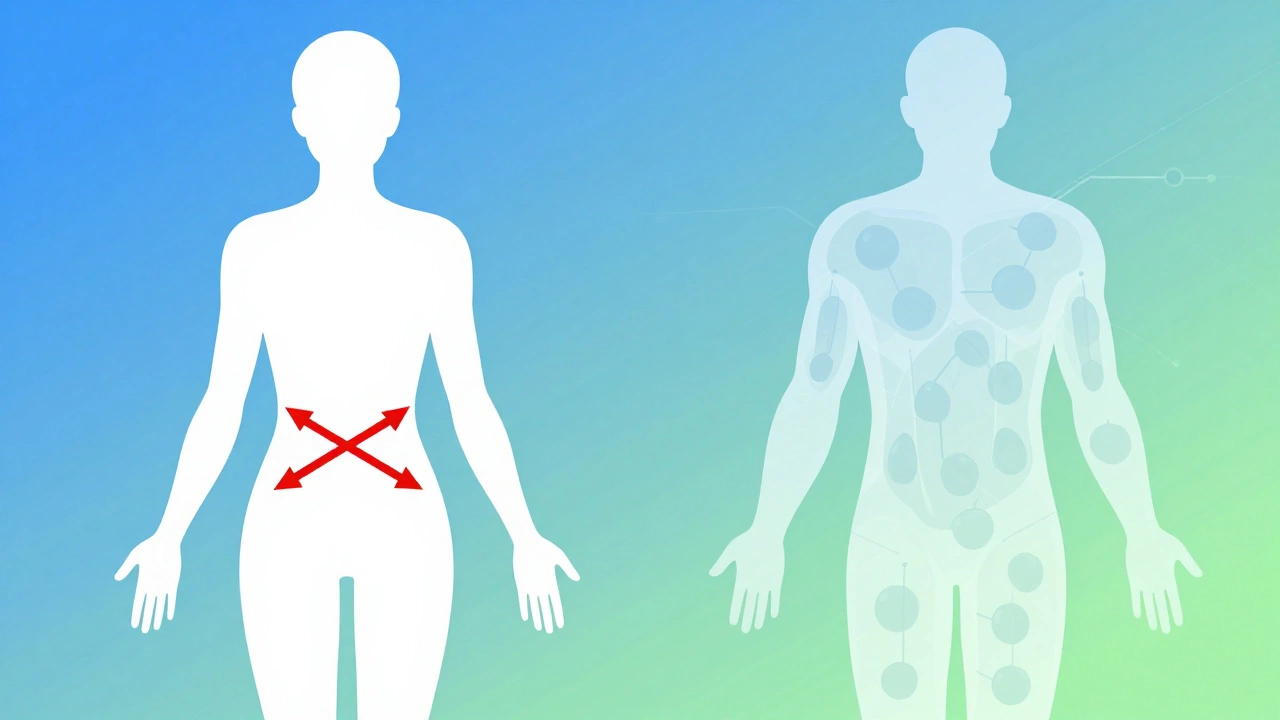
First, let’s kill the biggest myth in fitness: spot reduction. This is the idea that exercising a specific body part burns fat from that exact area. If you do sit-ups, you burn belly fat. If you do arm circles, you burn arm fat. It feels logical, but it’s biologically impossible.
When your body needs energy, it pulls fatty acids from fat cells all over your body, not just the ones near your working muscles. Where you lose fat first is determined by genetics, hormones, and sex. For most people, the belly is often the last place fat leaves and the first place it returns. This is due to visceral fat, which sits deep inside your abdomen around your organs. Unlike subcutaneous fat (the pinchable kind under your skin), visceral fat is metabolically active and tightly held onto by cortisol, the stress hormone.
In a seven-day window, significant fat loss-meaning the actual breakdown of adipose tissue-is minimal. A safe, sustainable rate of fat loss is about 0.5 to 1 pound per week. To lose one pound of pure fat, you need a deficit of roughly 3,500 calories. Trying to create that huge deficit in a week usually leads to muscle loss, water depletion, and a crash in metabolism, not a sleeker waistline.
What Actually Changes in 7 Days?
If you can’t lose much actual fat, why do some people see dramatic changes in their mirror after a week? It’s mostly water weight and gut content. Here is what happens when you clean up your diet and move more for seven days:
- Glycogen Depletion: Your muscles store carbohydrates as glycogen. Each gram of glycogen holds about three grams of water. When you lower carb intake slightly, you burn through glycogen stores, releasing that water. This can drop 2-4 pounds quickly.
- Reduced Inflammation: Processed foods, alcohol, and high sodium cause systemic inflammation. Cutting these out reduces fluid retention, especially in the face and midsection.
- Digestive Efficiency: Eating more fiber and drinking more water moves food through your system faster. Less food sitting in your intestines means less bloating and a visibly flatter stomach.
This isn’t “fat loss” in the permanent sense, but it is a visual improvement. Your clothes will fit better. Your scale might go down. And if you pair this with consistent exercise, you lay the groundwork for real fat loss to follow.
The 7-Day Home Workout Plan for Core Engagement
Since we’re focusing on home workouts, you don’t need a gym membership. You need intensity. Cardio alone won’t shape your core; you need to engage the deep abdominal muscles while keeping your heart rate up to maximize calorie burn. This plan combines HIIT (High-Intensity Interval Training) with targeted core stability work.
Do this routine every day for seven days. Rest for 60 seconds between circuits. Aim for 3-4 rounds of each circuit.
Circuit A: Full Body Burn
- Jumping Jacks: 45 seconds. Get the blood flowing.
- Squat Thrusts: 45 seconds. Drop into a plank, jump feet forward, squat, stand. Repeat.
- Mountain Climbers: 45 seconds. Keep hips low, drive knees to chest rapidly.
- Plank Hold: 45 seconds. Engage your core, keep back straight. This builds endurance in the transverse abdominis, your body’s natural corset.
Circuit B: Lower Body & Obliques
- Lateral Lunges: 45 seconds total (22 seconds each side). Targets inner thighs and glutes.
- Bicycle Crunches: 45 seconds. Slow and controlled. Elbow to opposite knee. This hits the rectus abdominis and obliques.
- Glute Bridges: 45 seconds. Squeeze at the top. A strong posterior chain improves posture, which instantly makes your waist look smaller.
- Side Plank: 30 seconds per side. Focus on lifting your hips high. Don’t let them sag.
Consistency is key here. Doing this daily keeps your metabolism elevated through EPOC (Excess Post-exercise Oxygen Consumption), meaning you burn calories even after the workout ends.
Nutrition Rules for a Flatter Stomach
You can’t out-train a bad diet. In fact, nutrition accounts for about 80% of visible results in a short timeframe. For these seven days, you need to be strict. Not forever, but for this week.
Eliminate Sodium Spikes: Salt holds water. Avoid processed meats, canned soups, fast food, and salty snacks. Cook with herbs and spices instead. This alone can reduce bloat by several inches.
Prioritize Protein: Eat lean protein at every meal-chicken breast, fish, tofu, eggs, or Greek yogurt. Protein has a high thermic effect, meaning your body burns more calories digesting it than carbs or fats. It also preserves muscle mass while you’re in a calorie deficit.
Choose Low-Glycemic Carbs: Swap white bread, pasta, and sugar for vegetables, berries, and quinoa. These foods provide fiber without spiking insulin. High insulin levels signal your body to store fat, particularly in the abdominal area.
Hydrate Aggressively: It sounds counterintuitive, but drinking more water helps you lose water weight. Aim for 3 liters a day. Water aids digestion, prevents false hunger signals, and helps flush out toxins.
Limit Alcohol Completely: Alcohol stops fat burning immediately. Your liver prioritizes breaking down alcohol over burning fat. Plus, alcohol causes dehydration and bloating. For seven days, swap wine or beer for sparkling water with lemon.

Sleep and Stress: The Hidden Belly Fat Killers
You might be eating right and working out hard, but if you’re sleeping four hours a night, you’re fighting against your own biology. Sleep deprivation increases ghrelin (the hunger hormone) and decreases leptin (the satiety hormone). You’ll crave sugary, fatty foods and feel hungrier than usual.
More importantly, lack of sleep raises cortisol. Chronic high cortisol directly promotes the storage of visceral fat in the belly. During your 7-day challenge, aim for 7-9 hours of quality sleep. Create a dark, cool environment. No screens an hour before bed. This isn’t just rest; it’s active recovery that supports fat loss.
Stress management is equally crucial. If you’re stressed, your body holds onto belly fat as a survival mechanism. Try ten minutes of deep breathing or meditation daily. It lowers cortisol and helps you stay consistent with your goals.
Tracking Progress Beyond the Scale
Don’t rely solely on the bathroom scale. It’s a liar, especially in the first week. Muscle weighs more than fat by volume, and water fluctuations can mask true progress. Instead, use these methods:
- Tape Measure: Measure your waist at the navel level. Even if the scale doesn’t move, inches off your waist are a win.
- Progress Photos: Take photos in the same lighting and outfit on Day 1 and Day 7. Visual changes are often clearer than numbers.
- Clothing Fit: How do your jeans feel? Are they looser around the button? That’s real progress.
- Energy Levels: Do you feel lighter, more energetic, and less bloated? These are signs your body is responding positively.
Remember, the goal of this 7-day sprint is to break bad habits and show yourself what’s possible. It’s a jumpstart, not a destination. Sustainable fat loss happens over months, not days. But starting with a focused, intense week can build the momentum you need for long-term success.
Can I lose 5 pounds of belly fat in 7 days?
No, losing 5 pounds of pure fat in one week is physically unrealistic and potentially dangerous. To lose 5 pounds of fat, you would need a calorie deficit of 17,500 calories, which means starving yourself or exercising excessively. Any weight loss seen in this timeframe is primarily water weight, glycogen depletion, and reduced digestive contents. While the scale may drop, it will likely rebound once normal eating resumes.
Does walking help reduce belly fat?
Yes, walking is an effective tool for overall fat loss, including belly fat. It burns calories without stressing the body too much, which helps keep cortisol levels low. Aim for 10,000 steps a day or a brisk 30-minute walk daily. While it’s not as intense as HIIT, its consistency makes it a powerful ally in creating the sustained calorie deficit needed for long-term fat loss.
Are ab exercises enough to get rid of love handles?
No, ab exercises alone will not eliminate love handles. Love handles are made of subcutaneous fat stored on the sides of your torso. As mentioned earlier, spot reduction is a myth. You need a combination of full-body cardio to burn calories, strength training to boost metabolism, and a calorie-controlled diet to lose fat from your entire body, including your sides.
Why am I bloated even though I’m exercising?
Bloating during a fitness routine can happen for several reasons. You might be swallowing air while eating quickly or drinking carbonated beverages. High-fiber foods, while healthy, can cause temporary bloating if you increase intake too suddenly. Additionally, muscle soreness and inflammation from new workouts can cause fluid retention. Ensure you’re drinking enough water and consider reducing salt and gas-producing foods like beans and cruciferous vegetables temporarily.
Is it safe to do HIIT every day for a week?
For most healthy individuals, doing moderate-intensity HIIT for seven consecutive days is safe, provided you listen to your body. However, it’s important to vary the intensity and focus on different muscle groups to prevent overuse injuries. If you feel joint pain, excessive fatigue, or dizziness, take a rest day. Recovery is part of the process. Incorporating active recovery like walking or yoga can help maintain movement without adding stress.
What foods should I avoid to reduce belly bloat?
To minimize belly bloat, avoid high-sodium foods like chips, canned soups, and deli meats. Limit artificial sweeteners found in diet sodas and sugar-free candies, as they can disrupt gut bacteria. Reduce intake of gas-producing vegetables like broccoli, cabbage, and onions if you’re sensitive to them. Also, cut back on refined sugars and alcohol, both of which contribute to inflammation and water retention.
How does cortisol affect belly fat specifically?
Cortisol is a stress hormone released by your adrenal glands. When cortisol levels are chronically high, your body prioritizes storing fat in the abdominal area, particularly as visceral fat. This type of fat is metabolically active and linked to various health issues. Managing stress through sleep, meditation, and balanced exercise helps regulate cortisol, making it easier to lose belly fat over time.
Will fasting help me lose belly fat faster?
Intermittent fasting can be an effective tool for weight loss by restricting your eating window, which naturally reduces calorie intake. Some studies suggest it may improve insulin sensitivity and promote fat oxidation. However, it’s not a magic bullet. Success depends on what you eat during your feeding window. If you consume high-calorie, processed foods, fasting won’t yield results. Always consult a healthcare provider before starting extreme fasting protocols.