

Cardio Efficiency & Fat Loss Strategy Calculator
Enter your data to see how optimized your routine is for sustainable fat loss.
Recommended Action Plan
Based on your inputs, we suggest specific adjustments to improve results.
Fill out the form on the left to analyze your current cardio-to-fat-loss ratio.
You’re grinding away on the treadmill every morning, sweating through your shirt, watching the calorie counter tick up. You expect the scale to drop. But it doesn’t. Or worse, you look softer than before despite losing weight. It’s frustrating, and it’s a common trap. Many people believe that cardio is the golden ticket to fat loss. The reality is more nuanced. While cardio burns calories in the moment, relying solely on long-duration, low-intensity exercise can actually sabotage your long-term results.
This isn’t about saying running is bad. It’s about understanding why doing too much of it, without the right strategy, might be working against you. If you’ve hit a plateau or feel like you’re eating everything in sight just to keep energy levels up, this guide breaks down the physiological reasons why excessive cardio can hinder weight loss and what you should do instead.
The Myth of "Calories In, Calories Out" with Cardio
We all know the basic math: burn more than you eat, lose weight. So, if a 45-minute run burns 400 calories, shouldn’t you lose weight faster by running an hour? Not necessarily. Here is where human biology gets tricky. Your body is smart. It tries to survive. When you increase your activity level drastically, especially through repetitive endurance work, your body adapts.
First, there’s the issue of compensation. After a long cardio session, many people experience a spike in hunger hormones like ghrelin. You tell yourself, "I earned this bagel." Suddenly, those 400 burned calories are gone, plus another 300 from the extra snack. This is known as compensatory eating. You didn’t fail because you lacked willpower; you failed because the physiological drive to replenish energy stores was stronger than the calorie deficit you created.
Second, non-exercise activity thermogenesis (NEAT) often drops. NEAT is the energy you spend fidgeting, walking around the house, standing, and moving during daily life. If you exhaust yourself on a 60-minute bike ride, you’re likely to sit on the couch for the rest of the day. That reduction in spontaneous movement can negate the calories burned during the workout itself. Studies have shown that total daily energy expenditure sometimes plateaus even when exercise volume increases, because the body unconsciously reduces other movements to save energy.
Muscle Loss and Metabolic Slowdown
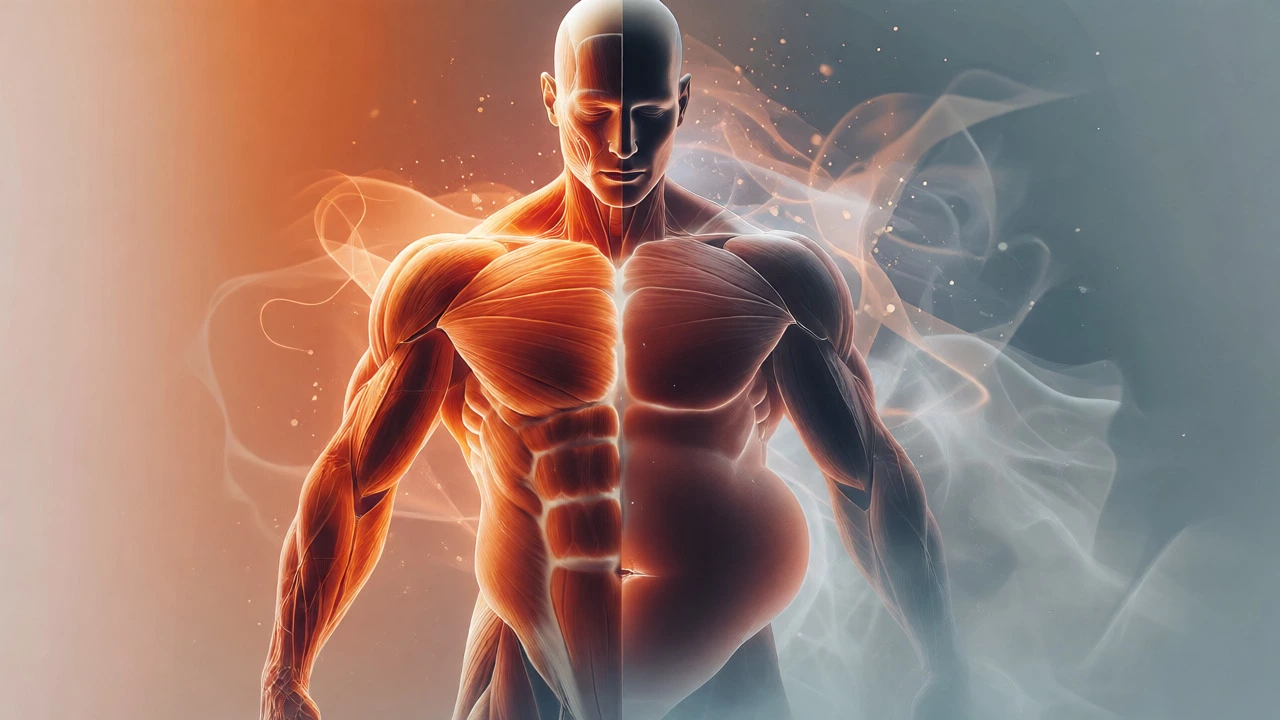
This is the big one. Cardio, particularly steady-state aerobic exercise, does not stimulate muscle growth. In fact, if done excessively without adequate protein intake and strength training stimulus, it can lead to muscle catabolism. Your body breaks down muscle tissue for fuel when glycogen stores are depleted during long sessions.
Why does this matter for weight loss? Because muscle is metabolically active tissue. A kilogram of muscle burns more calories at rest than a kilogram of fat. If you lose muscle mass while dieting, your basal metabolic rate (BMR) drops. You become a smaller version of yourself, but with a slower engine. This makes maintaining weight loss harder and rebounding easier.
| Training Type | Primary Fuel Source | Muscle Preservation | EPOC Effect* |
|---|---|---|---|
| Steady-State Cardio | Fat & Glycogen mix | Low to Negative | Minimal |
| Strength Training | Glycogen | High (Preserves/Grows) | Moderate |
| HIIT | Glycogen dominant | Moderate to High | High |
Notice the difference in EPOC. With steady-state cardio, once you stop running, the calorie burn stops almost immediately. With high-intensity interval training (HIIT) or heavy lifting, your body continues to burn calories for hours as it repairs tissues and restores oxygen levels. This is called the "afterburn effect," and it’s a powerful tool for fat loss that traditional cardio lacks.
Cortisol and Stress Response
Exercise is a stressor. Short bursts of stress are good-they make you stronger. Chronic, unmanaged stress is bad. Long-duration cardio elevates cortisol, the primary stress hormone, for extended periods. For some individuals, especially those already stressed by work or lack of sleep, adding 45 minutes of jogging can push cortisol levels too high.
Chronically elevated cortisol has several negative effects on body composition:
- It promotes visceral fat storage, particularly around the midsection.
- It inhibits testosterone and growth hormone production, both crucial for muscle maintenance.
- It increases water retention, masking fat loss progress on the scale.
If you find yourself feeling wired but tired, holding onto belly fat despite being lean elsewhere, or suffering from poor sleep quality, excessive cardio might be spiking your cortisol unnecessarily. It’s not that cardio causes weight gain directly, but it creates a hormonal environment that makes fat loss inefficient.
The Adaptation Trap
Your body is an efficiency machine. If you jog 5 kilometers every day, your body eventually learns to do that task with less energy. Your heart becomes more efficient, your muscles use oxygen better, and your nervous system fires fewer motor units to achieve the same speed. This means the same 5k run that burned 300 calories in month one might only burn 200 calories in month six, assuming your weight hasn’t changed significantly.
To keep burning calories, you’d need to run further or faster. This leads to a vicious cycle: you run more, you get hungrier, you risk injury, and you potentially lose more muscle. This diminishing return is why many people stall out with cardio-only routines. They have to keep increasing volume just to maintain the same calorie deficit, which isn’t sustainable long-term.
What Works Better Than Endless Cardio?
Does this mean you should quit cardio? Absolutely not. Cardio is excellent for heart health, mental clarity, and endurance. The problem arises when it’s the primary driver of weight loss. To optimize fat loss, shift your focus.
Prioritize Strength Training: Build the engine first. Lifting weights signals your body to preserve muscle tissue. This keeps your metabolism high. Aim for compound movements like squats, deadlifts, and presses. These exercises recruit multiple muscle groups, leading to greater hormonal responses and higher calorie expenditure over time.
Use HIIT Strategically: Instead of 45 minutes of jogging, try 15-20 minutes of High-Intensity Interval Training. Alternate between 30 seconds of near-max effort and 90 seconds of rest. This style preserves muscle better than steady-state cardio and triggers a significant afterburn. Do this 2-3 times a week, not every day.
Walk More (Increase NEAT): Walking is low-stress, doesn’t spike cortisol, and doesn’t trigger intense hunger responses. Aim for 8,000-10,000 steps a day. This consistent, low-level activity adds up significantly without the wear and tear of high-impact cardio.
Nail Your Nutrition: No amount of cardio outruns a bad diet. Focus on protein intake to protect muscle. A general rule of thumb is 1.6 to 2.2 grams of protein per kilogram of body weight. This supports satiety and muscle repair.

When Cardio IS Good for Weight Loss
Context matters. Cardio is beneficial if:
- You are new to exercise and need to build a base level of fitness.
- You enjoy it and it helps manage stress (for some, running is meditative).
- You use it as a tool for heart health, not just calorie burning.
- You combine it with strength training and proper nutrition.
The key is moderation. 150 minutes of moderate cardio per week is recommended by health guidelines for general wellness. For weight loss, exceeding this significantly without adjusting nutrition or resistance training often yields diminishing returns.
Practical Action Plan
If you’re stuck in the cardio trap, here’s how to pivot:
- Audit Your Routine: Are you doing cardio 5+ days a week? Cut it back to 2-3 days.
- Add Resistance: Replace two cardio sessions with full-body strength workouts. Use free weights or machines.
- Track Steps, Not Just Workouts: Wear a tracker. Focus on hitting daily step goals rather than just gym time.
- Monitor Hunger: If you’re ravenous after cardio, reduce the duration or intensity. Switch to lower-intensity activities like cycling or swimming if impact is an issue.
- Check Recovery: Ensure you’re sleeping 7-9 hours. Poor recovery exacerbates the negative effects of excessive cardio.
Remember, weight loss is primarily a kitchen game supported by the gym. Cardio is a side dish, not the main course. By shifting your emphasis to muscle preservation and metabolic efficiency, you’ll likely see better, more sustainable results.
Is cardio useless for weight loss?
No, cardio is not useless. It contributes to the calorie deficit and improves cardiovascular health. However, it is less efficient for long-term fat loss compared to strength training because it does not boost resting metabolic rate and can lead to muscle loss if overdone.
How much cardio should I do for weight loss?
For most people, 150 minutes of moderate-intensity cardio per week is sufficient for health. For weight loss, prioritize strength training and add 2-3 sessions of HIIT or steady-state cardio as needed, ensuring you don't compromise recovery or nutrition.
Does cardio cause muscle loss?
Excessive steady-state cardio, especially without adequate protein intake or strength training, can lead to muscle catabolism. The body may break down muscle tissue for energy during prolonged aerobic activity, which lowers metabolic rate.
Is HIIT better than regular cardio for weight loss?
HIIT is generally more time-efficient and can preserve muscle better than long-duration cardio. It also creates a higher Excess Post-exercise Oxygen Consumption (EPOC), meaning you burn more calories after the workout ends.
Why am I gaining weight when I start cardio?
Initial weight gain can be due to water retention caused by inflammation from new exercise stress, increased glycogen storage (which holds water), or compensatory eating. Give it a few weeks for your body to adapt before judging results.