

HIIT Belly Fat Burn Timer
Key Takeaways for Fat Loss
- High-Intensity Interval Training (HIIT) is the most efficient way to spike calorie burn.
- You cannot target fat loss in one specific area; it happens globally across the body.
- Combining explosive movements with short recovery periods creates an "afterburn" effect.
- Consistency and a caloric deficit are non-negotiable for visible belly fat loss.
Why HIIT Wins the Belly Fat Battle
When we talk about the most effective way to burn fat, we have to look at HIIT is a training protocol involving short bursts of intense exercise alternated with low-intensity recovery periods. Also known as High-Intensity Interval Training, this method is a powerhouse for fat loss because it pushes your heart rate to 80-95% of its maximum. Unlike a steady jog, where your body reaches a plateau, HIIT keeps your metabolism guessing.
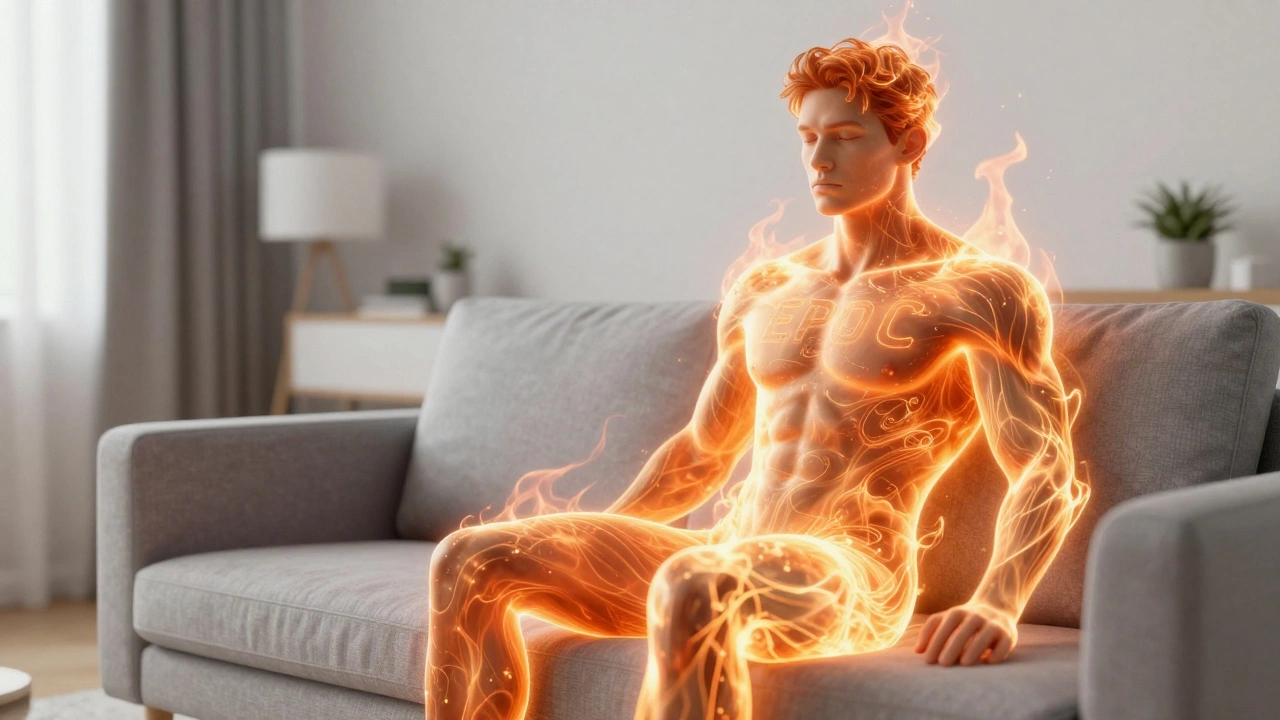
The real magic happens after you leave the gym. It is called EPOC, or Excess Post-exercise Oxygen Consumption. Essentially, your body works overtime to restore oxygen levels and repair muscle tissue, meaning you continue burning calories while sitting on your couch hours later. A study published in the Journal of Obesity showed that HIIT can reduce visceral fat-the dangerous fat stored around your organs-more effectively than moderate-intensity continuous training.
The Heavy Hitters: Exercises That Actually Work
If you want to maximize the burn, you need movements that recruit multiple muscle groups. The more muscle you engage, the more fuel your body requires. Forget the sit-ups; focus on these high-impact moves.
Burpees is a full-body exercise that combines a squat, a jump, and a push-up into one fluid motion. They are brutal because they demand huge amounts of energy from both your upper and lower body. If you can do 10 burpees in 30 seconds, your heart rate will skyrocket, triggering that fat-burning mode instantly.
Then there are Mountain Climbers, which are a dynamic plank variation where you drive your knees toward your chest in a running motion. This move is a double win: it keeps your core under constant tension while providing the cardiovascular strain needed to torch calories. Imagine you are sprinting up a hill, but your hands are on the floor.
Don't overlook Kettlebell Swings. This move is an explosive hip hinge that targets the posterior chain-your glutes, hamstrings, and lower back. Because it involves a heavy weight moving at high speed, it creates a massive metabolic disturbance. It is far more effective at burning abdominal fat than traditional abdominal exercises because it treats the core as a stabilizer for a whole-body power move.
| Exercise | Primary Target | Intensity Level | Metabolic Impact |
|---|---|---|---|
| Burpees | Full Body | Extreme | Very High |
| Mountain Climbers | Core & Cardio | High | High |
| Kettlebell Swings | Posterior Chain | High | High |
| Steady State Jogging | Heart/Lungs | Moderate | Low (Post-workout) |
How to Structure Your Workout for Maximum Loss
Doing these exercises randomly isn't enough. You need a system. The most effective way to burn belly fat is by using a Tabata Protocol, which is a form of interval training consisting of 20 seconds of all-out effort followed by 10 seconds of rest. This cycle repeats eight times for a total of four minutes.
If Tabata feels too intense, try the 1:2 ratio. Sprint for 30 seconds, then walk for 60 seconds. This allows your heart rate to drop slightly before you spike it again. The goal is to create a "wave" effect with your heart rate. If you stay in the middle ground, you aren't pushing your body hard enough to trigger the significant fat loss associated with Metabolic Conditioning, a process that improves the efficiency of your energy systems.
Here is a sample circuit you can try today:
- Burpees: 30 seconds (Max effort)
- Rest: 30 seconds
- Mountain Climbers: 30 seconds (Max effort)
- Rest: 30 seconds
- Kettlebell Swings (or Jump Squats): 30 seconds (Max effort)
- Rest: 30 seconds
- Plank Jacks: 30 seconds (Max effort)
- Rest: 60 seconds
Repeat this loop four times. By the end, you should be breathless. If you can talk comfortably during the "work" phase, you aren't working hard enough.

The Role of Visceral Fat and Hormones
Belly fat isn't just about calories; it is about hormones. Visceral Fat is the deep abdominal fat that wraps around organs and is highly metabolically active. This type of fat is often linked to high levels of Cortisol, the primary stress hormone. Here is the irony: if you over-train with HIIT every single day, your cortisol levels may actually spike too high, causing your body to hold onto belly fat as a survival mechanism.
To avoid this, you need to balance intensity with recovery. Incorporate Active Recovery-things like light walking or gentle yoga-on your off days. This keeps the blood flowing and helps clear lactic acid without stressing the endocrine system. Think of it as a cycle: shock the system with HIIT, then soothe the system with recovery.
Common Pitfalls That Stop Progress
Many people do the exercises but never see the abs. Why? Usually, it is because of a few common mistakes. First, the "reward meal." After a grueling HIIT session, it is easy to think you've earned a large pizza. A 20-minute workout might burn 300 calories, but a slice of pizza can easily be 400. You cannot out-train a bad diet.
Second is the lack of progressive overload. If you do the same 10 burpees every day for a year, your body will adapt. It becomes more efficient, which actually means you burn *fewer* calories doing the same move. You must increase the intensity-either by shortening the rest periods, increasing the weight of your kettlebell, or adding more reps. If it doesn't feel challenging, you aren't changing your body.
Finally, sleep is the unsung hero of fat loss. When you are sleep-deprived, your body produces more ghrelin (the hunger hormone) and less leptin (the fullness hormone). You'll find yourself craving sugar and carbs, which go straight to the midsection. Aim for 7-9 hours of quality sleep to let your muscles recover and your hormones reset.
Can I lose belly fat without doing HIIT?
Yes, you can. Fat loss is primarily driven by a caloric deficit. While HIIT is one of the fastest ways to burn calories and improve metabolic rate, steady-state cardio like walking or swimming, combined with strength training and a controlled diet, will also work. HIIT is simply a tool to get results faster if your schedule is tight.
How many times a week should I do these exercises?
Because HIIT is so demanding on the central nervous system, you should limit it to 2-3 times per week. Doing it every day often leads to burnout or injury. On the other days, focus on strength training or low-intensity movement to maintain a healthy balance of cortisol and growth hormones.
Are crunches useless for burning belly fat?
Crunches aren't useless, but they aren't fat burners. They strengthen the abdominal muscles underneath the fat. If you want those muscles to be visible, you need the HIIT and diet components to remove the layer of fat covering them. Think of crunches as the "sculpting" and HIIT as the "unveiling."
What is the best time of day to do HIIT for fat loss?
The best time is whenever you can be most consistent. Some people prefer "fasted cardio" in the morning to potentially target stored fat, but for most, the best results come from working out when energy levels are highest-often in the late afternoon. The most important factor is the intensity of the effort, not the clock.
Do I need equipment to start burning belly fat?
Not at all. Bodyweight exercises like burpees, mountain climbers, and high knees are incredibly effective. Once you hit a plateau, adding a kettlebell or dumbbells can help increase the resistance and push your metabolic rate even higher, but the basics are free and highly effective.
Next Steps for Your Journey
If you are just starting, don't jump into a 30-minute HIIT session. Your heart and joints need time to adapt. Start with a 10-minute circuit twice a week. As your stamina improves, increase the duration or shorten the rest periods. If you feel an unusual level of fatigue or insomnia, you might be overtraining; back off the intensity for a week and focus on walking.
Pair your workouts with a high-protein diet. Protein helps preserve lean muscle mass while you lose fat, ensuring that the weight you drop comes from your midsection and not your biceps. Keep a simple log of your reps and times. When you see that you can do 15 burpees in the time it used to take to do 10, you know your metabolism is shifting into a higher gear.