

Belly Fat Loss Strategy Calculator
Your Profile
Analysis Result
Fill out the profile to see if Morning or Evening workouts will yield better results for belly fat loss.
You’ve probably heard it all before: wake up at 5 AM to torch that stubborn belly fat, or hit the gym after work when your metabolism is primed. The fitness industry loves selling you a specific "magic hour" for workouts. But if you’re trying to lose visceral fat-the deep abdominal fat linked to heart disease and type 2 diabetes-timing is just one piece of a much larger puzzle. The truth is less about the clock on the wall and more about consistency, hormone regulation, and what you eat around your workout window.
Does the time of day I exercise actually affect belly fat loss?
Yes, but indirectly. Morning exercise can help regulate blood sugar and boost daily energy expenditure, while evening exercise may allow for higher intensity due to peak body temperature. However, the total caloric deficit and protein intake matter far more than the specific hour you train.
The Myth of Spot Reduction
Before we get into clocks and calendars, let’s clear up the biggest misconception in fitness: you cannot choose where your body burns fat first. This concept, known as spot reduction, is a myth. Doing hundreds of crunches won’t specifically melt the fat above your hips any more than shaking a water bottle will empty it from the bottom. Your body pulls energy from fat stores systemically based on genetics, hormones, and overall energy balance.
Visceral fat, the dangerous kind that wraps around your organs, is particularly responsive to overall metabolic health. It shrinks when you lower insulin resistance and maintain a consistent energy deficit. So, the "best" time to exercise is the time that helps you sustain these conditions long-term. For some, that’s early morning; for others, it’s late evening. Let’s look at the science behind both.
Morning Workouts: Metabolic Advantages
There is solid evidence suggesting that exercising in a fasted state, typically in the morning before breakfast, can enhance fat oxidation during the activity itself. When you haven’t eaten for 8-12 hours overnight, your glycogen (stored carbohydrate) levels are lower. Your body is forced to rely more heavily on free fatty acids for fuel.
Cortisol is a stress hormone that naturally peaks in the morning to help you wake up. While high cortisol is often demonized, this natural morning spike can actually aid in mobilizing fat cells for use as energy. A study published in the journal Cell Metabolism found that men who exercised in the morning had better blood sugar control throughout the day compared to those who exercised later. Better blood sugar control means less insulin spikes, which directly supports the reduction of visceral fat.
However, there’s a catch. Fasted cardio isn’t always sustainable. If you feel dizzy, weak, or unable to push hard, you might be under-fueling. And if you compensate by eating more later in the day because you’re starving, you’ll negate the calorie burn. The key is listening to your body. If morning workouts make you feel energized and focused, they might be your sweet spot.
Evening Workouts: Performance Peaks
If mornings aren’t your thing, don’t worry. Your body is physically strongest in the late afternoon and early evening. Core body temperature rises throughout the day, peaking between 4 PM and 6 PM. Warmer muscles are more flexible, stronger, and less prone to injury. This physiological advantage allows you to lift heavier weights or run faster intervals.
Higher intensity equals greater Excess Post-exercise Oxygen Consumption (EPOC). EPOC is the amount of oxygen consumed after exercise to return the body to its resting state. Essentially, you burn more calories for hours after your workout ends if the session was intense enough. Since evening workouts often allow for higher intensity due to physical readiness, they can create a significant metabolic boost.
Furthermore, evening exercise can serve as a powerful stress reliever. After a long day of work, hitting the gym helps lower accumulated psychological stress. Chronic stress elevates cortisol, which promotes fat storage in the abdominal area. By using exercise to manage stress, you’re attacking belly fat from a hormonal angle.
| Factor | Morning Workout | Evening Workout |
|---|---|---|
| Fat Oxidation During Exercise | Higher (especially if fasted) | Lower (relies more on glycogen) |
| Performance Intensity | Often lower due to stiffness | Higher due to peak body temp |
| Blood Sugar Control | Improved all-day sensitivity | Helps clear post-dinner glucose |
| Sleep Impact | Generally improves sleep quality | Can disrupt sleep if too close to bedtime |
| Consistency Factor | No schedule conflicts | Risk of skipping due to fatigue/work |
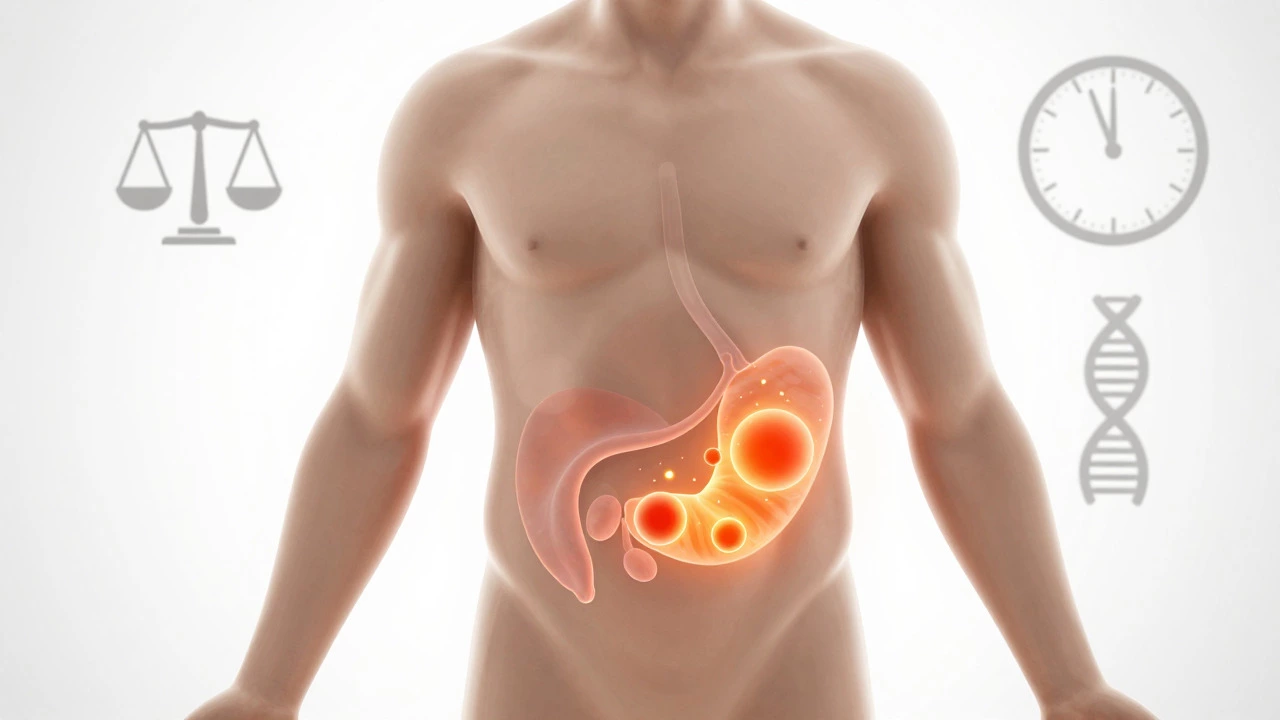
The Role of Circadian Rhythms
Your body operates on a 24-hour internal clock called the circadian rhythm. This rhythm dictates everything from hormone release to digestion efficiency. Disrupting this rhythm-by working out at erratic times or staying up late-can hinder fat loss. Consistency is king here. Training at the same time each day helps synchronize your biological clock, leading to better metabolic function.
Research indicates that people who are "morning types" tend to lose more weight and maintain it better than "night owls," not necessarily because of the exercise time, but because morning people often have more regular eating patterns and better sleep hygiene. If you’re a night owl forcing yourself to wake up at 5 AM, you might be sacrificing sleep, which is disastrous for fat loss. Sleep deprivation increases ghrelin (the hunger hormone) and decreases leptin (the fullness hormone), making you crave sugary, fatty foods.
Nutrition Timing Matters More Than Clock Time
Let’s be real: you can’t outrun a bad diet. The most critical factor in losing belly fat is your net calorie intake versus expenditure. However, when you eat relative to your workout can optimize results. If you exercise in the morning, consider a small pre-workout snack like a banana or a few almonds if you find fasted training too difficult. Post-workout, prioritize protein. Muscle tissue is metabolically active, meaning it burns more calories at rest than fat tissue. Building muscle through strength training raises your Basal Metabolic Rate (BMR).
If you train in the evening, avoid heavy meals immediately before working out to prevent digestive distress. Instead, have a balanced lunch with lean protein and complex carbs. Post-workout, keep dinner light but protein-rich to aid recovery without spiking insulin right before bed. High insulin levels during sleep can inhibit growth hormone release, which is crucial for fat burning.

Practical Steps to Find Your Best Time
So, how do you decide? Here is a simple framework to test what works for your biology and lifestyle:
- Test the Morning Window: Try waking up 30 minutes earlier for two weeks. Do a moderate-intensity workout (brisk walk, light jog, or yoga). Monitor your energy levels and appetite. Do you feel hungry all day? Or do you feel satisfied and focused?
- Test the Evening Window: For the next two weeks, shift your workout to after work. Aim for higher intensity (HIIT or weightlifting). Notice if you sleep better or worse. Does the adrenaline keep you awake until 2 AM?
- Track Visceral Indicators: Don’t just weigh yourself. Measure your waist circumference at the navel level. A reduction in waist size is a direct indicator of visceral fat loss, regardless of scale weight fluctuations.
- Prioritize Sleep: Whichever time you choose, ensure it doesn’t compromise your 7-9 hours of sleep. Poor sleep is a major driver of abdominal obesity.
The Verdict: Consistency Over Perfection
There is no single "best" time that applies to everyone. For some, the metabolic boost of morning fasted cardio is the key. For others, the performance gains of evening strength training yield better long-term muscle mass and calorie burn. The common denominator among successful fat losers is consistency. The best time to exercise is the time you will actually do it, day after day, week after week.
Focus on creating a routine that fits seamlessly into your life. If you’re a busy parent, maybe 15 minutes of HIIT in the morning before the kids wake up is realistic. If you work late shifts, an evening walk might be your only option. Both are valid. Both work. Just start moving, eat well, and give it time.
Is fasted cardio really better for belly fat?
Fasted cardio can increase fat oxidation during the workout, but studies show that total daily fat loss is similar whether you eat before or after. The benefit lies in improved insulin sensitivity for some individuals. If you tolerate it well, it’s a good strategy; if it makes you weak, eat a small snack first.
Will evening workouts ruin my sleep?
Not necessarily. Moderate exercise in the evening can improve sleep quality. However, high-intensity workouts within 2-3 hours of bedtime may raise core body temperature and adrenaline, making it harder to fall asleep. Finish intense sessions at least 3 hours before bed.
How long does it take to see belly fat loss?
With a consistent calorie deficit and regular exercise, most people begin to notice changes in waist circumference within 4-8 weeks. Visceral fat is often the first to go when metabolic health improves, so you might see measurement drops before significant scale weight changes.
What type of exercise burns the most belly fat?
A combination of strength training and cardiovascular exercise is most effective. Strength training builds muscle to boost metabolism, while cardio (like brisk walking, running, or cycling) creates a calorie deficit. HIIT (High-Intensity Interval Training) is particularly efficient for burning fat in short periods.
Does stress affect belly fat storage?
Yes. Chronic stress keeps cortisol levels elevated, which encourages the body to store fat in the abdominal area. Managing stress through exercise, meditation, or adequate sleep is crucial for reducing visceral fat.