
Protein Intake & Fat Loss Calculator
Aim to get 70-80% of this total from whole foods (chicken, fish, eggs, dairy) to ensure you get essential micronutrients and fiber.
Use the remaining 20-30% from protein powder (whey or plant-based) for convenience, especially post-workout or as a snack bridge.
| Source Type | Recommended % | Grams (Approx.) |
|---|---|---|
| Whole Foods Chicken, Fish, Eggs, Yogurt |
75% | -- g |
| Protein Powder Whey Isolate or Plant Blend |
25% | -- g |
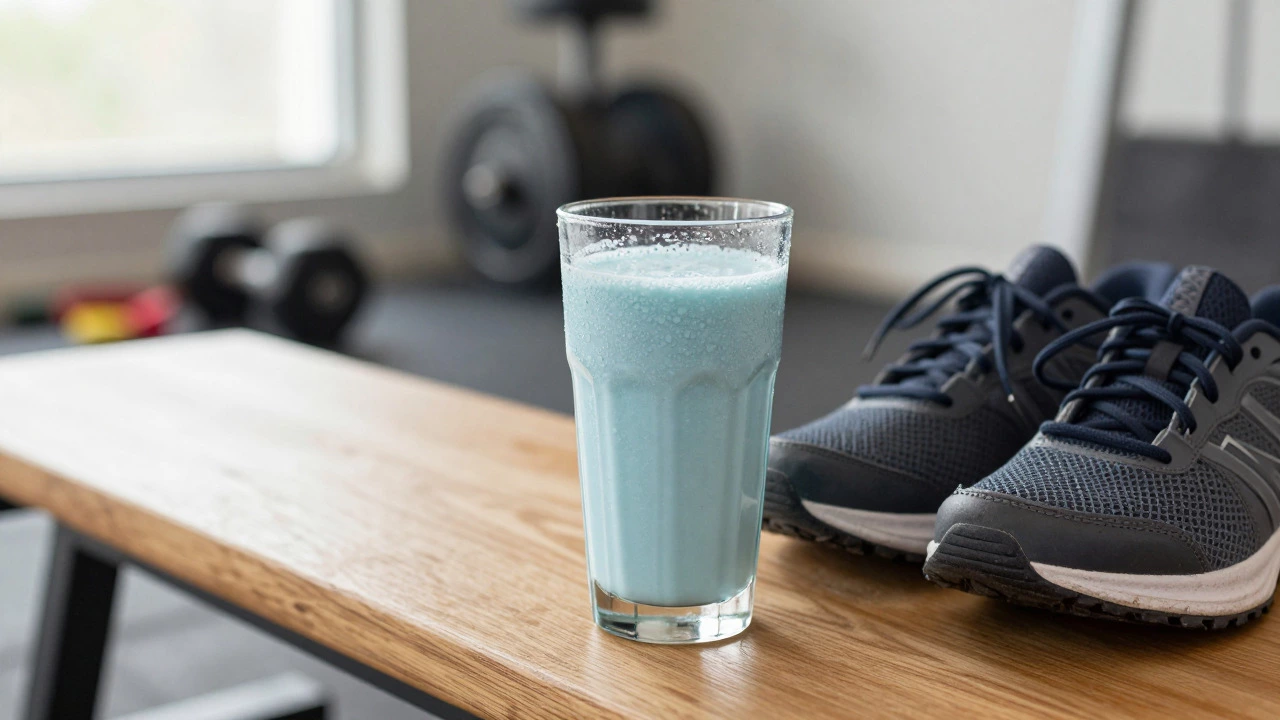
Let’s cut through the noise: does protein powder magically melt belly fat? No. But it might be the secret weapon you’re missing if your current diet leaves you hungry and your muscles feeling soft.
You’ve probably seen the gym bros chugging whey shakes after every set, looking shredded. You’ve also seen the skeptics saying it’s just expensive milk. So where is the truth? The reality is that protein powder doesn’t burn fat on its own. It works by changing how your body handles energy and tissue. If you’re eating too much, a shake won’t save you. If you’re eating too little, it could be saving your hard-earned muscle while you lose weight.
The Science of Spot Reduction (Or Lack Thereof)
First, we need to kill a myth: you cannot spot-reduce belly fat. Your body decides where to store and release fat based on genetics, hormones, and age. For most people, the abdominal area is one of the last places fat goes away. This means that no matter how many crunches you do or how much protein you drink, your body will pull energy from stores wherever it needs them first.
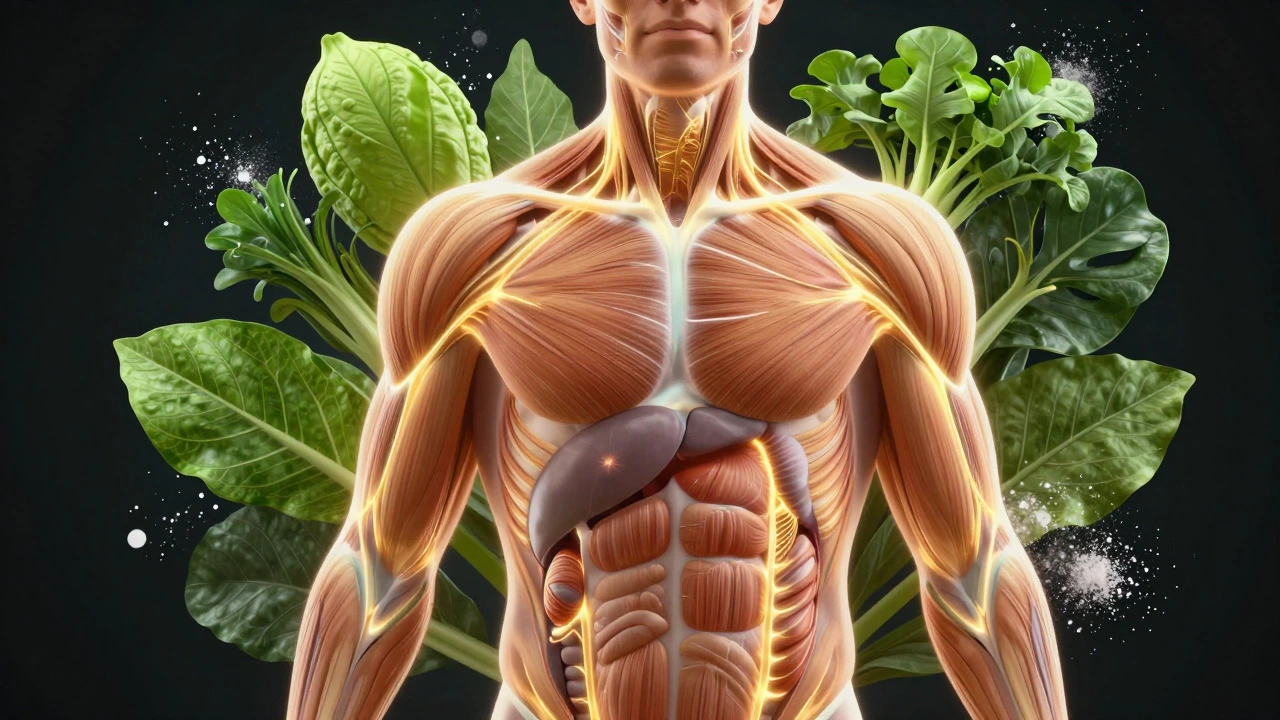
However, this doesn’t mean protein is useless for belly fat. It matters because of what happens to your metabolism when you lose weight. When you cut calories, your body often breaks down muscle tissue for fuel, not just fat. Less muscle means a slower resting metabolic rate. In other words, you burn fewer calories just sitting there. Protein powder helps prevent this muscle loss, keeping your metabolic engine running hot even in a calorie deficit.
Why Protein Beats Carbs for Satiety
Here’s the practical side: hunger is the enemy of fat loss. If you’re constantly snacking because you’re starving, you’ll likely overeat later. Protein is the most satiating macronutrient. A study published in the *American Journal of Clinical Nutrition* found that dieters who consumed higher protein diets felt significantly fuller and ate less at subsequent meals compared to those on lower-protein diets.
Protein powder makes hitting that target easy. Let’s say you aim for 1.6 grams of protein per kilogram of body weight. If you weigh 70kg, that’s 112g of protein daily. Getting that from chicken, fish, eggs, and Greek yogurt can be logistically difficult. One scoop of whey provides about 25g of protein with minimal carbs and fats. It’s a tool to bridge the gap without adding excessive calories.
How to Use Protein Powder for Fat Loss
Using protein powder isn’t about replacing meals; it’s about optimization. Here is how to integrate it effectively:
- Post-Workout Window: Consume a shake within an hour after training. This supports recovery and directs nutrients toward muscle repair rather than storage.
- Meal Replacement (Cautiously): If you know you’ll skip lunch, use a high-protein, low-sugar shake as a bridge. Don’t make this your only source of nutrition daily.
- Evening Snack: Casein protein, which digests slowly, can help keep you full overnight, preventing midnight snack attacks.
Avoid using protein powder as a dessert substitute. Many flavored powders are loaded with sugar and artificial sweeteners that can spike insulin or trigger cravings. Check the label: look for under 5g of added sugar per serving.
Common Mistakes That Stall Progress
Even with the right mindset, people sabotage their results. Watch out for these pitfalls:
- Ignoring Total Calories: Adding a 120-calorie shake to an already surplus diet adds 840 extra calories a week. That’s roughly half a pound of fat gain monthly. Track everything.
- Overlooking Micronutrients: Relying solely on shakes means missing out on fiber, vitamins, and minerals found in whole foods. Keep vegetables and fruits in your rotation.
- Sedentary Lifestyle: Protein helps preserve muscle, but you need stimulus to build it. Without resistance training, extra protein has less impact on body composition.
Comparison: Whole Foods vs. Protein Powder
Which is better? Neither is superior in isolation; they serve different roles. Whole foods provide complex matrices of nutrients that aid digestion and gut health. Protein powder offers convenience and precision.
| Attribute | Whole Foods (Chicken/Fish/Eggs) | Protein Powder (Whey/Plant) |
|---|---|---|
| Digestion Time | Slower (3-5 hours) | Faster (30-60 mins for whey) |
| Micronutrients | High (Vitamins, Minerals, Fiber) | Low (Fortified versions vary) |
| Convenience | Requires cooking/prep | Ready in minutes |
| Cost per Gram | Varies widely | Generally consistent |
| Satiety Impact | High (Volume + Fiber) | Moderate (Liquid form) |
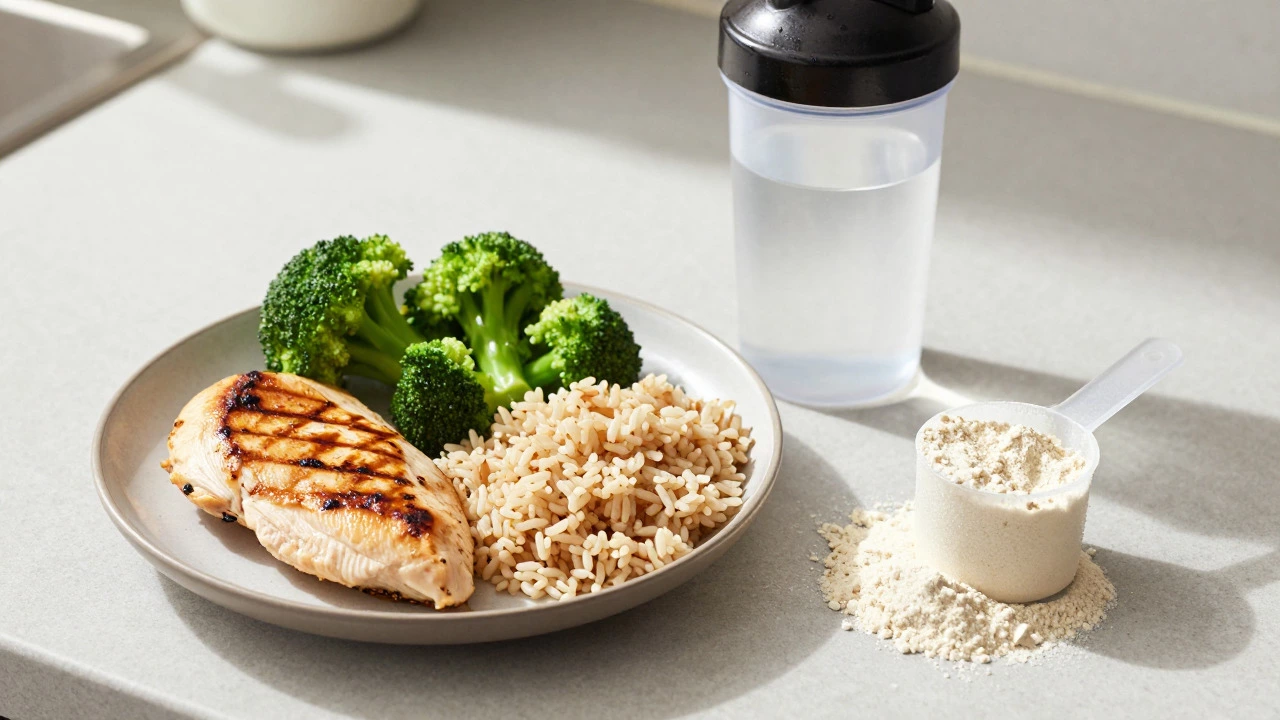
The best approach is a hybrid model. Aim to get 70-80% of your protein from whole foods to ensure nutrient density. Use the remaining 20-30% from powder to hit your daily target easily, especially around workouts or busy days.
Who Should Be Cautious?
Most healthy adults can benefit from protein powder, but a few groups should tread carefully. If you have kidney disease, consult a doctor before increasing protein intake significantly. Lactose-intolerant individuals should choose plant-based proteins like pea or hemp, or lactose-free whey isolates. Also, if you have a history of digestive issues, introduce powder gradually to see how your gut reacts.
Remember, consistency beats perfection. You don’t need to be precise to the gram every single day. Just aim to keep protein levels stable while maintaining a slight caloric deficit. Over time, the fat will come off, and your muscle mass will stay intact.
Frequently Asked Questions
Does protein powder cause bloating?
It can, especially if you are lactose intolerant and using whey concentrate. Switching to whey isolate or plant-based proteins like pea or rice often resolves this issue. Also, mixing with cold water instead of warm liquids may reduce gas production for some people.
Is it okay to drink protein powder every day?
Yes, for most healthy individuals. Daily consumption is safe and effective for meeting nutritional goals. However, try to vary your sources so you aren’t relying on a single brand or type of protein exclusively, which helps ensure a broader range of micronutrients.
Which is better for fat loss: whey or plant protein?
Whey protein generally has a higher biological value and faster absorption rate, making it slightly more effective for muscle preservation during cutting. However, plant proteins are excellent if you prefer vegan options or have dairy sensitivities. The difference in fat loss outcomes is minimal if total calories and activity levels are equal.
Can I drink protein powder on an empty stomach?
Yes, but some people experience nausea. If that’s you, pair the shake with a small amount of complex carbohydrates, like a banana or a slice of toast. This slows digestion and prevents the stomach from feeling too unsettled.
How much protein do I actually need to lose belly fat?
Aim for 1.6 to 2.2 grams of protein per kilogram of body weight. This range supports muscle retention while in a caloric deficit. For example, if you weigh 75kg, you should target between 120g and 165g of protein daily. Adjust based on your activity level and progress.