
Post-Workout Food Choice Analyzer
Select a food or drink you're craving after your workout to see how it affects your recovery process.
Fried Foods
Burgers, Fries, Fried Chicken
Sugary Snacks
Candy, Soda, Energy Drinks
Alcohol
Beer, Cocktails, Wine
Heavy Creams
Alfredo Pasta, Full-fat Cheese
Extremely Spicy
Ghost Pepper, Hot Wings
Lean Protein & Carbs
Grilled Chicken, Quinoa, Fruit
Quick Guide: Post-Workout Red Flags
- High-fat fried foods (slows protein absorption)
- Sugary treats and sodas (causes insulin spikes and crashes)
- Excessive alcohol (inhibits muscle protein synthesis)
- Heavy, creamy sauces (hard on the digestive system)
- Extremely spicy foods (can irritate the gut)
The Problem with High-Fat Fried Foods
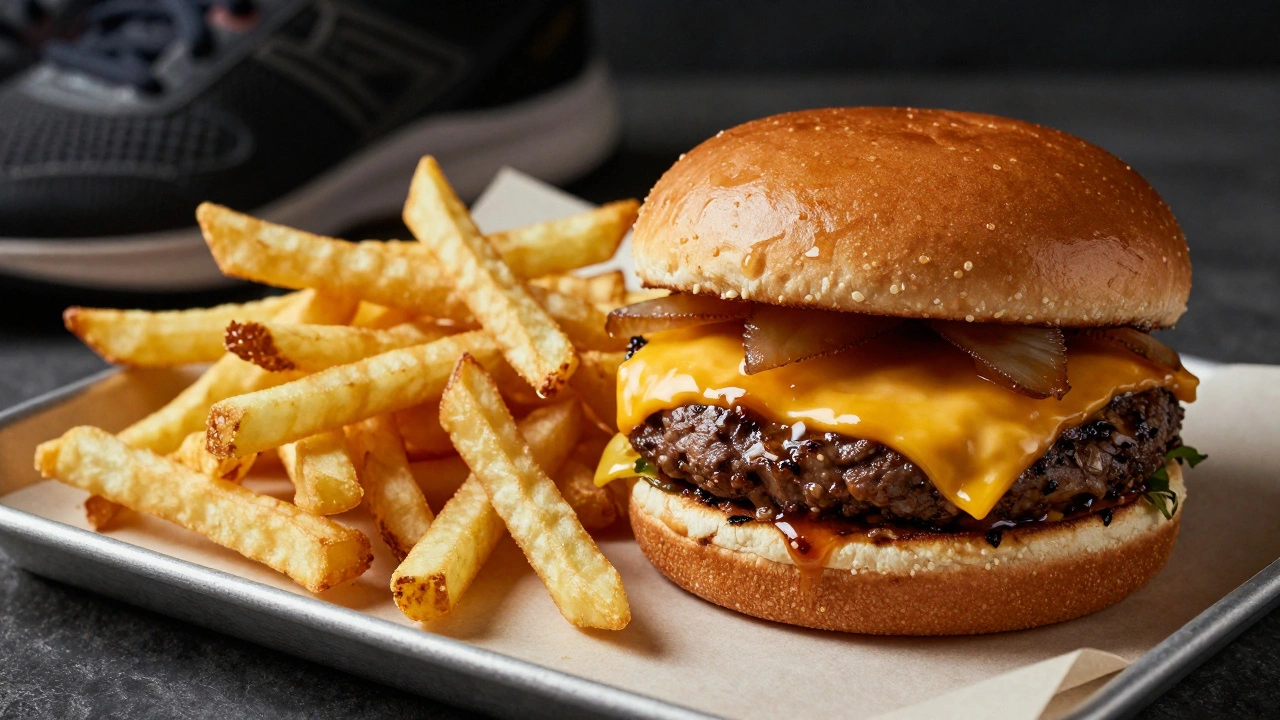
It is tempting to grab a burger and fries after a workout, but Saturated Fats is a type of fat typically found in animal products and processed oils that can slow down the digestion process. When you eat a meal heavy in fried foods, it slows down the rate at which your stomach empties. This means the protein and carbohydrates your muscles desperately need to recover take much longer to reach your bloodstream.
Think of it like a traffic jam in your gut. While you want a steady stream of amino acids to fix those micro-tears in your muscle fibers, a greasy meal acts like a roadblock. If you're craving something savory, opt for grilled chicken or avocado instead of deep-fried options. You'll feel the difference in your energy levels an hour later.
Why Sugary Snacks are a Trap
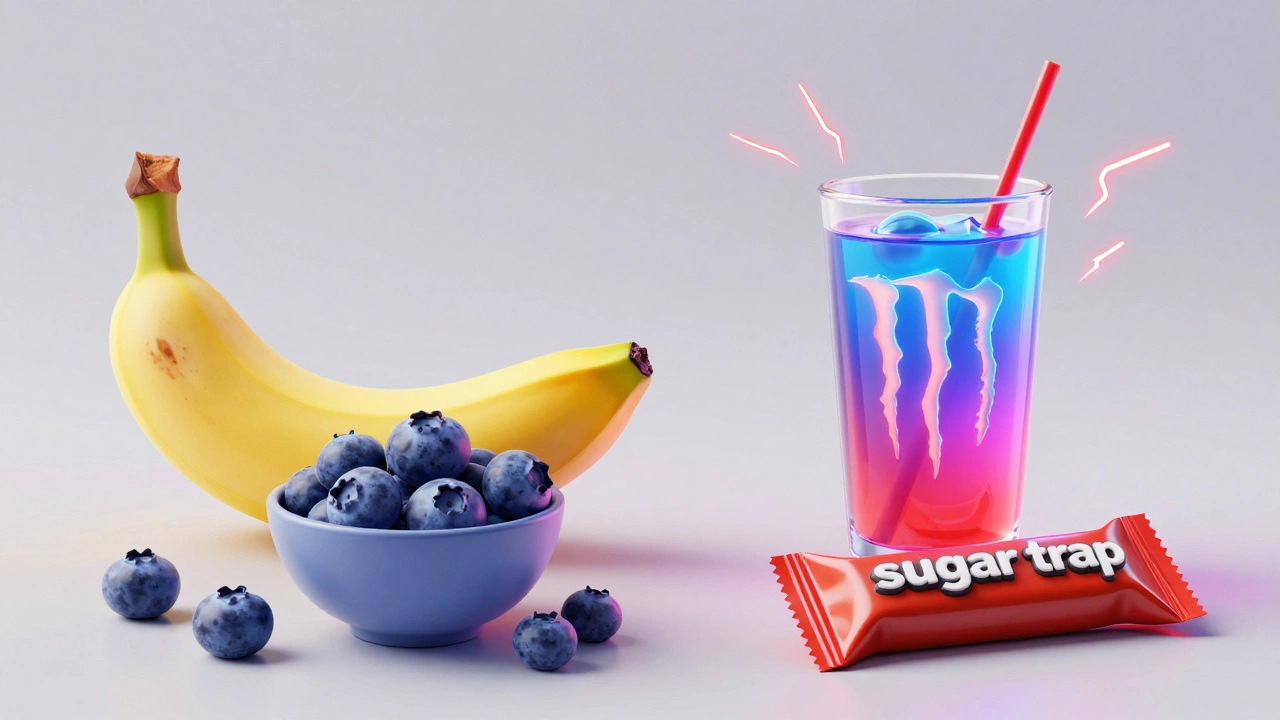
A massive candy bar or a sugary energy drink might give you a quick burst of energy, but Refined Sugar is processed sucrose that lacks nutrients and causes rapid fluctuations in blood glucose levels. After a workout, your body is primed to absorb carbohydrates, but the type of carb matters. Simple sugars cause a massive insulin spike followed by a sharp crash, often leaving you feeling more exhausted than you were before you started eating.
Moreover, excessive sugar can trigger inflammation. If you're trying to reduce muscle soreness, flooding your system with processed sugar is counterproductive. Instead, look toward fruit. A banana or a handful of berries provides the glucose you need along with potassium and antioxidants to help with post-workout nutrition and inflammation control.
Alcohol and Muscle Protein Synthesis
Going for a "protein shake and a beer" might sound like a great way to wind down, but alcohol is one of the worst things you can put in your body immediately after exercise. Ethanol is the alcohol found in drinks that interferes with the body's ability to synthesize protein and regulate hydration. When you consume alcohol, your body prioritizes breaking it down over repairing muscle tissue.
Research in sports science shows that alcohol inhibits the mTOR pathway, which is the primary signaling system for muscle growth. Essentially, you're telling your body to stop building muscle and start processing toxins. Plus, alcohol is a diuretic, which means it flushes water and electrolytes out of your system just when you need them most to rehydrate your cells.
Dealing with Heavy Creams and Dairy
While a whey protein shake is a staple for many, heavy creams, buttery sauces, or large amounts of full-fat cheese can be problematic. Many people experience temporary digestive sensitivity after intense exercise because the body redirects blood flow away from the stomach and toward the working muscles. This is why a heavy Alfredo pasta might sit in your stomach like a brick for three hours.
If you have a sensitive stomach, avoid high-fat dairy for at least two hours post-gym. Stick to leaner proteins like Greek yogurt or a lean piece of fish. These provide the necessary leucine-an amino acid critical for triggering muscle repair-without the digestive heaviness that makes you want to take a nap instead of staying productive.
The Risk of Extremely Spicy Foods
We all love a good spicy taco, but eating ghost pepper wings right after a HIIT session can be a recipe for disaster. Intense exercise can make your gastrointestinal tract more permeable and sensitive. Capsaicin is the active component of chili peppers that creates a burning sensation and can irritate the lining of the stomach.
When your body is in a state of recovery, your gut is often more prone to irritation. Spicy foods can cause acid reflux or stomach cramps, which distracts your body from its primary mission: recovery. Save the extra-hot salsa for a meal where your heart rate has completely settled and your digestion has returned to its normal rhythm.
Comparing Post-Workout Choices
| Avoid This (The "Wrong" Way) | Try This (The "Right" Way) | Reason for Switch |
|---|---|---|
| Deep-Fried Chicken | Grilled or Baked Chicken | Faster protein absorption, less inflammation |
| Sugary Soda/Candy | Fruit or Oats | Stable blood sugar, added micronutrients |
| Beer or Cocktails | Water or Electrolyte Drink | Proper hydration and muscle synthesis |
| Heavy Cream Pasta | Quinoa or Brown Rice with Veggies | Easier digestion, complex carbs |
| Extra Spicy Wings | Mildly Seasoned Protein | Prevents GI distress and bloating |
What You Should Actually Prioritize
Now that we know what to leave off the plate, what should you focus on? The magic formula is a combination of fast-acting carbohydrates and high-quality protein. Carbs refill your Glycogen, which is the stored form of glucose in your muscles and liver that provides energy during exercise, while protein provides the building blocks for repair.
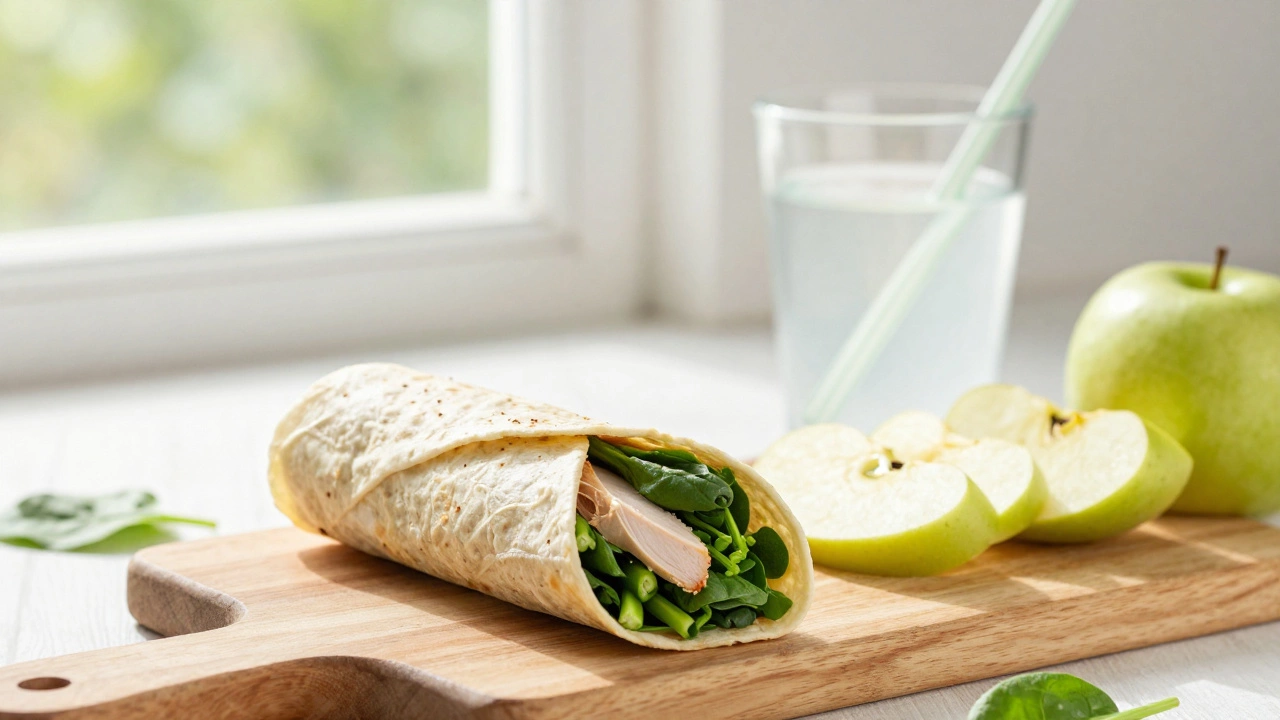
A classic example would be a turkey wrap with plenty of spinach and a side of apple slices. You get the lean protein from the turkey, complex carbs from the wrap, and natural sugars and fiber from the apple. This balance keeps your insulin levels stable and ensures your muscles have everything they need to grow stronger.
The Hydration Equation
It is not just about what you eat, but what you drink. Avoid relying solely on high-calorie "recovery drinks" that are packed with artificial sweeteners and thickeners. These can cause bloating and don't actually hydrate you as effectively as plain water or a pinch of sea salt in water.
If you've been sweating heavily, you need to replace sodium, magnesium, and potassium. Instead of a sugary sports drink, try coconut water. It's naturally rich in electrolytes and provides a gentle source of potassium without the neon-colored dyes found in many commercial options.
How soon after a workout should I eat?
While the "30-minute anabolic window" is largely a myth, it's generally a good idea to eat within 2 hours of your session. This ensures your body doesn't stay in a catabolic state (breaking down muscle) for too long and helps you feel more energized for the rest of the day.
Can I eat chocolate after a workout?
A small piece of dark chocolate is actually okay because of its antioxidants. However, avoid milk chocolate bars loaded with corn syrup and refined sugars, as these will cause a blood sugar crash and provide very little nutritional value for recovery.
Is it okay to drink coffee after a gym session?
Coffee in moderation is fine, but be careful. Caffeine is a stimulant and can sometimes interfere with the "rest and digest" parasympathetic state your body needs to enter for optimal recovery. If you're working out late in the evening, avoid it to prevent disrupting your sleep, which is when the most muscle repair happens.
What if I'm not hungry after a workout?
This is common during high-intensity sessions due to the suppression of hunger hormones. If you can't face a full meal, try a liquid option like a protein smoothie with a banana and almond milk. It's easier on the stomach and still provides the essential macros.
Do I need a protein shake if I eat a high-protein meal?
Not necessarily. Protein shakes are convenient, but real food is often more satiating and contains more micronutrients. If you're eating a chicken breast or a bowl of lentils shortly after your workout, you don't need the supplement.