

Beginner Weight Loss Planner
Find the right balance between structured exercise and daily movement (NEAT) to start losing weight without burning out.
Select your options and click "Generate My Plan" to see your personalized beginner guide.
You stare at your running shoes by the door. They’ve been there for three months, gathering dust and judgment. You want to lose weight, but the idea of walking into a gym full of people who seem to know exactly what they’re doing feels overwhelming. Maybe you tried before and quit after two weeks because everything hurt and nothing changed. Here’s the truth: most people fail not because they lack willpower, but because they start with a plan designed for athletes, not beginners.
Weight loss exercise is the strategic combination of physical activity and metabolic management aimed at creating a sustainable calorie deficit. It isn’t about punishing your body; it’s about teaching it to burn fuel more efficiently. If you live in Auckland or anywhere else, the principles remain the same. You don’t need a personal trainer on day one. You need a system that fits your life, respects your current fitness level, and actually moves the needle on the scale without breaking you down.
Why Most Beginners Quit Within Two Weeks
Think about the last time you started a new hobby. Did you buy all the gear immediately? Did you try to master the hardest technique in the first hour? Probably. And when you didn’t see instant results, or worse, got injured, you stopped. The same happens with fitness. Many beginners confuse intensity with effectiveness. They think if they aren’t gasping for air or unable to walk upstairs the next day, they didn’t work out hard enough.
This approach backfires. High-intensity efforts spike cortisol, the stress hormone, which can actually hinder fat loss in some individuals if recovery isn’t managed. Furthermore, extreme soreness (DOMS) discourages consistency. Consistency beats intensity every single time. A mediocre workout done three times a week yields better long-term results than a perfect workout done once a month.
The key is to lower the barrier to entry. Your first goal isn’t to run a marathon or lift heavy weights. It’s to show up. This requires shifting your mindset from "I need to destroy myself" to "I need to move my body." When you remove the pressure of performance, you create space for habit formation. Once the habit exists, you can layer in complexity and intensity.
The Three Pillars of Effective Fat Loss Training
To lose weight effectively, you need to understand how different types of movement affect your metabolism. Not all exercises are created equal, especially when your primary goal is shedding pounds. We generally categorize effective training into three pillars: cardiovascular endurance, resistance training, and non-exercise activity thermogenesis (NEAT).
Cardiovascular exercise is physical activity that raises your heart rate and improves the efficiency of your heart and lungs. For beginners, low-impact steady-state cardio like brisk walking or cycling is superior to high-intensity interval training (HIIT). Why? Because it’s easier to recover from. You can do it daily without burning out. While HIIT burns more calories per minute, it demands significant recovery time. If you’re overweight, high-impact jumping can also stress your joints unnecessarily.
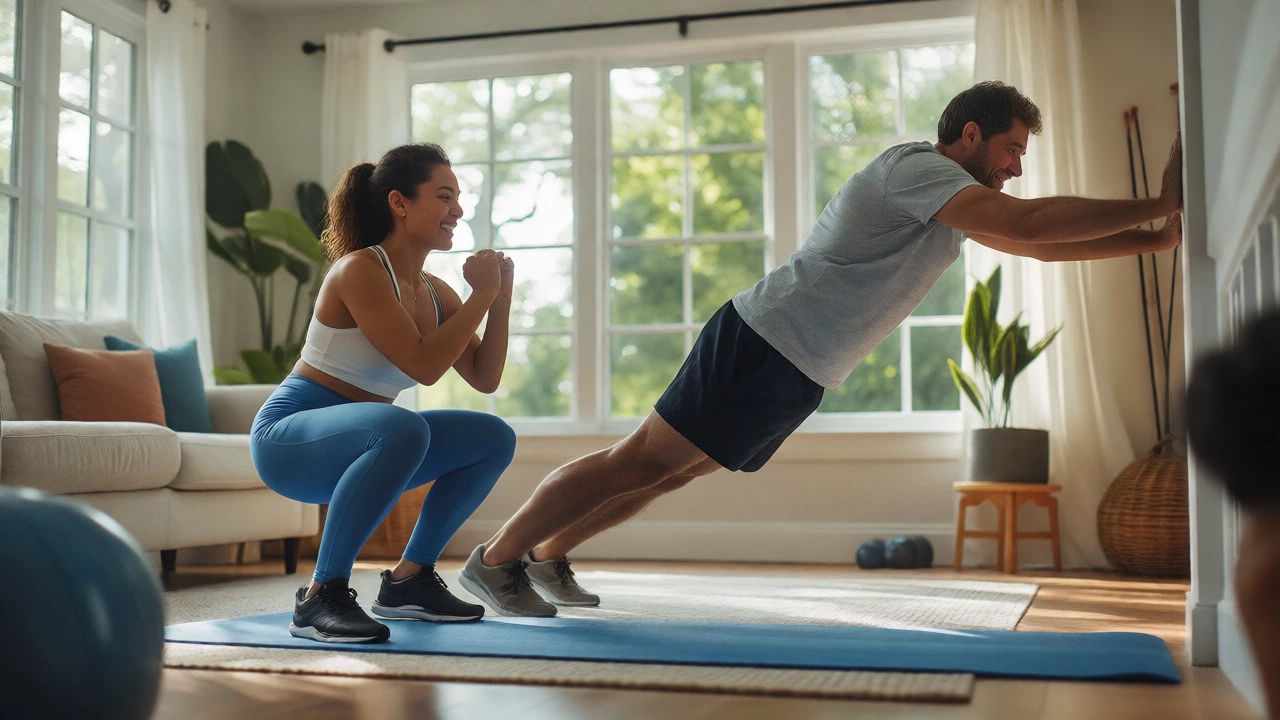
On the other hand, Strength training is exercise designed to improve muscular strength and endurance through resistance against external force. Many people skip this because they fear getting "bulky," but muscle tissue is metabolically active. Building lean muscle increases your resting metabolic rate (RMR), meaning you burn more calories even while sleeping. For someone starting out, bodyweight exercises like squats, push-ups, and lunges are sufficient. You don’t need dumbbells yet.
The third pillar, NEAT, is often overlooked. It covers all the movement you do outside of structured exercise-walking to the car, cleaning the house, standing at your desk. Increasing your daily steps can have a larger impact on total daily energy expenditure than a 30-minute gym session. If you sit for eight hours a day, adding a 15-minute walk during lunch breaks might be the easiest way to boost your calorie burn.
A Simple Weekly Schedule for Absolute Beginners
Let’s make this concrete. You don’t need a complex spreadsheet. Here is a realistic weekly structure that balances activity and rest. This plan assumes you have no major medical restrictions, but always consult a doctor if you have existing health conditions.
- Monday: 30 minutes of brisk walking. Aim for a pace where you can talk but not sing.
- Tuesday: Full-body bodyweight circuit. Do 3 rounds of: 10 squats, 10 wall push-ups, 10 glute bridges. Rest as needed.
- Wednesday: Active recovery. 15 minutes of stretching or a gentle yoga flow. Focus on mobility.
- Thursday: Repeat Monday’s walk. Try to add 5 minutes if you feel good.
- Friday: Repeat Tuesday’s circuit. Try to reduce rest time between rounds slightly.
- Saturday: Fun activity. Go for a hike, swim, dance, or play with your kids. Keep it enjoyable.
- Sunday: Complete rest. Sleep in. Let your body repair.
Notice the pattern? You’re moving four days a week, but only two involve structured exercise. The rest is low-stress movement. This prevents burnout. After four weeks, if this feels easy, you can increase the duration of your walks or add repetitions to your circuit.
Nutrition: The Silent Partner to Exercise
You cannot out-train a bad diet. This is the harsh reality many ignore. If you spend an hour jogging and then reward yourself with a large sugary drink and a pastry, you’ve likely negated the calorie deficit you just created. A typical 70kg person burns roughly 300-400 calories in an hour of moderate jogging. That’s less than a standard muffin.
You don’t need to count every calorie obsessively, but you should be aware of portion sizes and food quality. Prioritize protein. Protein keeps you fuller for longer and supports muscle repair. Include vegetables in every meal-they provide volume and fiber with minimal calories. Hydration matters too. Thirst is often mistaken for hunger. Drinking water before meals can help prevent overeating.
Be wary of "health" snacks. Granola bars, smoothies, and trail mix can be calorie bombs. Read labels. If the ingredient list reads like a chemistry experiment, put it back. Whole foods are your best friend. An apple is better than apple juice. Chicken breast is better than chicken nuggets. Small swaps add up over time.

Tracking Progress Without Obsessing Over the Scale
Weighing yourself daily can drive you crazy. Water retention, hormonal fluctuations, and digestion can cause the scale to jump up or down by a kilogram overnight, regardless of fat loss. Instead, look for other indicators of progress.
Take measurements. Use a tape measure around your waist, hips, and chest. These numbers often decrease even when the scale stays static, indicating you’re losing fat and gaining muscle density. How do your clothes fit? Is that pair of jeans looser? Are you able to climb stairs without getting winded? Can you sleep better? These qualitative metrics are often more accurate reflections of health improvements than a digital number.
Keep a simple log. Note down what you did each workout. Did you walk 3km today instead of 2km? Did you do 12 squats instead of 10? Seeing tangible improvement in performance builds confidence. It proves your body is adapting. This psychological win is crucial for maintaining motivation when visual changes lag behind.
Common Pitfalls and How to Avoid Them
Even with a good plan, obstacles arise. The biggest one is injury. Beginners often use poor form because they’re trying to lift too heavy or move too fast. Watch tutorial videos for basic movements like squats and deadlifts. Consider hiring a trainer for just one or two sessions to check your form. It’s a small investment that pays off in longevity.
Another pitfall is comparing yourself to others. Social media shows highlight reels, not the messy process. Someone posting their six-pack has likely spent years refining their routine, not weeks. Focus on your own journey. Celebrate small wins. Finished your workout despite rain? Win. Chose water over soda? Win. Stretched before bed? Win.
Finally, don’t let perfectionism kill progress. Missed a workout? No big deal. Had a weekend of indulgent eating? Just get back on track Monday. Fitness is a marathon, not a sprint. One bad day doesn’t ruin your progress, just like one good day doesn’t make you fit. It’s the aggregate of hundreds of small choices that determines your outcome.
| Activity Type | Best For | Recovery Time | Equipment Needed |
|---|---|---|---|
| Walking | Building base endurance, joint health | Minimal | Comfortable shoes |
| Bodyweight Circuits | Building muscle tone, metabolic boost | Moderate | None / Mat |
| Cycling/Swimming | Low-impact cardio, active recovery | Low | Bike / Pool access |
| HIIT | Time-efficient calorie burn | High | Open space |
How long does it take to see results from working out?
Most people notice internal changes, such as increased energy and better mood, within two weeks. Visible physical changes typically appear after 6 to 8 weeks of consistent effort. Patience is essential; rapid weight loss often leads to regain.
Do I need to join a gym to lose weight?
No. Walking, home bodyweight exercises, and outdoor activities are highly effective for weight loss. Gyms offer convenience and variety, but they are not required for success. Consistency matters more than location.
Should I do cardio or weights first?
For general weight loss, prioritize whichever you enjoy more to ensure adherence. However, if you do both in one session, performing strength training first allows you to lift with fresher muscles, potentially preserving muscle mass while burning calories.
Is it okay to work out every day?
Yes, if you vary the intensity. Daily high-intensity workouts lead to burnout and injury. Mix low-intensity activities like walking or stretching with higher-effort sessions to allow your body to recover while staying active.
What if I’m overweight and find running painful?
Avoid running initially. Choose low-impact alternatives like swimming, cycling, elliptical machines, or brisk walking. These protect your joints while still providing excellent cardiovascular benefits until you build sufficient strength and lose some initial weight.