
Fed vs. Fasted Running Calculator
Determine whether you should eat before your next run based on workout type, duration, and intensity.
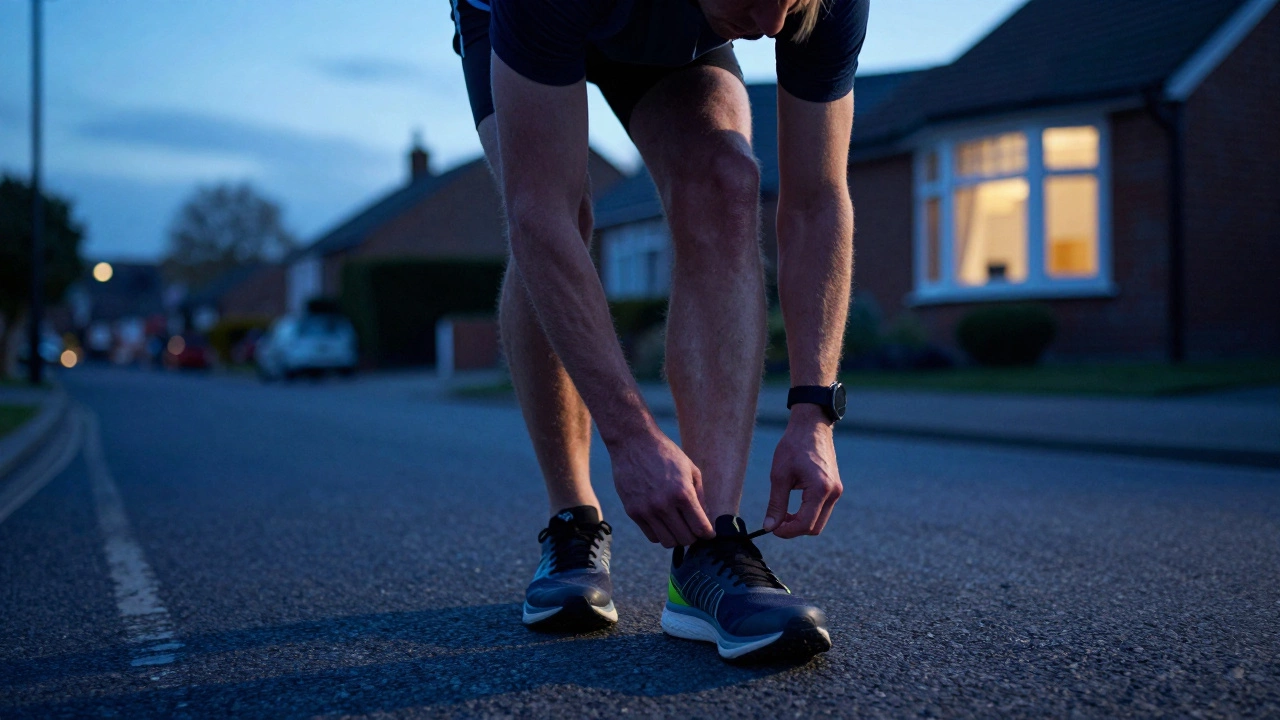
Imagine this: it’s 5:30 AM. The house is quiet, the coffee hasn’t even brewed yet, and you’re lacing up your shoes for a run. You haven’t eaten anything since dinner last night. Is this smart training, or are you setting yourself up for failure? This question splits the running community down the middle. Some swear by fasted cardio, claiming it burns more fat. Others insist that skipping fuel leads to bonking, poor performance, and muscle loss. The truth isn’t black and white-it depends entirely on your goals, your body, and how long you plan to run.
Before we get into the nitty-gritty of what to eat (or not eat), let’s look at why this debate exists in the first place. Your body runs on energy. When you sleep, your liver depletes its stored glucose, known as glycogenthe primary source of energy for high-intensity exercise. By morning, those tanks are low. So, when you step out the door without breakfast, your body has to switch gears. It starts tapping into fat stores for fuel instead. That sounds great for weight loss, right? But here’s the catch: fat is a slow-burning fuel. If you try to sprint or maintain a hard pace, your body might struggle to keep up, leaving you feeling sluggish or dizzy.
The Science Behind Fasted Running
To understand if running on an empty stomach works for you, you need to know how your body fuels movement. There are two main fuel sources: carbohydrates (glycogen) and fats. Carbs burn fast and provide quick energy. Fat burns slower but provides sustained energy over long periods.
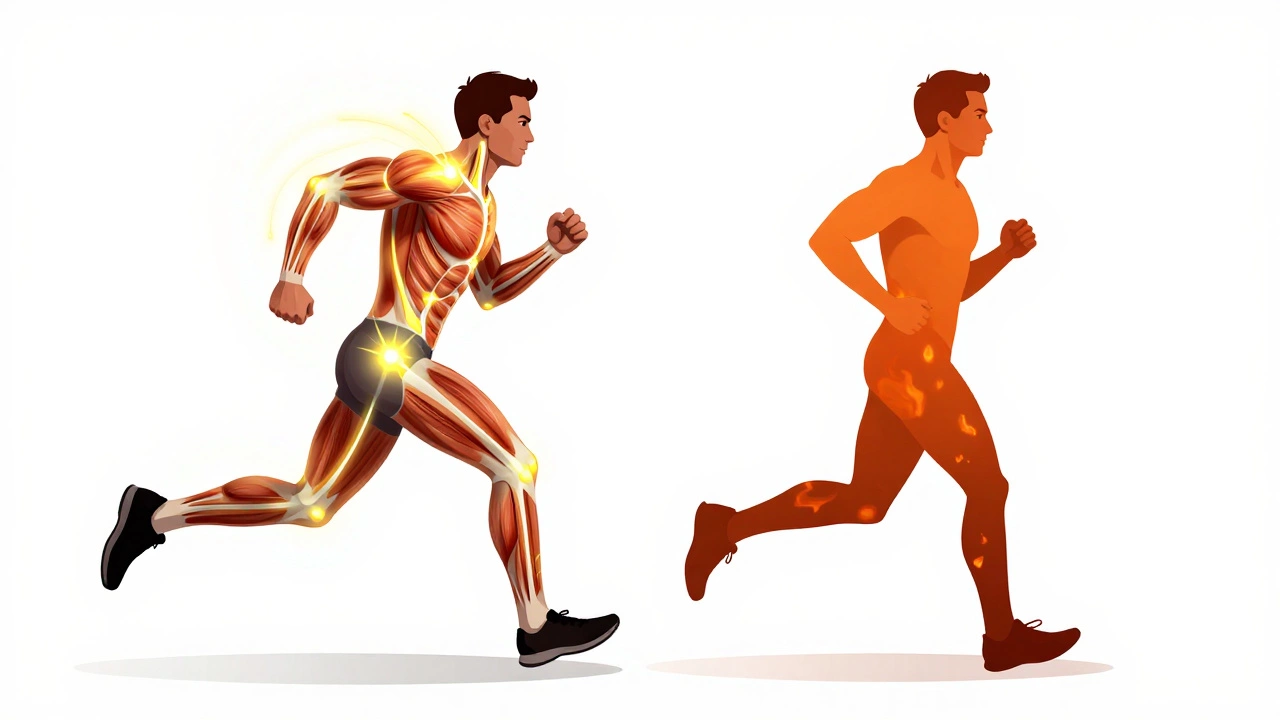
When you run after sleeping for eight hours, your insulin levels are low, and your glycogen stores are depleted. This hormonal state encourages your body to oxidize, or break down, fat for energy. Studies have shown that fasted aerobic exercise can increase fat oxidation by up to 20% compared to fed states. However, "increased fat burning" during the workout doesn’t automatically translate to more total fat loss over the day. Your body is smart; it often compensates later by holding onto fat or reducing non-exercise activity thermogenesis (NEAT)-that’s the energy you burn fidgeting, walking around the office, or doing chores.
Furthermore, while you might burn more fat *during* the run, you might also preserve less muscle mass if you don’t replenish protein soon after. For most recreational runners, the difference in fat loss between fasted and fed running is negligible over a few weeks. The real benefit of fasted running often comes down to convenience and gut comfort rather than metabolic magic.
Who Should Avoid Running on an Empty Stomach?
Not everyone handles low-glycogen states well. If you fall into any of these categories, skipping pre-run food might do more harm than good:
- High-Intensity Interval Training (HIIT) Enthusiasts: HIIT relies heavily on glycogen. Without carbs, your intervals will suffer. You’ll feel like you’re dragging weights.
- Endurance Athletes Preparing for Races: If you’re training for a marathon or half-marathon, you need to teach your body to use glycogen efficiently. Regularly running empty might limit your top-end speed capabilities.
- People with Blood Sugar Issues: If you have hypoglycemia or diabetes, running without food can cause dangerous drops in blood sugar. Always consult your doctor before trying fasted exercise.
- Those Prone to Dizziness or Nausea: Low blood sugar can make you lightheaded, shaky, or nauseous. Safety first-don’t risk falling because you skipped a banana.
If you’re just doing a easy 20-minute jog, you’re probably fine. But if you’re pushing for a personal best or running longer than 60 minutes, fuel matters.
Benefits of Morning Fasted Runs
Despite the risks for some, many runners love fasted mornings. Why? Because it simplifies their routine. You wake up, tie your shoes, and go. No waiting 30 minutes for toast to digest. No worry about hitting the bathroom mid-run because that oatmeal sat heavy in your stomach.
For people with sensitive digestive systems, running on an empty stomach is a game-changer. Digestion requires blood flow to the gut. Exercise redirects that blood to your legs. If you eat right before running, your body struggles to do both, leading to cramps, side stitches, or worse. Skipping the meal eliminates this conflict entirely.
Additionally, fasted running can help establish a consistent habit. If eating is a barrier to getting out the door, removing that step makes it easier to stick to your running plana structured schedule of workouts designed to improve fitness. Consistency beats intensity every time in the long run.
How to Decide: Fed vs. Fasted
So, how do you choose? Let’s break it down by workout type. Use this simple guide to decide whether to eat or skip breakfast before your next run.
| Workout Type | Duration | Recommendation | Why? |
|---|---|---|---|
| Easy Jog | Under 30 mins | Fasted or Light Snack | Low energy demand; gut comfort is priority. |
| Tempo Run / Intervals | 30-60 mins | Eat Small Carb Snack | Needs glycogen for higher heart rate efforts. |
| Long Slow Distance | Over 60 mins | Eat Moderate Meal | Prolonged effort depletes reserves; prevents bonking. |
| Hill Repeats | Any duration | Eat Small Carb Snack | Hills require explosive power fueled by carbs. |
If you’re doing an easy recovery run, water and electrolytes might be enough. But if you’re tackling hills or speed work, your muscles scream for glucose. Listening to your body is key. Pay attention to how you feel in the first 10 minutes. If you feel light-headed, stop and hydrate. If you feel strong, keep going.
What to Eat If You Choose Fuel
If you decide that running on an empty stomach isn’t for you, timing and composition matter. You don’t need a full breakfast. In fact, a heavy meal will sit like a rock in your stomach. Aim for easily digestible carbohydrates with minimal fiber, fat, and protein. These nutrients digest quickly and spike blood sugar gently, providing immediate energy without gastrointestinal distress.
Here are some tried-and-true options:
- Banana: Nature’s perfect pre-run snack. High in potassium, easy to digest, and packed with simple carbs.
- White Toast with Jam: White bread breaks down faster than whole wheat. Add a thin layer of honey or jam for quick energy.
- Rice Cakes: Light, airy, and carb-dense. Sprinkle with a pinch of salt to replace electrolytes.
- Energy Gel: Convenient for early mornings when chewing feels impossible. Take it with water 15 minutes before heading out.
- Apple Sauce: Liquid carbs absorb rapidly. Great if you have a very sensitive stomach.
Avoid high-fiber foods like bran cereal, beans, or raw vegetables. Fiber slows digestion, which means your stomach is still working while your legs are pounding the pavement. That’s a recipe for disaster.

Hydration: The Unsung Hero
You can’t talk about running on an empty stomach without mentioning water. While you sleep, you lose significant amounts of water through breathing and sweat. Dehydration thickens your blood, making your heart work harder to pump oxygen to your muscles. Even mild dehydration can reduce performance by 10-20%.
Whether you eat or not, drink 16-20 ounces of water 20-30 minutes before your run. If you’re sweating heavily or running in hot weather, consider adding electrolytes. Sodium helps your body retain fluid and prevents cramping. A pinch of salt in your water or an electrolyte tablet can make a huge difference in how you feel mile three.
Post-Run Recovery Matters More
Here’s the secret: what you do *after* the run matters more than what you do before. Whether you ran fasted or fed, your body needs to repair itself. Within 30-60 minutes post-run, aim for a mix of protein and carbohydrates. Protein rebuilds muscle fibers torn during exercise. Carbs replenish the glycogen stores you just used.
If you ran fasted, this window is critical. Your body is primed to absorb nutrients. A smoothie with whey protein, berries, and oats is an excellent choice. It’s liquid-based, so it digests fast, and it hits all the macronutrient targets. Don’t wait until noon to eat. Delayed recovery leads to prolonged soreness and increased fatigue in subsequent workouts.
Listening to Your Body
Every runner is different. Genetics, metabolism, stress levels, and sleep quality all influence how you tolerate fasted exercise. Some people thrive on empty-stomach runs, feeling light and energetic. Others crash and burn. There is no one-size-fits-all answer.
Experiment safely. Try running fasted for a week on easy days. Track your heart rate, perceived exertion, and mood. Then try eating a small snack for a week. Compare the data. Did you run faster? Did you recover quicker? Did you feel happier? Your body will tell you what it needs. Trust it.
Remember, running is supposed to be enjoyable. If skipping breakfast makes you miserable, don’t do it. Life is too short to suffer through every single run. Find the balance that keeps you healthy, happy, and moving forward.
Will running on an empty stomach burn more belly fat?
While fasted running may increase fat oxidation *during* the workout, studies show no significant difference in total body fat loss over time compared to fed running. Your body compensates by adjusting energy expenditure later in the day. Spot reduction of belly fat is a myth; overall calorie deficit drives fat loss.
Can I drink coffee before a fasted run?
Yes, black coffee is generally safe and may even enhance performance. Caffeine mobilizes fatty acids and reduces perceived effort. Just avoid adding sugar, milk, or cream, as these introduce calories and dairy proteins that can slow digestion and cause stomach upset.
Is it bad to run on an empty stomach every day?
For most healthy individuals, daily fasted easy runs are not harmful. However, consistently depleting glycogen without adequate refueling can lead to chronic fatigue, weakened immunity, and decreased performance in high-intensity sessions. Listen to your body and vary your approach based on workout intensity.
Why do I feel dizzy when running fasted?
Dizziness is often caused by low blood sugar (hypoglycemia) or dehydration. Your brain relies on glucose for function. When glycogen stores are low and you haven’t eaten, blood sugar drops. Ensure you’re well-hydrated and consider having a small carb snack if dizziness persists.
How long should I wait after eating before running?
Wait 2-3 hours after a large meal and 30-60 minutes after a small snack. This allows your stomach to empty partially, reducing the risk of cramps and nausea. Individual tolerance varies, so experiment to find your optimal window.