
Yoga Emotional Release & Safety Checker
Use this tool to understand your experience on the mat. Answer the questions below to see if your tears are a sign of healing or if you need extra support.
Analysis Complete
Recommended Actions:
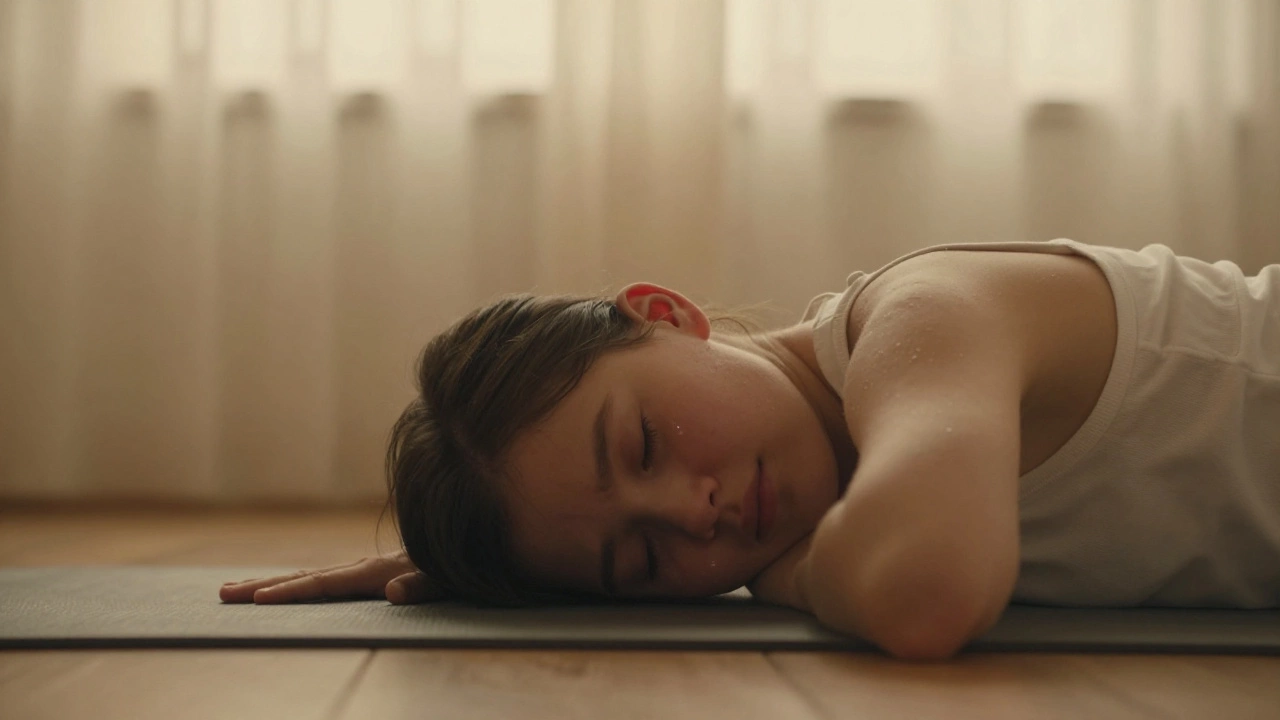
You’re holding Child’s Pose. Your forehead is resting on the mat. You’ve been breathing steadily for twenty minutes. Suddenly, a wave of sadness hits you out of nowhere, and tears start streaming down your face. It feels jarring, especially if you came to class just to stretch tight hamstrings or de-stress from work. You might wonder if something is wrong with you, or if you should have skipped the session.
Here is the short answer: Yes, crying after yoga is completely normal. In fact, it is a common physiological response to deep relaxation and physical movement. It does not mean you are weak, overly sensitive, or doing it wrong. It usually means your body is finally letting go of tension it has been storing for weeks or months. Understanding why this happens can help you embrace the experience rather than fight it.
The Physiology of Letting Go
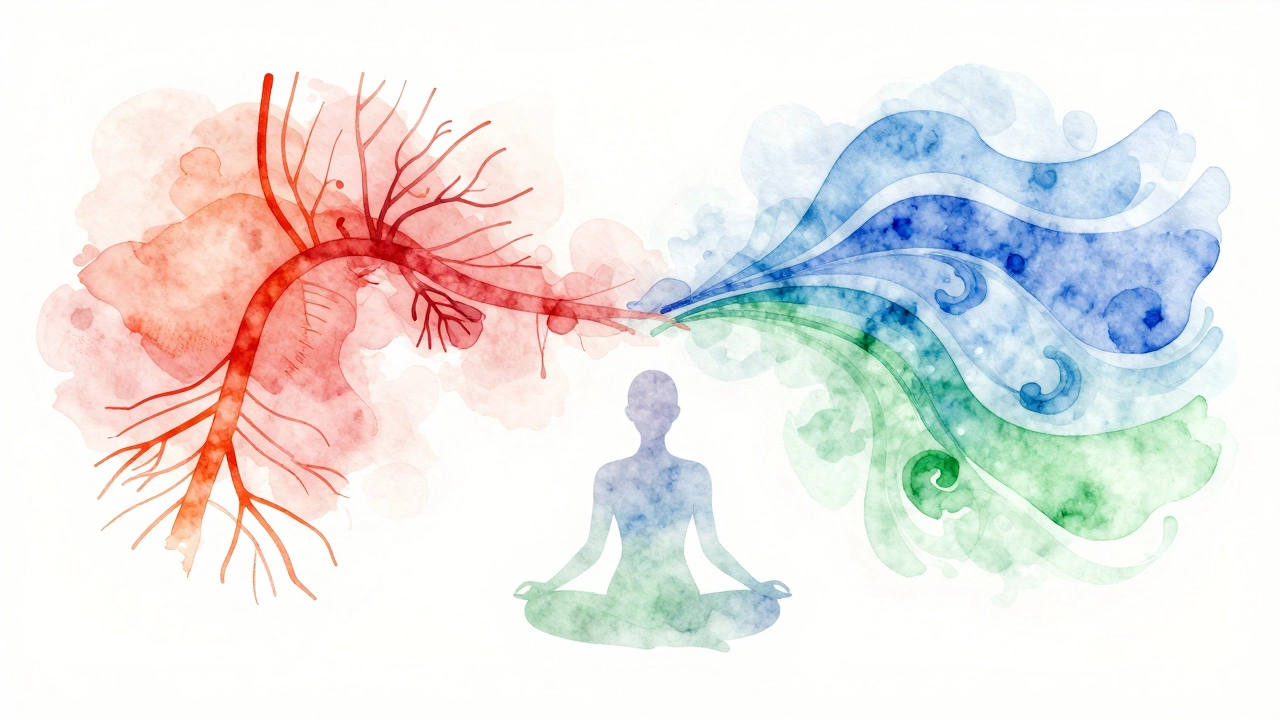
To understand why tears fall when you aren’t sad, we need to look at how your nervous system works. Most of us live in a state of chronic low-grade stress. This keeps our sympathetic nervous system-the "fight or flight" mode-turned on for too long. We carry this stress physically: clenched jaws, raised shoulders, and a rigid lower back.
When you practice yoga, specifically styles that involve holding poses (asanas) and focusing on breath (pranayama), you signal your body to switch gears. You move from the sympathetic state into the parasympathetic state, often called "rest and digest." This shift is crucial for healing, but it comes with a catch. When the adrenaline and cortisol levels drop, the body realizes it is safe enough to process what it has been ignoring.
Think of it like a dam breaking. While you were stressed, your emotions were held back by high tension. As the physical tension releases through stretching and deep breathing, the emotional pressure valve opens. The tears are simply the overflow. They are a biological mechanism to release built-up stress hormones. Studies in psychoneuroimmunology suggest that emotional tears contain higher concentrations of stress-related chemicals than basal tears (the ones that keep your eyes moist). So, literally speaking, you are crying out your stress.
Why Specific Poses Trigger Emotions
Not every yoga pose will make you cry. Certain postures affect specific parts of the body that hold significant emotional memory. If you find yourself tearing up during these moments, pay attention to which pose triggered it.
- Chest Openers: Poses like Camel (Ustrasana) or Cobra (Bhujangasana) open the heart center. In many traditions, the chest area is associated with vulnerability and grief. Opening this area physically can unlock feelings of sadness or loss that you’ve been suppressing.
- Hips Flexors: Pigeon Pose (Eka Pada Rajakapotasana) and Low Lunge are notorious for causing emotional reactions. The hips are major storage sites for trauma and stress. Releasing tight hip flexors can feel intensely vulnerable, leading to sudden tears.
- Inversions: Headstands or Shoulderstands change blood flow to the brain and alter your perspective. This sensory shift can disorient the mind slightly, allowing subconscious thoughts to surface without the usual mental filters.
- Savasana (Corpse Pose): This final relaxation stage is where most people cry. With no physical effort required, the mind stops distracting itself. Without the anchor of movement, unresolved emotions float to the surface.
If you notice a pattern-say, you always cry in Pigeon Pose-it’s helpful to note it. You don’t need to avoid the pose, but you can prepare yourself mentally. Bring a bolster or blanket for support, so you feel physically secure while your emotions process.
Differentiating Stress Release from Distress
While crying is generally healthy, it is important to distinguish between cathartic release and distressing trauma responses. A cathartic cry usually feels relieving afterward. You might feel lighter, calmer, or more grounded once the tears stop. This is the desired outcome of therapeutic yoga practices.
However, if the crying turns into panic, shaking that won’t stop, or dissociation (feeling detached from reality), your nervous system may be overwhelmed. This can happen if you push too hard into a painful stretch or if a pose triggers a specific traumatic memory. In these cases, the goal is safety, not depth.
If you feel overwhelmed: 1. Stop the pose immediately. 2. Come to a comfortable seated position or lie on your side. 3. Focus on grounding techniques: feel the weight of your body on the floor, listen to sounds in the room, or hold a cold object. 4. Inform your instructor if you are in a class. They can guide you back to a neutral state.
This distinction is vital. Yoga is a tool for regulation, not a substitute for professional therapy. If you have a history of severe trauma, consider working with a trauma-informed yoga teacher who understands how to keep students within their "window of tolerance"-the zone where they can process emotions without being flooded by them.
How to Handle Tears in Class vs. At Home
Your reaction might differ depending on where you are practicing. Practicing alone at home gives you total privacy. You can let the tears flow, take breaks, or skip difficult poses without judgment. Use this time to explore what comes up. Journaling after a session where you cried can help you connect the physical sensation to any lingering thoughts.
In a group class, however, social anxiety might play a role. Many people worry about being judged by others or disrupting the instructor. Remember, experienced yoga teachers see this regularly. They are trained to handle it with discretion. Usually, they will not comment on it unless you ask for help. They might quietly place a towel nearby or adjust the lighting to create a softer atmosphere.
If you are worried about crying in class: - Arrive early to settle in. - Choose a spot near the front or back where you feel less exposed. - Keep a small towel or cloth handy. Blowing your nose is less conspicuous than wiping silent tears. - Remind yourself that everyone else is focused on their own mat. Most people are too self-conscious to notice you.
There is also the option of private sessions or smaller workshops if group settings feel too vulnerable right now. These environments offer more personalized attention and a safer container for emotional expression. For those looking for additional resources on wellness and community support, there are various online directories available, such as this resource, which list verified profiles and services for individuals seeking discreet companionship or local connections, though for yoga-specific emotional support, sticking to certified instructors remains the best path.
Practical Tips for Emotional Balance
If you want to minimize unexpected emotional surges, or if you want to harness them intentionally, try these strategies:
- Adjust Your Intensity: If you had a highly stressful day, skip vigorous Vinyasa or Power Yoga. Opt for Yin Yoga, Restorative Yoga, or gentle Hatha. These styles focus on long holds and minimal effort, which can sometimes trigger deeper releases, but they do so in a slower, more controlled manner.
- Focus on Breath: If you feel tears coming on and want to stay centered, deepen your exhale. Longer exhales stimulate the vagus nerve, which promotes calmness. Try breathing in for 4 counts and out for 6 counts.
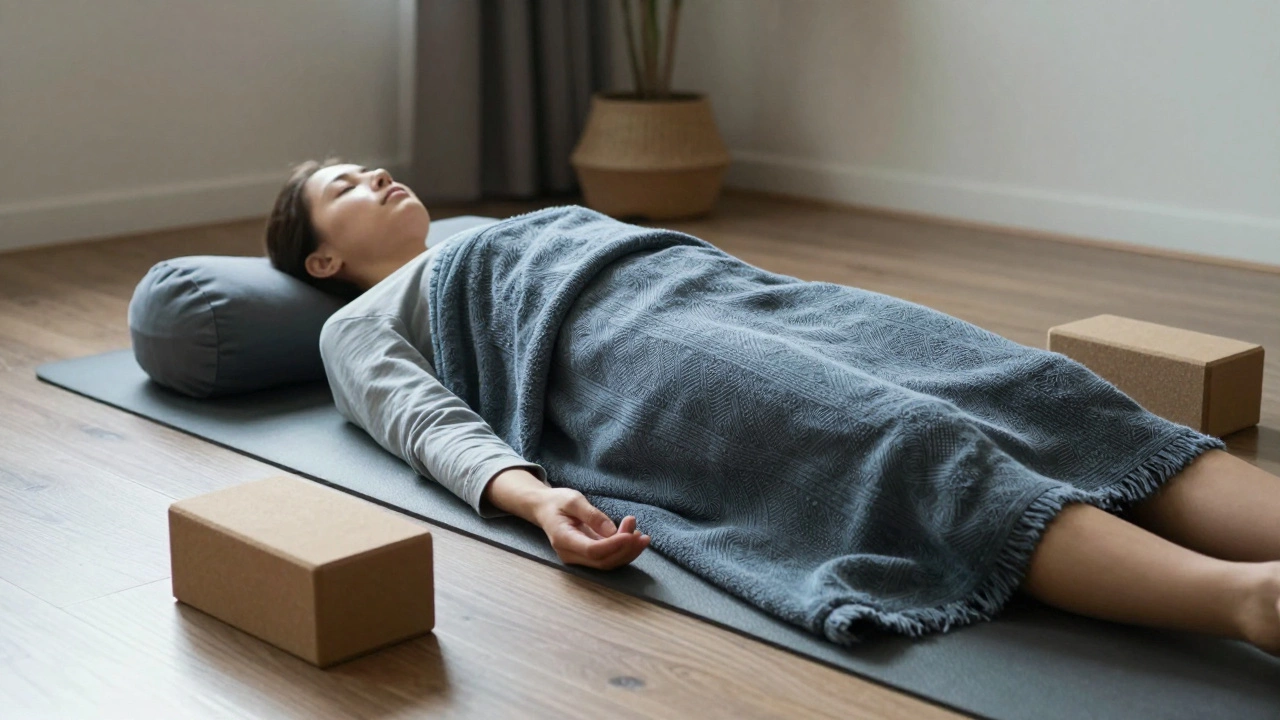
- Use Props: Blankets, bolsters, and blocks provide physical containment. Wrapping yourself in a heavy blanket during Savasana can mimic a weighted blanket effect, providing security that helps regulate the nervous system.
- Hydrate: Crying dehydrates you. Drink water before and after your practice. It helps flush out toxins and replenishes fluids lost through tears and sweat.
- Accept, Don’t Resist: Fighting the urge to cry creates more tension. Acknowledge the feeling. Say to yourself, "It’s okay to feel this. My body is releasing stress." Resistance amplifies suffering; acceptance dissolves it.
Long-Term Benefits of Emotional Release
Embracing tears in yoga leads to profound long-term benefits. Regularly processing emotions prevents them from manifesting as physical pain or chronic illness. People who allow themselves to grieve, express sadness, or release anger often report better sleep, lower blood pressure, and improved immune function.
Over time, you may notice that you cry less frequently on the mat. This doesn’t mean you’ve become numb; it means your baseline stress level has lowered. Your body no longer needs to dump large amounts of tension because you are managing it daily through mindfulness and movement. Eventually, the practice becomes a maintenance tool rather than an emergency release valve.
You might also find increased emotional resilience off the mat. By learning to sit with discomfort and observe emotions without reacting impulsively, you build mental strength. This translates to better handling of workplace stress, relationship conflicts, and daily anxieties. You learn that emotions are weather patterns-they come, they pass, and you remain solid underneath.
When to Seek Professional Help
While yoga is powerful, it has limits. If your crying episodes are accompanied by persistent depression, anxiety disorders, or flashbacks to traumatic events, yoga alone may not be enough. In these cases, combine your practice with talk therapy. Cognitive Behavioral Therapy (CBT) or Eye Movement Desensitization and Reprocessing (EMDR) can address the root causes of trauma, while yoga helps regulate the body’s physical response.
Tell your therapist about your yoga practice. Many therapists are integrating somatic (body-based) approaches into their work. They can help you interpret what your body is telling you during those tearful moments. This collaborative approach ensures you are healing holistically-mind, body, and spirit.
Does crying during yoga burn calories?
Crying itself burns a negligible amount of calories. However, the physical exertion of yoga does. The primary benefit of crying is emotional and physiological stress relief, not weight loss. Do not expect it to replace cardio exercise.
Should I tell my yoga instructor if I cry?
You are not obligated to speak. Most instructors respect student privacy. However, if you feel overwhelmed or need a modification, signaling them is helpful. A simple hand raise or nod is enough. They will likely offer space or a prop without drawing attention to you.
Can yoga cause PTSD symptoms?
Yoga does not cause PTSD, but it can trigger symptoms in people who already have untreated trauma. Physical sensations like breathlessness or confinement in certain poses can mimic traumatic experiences. If you have PTSD, seek a trauma-informed yoga teacher who avoids forceful adjustments and emphasizes choice and control.
Why do I only cry in Yin Yoga?
Yin Yoga involves holding passive stretches for 3-5 minutes. This duration allows the nervous system to fully relax and enter the parasympathetic state. Unlike dynamic flows where the mind is busy counting breaths or transitions, Yin provides a quiet space for suppressed emotions to surface. It is a sign of deep tissue and emotional release.
Is it bad to suppress tears during yoga?
Suppressing tears creates internal tension, which counteracts the benefits of yoga. Holding back emotions requires muscular effort, particularly in the jaw, neck, and abdomen. Allowing yourself to cry promotes relaxation and nervous system balance. It is healthier to let it out than to force stoicism.