
Morning Routine Sequencer
Select your primary goal for today's session to get a personalized recommendation on whether to walk or do yoga first.
Recommended Sequence
Walk FirstWhy this works:
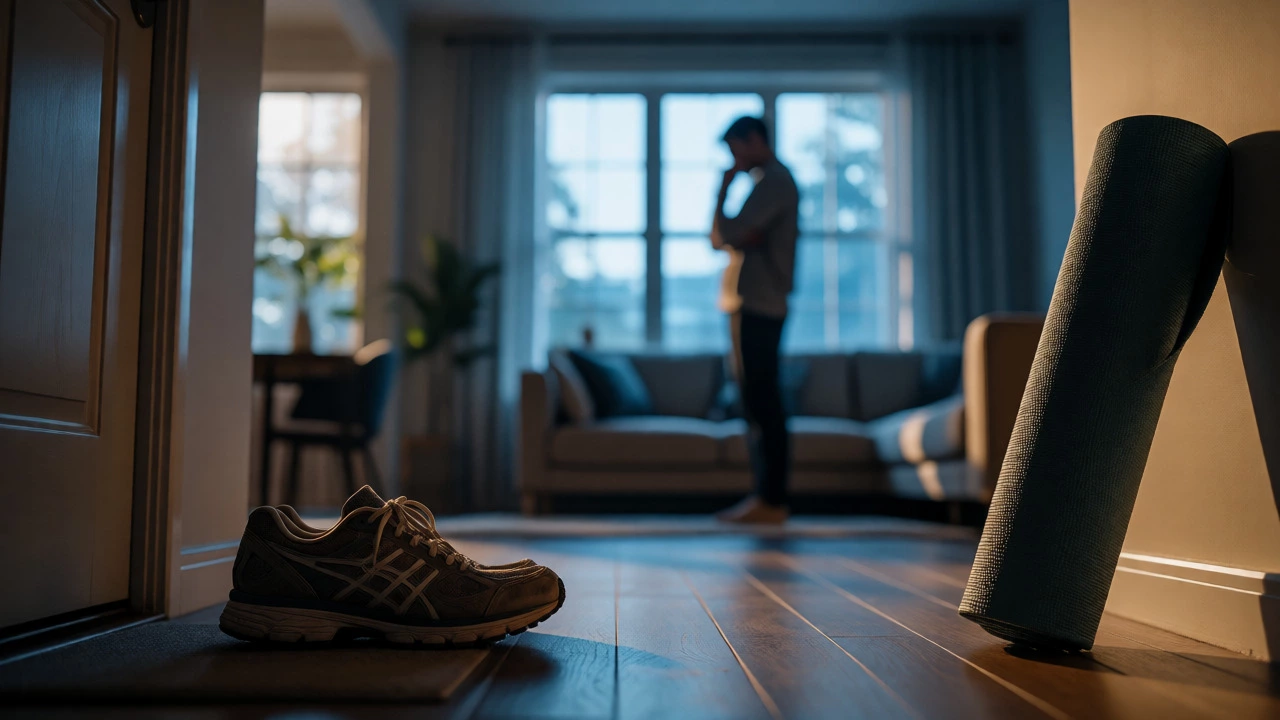
You’re standing in your living room at 6:30 AM. You have forty-five minutes before work starts. On one side, you’ve got your running shoes by the door. On the other, your yoga mat is rolled up in the corner. You want to get moving, but which comes first? Walking or yoga? It’s a common dilemma, and honestly, there isn’t a single "right" answer that applies to everyone. But there is a right answer for you, depending on what you’re trying to achieve today.
Most people treat their morning routine like a checklist they have to complete in any order. That’s a mistake. The order of operations changes how your body responds, how much energy you burn, and even how focused you feel an hour later. Let’s break down why sequencing matters and help you decide which combo works best for your specific goals.
The Case for Walking Before Yoga
If you wake up feeling stiff, cold, or mentally foggy, walking first is usually the smarter play. Think of it as a gentle ignition switch for your system. Walking is a low-impact activity that raises your core body temperature without spiking your heart rate too aggressively. This warmth is crucial because muscles are more pliable when they are warm. Trying to stretch deeply into a pigeon pose with cold hamstrings is not only less effective; it can actually increase your risk of strain.
A brisk 15-minute walk gets blood flowing to your extremities. It wakes up your nervous system through rhythmic movement, which helps clear that morning grogginess better than sitting still. Once you return from that walk, your joints are lubricated, and your muscles are ready to handle the deeper stretches involved in yoga. You’ll likely find you can go deeper into poses without forcing them. Plus, if you live in Auckland like I do, getting outside early captures that fresh air and natural light, which regulates your circadian rhythm. That sunlight exposure signals your brain to stop producing melatonin, making you feel more alert throughout the day.
Why Some People Prefer Yoga First
On the flip side, starting with yoga has its own strong advocates. If your main goal is mental clarity or stress reduction, yoga might be the better opener. Yoga is fundamentally about breath control and mindfulness. By spending ten minutes focusing on your breathing and grounding yourself, you set a calm tone for the rest of the day. Doing this before physical exertion allows you to enter a meditative state that carries over into your walk.
Some practitioners argue that doing yoga first helps activate the parasympathetic nervous system-the "rest and digest" mode-before shifting into the sympathetic "fight or flight" mode required for cardio. For people who suffer from high anxiety or high blood pressure, this gradual ramp-up can feel safer and more controlled. You aren’t jumping straight into movement; you’re building internal awareness first. If you tend to rush through tasks, starting with yoga forces you to slow down immediately. It’s a psychological anchor that prevents the frantic energy of the morning from taking over.
Matching the Order to Your Goals
To make this practical, let’s look at specific scenarios. Which one sounds like your current priority?
| Your Primary Goal | Recommended Order | Why This Works |
|---|---|---|
| Weight Loss & Fat Burn | Walk First, Then Yoga | Walking elevates metabolism gently. Yoga afterwards aids recovery and reduces cortisol (stress hormone) which can hinder fat loss. |
| Mental Clarity & Focus | Yoga First, Then Walk | Yoga centers the mind. The subsequent walk maintains that focus while boosting circulation to the brain. |
| Flexibility Improvement | Walk First, Then Yoga | Warm muscles stretch further and safer. Cold stretching yields minimal long-term flexibility gains. |
| Stress Relief | Yoga First, Then Walk | Immediate breathwork lowers acute stress levels. Walking then processes remaining tension physically. |
| Energy Boost | Walk First, Then Yoga | Rhythmic movement wakes up the body faster than static holds. Yoga afterwards prevents post-walk stiffness. |
Notice a pattern? If your goal is physical performance or flexibility, heat is your friend, so walk first. If your goal is mental regulation, stillness is your tool, so start on the mat. There is no shame in switching it up based on how you feel that specific morning. Listen to your body. If you woke up with tight hips, skip the intense walk and do some gentle sun salutations first. If you feel lethargic, get those legs moving outside.

The Danger of Doing Both Poorly
Here is where most people mess up. They try to cram both activities into a short window and do neither well. If you have thirty minutes total, don’t do fifteen minutes of half-hearted walking followed by fifteen minutes of rushed yoga. You will end up sweaty, tired, and unsatisfied.
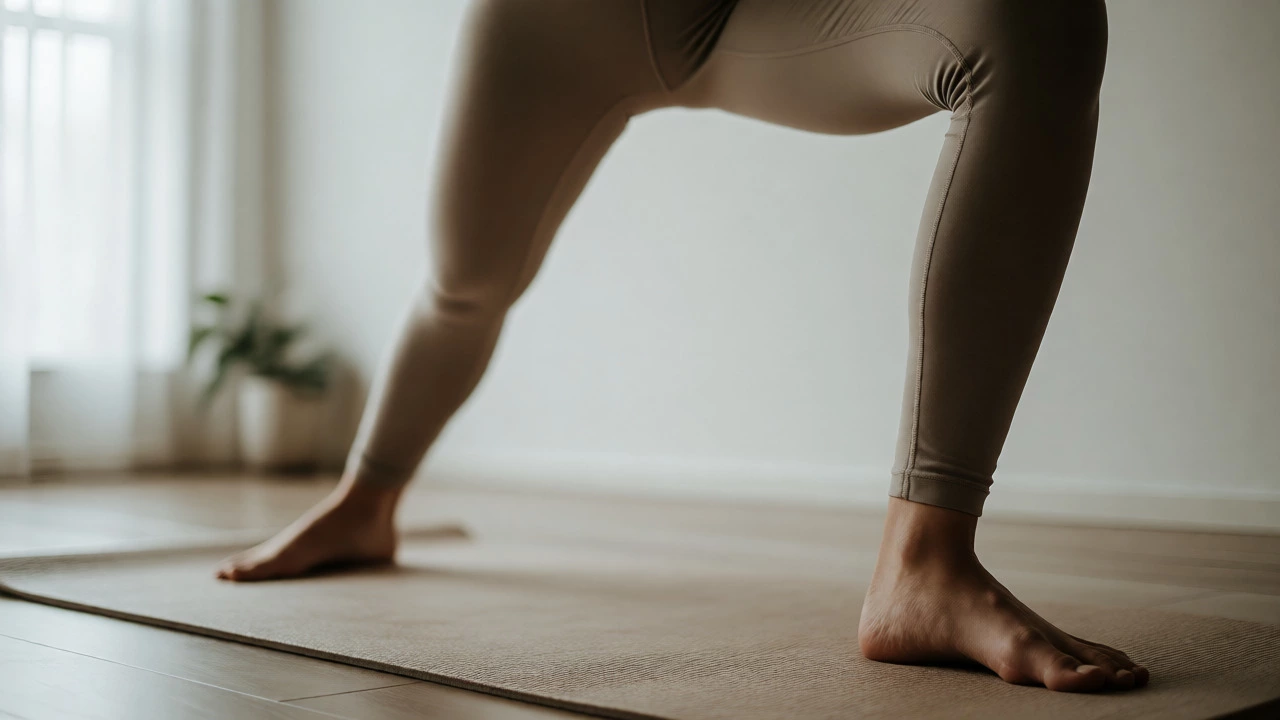
Instead, consider integration. You can combine them into a single flow. Try a "walking meditation" style session where you alternate between five minutes of brisk walking and two minutes of standing yoga poses like Warrior II or Tree Pose. This keeps your heart rate in a moderate zone while engaging balance and strength. It’s efficient and breaks the monotony of just staring at the pavement or just holding a pose.
Another pitfall is ignoring hydration. Whether you walk or do yoga, you lose fluids. If you drink water only after finishing, you might already be slightly dehydrated, which impacts joint health and cognitive function. Have a glass of water ready before you start, regardless of which activity you choose first.
How to Build Your Perfect Sequence
So, how do you actually structure this? Here is a simple framework to test out for the next week:
- Assess Your State: Are you stiff/sleepy (needs activation) or anxious/rushed (needs calming)?
- Choose the Opener: Pick the activity that addresses your immediate need. Stiff? Walk. Anxious? Yoga.
- Set Time Limits: Decide strictly how many minutes you have. Stick to them. If you have 20 minutes, do 10 minutes of each. Don’t let one bleed into the other.
- Transition Mindfully: Don’t just stop walking and drop onto the mat. Take three deep breaths to shift your intent. If going from yoga to walking, shake out your limbs to wake up the muscles.
- Evaluate Afterward: How did you feel an hour later? More energized? Calmer? Sore? Use this feedback to adjust tomorrow’s order.
This trial-and-error approach is far more valuable than following a rigid rule. Your body’s needs change daily. Maybe Tuesday you need the walk to wake up, but Thursday you need the yoga to decompress from a bad night’s sleep. Flexibility in your routine mirrors the flexibility you seek in your body.
Common Mistakes to Avoid
One major error is wearing the wrong gear. If you plan to walk then do yoga, wear clothes that allow for both. Tight jeans won’t cut it. Loose leggings or shorts with a breathable top are ideal. Also, avoid eating a heavy meal before either activity. A small snack, like a banana, is fine, but digestion diverts blood away from muscles. If you eat a full breakfast before walking, you might feel sluggish. If you eat before yoga, you might feel nauseous during twists.
Another mistake is comparing your pace to others. Online influencers often show 60-minute flows followed by 5k runs. Unless you are training for a marathon, you don’t need that volume. Consistency beats intensity every time. A consistent 15-minute walk and 10-minute yoga session done five times a week will yield better results than one heroic two-hour session done once a month.
Frequently Asked Questions
Does walking burn more calories than yoga?
Generally, yes. Brisk walking typically burns more calories per minute than gentle or restorative yoga because it involves continuous cardiovascular effort. However, vigorous styles of yoga, such as Power Yoga or Vinyasa Flow, can burn a comparable amount of calories to a moderate-paced walk. The key difference is that walking primarily targets aerobic capacity, while yoga also builds muscular endurance and flexibility.
Can I do yoga and walking on the same day?
Absolutely. In fact, combining them is highly recommended for balanced fitness. Walking provides the cardiovascular component that yoga often lacks, while yoga provides the mobility and strength work that walking doesn’t address. Doing them together creates a comprehensive low-impact workout routine that supports heart health, joint mobility, and mental well-being.
Is it better to walk before or after meals?
For weight management and blood sugar control, walking shortly after a meal (especially dinner) can be very beneficial. It helps lower post-meal glucose spikes. However, for general fitness, the timing relative to meals is less critical than consistency. If you prefer walking fasted in the morning, ensure you stay hydrated. If you walk after eating, wait at least 30 minutes to avoid discomfort.
How long should I walk vs. do yoga?
Aim for at least 150 minutes of moderate-intensity walking per week, which averages to about 20-25 minutes daily. For yoga, even 10-15 minutes daily can improve flexibility and reduce stress significantly. A good starting point is a 20-minute walk followed by a 10-minute yoga cool-down, or vice versa depending on your preference. Adjust based on your available time and energy levels.
Does the order affect injury risk?
Yes, potentially. Performing deep static stretching (like intense yoga poses) on completely cold muscles can lead to strains. Therefore, doing a brief warm-up walk before yoga is generally safer for improving flexibility. Conversely, doing high-intensity interval training after yoga might increase injury risk if your stabilizer muscles are fatigued from balancing poses. Keep transitions smooth and listen to your body’s feedback.
Next Steps for Your Routine
Start tomorrow morning. Don’t overthink it. If you feel stiff, put on your shoes and walk around the block. When you come back, unroll the mat and hold a few easy stretches. If you feel scattered, sit on the mat first, breathe, and then head out for a walk to clear your head.
Track how you feel for seven days. Note your energy levels, mood, and any physical discomfort. You’ll quickly discover which sequence makes you feel strongest and most balanced. Remember, the best exercise routine is the one you actually stick to. If walking first makes you hate the idea of yoga, swap them. Experimentation is part of the practice.