
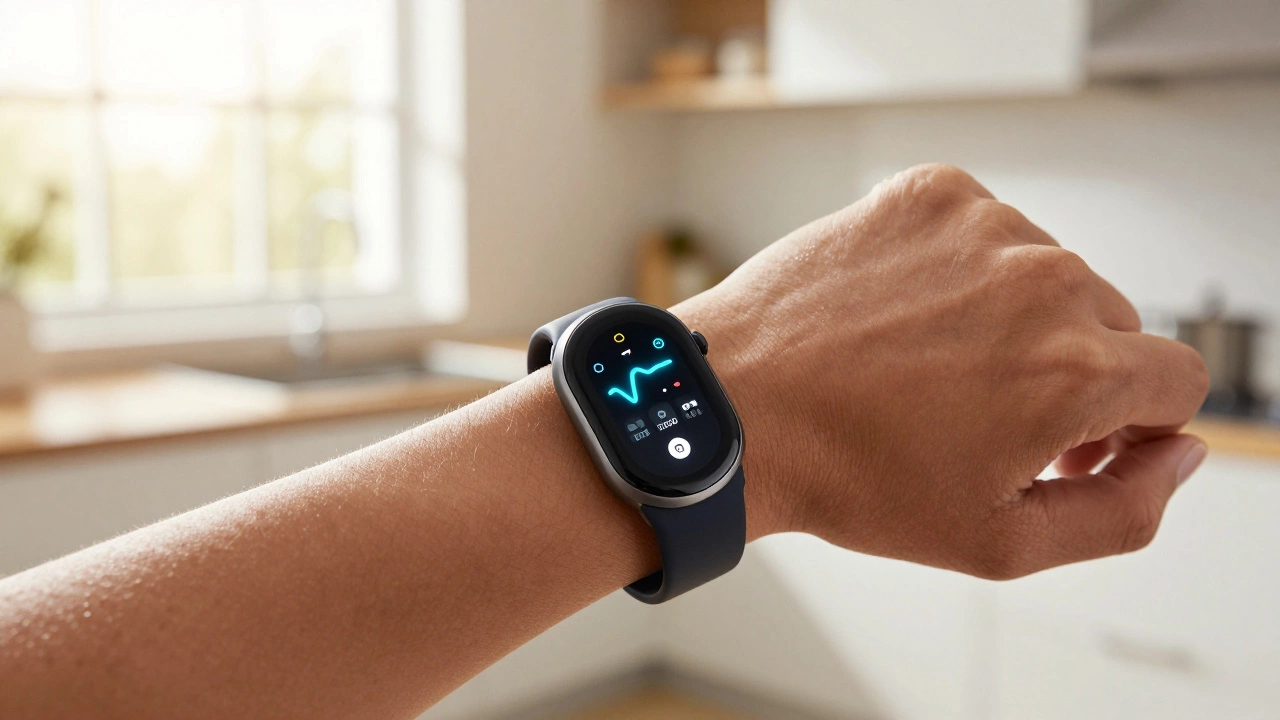
Find Your Perfect Fitbit Replacement
Tell Us About Your Needs
Key Features:
Why This Matches You:
Your Personalized Recommendation
Fill out the form and click "Find My Match" to discover the perfect Fitbit replacement for your lifestyle.
It feels like yesterday that the Fitbit was the undisputed king of wrist-worn health monitoring. For over a decade, it defined how we tracked steps, sleep, and heart rate. But the landscape has shifted dramatically. With Google's acquisition of Fitbit in 2021 and subsequent integration into the Android ecosystem, the standalone brand identity has faded. Many users are asking: is Fitbit still worth buying, or is there something better on the market?
The short answer is yes, there are excellent replacements. In fact, the market in 2026 is more competitive than ever. You no longer need to choose between a basic step counter and a full-featured smartphone on your wrist. The lines have blurred. Whether you want pure battery life, advanced health metrics, or seamless smartphone integration, specific devices now outperform the classic Fitbit Charge or Sense series in almost every category.
The State of Fitbit in 2026
Before looking at alternatives, it helps to understand what happened to Fitbit. Google didn't kill the brand entirely, but they stopped developing new hardware aggressively. The last major releases were the Fitbit Sense 2 and Charge 6. While these devices still work well, they lack the innovation seen from competitors. Features like continuous ECG, blood pressure monitoring, and advanced recovery metrics are missing or limited compared to rivals.
If you already own a Fitbit, you can keep using it. The app still syncs data, and the hardware functions reliably. However, if you are buying new in 2026, you will find that other brands offer better value, longer software support, and richer ecosystems. The question isn't just about replacing a device; it's about upgrading your health insights.
Best Overall Replacement: Garmin Venu 3
For most former Fitbit users, the Garmin Venu 3 is the ideal balance of health tracking, battery life, and smart features. Garmin has long been the choice for runners, but the Venu line bridges the gap between casual fitness and serious training.
Unlike Fitbit, which relies heavily on its proprietary app ecosystem, Garmin offers open compatibility with third-party apps like Strava and TrainingPeaks right out of the box. The Venu 3 boasts up to 14 days of battery life, which dwarfs the daily charging routine required by most smartwatches. It also includes advanced health sensors such as a pulse oximeter, skin temperature sensor, and body battery energy monitoring.
The interface is intuitive, though it takes a day or two to adjust if you're coming from Fitbit's simpler menus. The biggest win here is data depth. You get detailed sleep stages, stress tracking, and personalized training loads. If you want a device that respects your time by lasting weeks instead of days, Garmin is the top pick.
Best for iPhone Users: Apple Watch SE (2nd Gen)
If you use an iPhone, the conversation changes. The Apple Watch SE is the most integrated fitness tracker for iOS users. While it lacks some of the advanced health sensors found in the Ultra models, it covers all the bases: heart rate, activity rings, fall detection, and crash detection.
The key advantage here is ecosystem integration. Your notifications, calls, messages, and music control are seamless. The Activity Rings gamify your movement in a way that many find more motivating than Fitbit's badges. HealthKit ensures that your data flows effortlessly into Apple Health, where you can view trends over years.
Battery life is the main drawback-you'll charge it every night. But for many, the convenience of having a true smartwatch that doubles as a fitness tracker outweighs the inconvenience. The digital crown makes navigation easier than touchscreens when your hands are sweaty or wet.
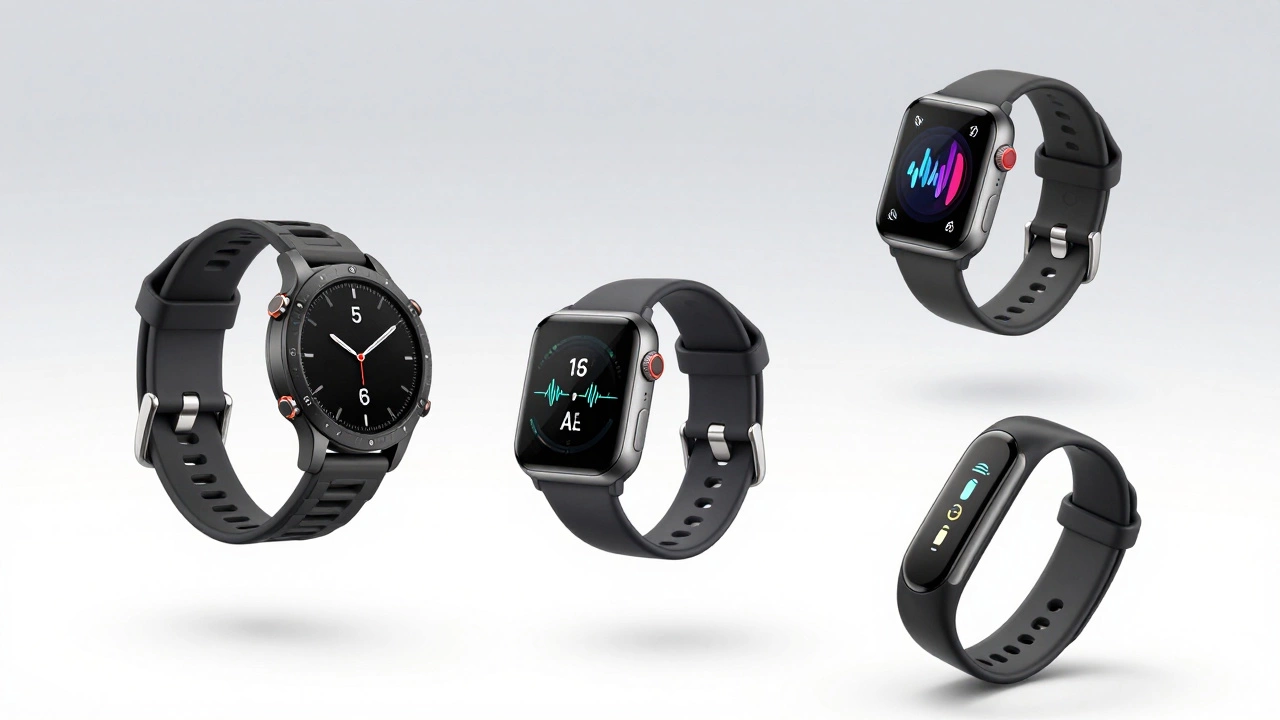
Best Budget Option: Amazfit Bip 5
You don't need to spend $300+ to get a great fitness tracker. The Amazfit Bip 5 is an affordable alternative that delivers core tracking features without the premium price tag. Amazfit has carved out a niche by offering high specs at low prices.
The Bip 5 offers GPS tracking, heart rate monitoring, SpO2 measurement, and sleep analysis. It looks sleek, with a thin profile similar to older Fitbit Charges. Battery life is exceptional, often lasting 10-14 days on a single charge. The Zepp app, while not as polished as Fitbit's, provides comprehensive charts and insights.
This is perfect for students, budget-conscious buyers, or those who want a secondary device for travel. You sacrifice some smart features (like voice assistants or contactless payments) but gain incredible longevity and reliability.
Best for Runners and Cyclists: Coros Pace 3
If your primary goal is endurance sports, consider the Coros Pace 3 is a lightweight, durable GPS watch built for athletes. Coros has gained popularity among marathoners and triathletes for its simplicity and accuracy.
The Pace 3 weighs only 30 grams, making it nearly invisible on your wrist during long runs. It features dual-frequency GPS, which provides highly accurate tracking even in dense urban areas or under tree cover. Battery life exceeds 24 hours in GPS mode, meaning you won't worry about dying mid-ultra-marathon.
While it lacks the flashy smart features of Apple or Garmin, it excels at what matters: precise distance, pace, heart rate zones, and recovery metrics. The interface is minimalist, reducing distraction during workouts. If you train seriously, this is a worthy upgrade from any consumer-grade Fitbit.

Comparison Table: Top Fitbit Replacements
| Device | Battery Life | GPS | Price Range | Best For |
|---|---|---|---|---|
| Garmin Venu 3 | Up to 14 days | Built-in | $399-$499 | All-around health & fitness |
| Apple Watch SE | 18 hours | Built-in | $249-$299 | iPhone users & lifestyle |
| Amazfit Bip 5 | Up to 14 days | Built-in | $79-$99 | Budget-conscious buyers |
| Coros Pace 3 | Up to 24 hours (GPS) | Dual-frequency | $199-$249 | Runners & cyclists |
| Samsung Galaxy Watch 6 | Up to 40 hours | Built-in | $299-$349 | Android users |
Key Factors to Consider When Switching
Moving from Fitbit to another platform involves more than just swapping hardware. Here are the critical factors to evaluate:
- Ecosystem Lock-in: If you use an Android phone, Samsung or Garmin might be smoother. For iPhone, Apple Watch is unmatched. Cross-platform compatibility is improving, but native integration always wins.
- Data Continuity: Most platforms allow you to export historical data from Fitbit. Check if your new device's app supports importing CSV files or syncing via HealthConnect (Android) or HealthKit (iOS).
- Subscription Costs: Fitbit introduced a Premium subscription for deeper insights. Garmin Connect and Apple Health offer robust free tiers. Some advanced analytics may require paid upgrades elsewhere, so compare total cost of ownership.
- Sensor Accuracy: Not all heart rate monitors are equal. Garmin and Apple generally lead in optical sensor accuracy during high-intensity intervals. Cheaper options may lag or lose signal.
Transitioning Your Data and Habits
Switching devices can feel daunting because of the loss of historical context. Don't worry-your past efforts aren't gone. Use tools like HealthExport to download your Fitbit data. Then, import it into your new platform's health dashboard. This preserves your long-term trends for weight, sleep, and activity.
Adjust your expectations gradually. New interfaces take time to learn. Spend the first week exploring settings, customizing watch faces, and setting up goals. Engage with community challenges in apps like Strava or Garmin Connect to stay motivated. Remember, the best tracker is the one you wear consistently.
Can I still use my old Fitbit in 2026?
Yes, existing Fitbit devices continue to function normally. Google maintains server support for syncing data. However, new firmware updates and feature enhancements are limited compared to newer competitors.
Is Garmin better than Fitbit for beginners?
Garmin can seem complex initially, but models like the Venu 3 and Vivomove series are user-friendly. They offer guided workouts and clear metrics. Once set up, they provide more actionable insights than Fitbit without requiring a subscription.
Do I need a smartwatch or just a fitness tracker?
If you primarily care about steps, sleep, and heart rate, a dedicated tracker like the Amazfit Bip 5 suffices. If you want notifications, apps, music control, and seamless phone integration, a smartwatch like the Apple Watch SE or Samsung Galaxy Watch 6 is worth the investment.
How do I transfer my Fitbit data to a new device?
Use services like HealthExport to download your Fitbit history as CSV files. Then, upload this data to platforms like Strava, Garmin Connect, or Apple Health depending on your new device. This ensures continuity in your long-term health records.
Which fitness tracker has the best battery life?
The Garmin Venu 3 and Amazfit Bip 5 both offer up to 14 days of battery life. The Coros Pace 3 lasts over a week in normal mode and 24 hours in continuous GPS mode. Smartwatches like the Apple Watch typically require daily charging.