

Protein Shake Suitability Quiz
Personalized Protein Shake Assessment
Answer these questions to see if protein shakes are right for you based on your health and lifestyle.
Do you have kidney disease (CKD stage 3 or higher)?
Do you have dairy allergy or lactose intolerance?
Do you have liver issues (fatty liver disease, hepatitis, or heavy alcohol use)?
Are you sedentary (sitting most of the day with minimal exercise)?
Do you have digestive issues (IBS, Crohn's, or sensitive stomach)?
Are you currently trying to lose weight?
Are you taking medications that interact with protein?
Are you under 18 years old?
Do you get enough protein from your regular diet (meat, fish, eggs, legumes, etc.)?
Protein shakes are everywhere-gym bags, breakfast tables, even convenience stores. They promise muscle gain, faster recovery, and easy nutrition. But for some people, that smoothie isn’t a health hack-it’s a recipe for discomfort, digestive trouble, or even worse. If you’ve ever felt bloated, gassy, or just plain weird after drinking one, you’re not alone. And you might not need it at all.
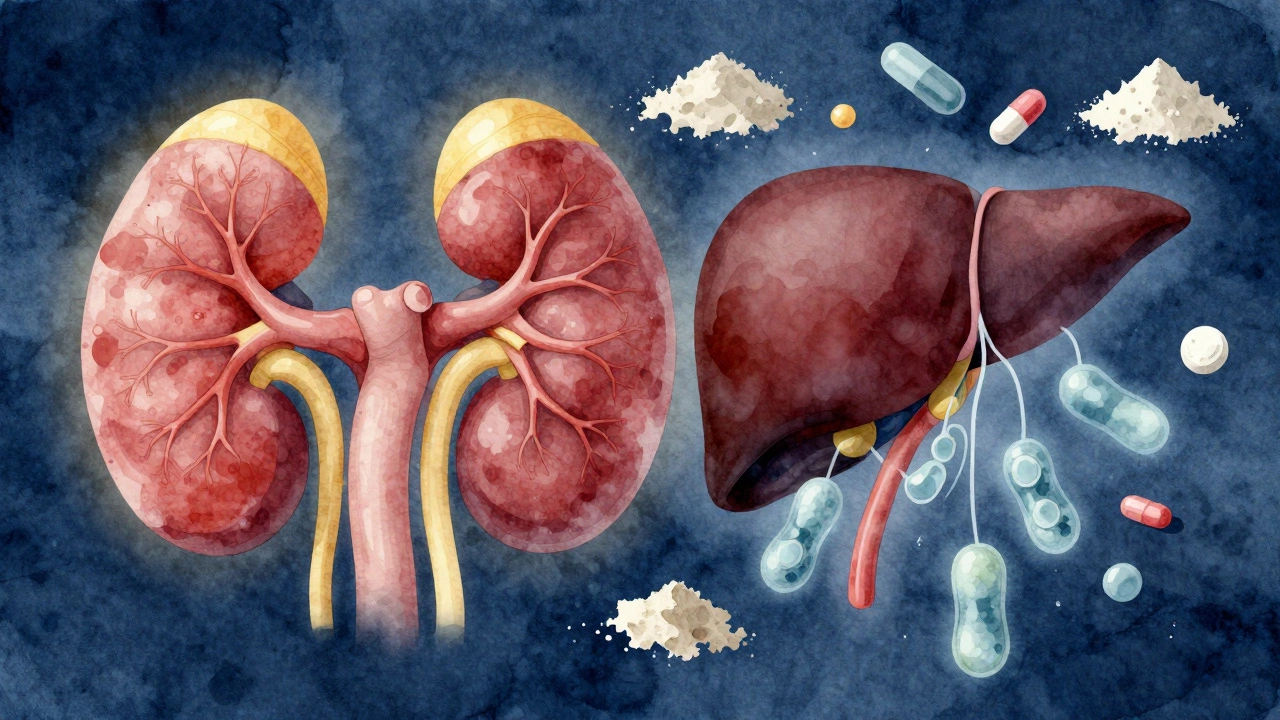
Your kidneys aren’t broken, but they might be working too hard
One of the most common myths is that high protein intake damages healthy kidneys. That’s not true for most people. But if you already have kidney disease-like chronic kidney disease (CKD) stage 3 or higher-extra protein can make things worse. Your kidneys filter waste from protein metabolism, like urea and creatinine. When they’re already struggling, adding more protein means more work. Studies show that people with CKD who cut back on protein slow down the decline in kidney function. The American Journal of Kidney Diseases recommends limiting protein to 0.6-0.8 grams per kilogram of body weight for those with moderate to severe kidney impairment. A typical protein shake has 20-30 grams. That’s more than half your daily allowance in one drink.
You have a dairy allergy or lactose intolerance
Most protein powders are made from whey or casein-both milk proteins. If you’re lactose intolerant, your body can’t break down the sugar in milk. That leads to bloating, cramps, gas, and diarrhea within hours. Even "lactose-free" whey isolates can trigger reactions in highly sensitive people. Soy, pea, or rice protein might seem like safe swaps, but many brands still add milk derivatives for texture or flavor. Always check the ingredient list for words like "whey," "casein," "milk solids," or "lactose." If you’ve ever had a reaction after drinking a shake, even if it was "plant-based," it might not be as clean as you thought.
Your liver is already under stress
Your liver handles protein breakdown, detoxification, and ammonia conversion. If you have fatty liver disease, hepatitis, or a history of heavy alcohol use, extra protein can overload the system. High protein diets increase ammonia production, which the liver turns into urea. When the liver can’t keep up, ammonia builds up. That can cause brain fog, fatigue, confusion, or even hepatic encephalopathy in severe cases. A 2023 study in the Journal of Hepatology found that people with non-alcoholic fatty liver disease (NAFLD) who consumed more than 2 grams of protein per kilogram of body weight daily saw increased liver enzyme levels. That’s about 140 grams for a 70kg person-easily hit with two shakes and a high-protein meal.
You’re not active enough to need it
Most people don’t need protein shakes. The average adult needs about 0.8 grams of protein per kilogram of body weight. That’s 56 grams for a 70kg person. You get that from eggs, chicken, beans, tofu, yogurt, and even bread. Protein shakes are designed for people lifting heavy, doing endurance training, or recovering from injury. If you sit at a desk all day and don’t exercise beyond walking the dog, adding 30 grams of extra protein won’t build muscle-it’ll just turn into fat. A 2022 review in the British Journal of Nutrition found that sedentary adults who supplemented with protein gained no more muscle than those who didn’t. They did, however, gain weight-mostly from excess calories.
You have a history of digestive issues
Protein powders are loaded with additives: thickeners, artificial sweeteners, emulsifiers, and fillers. Sucralose, acesulfame-K, and aspartame are common. These aren’t natural. They’re synthetic, and they can mess with your gut bacteria. A 2024 study in the journal Gut Microbes showed that artificial sweeteners in protein powders reduced beneficial bacteria and increased inflammation markers in people with IBS. Even "natural" sweeteners like stevia or monk fruit can cause bloating and cramping in sensitive people. If you have IBS, Crohn’s, or just a sensitive stomach, protein shakes are often the hidden trigger behind your daily discomfort.
You’re trying to lose weight
It sounds counterintuitive, but protein shakes can sabotage weight loss. Many people think they’re replacing meals, but they’re often adding extra calories on top of their regular diet. A shake can have 250-400 calories. If you’re drinking one after lunch and another after dinner, you’re adding 500-800 extra calories a day. That’s a pound of fat every 9-14 days. Worse, liquid calories don’t trigger fullness the same way solid food does. You’ll feel hungry again faster. If you’re trying to lose weight, focus on whole foods: eggs, lentils, grilled chicken, Greek yogurt. They fill you up longer and come with fiber, vitamins, and minerals-things powders don’t have.
You’re on certain medications
Some medications interact with protein supplements. For example, levodopa (used for Parkinson’s) competes with amino acids for absorption in the gut. High protein intake can reduce its effectiveness, making tremors worse. Antibiotics like tetracycline and ciprofloxacin bind to calcium and magnesium-commonly found in protein powders-and become less absorbable. If you’re on these meds, drink your shake at least two hours before or after your pill. Always check with your pharmacist. If your medication bottle says "take on an empty stomach," a protein shake definitely isn’t the way to go.
You’re a child or teenager
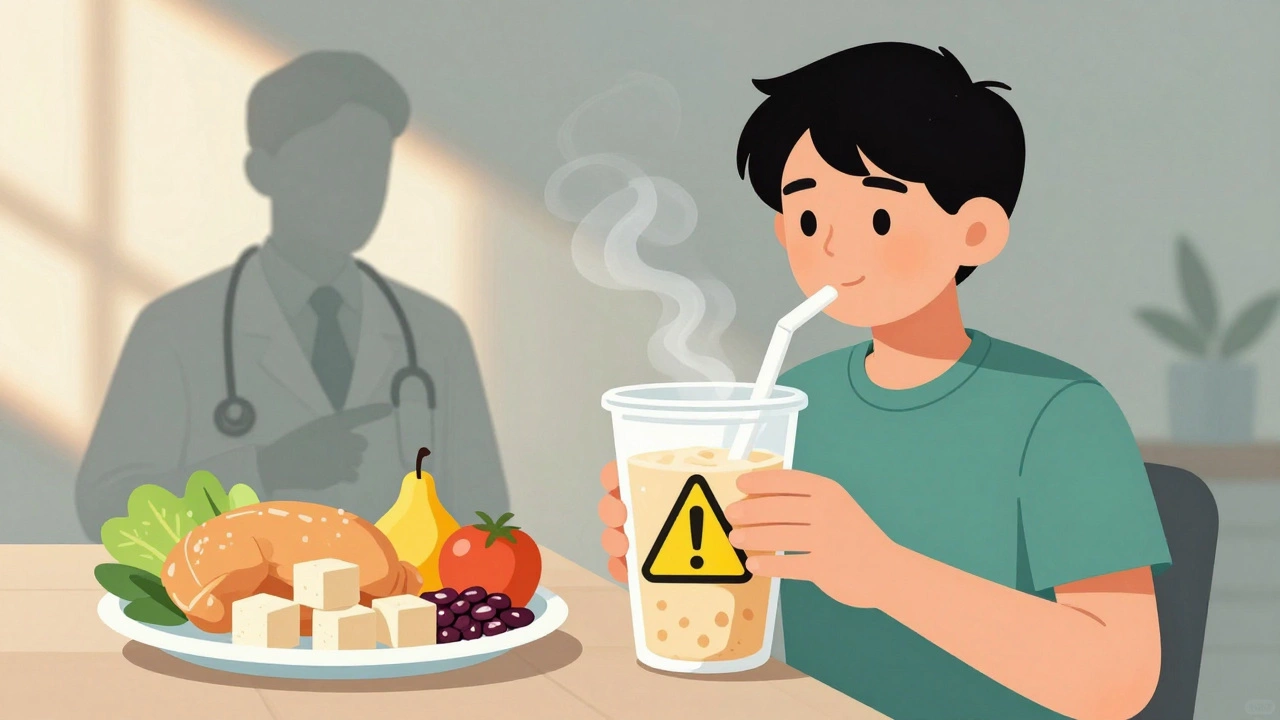
Protein powders aren’t regulated like food. They’re sold as supplements, which means they don’t have to prove safety for kids. Many contain caffeine, creatine, or undisclosed ingredients. A 2023 report from the New Zealand Food Safety Authority found that 1 in 5 protein powders sold online contained unapproved stimulants or steroids. Teenagers don’t need extra protein. Their bodies are still growing, and whole foods provide everything they need. If your teen is into sports, focus on balanced meals with lean meat, dairy, legumes, and nuts. A shake isn’t a shortcut-it’s a risk.
You’re getting enough protein already
Most people in developed countries eat more than enough protein. In New Zealand, the average adult gets 1.2-1.5 grams per kilogram of body weight-well above the recommended 0.8. If you eat meat, fish, eggs, dairy, tofu, or legumes regularly, you’re probably hitting your target without supplements. Adding a shake on top? You’re just overdoing it. Excess protein doesn’t turn into muscle-it turns into fat or gets burned off as energy. And the extra cost? You’re spending $50-$100 a month on something you don’t need.
What to do instead
If you’re avoiding protein shakes, don’t just cut them out-replace them. If you’re hungry after a workout, have a banana with peanut butter. If you need a quick snack, hard-boiled eggs or a small can of tuna work better than a powder. If you’re trying to build muscle, focus on progressive strength training and whole-food meals. If you’re trying to heal your gut, ditch the additives and eat fermented foods like sauerkraut, kefir, or miso. Protein doesn’t come from a scoop. It comes from food.
Can I drink protein shakes if I have diabetes?
Some protein shakes are okay, but many are loaded with sugar or artificial sweeteners that spike blood sugar. Look for unsweetened, low-carb options with under 5 grams of net carbs per serving. Always check the label. If you’re on insulin or metformin, monitor your levels after drinking one. Some people find that protein alone doesn’t raise blood sugar, but added sugars or thickeners can.
Are plant-based protein shakes safer than whey?
Not necessarily. While plant-based powders avoid dairy, they often contain more additives, heavy metals (like lead or arsenic from soil), and fillers like rice flour or maltodextrin. A 2023 Consumer Reports test found that several popular plant-based proteins had higher levels of heavy metals than whey. Choose brands that test for contaminants and publish third-party lab results. Look for certifications like NSF Certified for Sport or Informed Choice.
What happens if I stop drinking protein shakes?
If you were using them to replace meals or didn’t need the extra protein, you’ll likely feel better. Bloating, gas, and digestive discomfort often disappear within a few days. Your body will adjust to getting protein from food instead. You might lose a bit of weight if you were consuming extra calories. But if you were using them to support intense training, you’ll need to replace the protein with whole foods like chicken, lentils, eggs, or tofu to avoid muscle loss.
Is it bad to drink protein shakes every day?
For healthy, active people who need the extra protein, daily use is fine. But if you’re sedentary, have kidney or liver issues, or are sensitive to additives, daily use can cause problems. It’s not the protein itself-it’s the context. Think of it like salt: good in moderation, harmful in excess. If you’re drinking one every day without knowing why, it’s time to reevaluate.
Can protein shakes cause acne?
Yes, especially whey protein. Whey increases insulin and IGF-1 levels, which can stimulate oil production and clog pores. Studies in the Journal of the American Academy of Dermatology link dairy-based protein supplements to increased acne in teens and young adults. If you notice breakouts after starting shakes, try switching to a plant-based, dairy-free option or cut them out entirely for a month to see if your skin improves.
Final thought: Protein isn’t the problem-context is
Protein shakes aren’t evil. They’re tools. But tools can hurt you if you use them wrong. If you’re healthy, active, and need a quick protein boost, they’re fine. But if you have kidney issues, gut problems, a dairy sensitivity, or just don’t train hard, they’re unnecessary-and possibly harmful. Listen to your body. If you feel worse after drinking one, don’t ignore it. You don’t need a shake to be healthy. You just need good food, enough sleep, and movement that fits your life.