
Walking Fat Loss Calculator
Your Stats
Projected Results
Enter your details and click calculate to see how many days of walking it takes to create a significant calorie deficit.
Picture this: you lace up your sneakers, step outside for a brisk thirty-minute walk every single day, and expect to see your stubborn belly fat vanish by next month. It sounds simple, doesn't it? It’s the kind of promise that sells millions of fitness apps and gets shared endlessly on social media. But here is the hard truth that most glossy articles skip over: walking alone rarely triggers significant spot reduction of belly fat, no matter how consistent you are.
Does that mean walking is useless for your waistline? Absolutely not. But if you want to understand why the scale might not move as fast as you hope-and what you actually need to do to see changes in your midsection-you have to look beyond the basic idea of "moving more." Let’s break down the biology, the math, and the strategy behind turning those daily steps into visible results.
The Myth of Spot Reduction
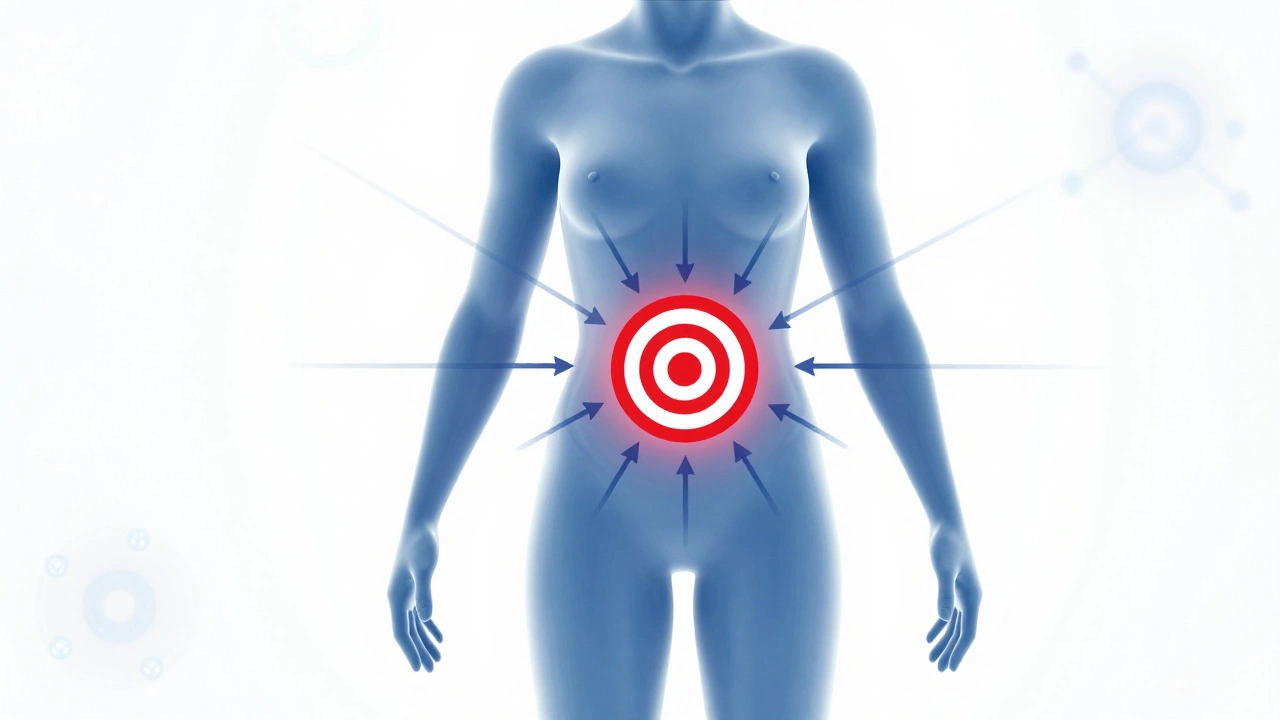
First, we need to address the elephant in the room: can you choose where your body burns fat? The short answer is no. Your body does not work like a remote control where you select "belly" and press "delete." When you create a calorie deficit through exercise or diet, your body pulls energy from fat stores all over. Where that fat comes off first is largely determined by genetics, hormones, and age.
For many people, especially women, the abdomen is one of the last places the body decides to let go of stored energy. This is frustrating, but it’s biological protection. Visceral fat (the deep fat around your organs) and subcutaneous fat (the pinchable layer under your skin) respond differently to stress and diet. If you only walk thirty minutes a day without changing anything else, you might lose a pound or two of overall weight, but that loss could come from water weight or muscle mass in your legs, leaving your stomach looking exactly the same.
Can I target belly fat with specific exercises?
No. Exercises like crunches strengthen the abdominal muscles underneath the fat, but they do not burn the fat covering them. To lose belly fat, you must lower your overall body fat percentage through a combination of diet and cardio.
The Math Behind Thirty Minutes of Walking
Let’s look at the numbers. A thirty-minute walk at a moderate pace (about 3 miles per hour) burns roughly 100 to 150 calories for an average-sized adult. That’s about the same amount of energy contained in one small apple or half a cup of yogurt. If you eat back those calories after your walk-which is easy to do when hunger kicks in post-exercise-you’ve created a net zero effect.
To lose one pound of fat, you generally need a deficit of 3,500 calories. At a rate of 150 calories burned per day, it would take nearly twenty-four days of uninterrupted walking just to lose that single pound, assuming your diet stays perfectly static. In reality, your metabolism adapts. As you become fitter, you burn fewer calories doing the same activity. This is called metabolic adaptation, and it’s why the initial rapid weight loss often stalls after a few weeks.
| Activity | Intensity | Est. Calories Burned (155 lbs person) |
|---|---|---|
| Walking | Moderate (3 mph) | ~140 kcal |
| Jogging | Moderate (5 mph) | ~298 kcal |
| Strength Training | General | ~112 kcal |
| HIIT | High | ~250-300 kcal |
This data shows that while walking is great for health, it is inefficient for aggressive fat loss compared to higher-intensity options. However, efficiency isn’t everything. Consistency matters more. If jogging hurts your knees or HIIT makes you quit after three days, then walking wins because you’ll actually stick with it.
Why Walking Still Matters for Belly Fat
If walking doesn’t melt fat directly, why do experts still recommend it? The secret lies in cortisol management. High levels of cortisol, the stress hormone, are directly linked to increased visceral fat storage. When you’re stressed, your body holds onto belly fat as a survival mechanism. Intense, high-stress workouts can sometimes spike cortisol if you aren’t recovering properly.
Walking, particularly in nature or at a relaxed pace, lowers cortisol. It improves insulin sensitivity, which means your body becomes better at using food for energy rather than storing it as fat. By keeping your blood sugar stable and your stress levels low, you create a hormonal environment where fat loss becomes possible. Think of walking as setting the stage, not performing the play.
Additionally, walking increases Non-Exercise Activity Thermogenesis (NEAT). NEAT is the energy you use for everything that isn’t sleeping, eating, or sports-like exercise. People who walk more tend to fidget more, stand more, and move more throughout the day. This cumulative movement adds up to hundreds of extra calories burned weekly without you even realizing it.
How to Make Those 30 Minutes Count
If you are committed to the thirty-minute daily walk, you need to optimize it. A leisurely stroll while scrolling through your phone won’t cut it. You need to turn that time into a deliberate training session. Here is how to upgrade your walk:
- Increase the incline: Find a hill or set your treadmill to a 10% incline. Walking uphill engages your glutes and hamstrings more intensely, boosting calorie burn by up to 60% compared to flat ground.
- Walk faster: Aim for a "brisk" pace where you can talk but not sing. This pushes your heart rate into Zone 2, the optimal zone for fat oxidation.
- Add intervals: Walk normally for two minutes, then power walk for one minute at maximum effort. Repeat this cycle. This mimics the effects of interval training, keeping your metabolism elevated longer.
- Use weights: Wear a weighted vest or hold light dumbbells (2-5 lbs). This forces your body to work harder against gravity, increasing the caloric cost of the activity.
These tweaks transform a passive activity into an active calorie-burning engine. You don’t need to run to get results; you just need to challenge your body slightly more than usual.

The Missing Link: Nutrition and Muscle
Here is the uncomfortable reality: you cannot out-walk a bad diet. If you consume 500 extra calories worth of snacks each day, your thirty-minute walk will cover less than a third of that surplus. To lose belly fat, nutrition must be the primary driver. Focus on high-protein foods and fiber-rich vegetables. Protein keeps you full and preserves muscle mass during weight loss, while fiber helps regulate digestion and blood sugar.
Furthermore, consider adding strength training two to three times a week. Muscle tissue is metabolically active, meaning it burns calories even when you are sitting on the couch. Building lean muscle in your legs, back, and core raises your Basal Metabolic Rate (BMR). Over time, you burn more calories at rest. Walking maintains your health; lifting builds the furnace that burns the fat.
Combine these elements, and the picture changes. Thirty minutes of walking becomes part of a holistic system. It manages stress, improves circulation, and adds to your daily energy expenditure. But it works best when paired with a slight calorie deficit and resistance training.
Realistic Expectations and Timeline
So, will you lose belly fat? Yes, but probably not as fast as you’d like, and not exclusively from the belly. If you maintain a consistent thirty-minute daily walk, improve your diet slightly, and sleep well, you might see a reduction of 0.5 to 1 inch around your waist in the first month. This is healthy, sustainable progress.
Avoid the trap of measuring success solely by the mirror. Track other metrics too. Does your clothes fit better? Do you have more energy? Is your resting heart rate lower? These are signs that your body is changing internally, even if the external changes are slow. Belly fat is often the last to go, so patience is key. Consistency over months beats intensity over weeks.
Is morning walking better for fat loss?
Fasting morning walks may slightly increase fat oxidation during the exercise itself, but total daily calorie balance matters more. Choose the time you are most likely to stick with consistently.
How many steps should I aim for?
While 10,000 steps is a popular goal, research suggests significant health benefits start at 7,000 to 8,000 steps. For weight loss, aiming for 8,000+ steps combined with dietary control is effective.
Can I lose weight without dieting?
It is very difficult. Exercise creates a small deficit, but diet controls the intake. Without adjusting food consumption, exercise alone usually leads to minimal long-term weight loss.
What if I have joint pain?
Walking is low-impact, but if it hurts, switch to swimming or cycling. These activities provide similar cardiovascular benefits without stressing the joints, allowing you to maintain the calorie burn necessary for fat loss.
Does cold weather help burn more fat?
Yes, walking in cold temperatures can activate brown adipose tissue (brown fat), which burns calories to generate heat. However, the difference is marginal compared to the impact of intensity and duration.
Start today. Put on your shoes. Go outside. But remember, the walk is just one piece of the puzzle. Pair it with mindful eating and strength training, and you’ll find that the path to a flatter stomach is clearer than you thought.