
Strength Training Fat Loss Calculator
Calculate your personalized daily calorie target and protein requirements for effective stomach fat loss through strength training.
Your Information
Enter Your Details
Fill in the form to get your personalized fat loss targets
You’ve probably seen the ads. Thirty minutes of crunches a day. A magic ab machine. The promise that if you just twist your torso enough times, the stubborn layer around your midsection will vanish. It’s a tempting idea, but it’s also a biological impossibility. You cannot target fat loss from one specific area by exercising that area. This concept, known as spot reduction, has been debunked by decades of exercise science research. If you want to lose stomach fat, you need to change how you think about strength training.
The real secret isn’t doing more sit-ups. It’s building muscle everywhere else. When you increase your total muscle mass through full-body strength training, your body burns more calories at rest. You turn yourself into a more efficient fat-burning engine. The goal is to create a significant energy gap-burning more than you eat-while preserving lean tissue so you look toned, not just smaller. Let’s break down exactly which lifts work best and why your abs are actually secondary to your legs and back.
Why Crunches Are Not Your Friend
We need to address the elephant in the room: crunches. They feel like they should work because they engage the rectus abdominis, the six-pack muscle everyone wants to see. But engaging a muscle doesn’t mean you’re burning the fat covering it. Doing hundreds of crunches might strengthen the abdominal wall, but it won’t reduce the visceral or subcutaneous fat hiding it. In fact, excessive focus on flexion-based ab exercises can sometimes lead to lower back strain without providing any metabolic benefit for weight loss.
Think of your body like a bank account. Fat is stored energy. To withdraw from that account, you need to spend more than you deposit. Crunches burn very few calories. Lifting heavy weights for large muscle groups, however, creates an 'afterburn' effect. Scientists call this Excess Post-exercise Oxygen Consumption (EPOC). After a hard strength session, your body continues to consume oxygen at a higher rate to repair muscles and replenish energy stores, keeping your metabolism elevated for hours after you leave the gym.
The Power of Compound Movements
If you want to melt belly fat, you need movements that recruit multiple joints and large muscle groups simultaneously. These are called compound exercises. They require more energy, stimulate greater hormonal responses (like growth hormone and testosterone release), and build functional strength. Here are the four pillars of a fat-loss focused strength routine:
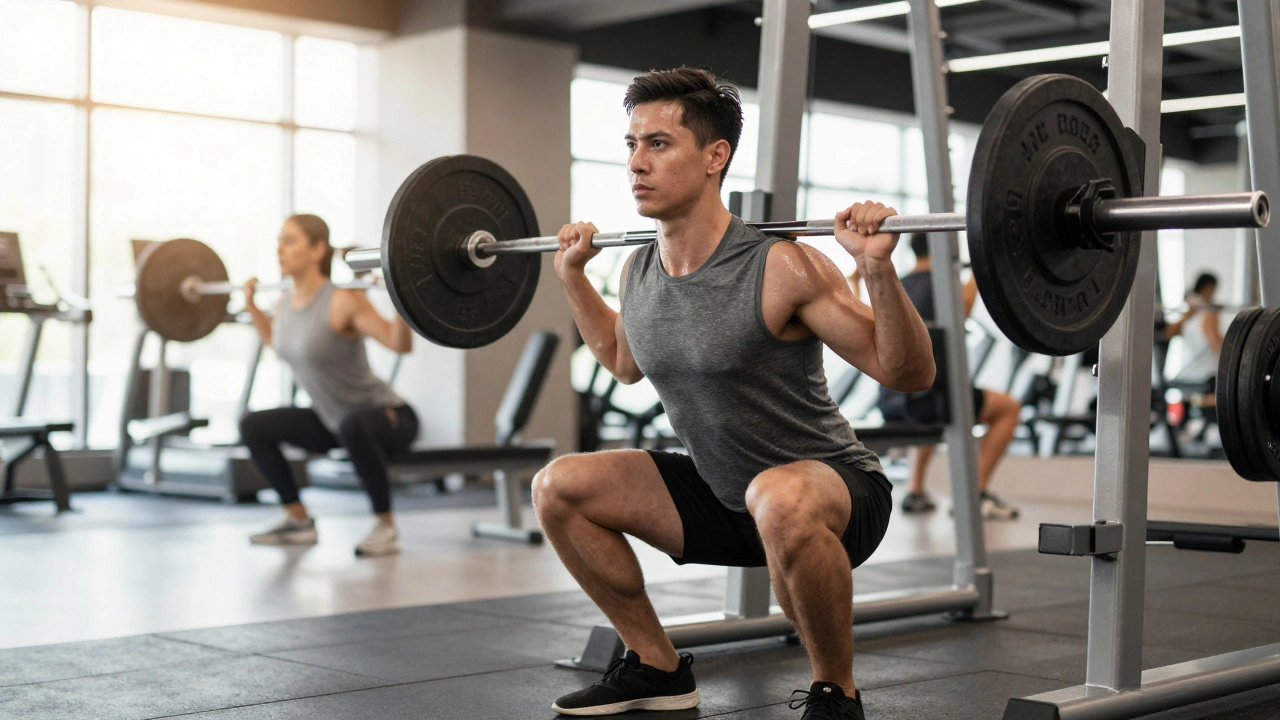
- Squats: Whether you use a barbell, dumbbells, or just your bodyweight, squats engage the quadriceps, hamstrings, glutes, and core. Your abs have to work overtime to keep your spine stable under load. This is far more effective for core development than lying on a mat.
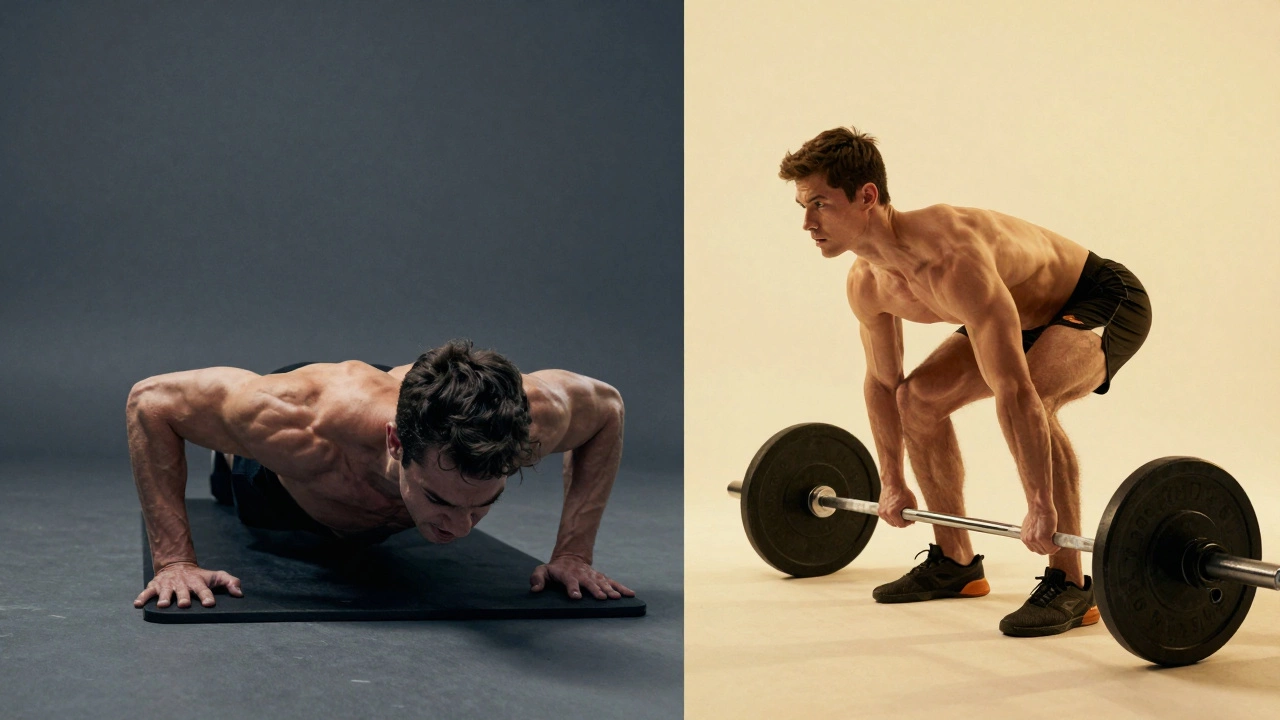
- Deadlifts: Often called the king of exercises, deadlifts hit the posterior chain-hamstrings, glutes, and lower back. They require immense core tension to prevent rounding of the spine. This builds a thick, strong midsection that supports your entire body.
- Overhead Presses: Pushing weight overhead forces your core to brace against extension. It engages the shoulders, triceps, and upper back while demanding absolute stability from your trunk. It’s a full-body challenge disguised as an arm movement.
- Rows and Pull-Ups: A strong back pulls your shoulders back, improving posture. Poor posture makes your stomach protrude even if you have low body fat. Strengthening the lats and rhomboids helps you stand taller and appear slimmer instantly.
By prioritizing these lifts, you’re forcing your body to adapt by becoming stronger and more metabolically active. You aren’t just working out; you’re remodeling your physiology.
Designing the Routine: Frequency and Intensity
How often should you lift? For most people aiming for fat loss, three to four days per week is the sweet spot. This allows for adequate recovery, which is when muscle repair and fat oxidation peak. If you train every single day with high intensity, you risk overtraining, which spikes cortisol-a stress hormone that can actually promote fat storage around the abdomen.
Structure your workouts to be intense but concise. Aim for sessions lasting 45 to 60 minutes. Focus on progressive overload. This means gradually increasing the weight, reps, or sets over time. If you’re lifting the same 10-pound dumbbells for months, your body adapts, and the metabolic boost disappears. Challenge yourself. If you can easily do 12 reps, it’s time to add weight.
| Day | Focus | Key Exercises |
|---|---|---|
| Monday | Full Body A | Squats, Bench Press, Rows |
| Tuesday | Active Recovery | Walking, Light Yoga |
| Wednesday | Full Body B | Deadlifts, Overhead Press, Pull-Ups |
| Thursday | Rest | Sleep & Nutrition Focus |
| Friday | Full Body C | Lunges, Dips, Face Pulls |
| Saturday | Optional Cardio | Hiking, Cycling, Sports |
| Sunday | Rest | Meal Prep |
The Role of Core Stability vs. Hypertrophy
While we’ve dismissed crunches, we haven’t dismissed the core. However, the goal shifts from hypertrophy (making the abs bigger) to stability (making them stronger and tighter). Incorporate anti-movement exercises into your warm-up or cool-down. These include planks, side planks, Pallof presses, and farmer’s carries.
A plank, for example, teaches your core to resist extension. A farmer’s carry teaches it to resist lateral bending. These movements mimic real-life demands and build a corset-like layer of muscle that supports your spine and improves your silhouette. Do these for time or distance, not for failure. Quality of form matters more than shaking until you collapse.
Nutrition: The Non-Negotiable Partner
You can lift weights like a champion, but if you’re eating in a surplus, you won’t lose fat. Strength training changes the composition of your body, but nutrition dictates the direction of weight change. To lose stomach fat, you must be in a caloric deficit. This means consuming fewer calories than you expend.
However, don’t slash calories drastically. Drastic cuts lead to muscle loss, which lowers your metabolic rate. Aim for a moderate deficit of 300-500 calories below your maintenance level. Prioritize protein intake. Protein is thermogenic-it takes more energy to digest-and it preserves muscle mass during weight loss. Aim for 0.7 to 1 gram of protein per pound of body weight. Include fiber-rich vegetables and healthy fats to keep you satiated. Hunger is the enemy of consistency.

Mitigating Cortisol and Stress
Stress plays a surprising role in belly fat. High levels of cortisol, the primary stress hormone, are linked to increased appetite and preferential fat storage in the abdominal area. This is an evolutionary mechanism to protect vital organs, but in modern life, it works against our aesthetic goals.
Manage your stress outside the gym. Prioritize sleep. Seven to nine hours of quality sleep regulates hunger hormones (ghrelin and leptin) and aids recovery. If you’re sleeping five hours a night, your body perceives this as stress, potentially hindering fat loss regardless of your workout intensity. Meditation, walking in nature, or simply disconnecting from screens before bed can help lower baseline cortisol levels.
Tracking Progress Beyond the Scale
The scale is a liar. As you build muscle and lose fat, your weight might stay the same, even drop slightly, or fluctuate daily due to water retention. Don’t let this discourage you. Use other metrics:
- Measurements: Track your waist circumference weekly. A shrinking waistline is the true indicator of losing stomach fat.
- Photos: Take front, side, and back photos every two weeks under consistent lighting. Visual changes often precede numerical ones.
- Performance: Are you lifting heavier? Doing more reps? Feeling stronger? This indicates muscle gain, which boosts metabolism.
- Clothing Fit: Do your pants feel looser around the waist? That’s the ultimate practical test.
Patience is key. Spot reduction is a myth, but systematic full-body transformation is a reality. By focusing on heavy compound lifts, maintaining a sustainable caloric deficit, and managing stress, you’ll strip away the layers covering your abs naturally. The results will be durable, healthy, and genuinely earned.
Can I lose stomach fat without doing cardio?
Yes, you can. Strength training alone can create a sufficient caloric deficit and metabolic boost to burn fat. While cardio is beneficial for heart health and additional calorie expenditure, it is not strictly necessary for fat loss if your diet and resistance training are well-managed. Many successful bodybuilders achieve low body fat percentages primarily through diet and lifting.
How long does it take to see results?
Most people begin to notice changes in strength within 2-4 weeks. Visible changes in body composition, such as a reduced waistline, typically take 8-12 weeks of consistent effort. Genetics play a role in where you lose fat first, but consistent adherence to the plan will yield results for everyone.
Is HIIT better than strength training for belly fat?
HIIT (High-Intensity Interval Training) is effective for burning calories quickly, but strength training offers superior long-term metabolic benefits due to muscle preservation and growth. A combination of both is ideal, but if you must choose one, strength training provides a better foundation for body recomposition and injury prevention.
Should I avoid carbohydrates to lose stomach fat?
No, you don’t need to eliminate carbs. Carbohydrates fuel your workouts, allowing you to lift heavier and train harder. Focus on complex carbohydrates like oats, rice, potatoes, and fruits rather than refined sugars. Timing carbs around your workouts can optimize performance and recovery.
Why is my waist getting bigger even though I’m working out?
This could be due to several factors: overeating (especially post-workout), high cortisol levels from stress or overtraining, or bloating from certain foods. Ensure you are in a caloric deficit and check your sleep hygiene. Sometimes, initial muscle gain in the obliques can make the waist appear thicker temporarily, but overall fat loss should eventually reveal a smaller waistline.