
Fitness Device Selector Quiz
Answer the following questions to find out which device suits your lifestyle better.
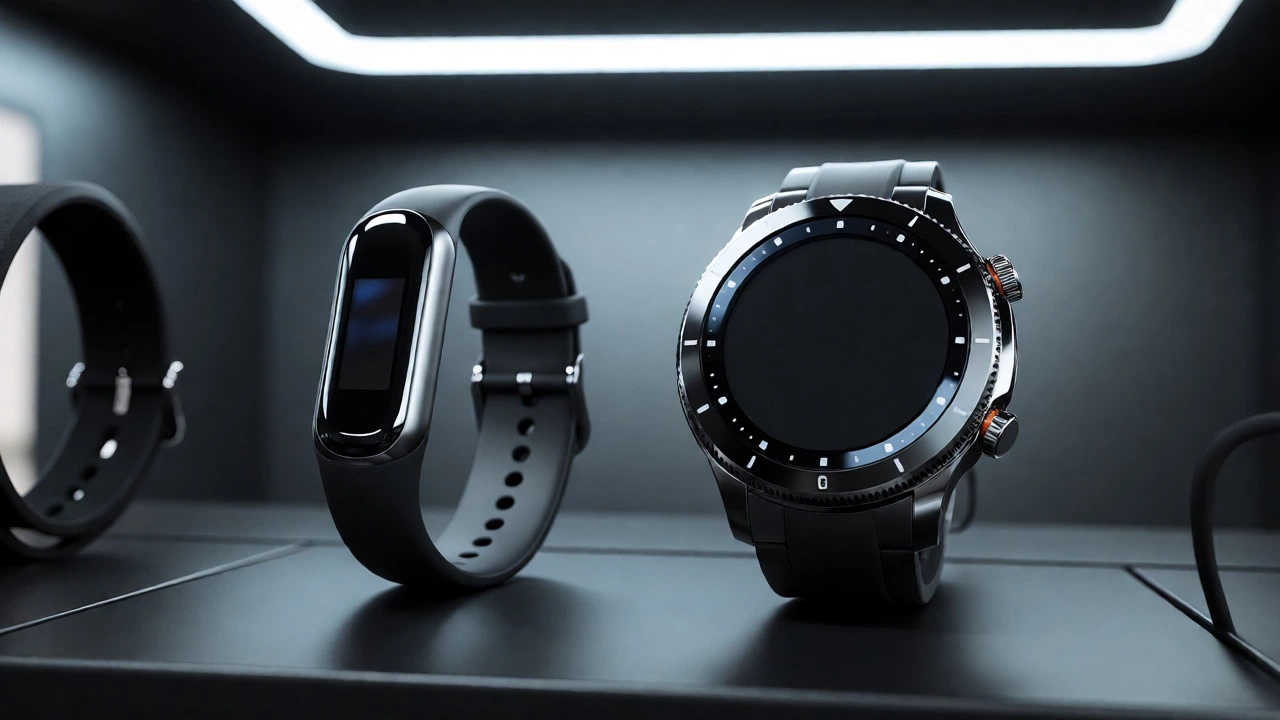
You’re standing in the electronics aisle, staring at two sleek black rectangles on a shelf. One costs $150, the other $450. Both promise to count your steps, track your sleep, and buzz when you’ve been sitting too long. So, what’s the actual difference? Is one just a fancier version of the other, or do they serve completely different purposes?
Here is the short answer: A fitness tracker is a dedicated tool focused solely on health metrics, while a fitness watch (often called a smartwatch) combines those health tools with smartphone-like functionality like calls, apps, and notifications.
But that definition leaves out the messy details that actually matter when you’re spending your hard-earned cash. Do you need GPS for running? Will it last a week on a charge or just a day? Can you reply to texts from your wrist? Let’s break down exactly how these devices differ so you don’t end up buying a computer when you just needed a pedometer, or vice versa.
The Core Purpose: Health Tool vs. Mini-Smartphone
Think about why you want this device. If your main goal is strictly to monitor your physical activity, sleep quality, and heart rate without distractions, a fitness tracker is likely your best bet. These devices are minimalist by design. They strip away everything that isn’t related to your body data. You get step counts, calories burned, active minutes, and sometimes blood oxygen levels. That’s it.
A fitness watch, however, tries to be everything to everyone. It’s essentially a small computer strapped to your wrist. While it tracks health data, its primary selling point is connectivity. You can make phone calls, listen to music via Bluetooth headphones, download third-party apps, and view detailed notifications from Slack, email, or Instagram. The health tracking is just one feature among dozens.
This distinction affects your daily life significantly. Wear a fitness tracker, and you might forget you have it on because it’s lightweight and unobtrusive. Wear a fitness watch, and you’ll constantly feel the pull of digital interruptions. Every buzz is a potential distraction from your workout or your evening relaxation.
Battery Life: The Week-Long Advantage
If there is one area where fitness trackers crush fitness watches, it’s battery life. This isn’t a minor inconvenience; it’s a major lifestyle factor.
Most modern fitness trackers, such as the Fitbit Inspire 3 or the Xiaomi Smart Band 8, offer battery lives ranging from 7 to 14 days on a single charge. Some basic models go even longer. You can wear them continuously for weeks, including during sleep, without worrying about finding an outlet.
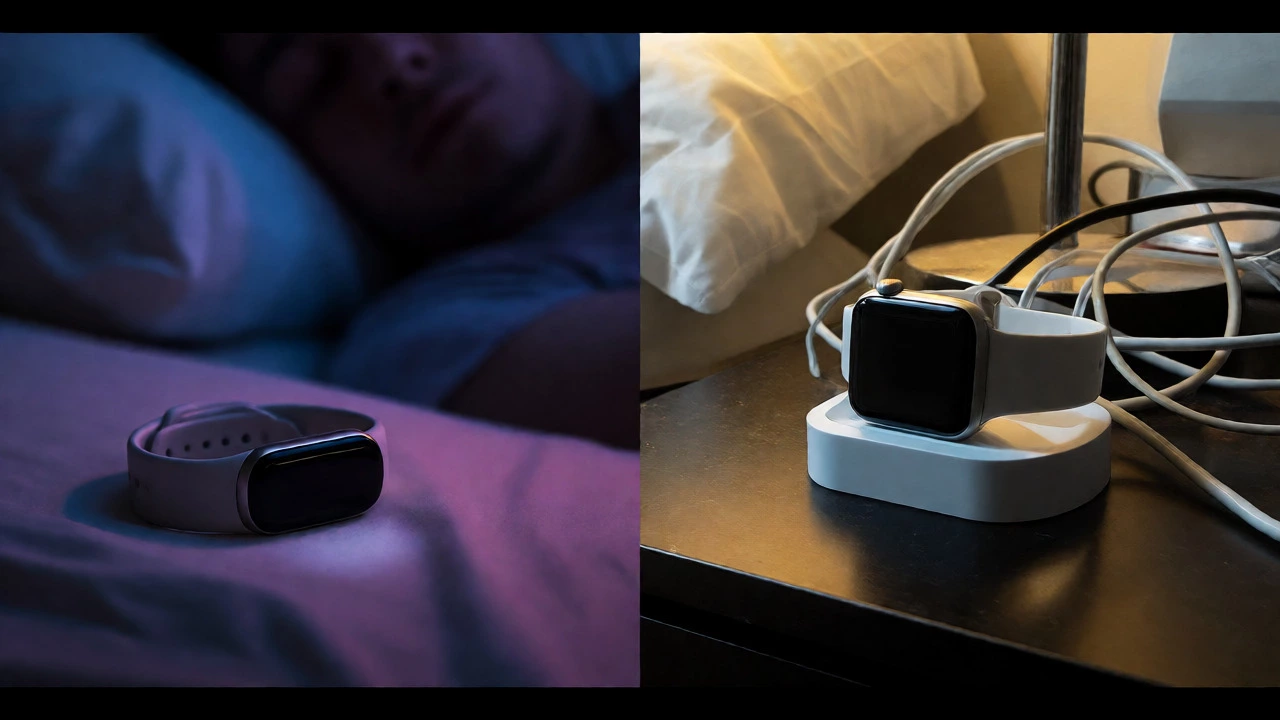
Fitness watches, particularly those running full operating systems like Apple watchOS or Wear OS, typically last between 18 hours and 2 days. If you use GPS heavily or keep the always-on display enabled, you might need to charge it every night. There are exceptions-some rugged outdoor watches like the Garmin Fenix series bridge this gap, offering multi-day battery life despite being smartwatches-but they come with a steep price tag.
Ask yourself: Are you willing to plug in your watch every night? If you travel often or hate charging cables cluttering your bedside table, the simplicity of a tracker’s battery life is a huge win.
Sensors and Accuracy: Where the Data Comes From
Both devices use similar sensors: accelerometers for movement, gyroscopes for orientation, and optical heart rate monitors. But how they use them differs.
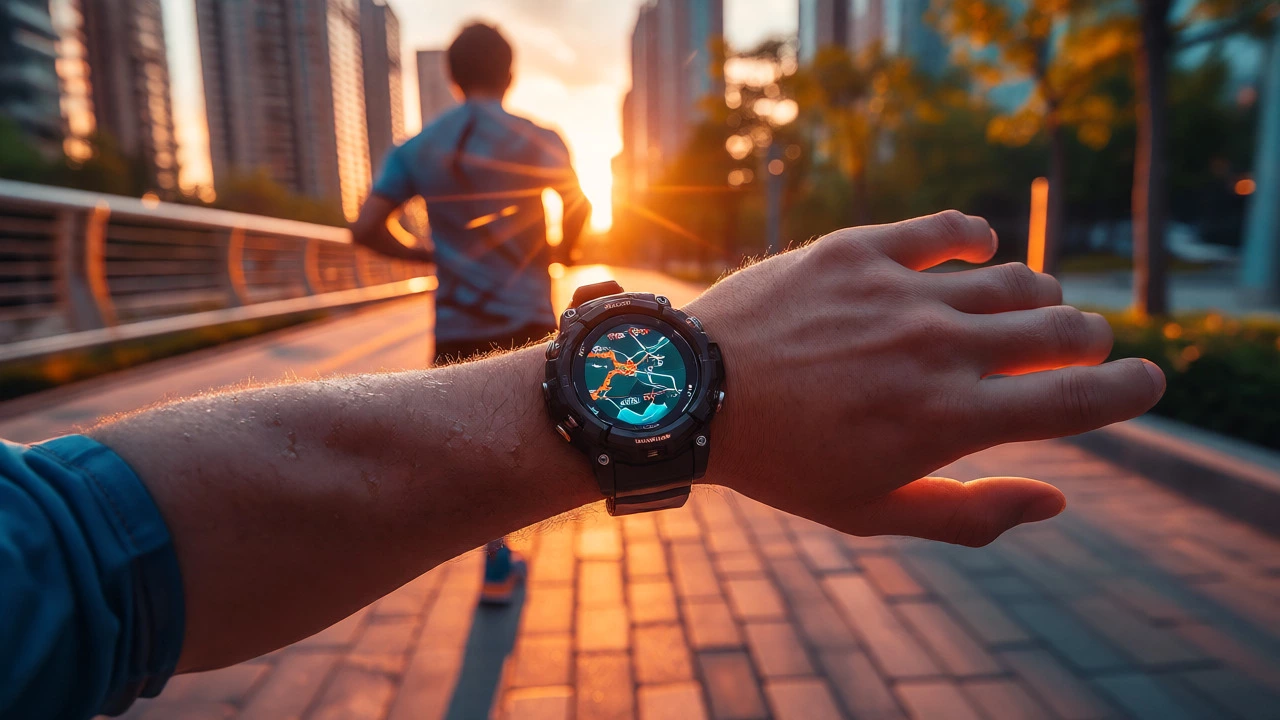
Fitness watches often pack more advanced sensors. Because they have larger batteries and processing power, they can run complex algorithms in real-time. Many high-end watches include built-in GPS. This means you can leave your phone at home during a run, and the watch will accurately map your route, distance, and pace. For runners and cyclists, this is non-negotiable.
Basic fitness trackers usually rely on "connected GPS." This means the tracker doesn’t have its own satellite receiver; instead, it uses your smartphone’s GPS via Bluetooth. If you forget your phone, your distance data becomes an estimate based on step length, which can be inaccurate if your stride changes due to terrain or fatigue.
However, newer mid-range trackers are starting to include standalone GPS. If accurate mapping matters to you but you don’t want a smartwatch, look specifically for models advertising "built-in GPS." Without this label, assume you need your phone nearby.
Screen Size and Usability
Readability is another key differentiator. Fitness trackers typically have narrow, vertical screens. They are designed for quick glances: check the time, see your step count, dismiss a notification. Trying to read a long text message or navigate a map on a tiny OLED strip is frustrating.
Fitness watches feature larger, square or circular displays. This screen real estate allows for richer interfaces. You can scroll through emails, view detailed workout graphs, or use voice assistants like Siri or Google Assistant effectively. If you plan to interact with the device frequently throughout the day-not just checking stats-the larger screen of a watch makes a tangible difference in usability.
Consider your eyesight and usage patterns. If you mostly glance at the device once an hour, a tracker’s compact form factor is less annoying. If you find yourself tapping and swiping multiple times a day, the watch’s interface will feel much smoother.
Price and Value Proposition
Let’s talk money. The price gap between these categories is significant.
| Feature | Fitness Tracker | Fitness Watch |
|---|---|---|
| Average Price | $50 - $150 | $200 - $800+ |
| Battery Life | 7-14 days | 1-2 days (typically) |
| Smart Features | Limited (basic alerts) | Extensive (apps, calls, payments) |
| GPS | Often connected (phone required) | Usually built-in |
| Best For | Sleep, basic activity, budget-conscious users | Runners, tech enthusiasts, app users |
A good fitness tracker delivers 90% of the health insights for 20% of the cost. If you only care about moving more and sleeping better, paying extra for a smartwatch is often wasted money. You’re paying for features you won’t use.
Conversely, if you value convenience-like leaving your phone behind during errands or taking calls while cooking-a fitness watch justifies its higher price. Just be aware that smartwatches depreciate faster. Tech moves quickly, and a $400 watch today might feel outdated in three years, whereas a simple tracker remains functional for much longer.
Ecosystem Lock-In
One hidden trap in this market is ecosystem compatibility. Most fitness watches are tied to specific smartphones. An Apple Watch works best with iPhones. While it technically pairs with Android, many features vanish. Similarly, Samsung Galaxy Watch models are optimized for Samsung phones.
Fitness trackers are generally more agnostic. Brands like Fitbit, Garmin, and Xiaomi work reasonably well across both iOS and Android. The companion apps function similarly regardless of your phone brand. If you switch phones often or don’t want to commit to one brand’s ecosystem, a cross-platform tracker offers more flexibility.
Which One Should You Buy?
Still unsure? Here is a quick decision tree:
- Buy a Fitness Tracker if: You want to improve general health habits, prioritize long battery life, dislike digital distractions, have a limited budget, or primarily care about sleep and step counts.
- Buy a Fitness Watch if: You are a serious runner/cyclist needing standalone GPS, you want to manage notifications/calls from your wrist, you enjoy customizing watch faces/apps, or you already live deeply within the Apple or Android ecosystem.
There is no "better" option globally-only better options for you. Be honest about your habits. If you ignore notifications anyway, don’t pay for them. If you love tech gadgets, the tracker might feel too barebones.
Can a fitness tracker replace a smartwatch entirely?
No, not entirely. While trackers handle health data well, they lack robust smart features like app installation, mobile payments (NFC), and comprehensive communication tools. If you rely on your wrist for navigation, music control, or replying to messages, a tracker will feel limiting.
Are fitness watches waterproof?
Most modern fitness watches are water-resistant up to 5 ATM (50 meters), meaning they can handle swimming and showering. However, always check the specific rating. Basic trackers may only be splash-proof (IP67/IP68) and shouldn't be submerged for long periods. Never use either in hot tubs or saunas unless explicitly rated for it, as steam can damage seals.
Do I need a subscription for fitness tracking?
It depends on the brand. Fitbit requires a premium subscription ($10/month) to unlock detailed sleep stages and heart rate variability data. Apple Watch and Garmin generally offer most core health metrics for free, though Garmin Connect+ exists for advanced coaching. Always check if the features you want are behind a paywall before buying.
Which is more accurate for heart rate monitoring?
Generally, fitness watches with larger optical sensors provide slightly more stable readings during high-intensity interval training (HIIT). However, the difference is marginal for steady-state cardio like jogging. For medical-grade accuracy, neither is perfect; a chest strap monitor is still the gold standard. For general wellness, both device types are sufficiently accurate.
Can I use a fitness tracker without a smartphone?
Yes, you can wear it and collect data offline. However, you cannot sync that data to the cloud, set alarms, or change settings without eventually connecting to a phone. Standalone GPS tracking also requires a phone connection unless the tracker has built-in GPS and offline maps.