
Starting a workout routine as a beginner can feel overwhelming. You see people on social media lifting heavy weights, running marathons, or doing yoga poses that look impossible. But here’s the truth: beginner workouts don’t need to be fancy, intense, or time-consuming. They just need to be consistent. If you’ve never set foot in a gym, haven’t touched a dumbbell, or haven’t moved much beyond walking to the bus stop, this guide is for you. No jargon. No gimmicks. Just clear steps to get you moving safely and steadily.
Step 1: Start with Movement, Not Metrics
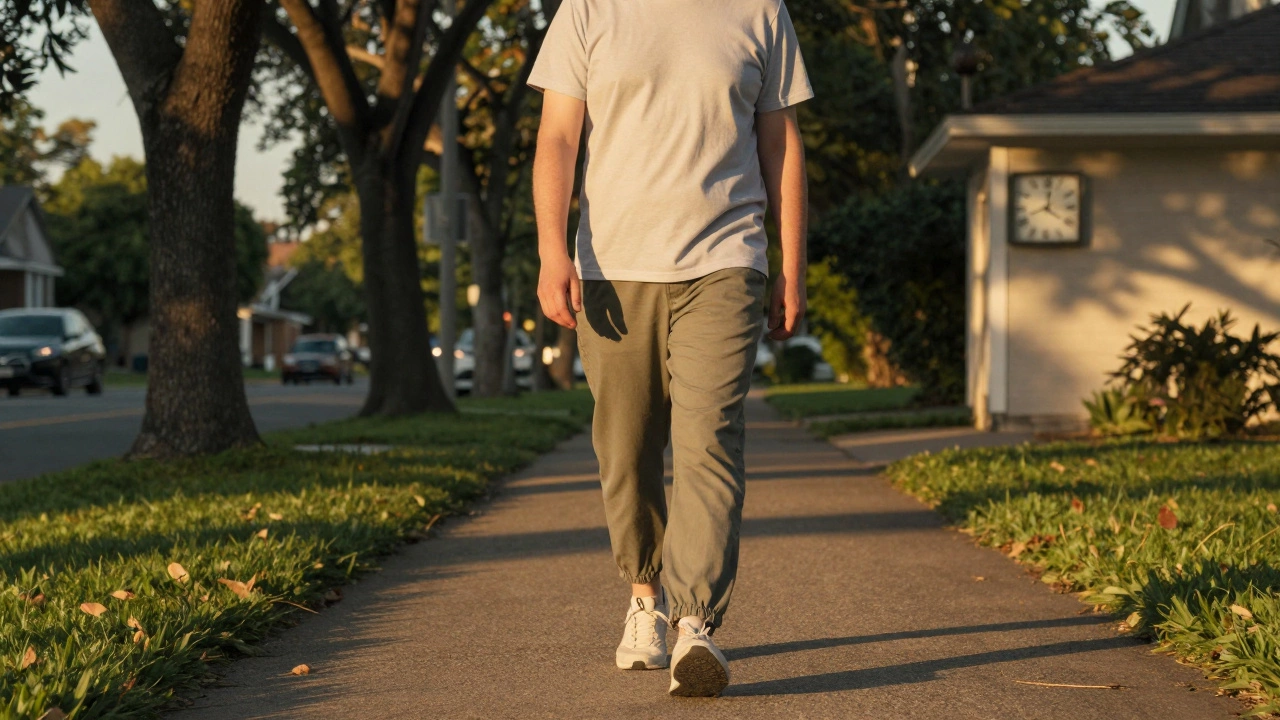
Forget counting calories, tracking steps, or setting weight-loss goals right away. The first goal is simply to move your body every day. Your body isn’t broken-it’s just out of practice. Think of it like relearning how to ride a bike. You wouldn’t start by racing downhill. You’d start by balancing, then pedaling, then turning.Try this: Walk for 20 minutes, five days a week. That’s it. No need to time it perfectly. Do it after dinner. Before work. During your lunch break. Walk around your block. Walk up and down stairs. Walk in place while watching TV. The point isn’t speed or distance. It’s building the habit of moving. After two weeks, you’ll notice you feel less stiff, sleep better, and have more energy. That’s your first win.
Step 2: Add Two Bodyweight Exercises
Once walking feels easy, add two simple strength moves. You don’t need equipment. Your body is the machine.Start with:
- Wall sits - Stand with your back against a wall, slide down until your knees are at 90 degrees, hold for 20-30 seconds. Repeat 3 times. This builds leg strength without stressing your knees.
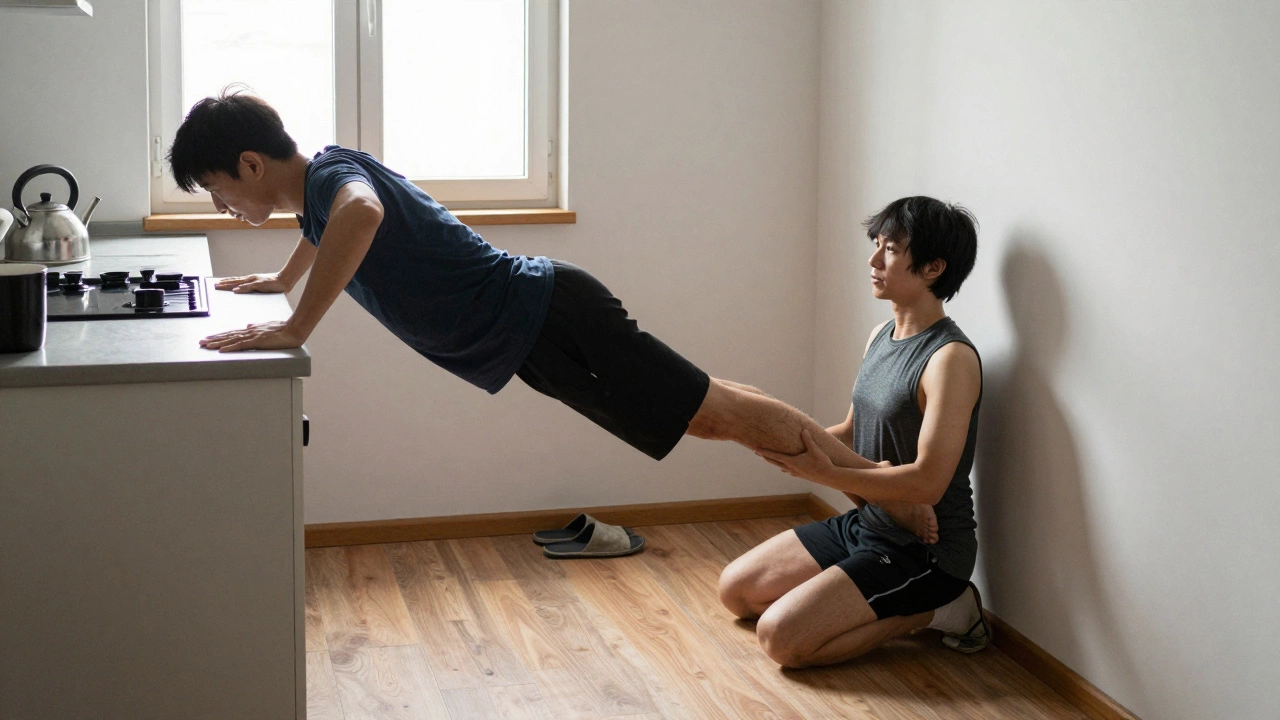
- Push-ups (modified) - Place your hands on a kitchen counter or sturdy chair, feet on the floor. Lower your chest toward the surface, then push back up. Do 8-10 reps. If that’s too hard, do them on your knees.
Do these two exercises 2-3 times a week, right after your walk. No need to go to the gym. No need to buy anything. Just find a wall and a chair. These moves teach your muscles how to work together. They also help prevent injury later on, when you want to lift heavier things.
Step 3: Learn How to Breathe and Rest
Most beginners push too hard too fast. They think more sweat equals better results. It doesn’t. Overtraining leads to burnout, soreness, and quitting. The secret? Recovery is part of the workout.Here’s how to rest properly:
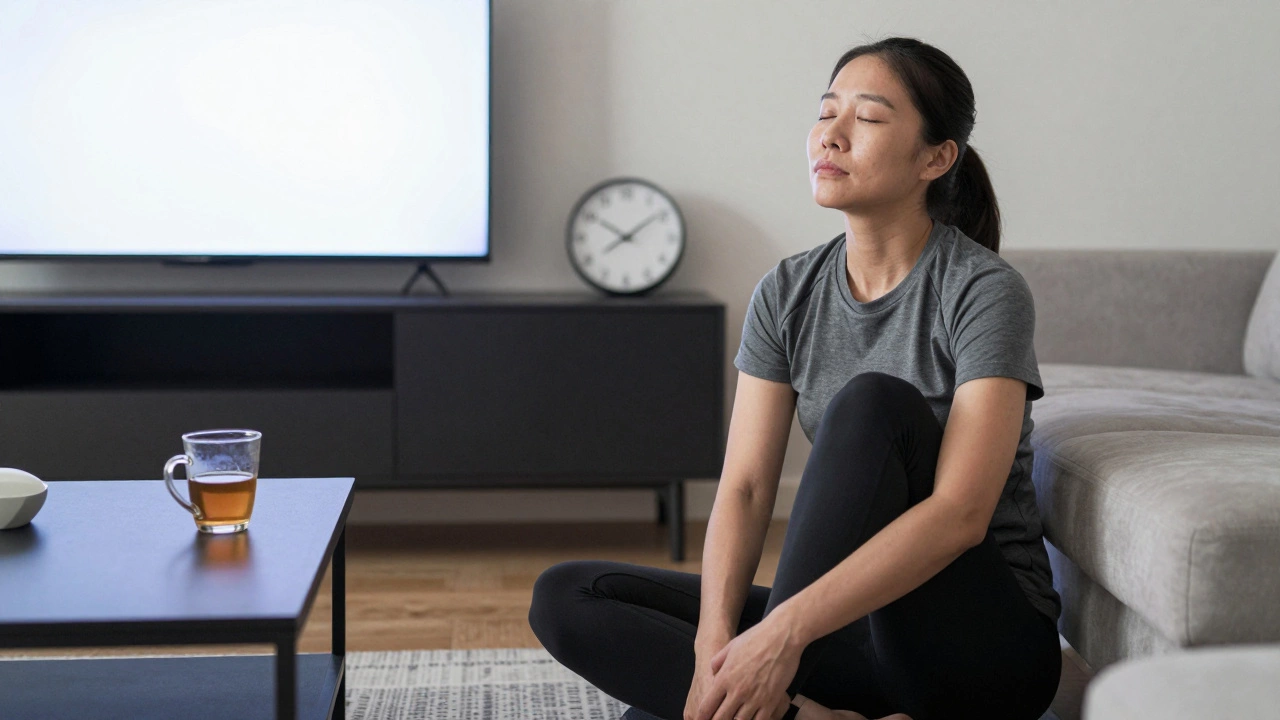
- After walking or doing bodyweight moves, take 1-2 minutes to breathe slowly. Inhale through your nose for 4 counts, hold for 2, exhale through your mouth for 6. Repeat three times.
- Rest at least one full day between strength days. Your muscles grow when you rest, not when you strain.
- If you’re sore, don’t skip movement-just switch to light activity. A gentle walk or stretching helps more than lying on the couch.
Think of your body like a phone. You wouldn’t charge it 24/7. You wouldn’t run it at 100% all day. Your body needs downtime too.
Step 4: Track Progress, Not Perfection
You don’t need an app. You don’t need a journal. But you do need to notice changes. Here’s how:Every two weeks, ask yourself:
- Can I walk longer without getting tired?
- Can I hold a wall sit longer than last time?
- Do I feel stronger when I carry groceries or climb stairs?
- Do I sleep deeper or wake up less stiff?
If the answer is yes to any of these, you’re progressing. That’s all that matters. You’re not trying to look like someone else. You’re trying to feel better than you did last week.
One person I know started with 10-second wall sits. Six weeks later, she held them for 60 seconds. She didn’t lose weight. But she could carry her toddler up the stairs without stopping. That’s real progress.
Step 5: Make It Stick
The hardest part isn’t the workout. It’s sticking with it. Most people quit because they treat fitness like a task, not a part of life.Here’s how to make it last:
- Pair it with something you already do. Walk after coffee. Do wall sits while waiting for your kettle to boil. Stretch while watching your favorite show.
- Keep it simple. If you miss a day, don’t try to make up for it. Just get back on track the next day. No guilt.
- Focus on how you feel, not how you look. You’ll notice your clothes fit better, your mood lifts, your energy increases-before you see any changes in the mirror.
Don’t wait for motivation. Motivation comes after you start. The first time you finish a walk and feel proud? That’s the spark.
What Not to Do
Here are three common mistakes beginners make-and how to avoid them:
- Doing too much on day one. If you try to do 50 push-ups and run 5K on your first day, you’ll be too sore to move for three days. Start small.
- Comparing yourself to others. Social media shows highlights, not the 3 months of failed attempts before the ‘before’ photo. Your journey is yours alone.
- Waiting for the ‘perfect’ time. There’s no perfect time. You’ll never feel ready. Start now, even if it’s just 10 minutes.
Sample Beginner Week
Here’s what a realistic week looks like for someone just starting out:
- Monday - 20-minute walk + 3 sets of wall sits
- Tuesday - Rest or light stretch
- Wednesday - 20-minute walk + 3 sets of modified push-ups
- Thursday - Rest
- Friday - 20-minute walk + wall sits + push-ups
- Saturday - Walk somewhere new (park, beach, neighborhood)
- Sunday - Rest
That’s it. No fancy gear. No membership. No app. Just movement, rest, and consistency.
When to Level Up
After 4-6 weeks, if you’re doing your walks easily and holding wall sits for 45+ seconds, you’re ready to add one more thing:
- Try standing squats - stand with feet shoulder-width apart, lower your hips back like you’re sitting in a chair, then stand up. Do 10 reps, 2 sets.
- Or, increase your walk to 30 minutes.
- Or, do push-ups from the floor instead of the counter.
One change at a time. Don’t jump ahead. The goal isn’t to become an athlete. It’s to become someone who moves without thinking about it.
Final Thought: Movement Is Medicine
Working out isn’t about burning fat or building muscle. Not at first. It’s about reconnecting with your body. It’s about feeling strong enough to play with your kids, carry your groceries, climb stairs without gasping, or just stand up from a chair without using your hands.
That’s what you’re building. Not a six-pack. Not a marathon time. Just a body that works for you.
Start today. Walk for 20 minutes. Do two wall sits. Breathe. Rest. Repeat.
What’s the best time of day to work out as a beginner?
There’s no single best time. The best time is the one you’ll stick with. Some people feel more energized in the morning. Others prefer evening walks after dinner. Try different times for a week. Notice which one leaves you feeling more consistent and less rushed. That’s your time.
Do I need to stretch before working out?
Not before a beginner workout. Static stretching (holding stretches) before activity can actually reduce strength. Instead, warm up with light movement. Walk for 5 minutes, swing your arms gently, or do slow arm circles. Save stretching for after your workout, when your muscles are warm.
I’m out of breath just walking. Is that normal?
Yes. If you haven’t been active, your heart and lungs aren’t used to working harder. That’s okay. Slow down. Walk at a pace where you can still talk in short sentences. Over time, your breathing will get easier. It usually takes 2-4 weeks. Don’t push through pain or dizziness. If you feel sharp chest pain, stop and see a doctor.
Can I do this if I have joint pain or old injuries?
Yes-but modify. If your knees hurt, swap walking for swimming or cycling. If your back is sensitive, avoid bending forward. Focus on movements that feel pain-free. Talk to a physiotherapist before starting if you’re unsure. Low-impact movement often helps heal stiff joints over time.
How long until I see results?
You’ll feel results before you see them. Within 2 weeks, you’ll notice better sleep, more energy, and less stiffness. After 4-6 weeks, you’ll be able to walk longer, do more reps, and climb stairs without catching your breath. Visible changes like muscle tone or weight loss take longer-usually 8-12 weeks-and depend on diet and sleep too.