
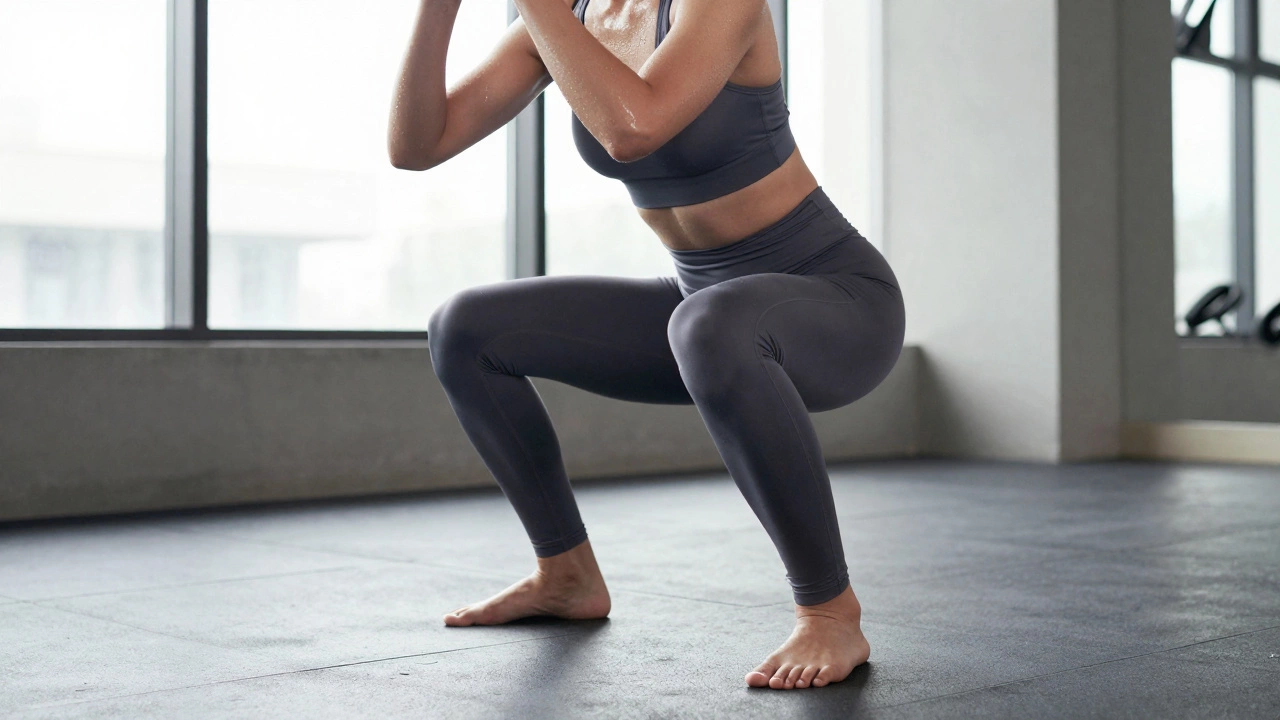
Showing up to your personal training session in the wrong clothes isn’t just uncomfortable-it can slow you down, limit your movement, or even lead to injury. You wouldn’t show up to a sprint race in flip-flops, so why show up to a PT session in baggy jeans or a cotton t-shirt that turns into a wet sponge after five minutes? What you wear matters more than you think.
Forget Fashion, Focus on Function
Personal training isn’t a runway show. Your goal isn’t to look good-it’s to move well. The best PT outfits are built around three things: freedom of movement, moisture control, and support. If your shirt rides up during burpees, your shorts pinch during lunges, or your socks slide inside your shoes, you’re fighting your gear instead of your workout.Start with the basics: a moisture-wicking top and flexible bottoms. Look for fabrics like polyester, nylon, or spandex blends. These pull sweat away from your skin and dry fast. Cotton? Skip it. It holds moisture, gets heavy, and chafes. One client told me she switched from cotton tees to a lightweight athletic top and noticed her endurance improved within a week-she wasn’t overheating or stuck in damp fabric.
Bottoms That Don’t Hold You Back
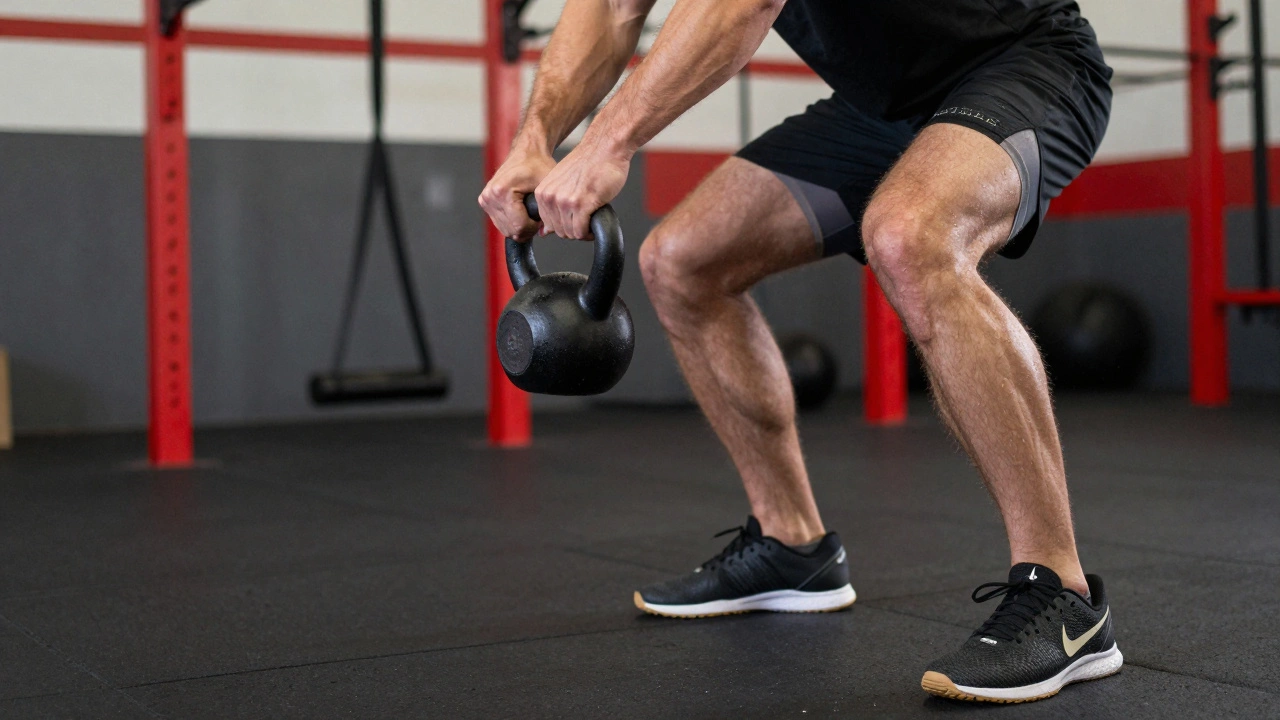
Your legs need room to move. Whether you’re doing squats, box jumps, or kettlebell swings, tight or restrictive pants will stop you from reaching full range. Compression tights or leggings with a four-way stretch are ideal. They give support without squeezing. Avoid anything with thick seams around the inner thigh-that’s a recipe for chafing during high-rep movements.Shorts are fine too, but make sure they’re not too loose. If they ride up or flap around during jumps, you’ll be adjusting them instead of focusing on your form. Look for shorts with an internal liner and a secure waistband. A drawstring is helpful, but if it’s too loose, it’ll slip during planks or mountain climbers.
Footwear: The Foundation of Every Move
Your shoes are the only thing between you and the floor. And that floor is where most of your power comes from. Don’t wear running shoes for weight training. Running shoes are built to absorb impact-they’re soft and unstable for lifting. That’s the opposite of what you need when you’re deadlifting or doing box jumps.Look for flat-soled training shoes with a firm base. Brands like Reebok Nano, Nike Metcon, or Adidas Adipower are designed for cross-training. They give you grip, stability, and a direct connection to the ground. If your PT session includes a lot of rope climbs, sled pushes, or plyos, this is non-negotiable. One trainer I know had a client who kept rolling her ankle during lateral drills-turned out she was wearing cushioned running shoes. Switched to Metcons, and the problem vanished.
Support Where You Need It
Women: a good sports bra isn’t optional. It’s essential. High-impact movements like jump squats, kettlebell swings, or battle ropes demand serious support. Go for a compression-style bra with wide straps and a secure back closure. If you can bounce in it without discomfort, it’s not enough. Try the jump test: bounce hard in front of a mirror. If there’s excessive movement, keep looking.Men, you’re not off the hook either. If you’re doing heavy lifting or core work, consider compression shorts with a built-in liner. They reduce muscle vibration, which can help with fatigue and recovery. Plus, they prevent awkward moments during overhead lifts or leg raises.
Accessories That Actually Help
Don’t overdo it with gear, but a few smart additions make a difference:- Wrist wraps or lifting straps-if you’re doing heavy rows or pull-ups, they take pressure off your grip.
- Thin cotton or synthetic gloves-help with grip and prevent calluses, but avoid thick padded ones. They reduce feel and control.
- A small towel-for wiping sweat, not for draping over your head during rest.
- A water bottle with a secure cap-no one wants to fumble with a flip-top during a circuit.
Leave the headphones at home unless your trainer says it’s okay. Most PT sessions rely on verbal cues and feedback. If you can’t hear your coach, you’re missing critical corrections.
What to Avoid
Here’s a quick list of clothing mistakes I see all the time:- Baggy hoodies or oversized tees-restrict movement and trap heat.
- Denim or jeans-no flexibility, no breathability, heavy when wet.
- Flip-flops or sandals-even if you’re just walking to the gym.
- Loose socks-your feet need to stay locked in place. No slipping.
- Too many layers-unless you’re training outdoors in winter. Even then, layer smart: moisture-wicking base, light insulator, wind-resistant shell.

Seasonal Adjustments
Auckland’s weather changes fast. In summer, you want lightweight, breathable fabrics. In winter, you still need to move freely-but you can add a lightweight thermal base layer under your top. A zip-up hoodie you can take off after warm-ups works better than a bulky jacket.Don’t wear gloves in summer unless you’re doing heavy barbell work. Your hands need to breathe. And if you’re training outside, UV-protective clothing or sunscreen is a must. One client got sunburned on her shoulders during an outdoor session because she wore a tank top without realizing how strong the sun was.
Pro Tip: Test Before You Train
Before your next session, do a quick movement test in your outfit:- Do a full squat-can you go below parallel without your shorts riding up?
- Reach overhead-does your shirt stay down?
- Do a lunge with a twist-do your shoes stay put?
- Jump lightly-does your sports bra hold?
If anything feels tight, loose, or restrictive, swap it out. Your PT session isn’t the time to figure out your gear. It’s the time to focus on your form, your effort, and your progress.
It’s Not About Brand, It’s About Fit
You don’t need the most expensive gear. I’ve seen clients crush workouts in $25 leggings from a local discount store because they fit right. What matters is how the clothing performs, not the logo on it. Look for sales, check second-hand gear sites, or ask your trainer if they have extra gear you can borrow for your first few sessions.The right outfit doesn’t make you stronger. But it removes distractions. It lets you move without thinking about your clothes. And that’s half the battle when you’re pushing your limits.
Can I wear regular sneakers to a PT session?
Not ideal. Regular running shoes are designed to cushion your feet for forward motion, not for lateral movements, jumps, or lifts. They’re too soft and unstable for strength training. You’ll lose power and risk injury. Opt for flat-soled training shoes like Reebok Nanos or Nike Metcons-they give you a solid base and better grip.
Should I wear compression gear?
Compression gear isn’t required, but it helps. It reduces muscle vibration during high-intensity movements, which can delay fatigue and improve recovery. For longer or more intense sessions, compression tights or shorts make a noticeable difference. Women should prioritize compression sports bras-especially for high-impact workouts.
Is cotton okay for PT?
Avoid it. Cotton absorbs sweat and holds onto it, making you feel heavy, cold, and uncomfortable. It also increases friction, which leads to chafing. Moisture-wicking synthetics like polyester or spandex are far better. They dry quickly and keep you moving freely.
What if I’m training outdoors in winter?
Layer smart. Start with a moisture-wicking base layer, add a light insulating mid-layer like a fleece, and top it with a wind-resistant jacket you can remove once you warm up. Avoid bulky coats-stick to lightweight, stretchy outerwear. Gloves and a thin beanie help, but remove them before you start lifting or doing bodyweight exercises.
Do I need gloves for PT?
Not always. Gloves help with grip and prevent calluses during heavy pulling or climbing, but they reduce your feel for the bar or equipment. Thin, breathable gloves are fine for barbell work. Skip thick, padded ones-they make it harder to control the weight. Many trainers prefer bare hands for better feedback.