
Rentdrop Value Calculator
How much does Rentdrop really cost you?
See the hidden costs of using Rentdrop's free version versus its paid features. Calculate your personal value based on usage habits and goals.
Your Results
Why this matters
You’ve seen the ads: Rentdrop, the fitness app that claims to be 100% free. No subscriptions. No hidden fees. Just workouts, tracking, and coaching-zero dollars. It sounds too good to be true. And honestly? It kind of is.
What Rentdrop actually offers for free
Rentdrop does give you access to a decent library of workouts without paying a cent. You get over 150 bodyweight routines, 30-minute HIIT sessions, and basic strength plans using just your own weight. The app also tracks your reps, sets, and workout history. That’s useful if you’re just starting out or don’t own any equipment.
There’s no paywall blocking access to the core features. You can log in, pick a workout, and start moving. No credit card required. No trial period that auto-renews. That’s rare in today’s fitness app market, where even basic apps charge $5-$10 a month.
But here’s what you don’t get for free: personalized coaching. The app doesn’t adjust your plan based on your progress. If you’re struggling with squats or your push-ups are lagging, Rentdrop won’t notice. There’s no form feedback, no video analysis, no trainer checking in. You’re on your own.
The catch: ads and data
Free apps don’t exist because companies are generous. They exist because they make money another way. Rentdrop makes money from ads. You’ll see banner ads between workouts. Full-screen video ads pop up after you complete a session. Sometimes, you’ll get a 15-second ad right before your warm-up starts.
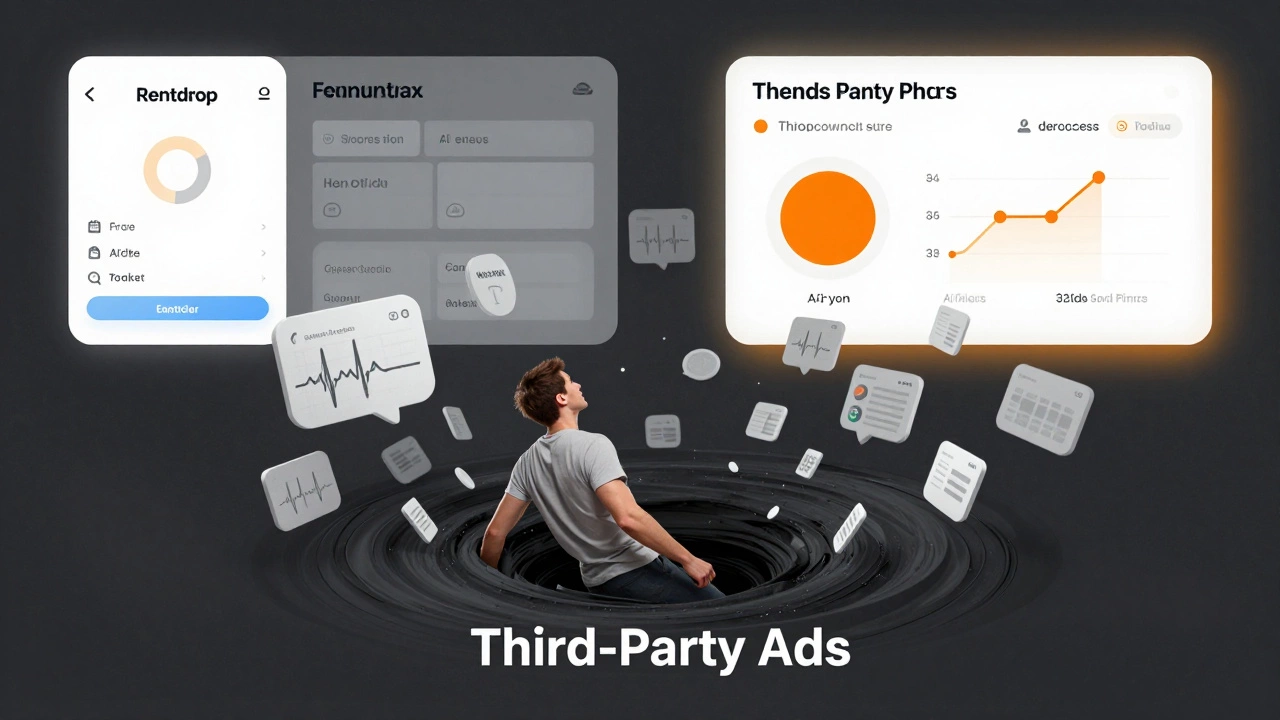
It’s not just ads. Rentdrop collects a lot of data. Your workout frequency, the times you train, which exercises you skip, even how long you rest between sets. That data gets sold to third-party advertisers. You might start seeing targeted ads for protein powder, gym memberships, or even weight loss supplements on other apps. That’s not a bug-it’s the business model.
There’s no way to turn off ads unless you upgrade. And that’s where the real question comes in: is the upgrade worth it?
Rentdrop Pro: what you pay for
Rentdrop Pro costs $7.99 a month or $59.99 a year. That gets you:
- Ad-free experience
- Custom workout plans based on your goals (weight loss, strength, endurance)
- Video form feedback-upload a clip of your squat, and an AI coach gives you corrections
- Progress charts with detailed metrics (heart rate trends, recovery scores, consistency ratings)
- Integration with Apple Health and Google Fit
That sounds valuable. But here’s the thing: most of these features exist elsewhere for cheaper-or even free. Apps like Nike Training Club and FitOn offer AI form feedback and custom plans with no subscription fee. They still have ads, sure, but they don’t sell your data. And they’re just as effective.
Rentdrop Pro doesn’t have any unique tech. The AI form feedback uses the same open-source models that other apps license. The progress charts are basic. There’s nothing here you can’t get from a free app plus a YouTube tutorial.
Who should use Rentdrop for free?
If you’re new to fitness and just want to get moving, Rentdrop’s free tier is fine. It’s better than nothing. You can build a habit. You can learn basic movements. It’s a good starter app.
It’s also great if you’re on a tight budget. Maybe you’re a student. Maybe you’re between jobs. Maybe you’re not ready to commit to a gym or a paid app. Rentdrop lets you try fitness without risk.
But if you’re serious about results-whether that’s losing weight, gaining muscle, or improving your endurance-Rentdrop’s free version won’t get you there. You need structure. You need feedback. You need adjustments. And Rentdrop won’t give you that unless you pay.
What’s missing from Rentdrop
There are glaring gaps in the free version:
- No meal planner or nutrition tracking
- No sleep or recovery insights
- No community features-no challenges, no leaderboards, no motivation from others
- No offline mode-you need internet to load every workout
- No support for external devices like heart rate monitors or smart scales
Compare that to free apps like FitOn or Adidas Training. They include nutrition tips, community challenges, and even mindfulness sessions. Rentdrop feels like a stripped-down version of what’s already out there.
Real user experiences
One user in Auckland, Sarah T., told me she used Rentdrop for six months. She lost 8 pounds just by doing the 20-minute daily workouts. But she said the ads got unbearable. "I’d start a session, then a 30-second ad for a protein shake pops up. I’d get so frustrated I’d quit. I finally upgraded just to make it stop."
Another user, Marco from Wellington, said he tried Rentdrop Pro for a month. "The form feedback was okay, but not better than watching a YouTube video. I canceled after 30 days. I’d rather spend $5 on a personal trainer once a week than $60 a year on this."
Most people who stick with Rentdrop use the free version long-term. But few ever hit their fitness goals. They stay consistent, sure-but they plateau. Fast.
Is Rentdrop worth it?
Is Rentdrop really free? Technically, yes. You don’t pay money upfront. But you pay with your attention, your data, and your potential.
If you just need to move more and don’t care about results, Rentdrop’s free tier works. It’s a decent tool for beginners.
If you want real progress-if you want to change your body, your energy, your confidence-then Rentdrop’s free version isn’t enough. And the paid version? It’s not worth the price. You’re better off with Nike Training Club, FitOn, or even YouTube channels like HASfit or FitnessBlender. They’re free, ad-supported, and actually better designed.
Rentdrop isn’t a scam. But it’s not a breakthrough either. It’s a middle-ground app: not bad, not great. And if you’re looking for something that actually moves the needle, you’ll need to look elsewhere.