
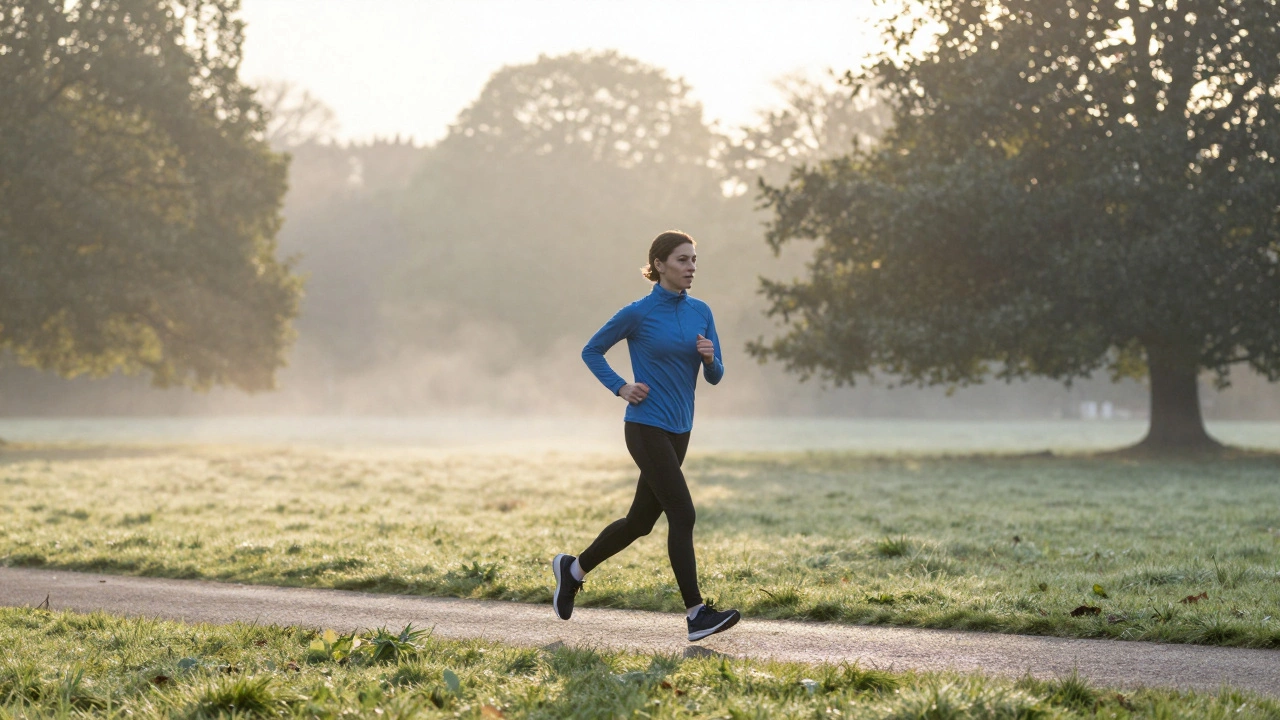
Ever wondered if you're fighting your own biology by hitting the gym at 6 AM, or if that 6 PM session is actually why you feel like a zombie by 8 PM? Most of us pick a workout time based on when we aren't busy, not based on how our bodies actually function. The truth is, there isn't one single "magic hour" that works for everyone, but there is a scientific sweet spot based on your specific goals and your internal clock.
Quick Takeaways: Which Window Fits Your Goal?
- Fat Loss: Morning fasted sessions often edge out the competition.
- Strength & Power: Late afternoon or early evening is usually the peak.
- Consistency: The best time is whenever you actually show up.
- Sleep Quality: Avoid high-intensity training within 3 hours of bedtime.
The Science of Your Internal Clock
To understand timing, you first need to understand the Circadian Rhythm is the natural, internal process that regulates the sleep-wake cycle and repeats roughly every 24 hours . This rhythm controls everything from your body temperature to the release of Cortisol is a steroid hormone that regulates metabolism and stress response, typically peaking in the early morning . When your hormones and temperature are aligned with your activity, you perform better and recover faster.
For most people, core body temperature hits its lowest point around 4 AM and peaks in the late afternoon. Since warmer muscles are more flexible and efficient, this is why you might feel stiffer during a sunrise stretch than a sunset sprint.
Morning Workouts: The Early Bird Advantage
Waking up early to sweat isn't just about "winning the day." There are concrete physiological shifts that happen when you train in the AM. Because you've been fasting during sleep, your glycogen stores are low. This forces your body to tap into Lipolysis is the metabolic process of breaking down triglycerides into free fatty acids for energy more efficiently, which is why morning cardio is a favorite for those focusing on weight loss.
Beyond the calories, the mental win is huge. A morning session clears the deck. You don't have to worry about a sudden late meeting or a social invite ruining your plans. Plus, the spike in endorphins acts like a natural caffeine hit, improving your focus and mood for the rest of the workday. If you struggle with insomnia, a morning workout helps regulate your sleep drive, making it easier to crash at night.

Afternoon and Evening: Peak Physical Performance
If your goal is to hit a new personal record (PR) in the squat rack, the window between 2 PM and 6 PM is your gold mine. During this time, your body temperature is at its highest, which means your muscles are more supple and your reaction time is faster. This isn't a coincidence; it's why the Olympics schedule their finals for the evening.
You also have a nutritional advantage. By 5 PM, you've likely had two or three meals, meaning your muscles are fueled with glycogen. This allows you to push harder and sustain higher intensities than you could at 6 AM. For people who struggle with morning grogginess, an evening session serves as a "stress release valve," allowing you to dump the mental tension of the day into the weights.
| Goal | Best Window | Key Benefit | Potential Downside |
|---|---|---|---|
| Weight Loss | 6 AM - 9 AM | Higher fat oxidation | Lower energy levels |
| Muscle Growth | 3 PM - 7 PM | Peak strength & fueling | Gyms are more crowded |
| Mental Clarity | 7 AM - 11 AM | Dopamine & endorphin boost | Risk of skipping due to sleep |
| Stress Relief | 5 PM - 8 PM | Decompresses after work | Can disrupt sleep if too intense |
The Danger of the "Midnight Sweat"
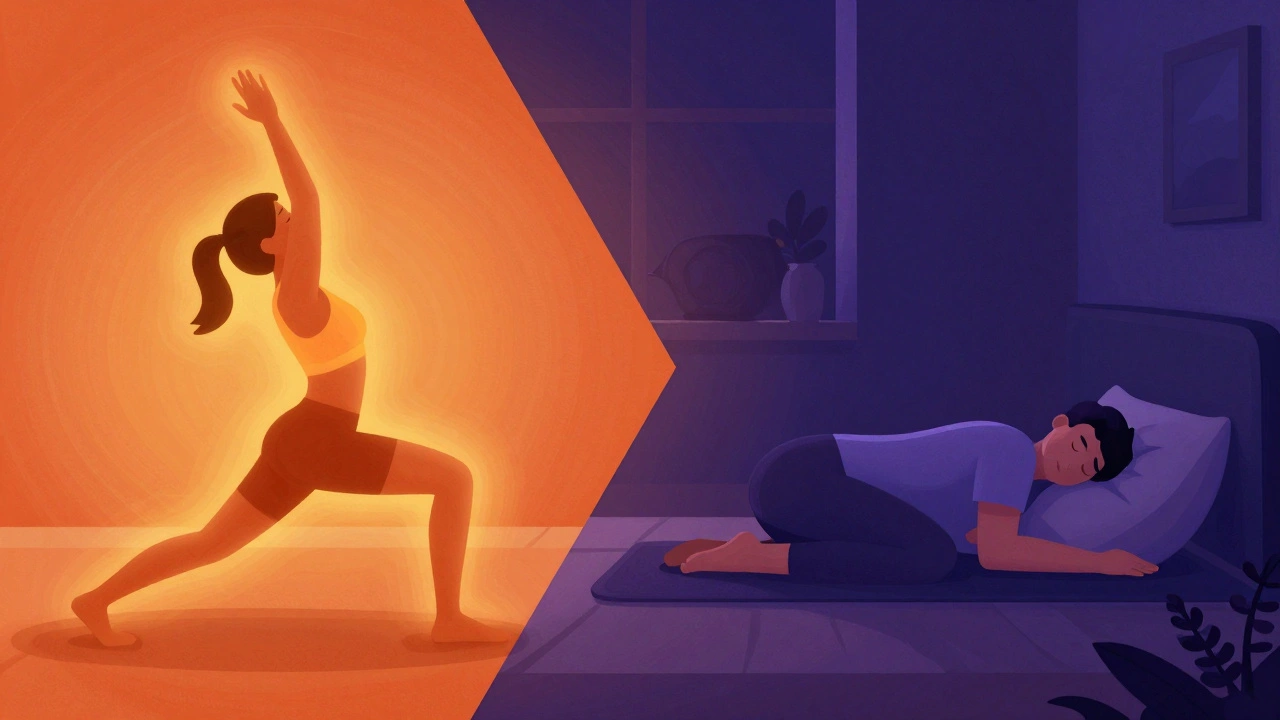
While some people swear by late-night gym sessions, there's a catch. High-intensity training triggers the release of adrenaline and increases your heart rate. If you're doing a heavy HIIT Workout is High-Intensity Interval Training involving short bursts of intense exercise alternated with low-intensity recovery periods at 10 PM, you might find yourself staring at the ceiling for hours. Your core temperature needs to drop to initiate deep sleep; a grueling workout keeps it elevated.
If you must work out late, pivot toward low-impact activities. Think Yoga is a practice of physical postures, breathing exercises, and meditation aimed at achieving mental and physical well-being or a light walk. This signals to your nervous system that it's time to wind down rather than ramp up.
Customizing Your Schedule Based on Chronotypes
Not everyone is built the same. If you've ever felt like a "night owl," you likely have a different chronotype than a "morning lark." For a lark, a 6 AM session feels natural. For an owl, forcing a morning workout can actually lead to injury because their coordination and alertness aren't fully online until midday.
Listen to your body. If you feel sluggish and weak in the morning despite getting 8 hours of sleep, stop fighting it. Shifting your best time to workout to 4 PM might be the difference between a mediocre session and a breakthrough. The only "wrong" time to work out is the time that makes you hate exercising.
Practical Tips for Transitioning Your Time
Changing your routine isn't as simple as setting a new alarm. You need to manage your biology. If you're moving to morning workouts, prepare your gear the night before to remove all "friction." More importantly, spend five to ten minutes warming up your joints; your synovial fluid is thicker in the morning, making your joints feel like they need more lubricant.
If you're moving to evening sessions, watch your pre-workout supplements. Many contain high doses of caffeine that can linger in your system for 6+ hours, sabotaging your sleep cycle. Switch to a non-stimulant pump product or a piece of fruit for energy instead.
Does working out in the morning really burn more fat?
Yes, specifically if you do cardio in a fasted state. When you wake up, your insulin levels are low and your glycogen is depleted, which prompts the body to use stored fat for fuel. However, the total calories burned over 24 hours is what matters most for weight loss, so don't stress if you prefer the evening.
Will a late-night workout keep me awake?
It can. Intense exercise increases cortisol and core body temperature, both of which oppose sleep. If you feel wired after a late session, try a cool shower and some light stretching to help your body transition back into a resting state.
When is the best time for strength training?
Generally, late afternoon (3 PM to 6 PM) is ideal for strength. Your body temperature is higher, your muscles are more flexible, and you've had a few meals to fuel the effort. This is typically when most people hit their peak power output.
Is it okay to work out every day at the same time?
Actually, it's encouraged. Consistency in timing helps your body build a physiological expectation. Your hormones will start to prime themselves for activity at that specific hour, making it easier to get into the zone.
What if I have a hectic schedule and can't stick to one time?
Don't sweat it. While consistency is great for peak performance, the benefits of movement far outweigh the benefits of perfect timing. Just adjust your warm-up (longer in the morning, shorter in the evening) and focus on getting the work done.