
Fitbit Clinical Utility Checker
How do physicians view your data? Select a metric below to see its clinical utility, accuracy rating, and what doctors actually think about it.
Heart Rate
Resting & ActiveECG / AFib
Rhythm DetectionSleep Tracking
Stages & QualitySteps / Activity
Movement CountBlood Oxygen
SpO2 LevelsStress Score
HRV & RecoveryYou wear it every day. You check your sleep score in the morning and glance at your heart rate during lunch. But when you sit down with a cardiologist or a primary care physician, does that wrist-worn data actually matter to them? For years, there was a divide between consumer tech and clinical medicine. Today, that gap is closing, but not without friction.
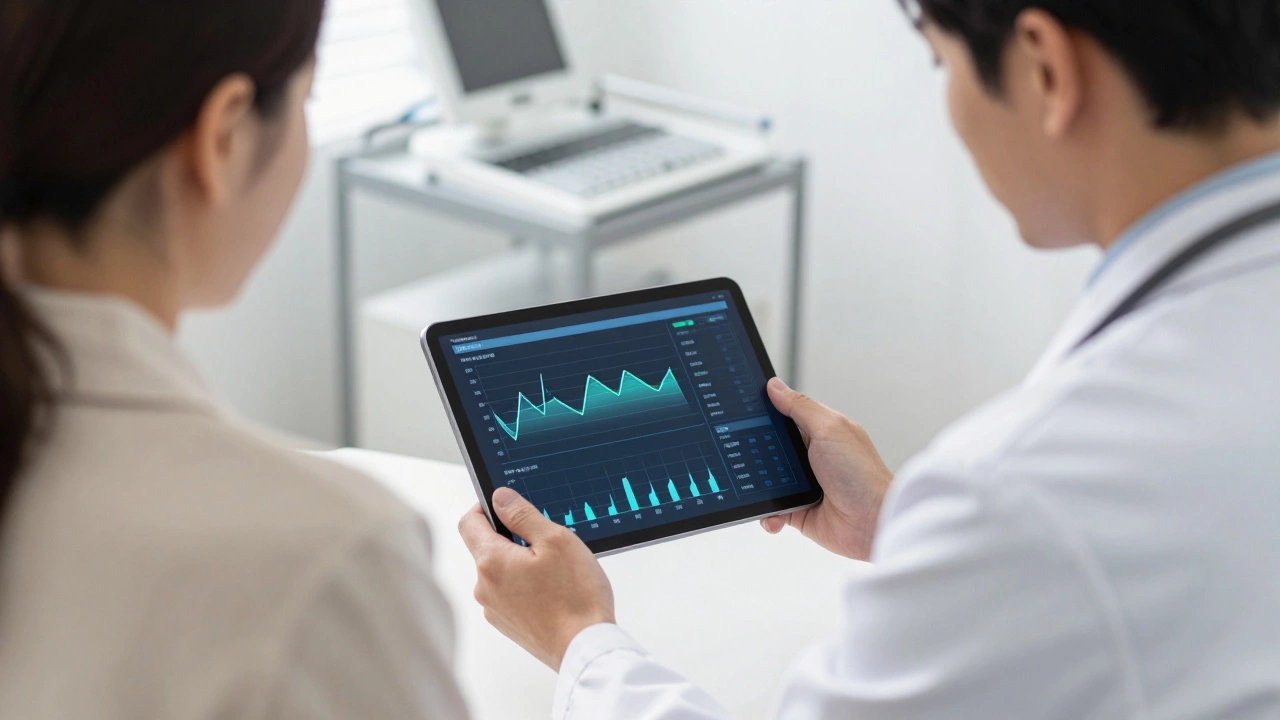
Most physicians today view Fitbit as a useful tool for patient engagement and behavioral tracking, though they remain cautious about its diagnostic precision. They don't prescribe it as a cure, but many use it as a conversation starter. The real question isn't whether doctors like the device-it's how they interpret the data it produces when you walk through their door.
The Shift from Skepticism to Curiosity
A decade ago, if you showed your doctor a printout of your step count, they might have smiled politely and changed the subject. The medical community viewed consumer wearables as gimmicks-gadgets for fitness enthusiasts, not patients. That attitude has shifted dramatically since the FDA began clearing certain features of devices like the Fitbit Sense 2 is a smartwatch featuring advanced sensors for ECG readings and skin temperature variation.
Why the change? Because volume matters. With millions of users generating continuous data streams, patterns emerge that were previously invisible. Cardiologists are particularly interested in irregular heart rhythms. When a Fitbit detects an atrial fibrillation (AFib) episode, it’s no longer just a notification; it’s a potential early warning system. Studies published in journals like *JAMA Cardiology* have shown that while consumer devices aren't perfect, they can identify significant cardiac events that warrant professional investigation.
However, this curiosity comes with a caveat. Doctors are trained to rely on gold-standard diagnostics. A handheld ECG monitor in a clinic provides a clean signal. A wrist sensor moving around while you type emails or wash dishes introduces noise. Physicians understand this limitation. They see Fitbit data as a screening tool, not a definitive diagnosis.
Accuracy: Where Trust Begins and Ends
If you ask a doctor what they think of Fitbit's accuracy, the answer depends entirely on which metric you're discussing. Heart rate monitoring during steady-state cardio, like jogging on a treadmill, is generally considered reliable by most clinicians. The optical sensors have improved significantly over the last five generations of hardware.
- Resting Heart Rate: Highly accurate and clinically relevant for tracking baseline health trends.
- Sleep Stages: Useful for identifying general disruptions, but not precise enough to diagnose sleep apnea or insomnia disorders.
- Step Count: Surprisingly accurate for walking, but often overestimates steps during arm movements like typing or gesturing.
- Blood Oxygen (SpO2): Good for trend spotting, but not recommended for diagnosing hypoxia without pulse oximeter confirmation.
The biggest point of contention remains heart rate variability (HRV) and stress management scores. These metrics are derived algorithms, not direct physiological measurements. While some integrative medicine practitioners find value in using HRV to discuss burnout or recovery, traditional cardiologists often dismiss these numbers as too noisy to be clinically actionable. They prefer raw data over interpreted "scores" because interpretation varies wildly between brands.
Data Integration: The Missing Link
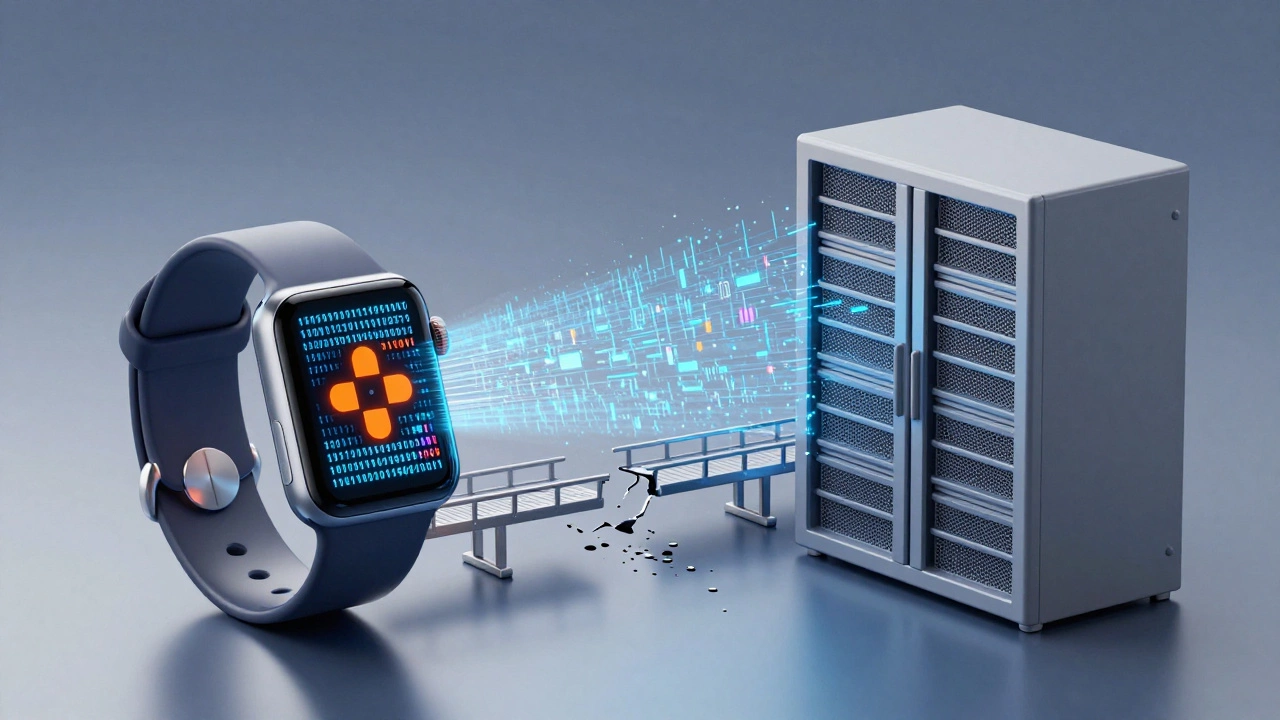
Here is the frustrating reality for both patients and doctors: data silos. You have weeks of detailed health history on your wrist, but your doctor’s electronic health record (EHR) system doesn’t speak Fitbit’s language. This disconnect frustrates many physicians who want to use the data but lack the time or tools to integrate it into their workflow.
Imagine this scenario: You notice your resting heart rate has crept up by 5 beats per minute over three weeks. You mention it at your annual physical. Ideally, your doctor would pull up a graph, correlate it with your recent stress levels or medication changes, and adjust your treatment plan. In practice, most doctors will simply note it verbally. They cannot easily export your Fitbit dashboard into their Epic or Cerner systems.
This is changing slowly. Some large hospital networks are beginning to partner with digital health platforms to bridge this gap. However, for the average private practitioner, reviewing your Fitbit app during a 15-minute consultation is still logistically difficult. Until seamless interoperability becomes standard, much of the value of your wearable remains trapped in your pocket.
Patient Engagement: The Real Win
If clinical accuracy is debatable, then why do so many doctors recommend wearables? The answer lies in psychology. Chronic disease management requires daily adherence. Whether you are managing hypertension, type 2 diabetes, or recovering from joint surgery, consistency is key. Wearables provide immediate feedback loops that motivate behavior change.
Primary care physicians report that patients wearing activity trackers are more likely to meet their exercise goals than those who aren't. The simple act of closing your rings or hitting your daily step target creates a sense of accomplishment. It turns abstract advice like "get more active" into concrete, measurable actions. For doctors struggling to keep patients engaged in long-term lifestyle modifications, this psychological nudge is invaluable.
Moreover, wearables empower patients to take ownership of their health. Instead of passively receiving instructions, you become an active participant in your care. You track your own progress, notice correlations between diet and energy levels, and come to appointments with specific questions rather than vague concerns. This shift towards patient-centered care aligns perfectly with modern medical philosophy.
When to Worry: Red Flags vs. Noise
One of the most common complaints doctors hear from wearable users is anxiety caused by false alarms. Your Fitbit alerts you to an irregular rhythm, and suddenly you’re convinced you’re having a heart attack. This phenomenon, known as "cyberchondria," is real and problematic.
Physicians advise treating your wearable as a filter, not a judge. If your device flags something unusual, do not panic. Do not also ignore it completely. The appropriate response is context-aware observation. Did the irregular rhythm occur after three cups of coffee? During intense interval training? Or while you were sitting calmly watching TV? Context matters immensely.
If an alert persists across multiple days or occurs during rest, schedule an appointment. Bring your data logs. Let your doctor decide if further testing, such as a Holter monitor or echocardiogram, is necessary. Remember, consumer devices are designed to cast a wide net to catch rare events. They will inevitably produce false positives. Trust your physician’s judgment over the algorithm’s suspicion.
| Feature | Clinical Utility | Doctor's Verdict |
|---|---|---|
| Heart Rate Monitoring | High for trends, moderate for spot checks | Useful for establishing baselines and detecting tachycardia/bradycardia trends. |
| ECG App | Moderate for AFib detection | Good screening tool, but must be confirmed with clinical ECG. Not for acute emergencies. |
| Sleep Tracking | Low for diagnosis, high for awareness | Helps identify poor sleep hygiene, but cannot replace polysomnography for sleep disorders. |
| Activity/Steps | High for behavioral modification | Excellent motivational tool for sedentary patients aiming to increase daily movement. |
| Stress Score | Low clinical validity | Subjective and algorithm-dependent. Use as a prompt for mindfulness, not a medical metric. |
The Future: Prescription Wearables
We are moving towards an era where wearables are prescribed alongside medication. Imagine being diagnosed with hypertension and receiving a prescription for a blood pressure monitor that automatically syncs with your doctor’s office. If your readings spike, your care team gets notified before you even feel symptoms. This proactive model reduces emergency room visits and improves outcomes.
Fitness brands are racing to enter this space. Devices with FDA-cleared blood pressure monitoring and glucose sensing capabilities are in development. As regulatory hurdles are cleared, the line between consumer gadget and medical device will blur further. Doctors are preparing for this shift by learning to interpret continuous data streams rather than single-point measurements.
For now, however, your Fitbit remains a consumer product. Treat it as such. Use it to stay active, sleep better, and understand your body’s rhythms. Share interesting trends with your doctor, but never let it replace professional medical advice. The technology is impressive, but it lacks the nuance, empathy, and comprehensive knowledge that only a trained physician can provide.
Do doctors trust Fitbit heart rate readings?
Doctors generally trust Fitbit heart rate readings for observing long-term trends and resting heart rates. However, they do not rely on them for critical, real-time decisions due to potential inaccuracies during high-intensity movement or irregular arm positions. It is best used as a supplementary tool rather than a primary diagnostic instrument.
Can Fitbit detect serious heart conditions?
Fitbit can detect signs of atrial fibrillation (AFib), a type of irregular heartbeat that increases stroke risk. While it cannot diagnose all heart conditions, its ECG feature serves as an effective screening tool. Any abnormal readings should always be verified by a healthcare professional using clinical-grade equipment.
Should I show my Fitbit data to my doctor?
Yes, especially if you notice consistent anomalies or trends that concern you. Bringing screenshots or exported data can provide valuable context for your visit. However, be prepared for your doctor to view it as one piece of information among many, rather than definitive proof of a health issue.
Is Fitbit sleep tracking medically accurate?
Fitbit sleep tracking is reasonably accurate for determining total sleep time and distinguishing between wakefulness and sleep. However, it is not precise enough to accurately measure deep sleep versus REM sleep for clinical purposes. It is excellent for improving sleep habits but insufficient for diagnosing sleep disorders like apnea.
Why don't doctors use Fitbit data directly in their systems?
The main barrier is interoperability. Most Electronic Health Record (EHR) systems do not seamlessly integrate with consumer wearable apps. Additionally, doctors lack the time to manually review extensive data logs during short appointments. Technology standards are evolving to address this, but widespread integration is still pending.