
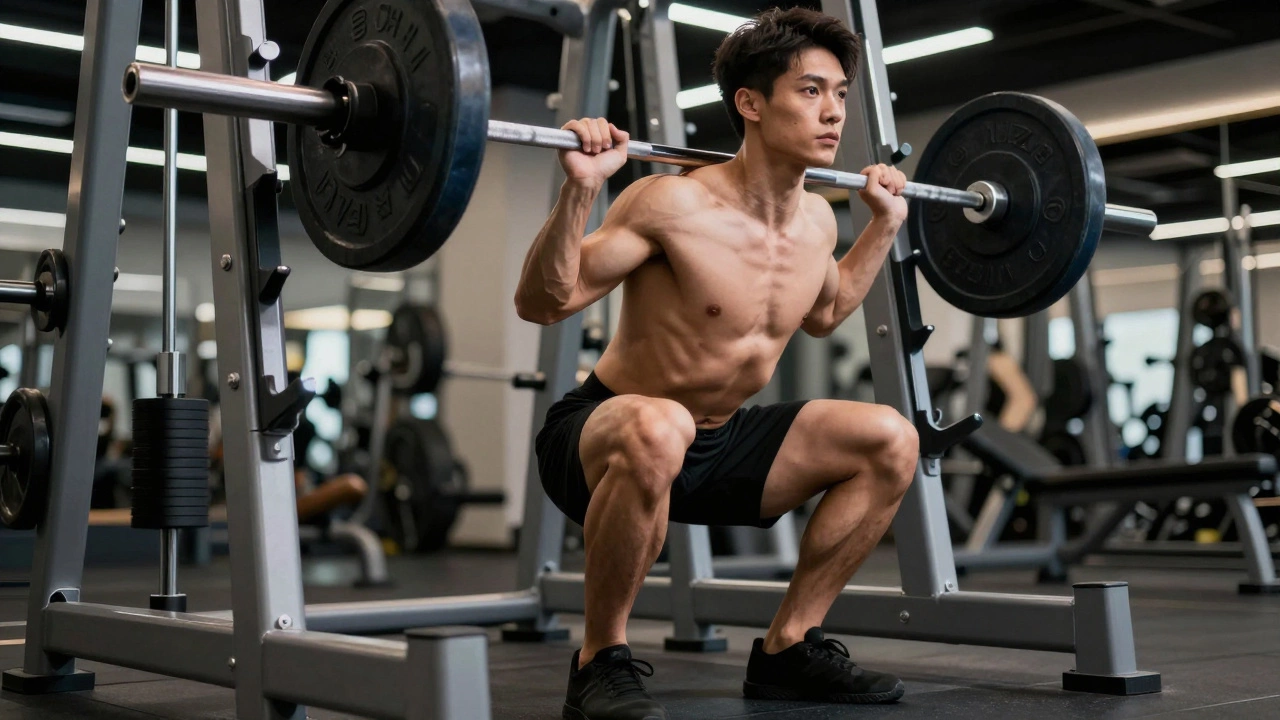
Squat Muscle Activation & Routine Planner
The Physiology of the Squat
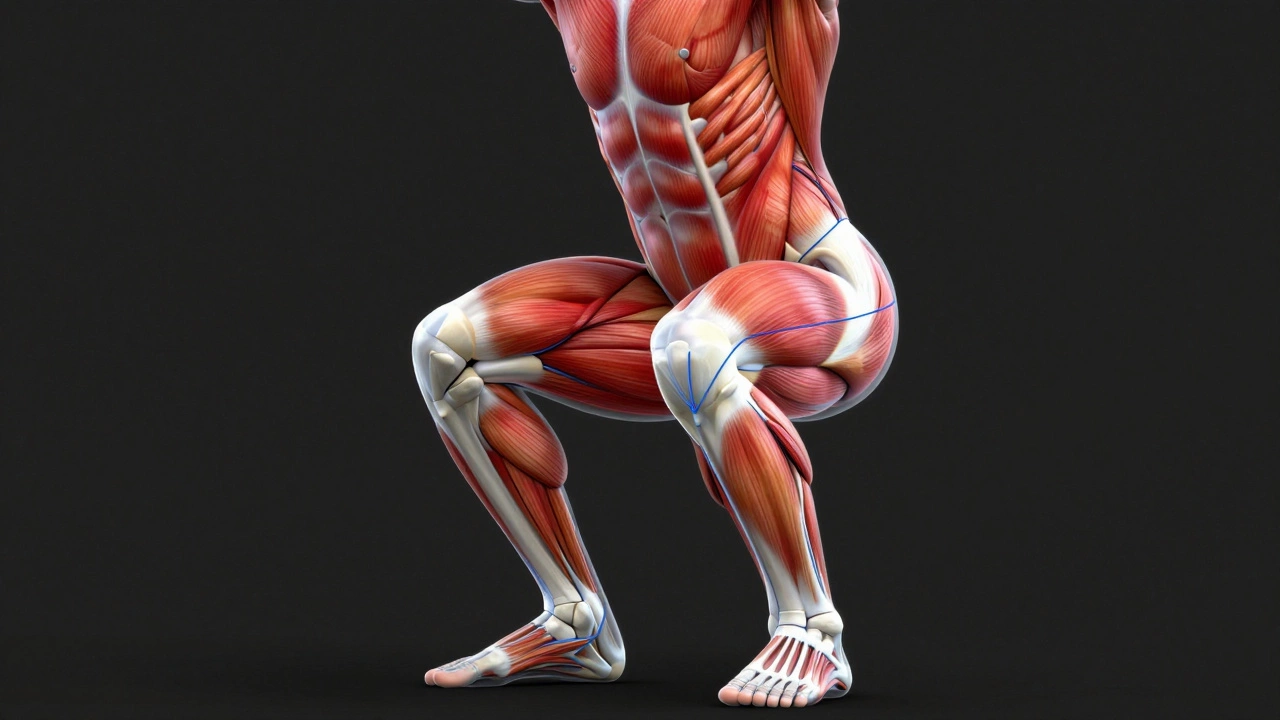
Hover over the muscle groups below to see how they contribute to the movement.
Weekly Volume Calculator
Determine your optimal squat frequency and volume based on recovery capacity.
Recommended Protocol
- Frequency:
- Sets per Session:
- Reps per Set:
- Focus:
There is no single "magic bullet" in fitness. If there were, every gym would look exactly the same, and everyone would be doing one movement while ignoring everything else. But if you force a choice-strip away the ego, ignore the flashy social media trends, and look strictly at physiological return on investment-one exercise stands head and shoulders above the rest.
That exercise is the squat.
Specifically, the barbell back squat. It is not just a leg day staple; it is the foundational movement pattern for human locomotion and strength. While deadlifts, bench presses, and overhead presses are incredible tools, the squat offers the highest ratio of muscle recruitment to joint stress (when performed correctly) and provides the most transferable strength for daily life and athletic performance. Here is why it takes the crown, how to do it right, and what happens when you skip it.
The Physiology of the King
To understand why the squat wins, we have to look at what it actually does to your body. Most exercises isolate specific muscles. A bicep curl works the biceps. A calf raise works the calves. The squat is different. It is a compound movement thatengages multiple large muscle groups simultaneously through several joints.
When you perform a proper barbell back squat, you are recruiting:
- Quadriceps: The primary movers that extend your knees.
- Gluteus Maximus: The largest muscle in your body, responsible for hip extension.
- Adductors: Inner thigh muscles that stabilize the femur.
- Erector Spinae & Core: Your entire posterior chain and abdominal wall must brace against the load to keep your spine neutral.
- Trapezius & Upper Back: These muscles hold the bar in place, creating tension across the upper body.
This isn't just about burning calories during the set. It’s about systemic adaptation. Because you are moving a heavy load with such a high volume of muscle mass, your body releases more anabolic hormones like testosterone and growth hormone compared to isolation exercises. This creates a hormonal environment that supports muscle growth everywhere, not just in your legs.
| Exercise | Primary Muscles | Secondary/Stabilizers | Hormonal Response |
|---|---|---|---|
| Barbell Back Squat | Quads, Glutes, Adductors | Core, Back, Shoulders, Calves | High |
| Leg Extension | Quadriceps | Minimal | Low |
| Bench Press | Chest, Triceps, Front Delts | Back Stabilizers | Moderate |
| Deadlift | Hamstrings, Glutes, Back | Quads, Grip, Core | Very High |
The deadlift is the only real competitor for the "best" title. However, the deadlift places significantly higher shear force on the lower back and requires immense grip strength, which often becomes the limiting factor before your legs or back are fully fatigued. The squat allows you to train your lower body and core to failure without your grip giving out first, making it more efficient for pure muscular development.
Why Form Matters More Than Weight
If the squat is the best exercise, it is also the most misunderstood. I see it all the time in gyms here in Auckland. People load up the bar with plates they can’t control, their hips shoot up faster than their chest (the "good morning" squat), and their knees cave inward. This doesn’t build strength; it builds injury risk.
The effectiveness of the squat relies entirely on biomechanics. You need to create a stable tripod with your feet, engage your lats to lock the bar into your traps, and maintain a neutral spine. Think of your torso as a rigid pillar. If that pillar bends, the load shifts from your muscles to your spinal discs.
Here is the simple checklist for a safe, effective squat:
- Foot Placement: Feet shoulder-width apart, toes pointed slightly outward (15-30 degrees). This aligns your hips for natural movement.
- The Brace: Take a big breath into your belly, not your chest. Tighten your abs as if someone is about to punch you. This is your intra-abdominal pressure.
- The Descent: Push your hips back and down simultaneously. Keep your chest up. Do not round your lower back.
- The Depth: Aim for "parallel" or below. Your hip crease should drop below the top of your knee. This maximizes glute and quad activation.
- The Ascent: Drive through your mid-foot. Keep your knees tracking over your toes. Exhale forcefully as you pass the sticking point (the bottom of the movement).
If you cannot achieve this form with an empty barbell, adding weight is counterproductive. Master the movement pattern first. Strength follows technique, never the other way around.
The Functional Payoff: Life Outside the Gym
We don’t lift weights to look good on a stage; we lift them to live better. The squat is the most functional exercise because it mimics the most common human movement: sitting down and standing up.
As we age, sarcopenia (muscle loss) begins to take its toll. The first place we notice it is usually in our legs and balance. Elderly individuals who have strong squats are significantly less likely to fall. Why? Because they have powerful quads to catch themselves and strong glutes to generate force quickly. They can pick up groceries, carry luggage, and play with grandchildren without fearing a pulled hamstring or a slipped disc.
Furthermore, the squat improves bone density. Osteoporosis is a major health concern, particularly for women post-menopause. Weight-bearing exercises like squats stimulate osteoblasts (bone-building cells) to deposit calcium into the skeletal structure. Doing 100 push-ups won’t do much for your femur density, but loading your spine and hips with a barbell will.
Variations for Every Body Type
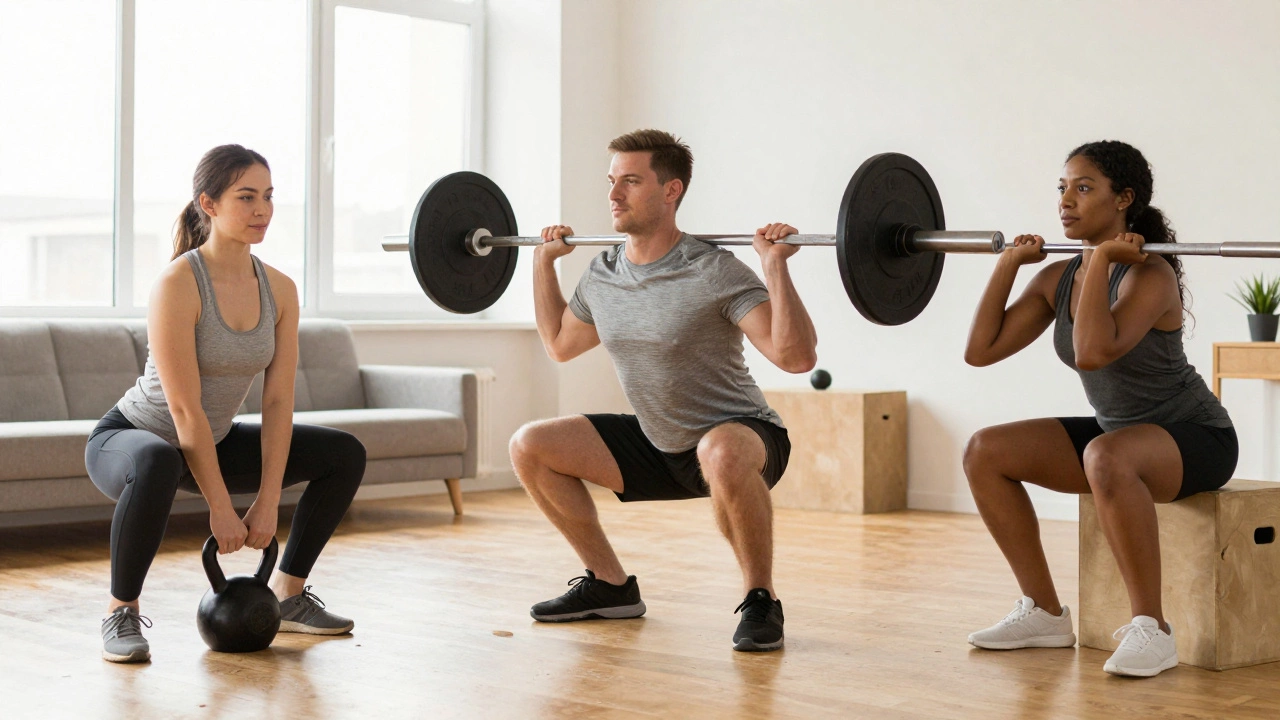
You might think, "I have bad knees" or "I’m too tall for squats." These are myths. There is a variation of the squat for almost every anatomical structure. If the standard barbell back squat hurts your joints, you haven’t found the right variation yet; you’ve just found the wrong one.
Consider these alternatives that offer similar benefits with different mechanical demands:
- Goblet Squat: Holding a dumbbell or kettlebell at chest height. This acts as a counterbalance, allowing you to sit deeper with less forward lean. Excellent for beginners and those with limited mobility.
- Front Squat: The bar rests on your front deltoids. This forces a more upright torso, placing greater emphasis on the quadriceps and reducing lower back strain. Ideal for people with long torsos.
- Box Squat: Sitting back onto a box or bench. This teaches you to initiate the movement with your hips and eliminates the fear of falling backward. Great for learning depth and power generation.
- Zercher Squat: Holding the bar in the crook of your elbows. This brutal variation strengthens your core and upper back immensely while keeping the load close to your center of gravity.
Don’t be stubborn. If a movement hurts, change the leverage. The goal is stimulus, not suffering.
How to Integrate Squats Into Your Routine
You don’t need to squat every day. In fact, you shouldn’t. Heavy compound movements require significant central nervous system (CNS) recovery. For most people, squatting 1-2 times per week is optimal.
Place your squats early in your workout. They are energy-intensive. If you do them after cardio or accessory work, your form will suffer, and your intensity will drop. Here is a simple template:
- Warm-up (5-10 mins): Dynamic stretching, leg swings, bodyweight squats.
- Main Lift: Barbell Back Squat (4 sets of 6-8 reps). Focus on progressive overload-add a small amount of weight each week.
- Accessory Work: Lunges, leg curls, or calf raises (3 sets of 10-12 reps).
- Upper Body/Core: Bench press, rows, or planks.
Consistency beats intensity. It is better to squat moderately heavy twice a week for a year than to go max effort once and get injured. Track your numbers. Use a notebook or an app. Seeing your numbers climb is the best motivation to keep showing up.
Is the squat better than the deadlift?
It depends on your goals. The squat is generally superior for building lower-body hypertrophy (muscle size) and knee stability because it isolates the quads and glutes more effectively under load. The deadlift is king for total posterior chain strength and grip endurance. For overall athleticism and longevity, the squat offers a slightly better risk-to-reward ratio due to lower spinal shear forces.
Can I squat if I have bad knees?
Often, yes. Paradoxically, strengthening the muscles around the knee (quads and hamstrings) stabilizes the joint and reduces pain. Start with bodyweight or goblet squats. If you experience sharp pain, stop. If it’s just discomfort, focus on perfecting your form. Consult a physical therapist if you have a history of ligament tears.
How low should I squat?
You should squat until your hip crease drops below the top of your knee (parallel or below). This is where the majority of muscle activation occurs. Going shallow limits the range of motion and reduces the benefits. However, never sacrifice form for depth. If your back rounds, stop there.
Do I need a barbell to squat?
No. Dumbbells, kettlebells, resistance bands, and even your own body weight can provide excellent squat stimuli. The barbell is simply the most scalable tool for adding progressive overload. If you are at home, start with goblet squats using a heavy kettlebell.
How often should I squat?
For most intermediate lifters, 1-2 times per week is sufficient. Beginners may benefit from practicing the movement pattern 3 times a week with lighter loads to build neural efficiency. Ensure you have at least 48 hours of rest between heavy squat sessions to allow your CNS and muscles to recover.