
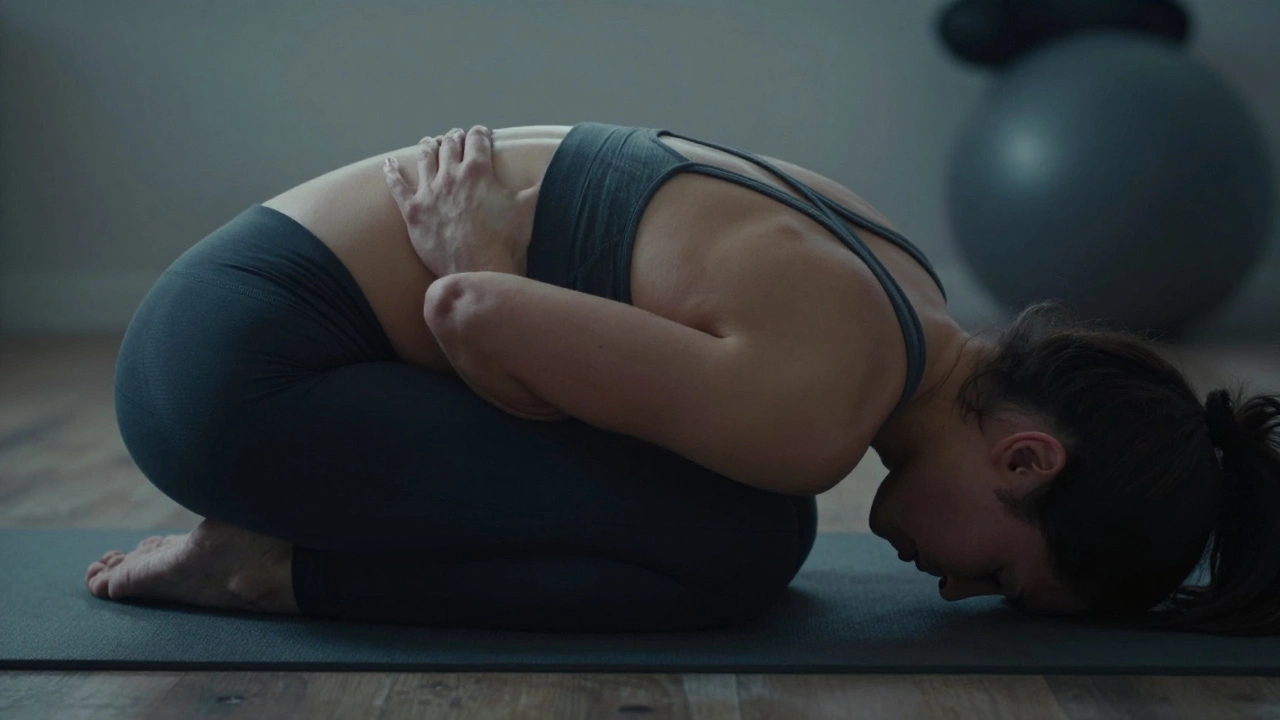
Yoga Safety & Contraindications Checker
Select your health condition or recent injury to see which yoga styles and poses you should avoid, along with safer alternatives.
⚠️ Avoid These Styles & Poses
✅ Safer Alternatives
💡 Specific Advice
Yoga is often sold as a universal cure-all. You see it everywhere: from corporate wellness programs to Instagram feeds, promising flexibility, calm, and strength for everyone. But here is the hard truth that most studios won’t tell you while you’re signing up-yoga is not safe for everyone, at least not in its standard form. For some people, a gentle downward dog can trigger a herniated disc, and a simple twist might spike blood pressure dangerously high.
If you have certain health conditions or recent injuries, jumping into a random vinyasa class could do more harm than good. Understanding yoga contraindications isn't about fear-mongering; it’s about respecting your body's limits. This guide breaks down exactly who needs to avoid specific poses, which styles are risky, and how to modify your practice so you stay safe without missing out on the benefits.
The Acute Injury Zone: When to Hit Pause
The most obvious reason to skip the mat is an active, acute injury. If you are in pain, moving through complex sequences usually aggravates the issue rather than healing it. Yoga requires stability and alignment, both of which are compromised when you are injured.
Consider these common scenarios where you should stop immediately:
- Recent Fractures: If you have broken bones within the last 6-8 weeks, the weight-bearing nature of poses like plank or warrior II can disrupt healing. Even if the cast is off, the bone density hasn't fully recovered.
- Acute Back Pain: Sharp, shooting pain in the lower back (sciatica) means you should avoid forward folds and deep twists. These movements compress the spine and can irritate the nerves further.
- Sprains and Strains: A fresh ankle sprain or wrist strain makes balancing poses and chaturanga (push-up position) dangerous. You risk re-injuring the ligaments because your proprioception (body awareness) is impaired by pain.
The rule of thumb here is simple: if it hurts, don't do it. "No pain, no gain" does not apply to yoga. In fact, pushing through sharp pain is the fastest way to turn a minor strain into a chronic condition. Rest until the acute inflammation subsides, then return with modifications.
High Blood Pressure and Heart Conditions
Many people assume yoga is always calming, but certain styles and poses actually raise blood pressure significantly. If you have hypertension or a heart condition, you need to be extremely selective about what you practice.
Inversions are the biggest red flag. Poses like headstand, shoulder stand, and handstand increase intracranial pressure and force blood to rush to the head. For someone with uncontrolled high blood pressure, this can lead to dizziness, fainting, or even stroke risk. Similarly, vigorous styles like Ashtanga or Power Yoga involve rapid breathing and intense physical exertion, which spikes heart rate and blood pressure temporarily.
Instead, focus on restorative yoga or gentle Hatha classes. Keep your head above your heart whenever possible. Avoid breath-holding techniques (kumbhaka), as holding your breath increases blood pressure. Always consult your cardiologist before starting any new exercise regimen, especially if you are on medication that affects your heart rate or balance.
Pregnancy: Modifying the Practice
Pregnancy changes everything. While prenatal yoga is beneficial, standard yoga classes are generally not recommended after the first trimester unless specifically designed for pregnant women. The center of gravity shifts, joints become looser due to the hormone relaxin, and the growing uterus puts pressure on internal organs.
Here are the poses to strictly avoid during pregnancy:
- Deep Twists: Twisting from the spine can compress the liver and reduce blood flow to the baby. Instead, twist from the hips with an open chest.
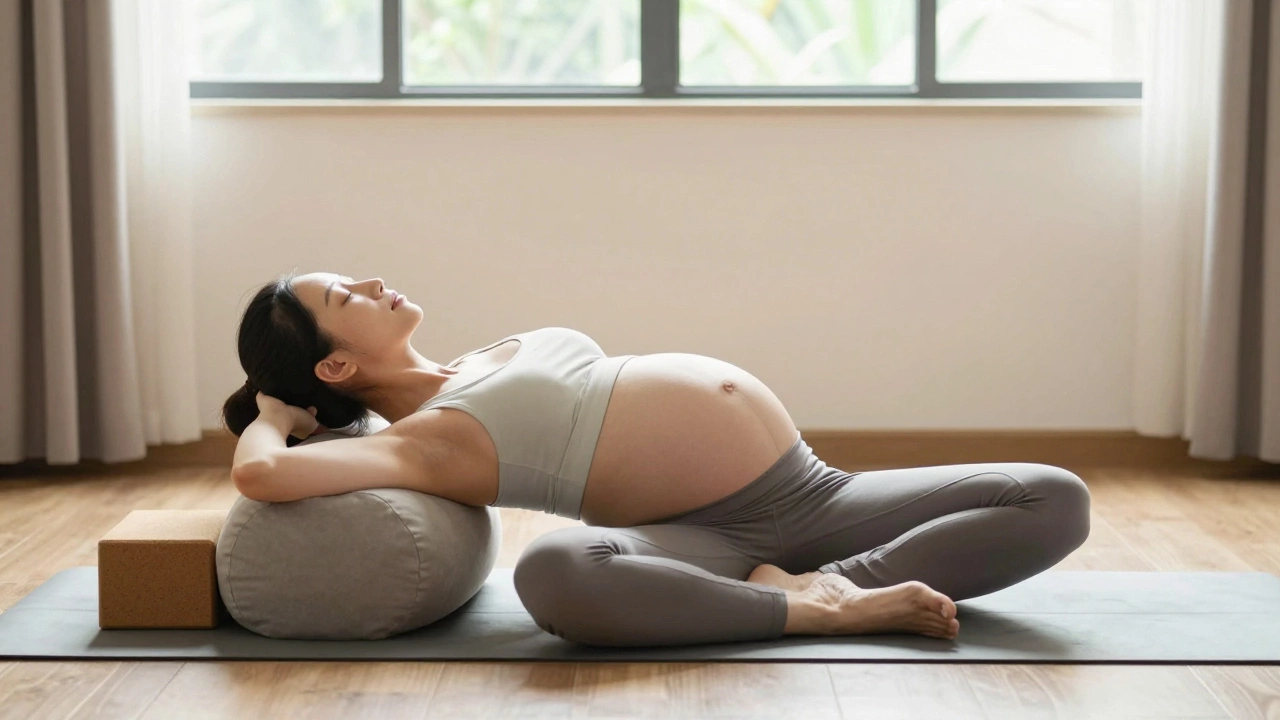
- Supine Poses (Lying on Back): After 16 weeks, lying flat on your back can compress the vena cava, reducing blood flow to the heart and fetus. Use props to elevate your upper body.
- Hot Yoga: Overheating is dangerous for fetal development. Avoid Bikram or any heated studio environments.
- Abdominal Compression: Poses like boat pose or intense core work can cause diastasis recti (separation of abdominal muscles). Focus on gentle engagement instead.
If you were a yogi before pregnancy, you likely know your body well enough to modify. If you are new to yoga, wait until postpartum and get clearance from your doctor before starting. Prenatal classes provide the necessary cues and support that general classes lack.
Glaucoma and Eye Issues
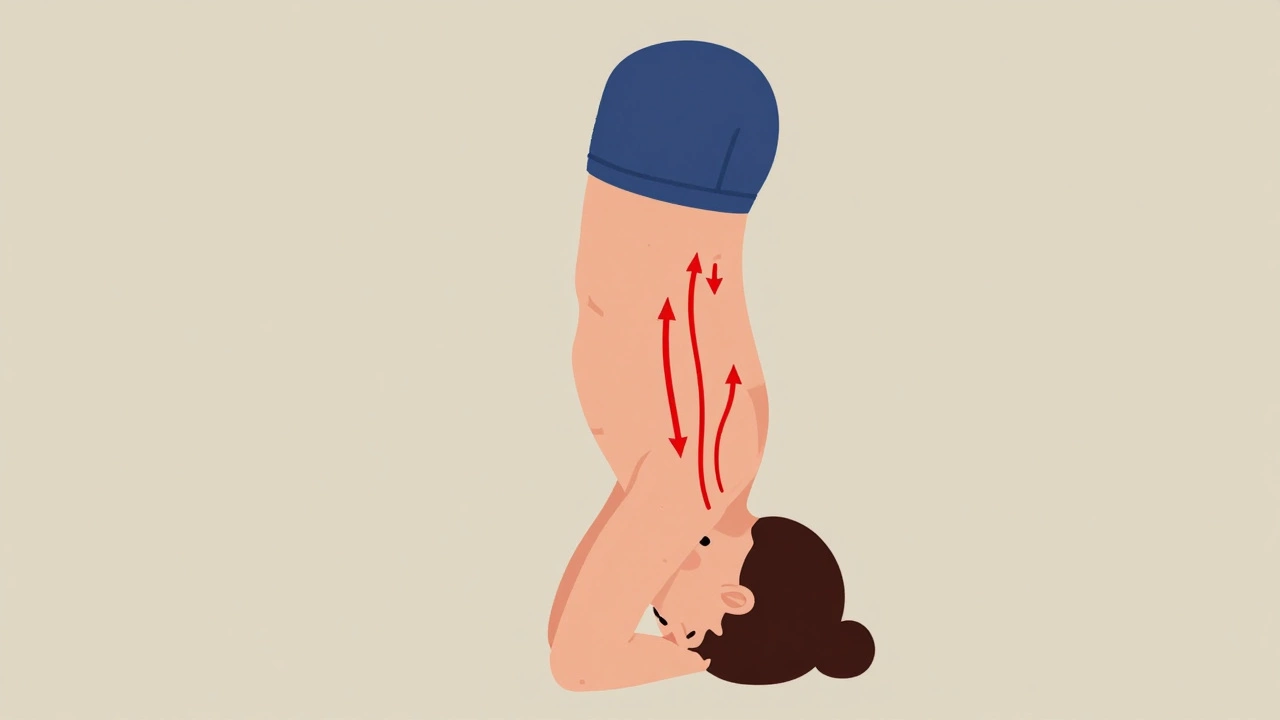
This is one of the most overlooked contraindications. People with glaucoma, particularly open-angle glaucoma, need to be careful with inversions. Research suggests that head-down positions can increase intraocular pressure (IOP) by up to 20 mmHg. For someone whose eye pressure is already critically high, this spike can damage the optic nerve and accelerate vision loss.
You don't have to quit yoga entirely, but you must eliminate headstands, shoulder stands, and handstands. Even downward-facing dog can raise IOP slightly, though less severely than full inversions. If you have eye surgery scheduled, such as LASIK or cataract removal, avoid all inversions and strenuous activity for the period recommended by your ophthalmologist, usually several weeks.
Osteoporosis and Bone Density Concerns
Osteoporosis weakens bones, making them prone to fractures. While weight-bearing exercise is generally good for bone density, certain yoga poses pose a fracture risk for those with advanced osteoporosis. Forward bends are particularly dangerous because they compress the vertebral bodies. A simple round-back forward fold can cause a compression fracture in a weakened spine.
People with osteoporosis should:
- Avoid deep forward folds beyond a 90-degree angle.
- Skip extreme backbends that hyperextend the spine, as vertebrae are fragile in extension too.
- Focus on poses that strengthen the back extensors and improve posture, like mountain pose and gentle bridge pose.
- Work with a teacher who understands osteoporosis-specific modifications.
Strength training combined with low-impact cardio is often safer and more effective for bone density than traditional yoga. However, gentle yoga can aid balance and prevent falls, which is crucial for preventing hip fractures. Just keep the spine neutral and avoid compression.
Mental Health Considerations
Yoga is often prescribed for anxiety and stress, but it’s not a one-size-fits-all mental health solution. For individuals with severe trauma, PTSD, or certain psychiatric conditions, the introspective nature of yoga can sometimes be triggering. Silent meditation, intense breathwork, or forced stillness can bring up suppressed emotions or panic attacks.
If you have a history of eating disorders, be cautious with practices that emphasize body image or intense physical purification. Some styles focus heavily on appearance or control, which can reinforce unhealthy behaviors. Trauma-sensitive yoga is a specialized approach that prioritizes choice and safety over perfect alignment. It allows students to opt out of any movement that feels unsafe, creating a container for healing rather than stress.
| Health Condition | Styles/Poses to Avoid | Safer Alternatives |
|---|---|---|
| High Blood Pressure | Inversions, Hot Yoga, Vinyasa | Gentle Hatha, Restorative, Chair Yoga |
| Glaucoma | Headstand, Shoulder Stand, Handstand | Standing poses, Seated meditation |
| Osteoporosis | Deep Forward Folds, Extreme Backbends | Wall-supported poses, Balance drills |
| Pregnancy (2nd/3rd Trimester) | Twists, Lying on Back, Hot Yoga | Prenatal Yoga, Side-lying poses |
| Recent Surgery | All strenuous movement | Rest, Gentle breathing exercises |
How to Practice Safely: Practical Tips
If you fall into one of these categories, it doesn't mean you can never enjoy yoga. It means you need to be smarter about how you approach it. Communication is key. Tell your instructor about your condition before class starts. Most teachers will appreciate the heads-up and offer modifications.
Use props liberally. Blocks, straps, bolsters, and chairs are not signs of weakness; they are tools for accessibility. A block under your hands in a forward fold reduces spinal compression. A chair for balance prevents falls. Listen to your body’s feedback loop. Discomfort is normal; pain is a warning signal. Learn the difference.
Finally, consider private sessions or small group classes initially. Large group settings make it harder for instructors to monitor individual form and safety. Once you build a foundation of safe movement patterns, you can gradually explore more challenging styles with confidence.
Can I do yoga if I have a herniated disc?
You can practice modified yoga, but you must avoid forward folds and heavy twisting. These movements increase pressure on the discs. Focus on neutral spine poses and gentle extension. Always consult a physiotherapist first to ensure your specific disc issue allows for movement.
Is hot yoga safe for everyone?
No, hot yoga is not safe for everyone. It poses risks for people with heart conditions, high blood pressure, pregnancy, and those prone to dehydration or heat exhaustion. The high temperature adds cardiovascular stress that mimics moderate-intensity exercise, which may be too much for some individuals.
Should I stop yoga if I feel dizzy during class?
Yes, stop immediately. Dizziness can indicate low blood pressure, dehydration, or inner ear issues. Sit down or lie down in child's pose to stabilize your blood flow. If dizziness persists, seek medical attention. Do not push through lightheadedness in inversions or transitions.
What is the safest style of yoga for beginners with health issues?
Hatha yoga and Restorative yoga are generally the safest options. They move at a slower pace, allow time for adjustments, and focus on alignment and relaxation rather than intensity. Chair yoga is also excellent for those with mobility limitations or balance concerns.
Can yoga worsen arthritis?
Yoga can help manage arthritis by maintaining joint mobility, but aggressive stretching can inflame joints. Avoid forcing range of motion. Use props to support joints and focus on gentle movement within a pain-free range. Aquatic yoga is another great option as the water supports the joints.