
Daily Hydration Strategy Calculator
Your Details
*Calculates baseline + activity adjustment.
Daily Water Target
aim for pale yellow urine
Recommended Schedule
Enter your details to see your personalized hydration strategy.
You’ve probably seen them everywhere: green juices, lemon water with cayenne pepper, matcha lattes, and of course, protein shakes. The marketing promises are always the same-drink this, burn that. But if you’re trying to lose weight, drinking your way to a smaller waistline isn’t as simple as pouring magic liquid into a glass. The real question isn’t just “what tastes good?” but “what actually helps my body burn fat while keeping me full?”
Here’s the hard truth: no single drink melts fat off your body like a candle in the sun. However, certain beverages can create the right environment for weight loss by managing hunger, boosting metabolism slightly, or replacing high-calorie options. If you’re looking for the most effective tool in your beverage arsenal, it’s likely not a trendy detox tea, but something far more practical.
Before we get into the specifics of what to sip, let’s address the elephant in the room. Most people fail at weight loss because they underestimate liquid calories. A fancy coffee shop latte can have 300+ calories. A sugary sports drink adds another 150. Before you even touch food, you’ve already eaten half your daily allowance. That’s why the first step in choosing the best drink for weight loss is simply stopping the intake of empty calories. Speaking of choices, sometimes life throws curveballs that require quick decisions and reliable resources, much like finding verified information when you need it most, such as checking out this directory for specific local needs, though today we are focusing strictly on your health goals.
The Calorie Deficit Rule: Why Water Wins (Mostly)
If there is one undisputed champion in the world of weight loss beverages, it is plain water. It has zero calories, zero sugar, and it does exactly what it should: hydrates you. But its role goes beyond just quenching thirst. Studies consistently show that drinking water before meals can reduce calorie intake. When you drink 500ml of water about 30 minutes before eating, you tend to eat less. Why? Because water takes up space in your stomach, sending signals to your brain that you’re fuller than you were five minutes ago.
Water also plays a crucial role in metabolism. Your body needs water to break down stored fat-a process called lipolysis. If you are dehydrated, your metabolic rate slows down. Think of it like a car engine running low on oil; it still works, but not efficiently. For most adults, aiming for 2-3 liters of water a day is a solid baseline. If your urine is pale yellow, you’re likely hydrated enough. If it’s dark, drink more.
- Zero Calories: No risk of accidental overeating through liquids.
- Satiety Boost: Drinking before meals reduces overall food intake.
- Metabolic Support: Essential for breaking down fats.
- Cost-Effective: Free compared to expensive supplements.
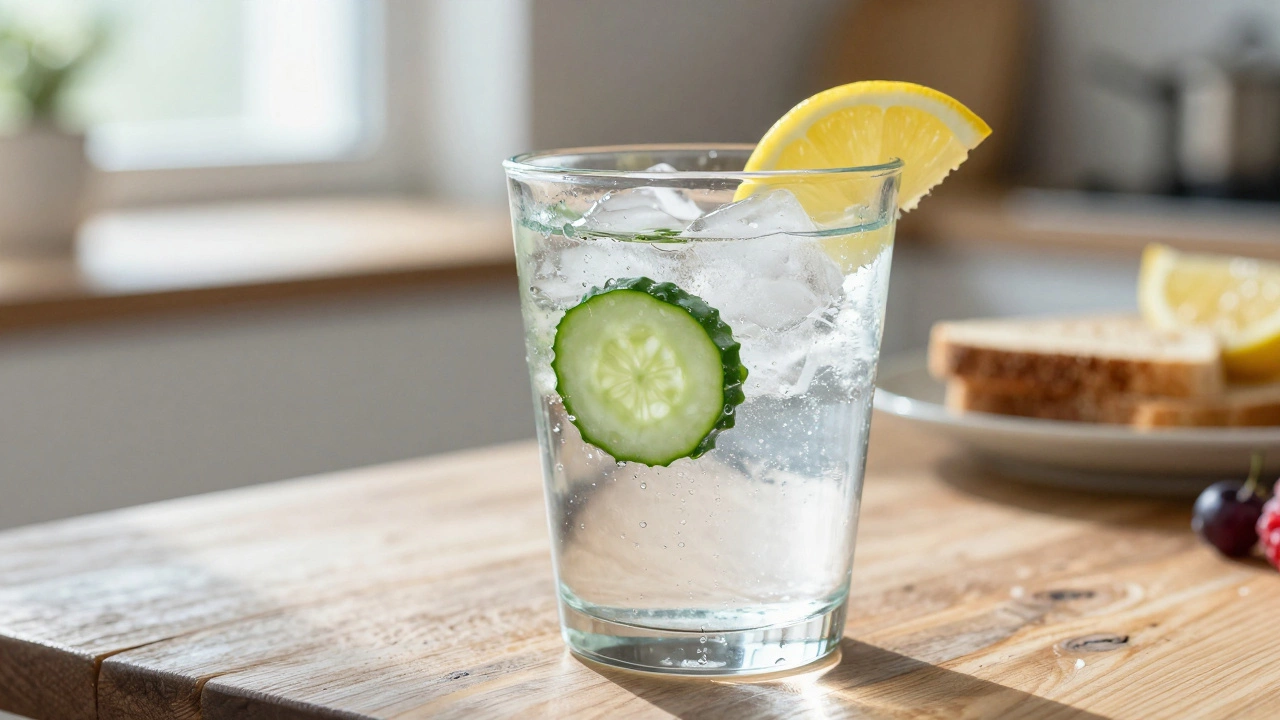
The downside? Water doesn’t taste like anything. If you find yourself bored with plain H2O, try adding slices of cucumber, lemon, or mint. These add flavor without significant calories. Avoid “flavored” waters from bottles, as many contain artificial sweeteners or hidden sugars that can spike insulin levels.
Protein Shakes: The Satiety Powerhouse
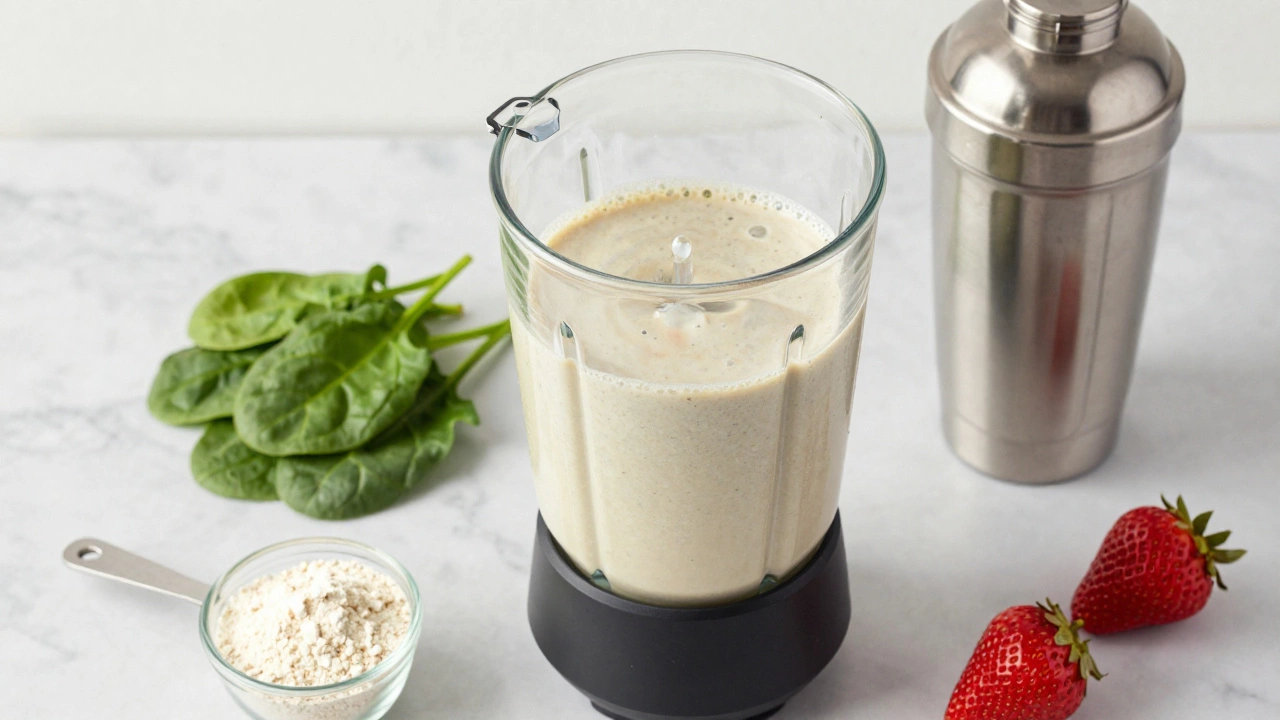
This brings us back to the core of your search: protein shakes. Are they the best drink for weight loss? In many cases, yes-but only if used correctly. Protein is the most satiating macronutrient. Compared to carbs and fats, protein makes you feel fuller for longer. This is due to its effect on hormones like ghrelin (the hunger hormone) and peptide YY (the fullness hormone).
When you replace a high-calorie snack or a heavy meal with a well-formulated protein shake, you often consume fewer calories while maintaining muscle mass. Muscle tissue burns more calories at rest than fat tissue, so preserving muscle during weight loss is critical. If you cut calories too drastically without enough protein, your body might start breaking down muscle for energy, which slows your metabolism further.
However, not all protein shakes are created equal. Many commercial products are loaded with sugar, maltodextrin, and thickeners. A typical “mass gainer” shake can have 500+ calories and 40g of sugar. That’s a dessert, not a weight loss aid. Look for shakes with:
- High Protein Content: At least 20-25g per serving.
- Low Sugar: Under 5g of added sugar.
- Few Ingredients: Whey isolate, casein, or plant-based proteins like pea or rice protein.
- No Artificial Fillers: Avoid excessive gums or artificial colors.
Timing matters too. Drinking a protein shake within 30-60 minutes after a workout can help repair muscle fibers and keep you satisfied until your next meal. Using it as a breakfast replacement can also be effective if you struggle with morning hunger pangs.
Coffee and Green Tea: Metabolism Boosters?
Let’s talk about caffeine. Coffee and green tea are popular choices for weight loss enthusiasts, and there is some science behind their popularity. Caffeine is a stimulant that can increase metabolic rate by 3-11%. It also enhances physical performance, allowing you to work out harder and longer, which indirectly supports fat loss.
Green tea contains catechins, specifically EGCG (epigallocatechin gallate), which may help boost fat burning. Some studies suggest that combining green tea extract with exercise can lead to greater fat loss compared to exercise alone. However, the effect is modest. You won’t melt pounds overnight by drinking green tea. It’s a small nudge, not a rocket booster.
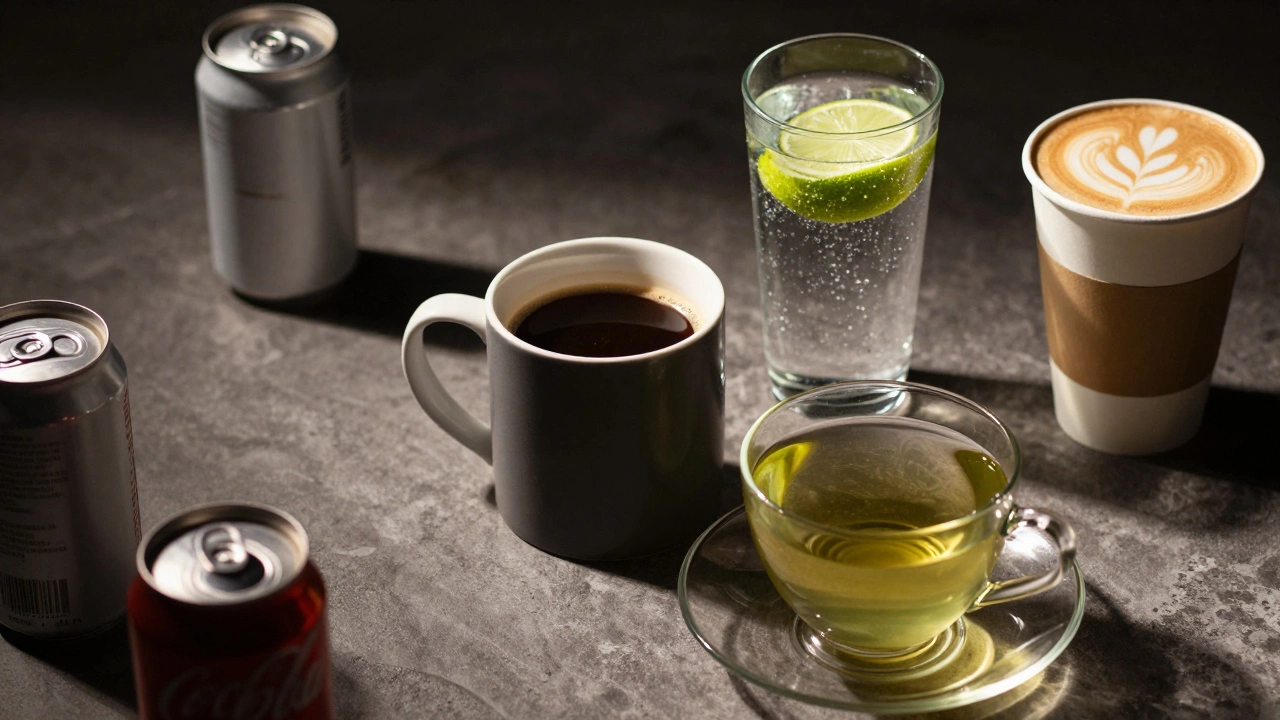
The catch with coffee? How you prepare it. Black coffee has virtually no calories. Add two pumps of vanilla syrup and whole milk, and you’ve turned a zero-calorie drink into a 200-calorie beverage. Stick to black coffee, or use a splash of unsweetened almond milk. Same goes for green tea-avoid bottled versions that are packed with sugar.
| Drink Type | Calories (per serving) | Primary Benefit | Potential Pitfall |
|---|---|---|---|
| Plain Water | 0 | Hydration, satiety before meals | Bland taste for some |
| Protein Shake | 100-150 | High satiety, muscle preservation | Hidden sugars in cheap brands |
| Black Coffee | 0-5 | Metabolism boost, energy | Jitters, sleep disruption if late |
| Green Tea | 0-2 | Antioxidants, mild fat oxidation | Weak effect without exercise |
| Fruit Juice | 100-150 | Vitamins | High sugar, low fiber, spikes insulin |
Drinks to Avoid: The Hidden Calorie Bombs
Knowing what to drink is important, but knowing what to avoid is equally critical. Liquid calories are dangerous because they don’t trigger the same fullness signals as solid food. You can chug 500 calories of soda in seconds and feel completely unfed. Here are the biggest offenders:
- Soda and Energy Drinks: Loaded with high-fructose corn syrup. One can can provide 10% of your daily calorie limit with zero nutritional value.
- Fruit Juices: Even 100% orange juice lacks the fiber found in whole fruit. Fiber slows down sugar absorption. Without it, juice causes rapid blood sugar spikes and crashes, leading to cravings later.
- Alcohol: Alcohol pauses fat burning. Your body prioritizes metabolizing alcohol because it sees it as a toxin. Plus, alcoholic beverages are calorie-dense. Beer, wine, and cocktails can easily add 200-500 calories to your day.
- Fancy Coffee Shop Drinks: Frappuccinos, mochas, and caramel lattes are essentially desserts in a cup. Check the nutrition facts online before ordering.
If you’re addicted to soda, switch gradually. Try mixing half soda with half sparkling water, then slowly increase the ratio of sparkling water until you’re drinking only seltzer. Your palate will adjust within a few weeks.
Building Your Daily Hydration Strategy
So, what’s the actual plan? You don’t need to buy expensive supplements or follow rigid protocols. Start with these simple steps:
- Morning: Drink a large glass of water immediately upon waking. Rehydrate after sleep.
- Breakfast: If you skip breakfast or want a quick option, have a protein shake with 20g+ of protein and minimal sugar.
- Mid-Morning: Black coffee or green tea if you need an energy boost.
- Lunch: Drink 500ml of water 30 minutes before eating.
- Afternoon: Sparkling water with lemon if you crave fizz.
- Post-Workout: Protein shake or water with electrolytes if you sweated heavily.
- Dinner: Water or herbal tea (caffeine-free) to avoid sleep issues.
Consistency beats intensity. Drinking water every day will do more for your weight loss journey than occasionally drinking a “fat-burning” smoothie. Listen to your body. If you’re thirsty, drink. If you’re hungry, eat real food. Use protein shakes as a tool, not a crutch.
Common Mistakes to Watch Out For
Even with the best intentions, people make mistakes. One common error is relying solely on drinks for weight loss. You can’t out-drink a bad diet. If you’re eating processed foods, excess sugar, and oversized portions, no amount of green tea will save you. Focus on whole foods first: vegetables, lean proteins, whole grains, and healthy fats.
Another mistake is ignoring hunger cues. Some people drink so much water or protein shakes that they forget to eat nutrient-dense meals. This can lead to deficiencies in vitamins, minerals, and fiber. Aim to get most of your nutrients from food, not supplements.
Finally, don’t fall for the “detox” myth. Your liver and kidneys are highly efficient at filtering toxins. You don’t need expensive juice cleanses to “reset” your body. In fact, many detox diets are dangerously low in calories and protein, which can slow your metabolism and cause muscle loss.
Can I lose weight just by drinking protein shakes?
No. While protein shakes can help manage hunger and preserve muscle, weight loss ultimately depends on a calorie deficit. If you drink shakes but overeat other foods, you won’t lose weight. Use shakes as part of a balanced diet, not a replacement for all meals long-term.
Is cold water better for weight loss than warm water?
The difference is negligible. Some claim cold water burns more calories because your body heats it up, but the effect is minimal-only a few extra calories burned. Drink whatever temperature you prefer to ensure you stay hydrated.
How much protein should be in a weight loss shake?
Aim for 20-30 grams of protein per shake. This amount is sufficient to trigger muscle protein synthesis and promote satiety. Look for whey isolate, casein, or plant-based blends like pea and rice protein.
Does apple cider vinegar help with weight loss?
Some studies suggest apple cider vinegar may slightly reduce appetite and improve blood sugar control. However, the effects are small. Dilute it in water to protect tooth enamel, and don’t expect dramatic results. It’s not a magic solution.
Can I drink protein shakes every day?
Yes, for most healthy individuals. Just ensure you’re getting enough variety in your diet. Relying solely on shakes can lead to missing out on fiber, vitamins, and minerals found in whole foods. Rotate between shakes and solid meals.
What is the best time to drink a protein shake for weight loss?
Timing is flexible. Post-workout is ideal for muscle recovery. Morning shakes can curb breakfast cravings. Evening shakes may help prevent late-night snacking. Choose the time that fits your schedule and hunger patterns best.
Are protein powders safe for kidneys?
For people with healthy kidneys, high protein intake is generally safe. However, if you have pre-existing kidney disease, consult a doctor before increasing protein consumption. Excessive protein can strain compromised kidneys.
Can green tea replace coffee for weight loss?
Both can support weight loss, but coffee has a stronger immediate effect on metabolism and energy. Green tea offers antioxidants and a gentler caffeine boost. You can alternate between them based on your tolerance and preference.