
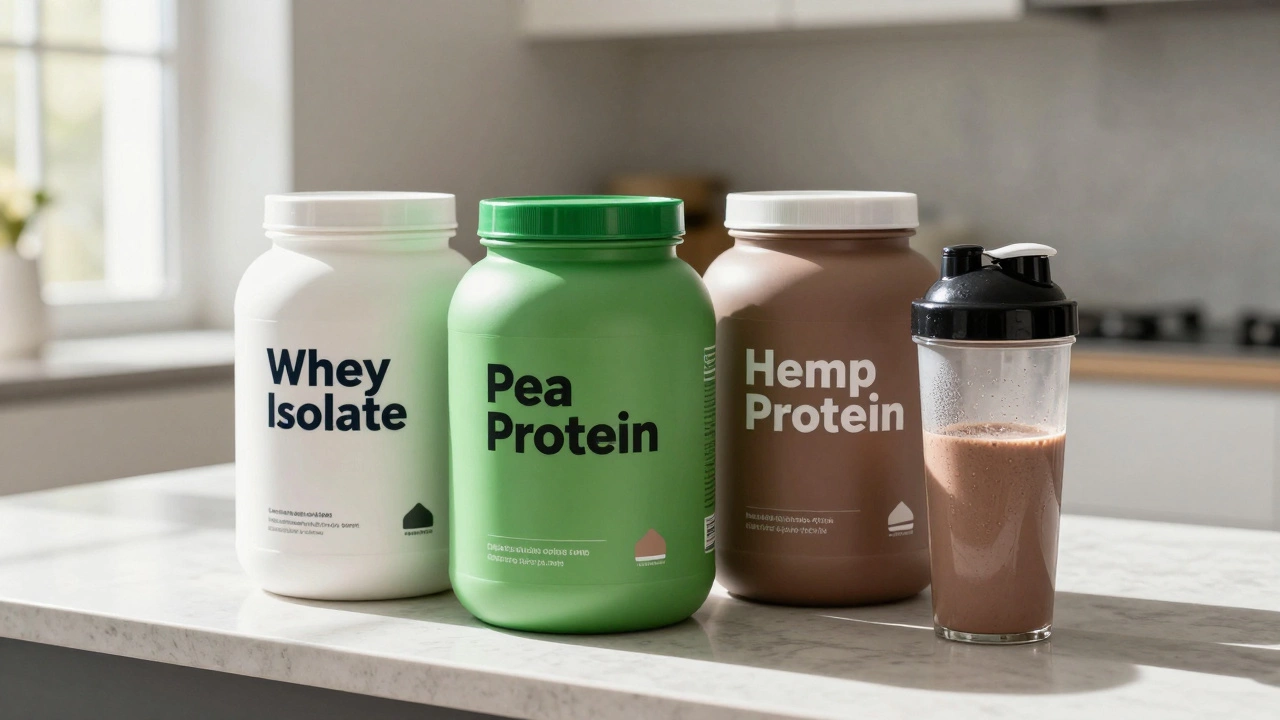
Protein Type Selector Tool
Tell us about your needs:
Result Title
Short description goes here.
Why this fits you:
Select your preferences and click the button to get a personalized recommendation based on the article's science.
You stand in the supplement aisle, staring at a wall of tubs. Chocolate whey isolate. Vanilla pea blend. Raw hemp concentrate. Each bottle claims to be the ultimate fuel for your body. But if you are looking for the healthiest protein powder, there is no single winner that fits every human body. The truth is more nuanced than marketing labels suggest.
The "best" option depends entirely on your biology, your dietary restrictions, and what you actually want to achieve with it. Are you trying to build muscle after a heavy lift? Do you have a sensitive stomach that rebels against dairy? Or are you aiming for a nutrient-dense boost that supports gut health? Let’s break down the science behind the most common types so you can stop guessing and start choosing with confidence.
Understanding Protein Quality: Beyond the Gram Count
Before we compare specific powders, we need to talk about how your body actually uses protein. It is not just about hitting 30 grams per scoop. Your body needs essential amino acids (EAAs) to repair tissue and build muscle. If a protein source lacks one or more of these nine EAAs, your body cannot use the rest as efficiently.
This is where the concept of biological value comes in. Animal-based proteins generally have a higher biological value because their amino acid profile closely matches human requirements. Plant-based proteins often lack one or two key amino acids, like lysine or methionine, depending on the source. However, this gap is easily closed by combining different plant sources or using modern extraction methods. Understanding this balance is the first step toward finding a powder that works for you.
| Type | Source | Digestibility | Key Benefit | Best For |
|---|---|---|---|---|
| Whey Isolate | Milk | Very High | Rapid absorption, high leucine | Muscle building, post-workout |
| Pea Protein | Yellow split peas | High | Hypoallergenic, rich in iron | Vegans, sensitive stomachs |
| Hemp Protein | Hemp seeds | Moderate | Fiber, Omega-3s, magnesium | Gut health, general wellness |
| Collagen Peptides | Animal connective tissue | Very High | Skin, hair, joint support | Anti-aging, joint pain relief |
Whey Protein: The Gold Standard for Muscle Growth
If you do not have a dairy allergy or lactose intolerance, Whey protein is the fastest-absorbing complete protein available. It comes from milk, specifically the liquid part that separates during cheese production. For decades, athletes have relied on whey because it spikes blood amino acid levels quickly, signaling your muscles to start repairing themselves immediately after exercise.
There are two main forms: concentrate and isolate. Concentrate contains some fat and lactose, which can cause bloating in sensitive individuals. Isolate undergoes extra filtration to remove almost all fat and lactose, leaving nearly pure protein. If you are chasing lean muscle gains and want minimal digestive upset, whey isolate is hard to beat. It is rich in leucine, the specific amino acid that triggers muscle protein synthesis. Think of leucine as the ignition switch for muscle growth.
However, whey is an animal product. If you follow a vegan lifestyle or simply prefer plant-based options for environmental reasons, whey is off the table. Additionally, some people find that even isolate causes mild gastrointestinal distress. In those cases, switching to a plant alternative is not a compromise; it is a necessary adjustment for long-term consistency.
Pea Protein: The Best Plant-Based All-Rounder
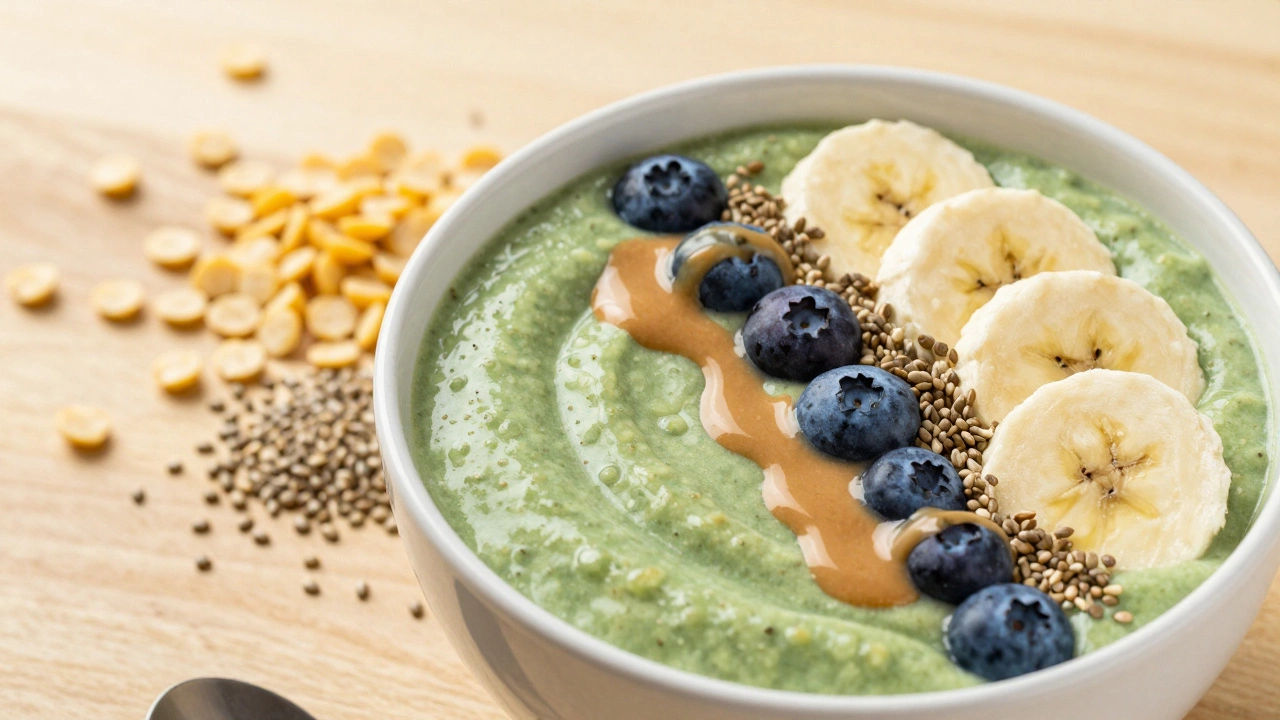
For years, vegans had to mix rice and soy protein to get a complete amino acid profile. That changed with the rise of Pea protein, extracted from yellow split peas. Recent studies show that pea protein has a similar muscle-building potential to whey when consumed in adequate amounts. It is rich in branched-chain amino acids (BCAAs), including leucine, though slightly less concentrated than whey.
One major advantage of pea protein is its digestibility. It is hypoallergenic, meaning it rarely triggers immune responses compared to soy or dairy. Many people report fewer gas issues and bloating with pea protein than with other plant sources. It also tends to be lower in heavy metals than brown rice protein, another popular vegan option. If you are looking for a clean, effective plant protein that does not taste like chalk, look for brands that use fermented pea protein or blend it with other sources to improve texture.
Pea protein is also environmentally friendly. Peas require less water and fertilizer than almonds or soybeans, and they naturally fix nitrogen in the soil, improving land health. So, choosing pea protein supports both your personal health and planetary well-being.
Hemp Protein: The Nutrient-Dense Slow Burner
Hemp protein is made from pressed hemp seeds. Unlike whey or pea isolates, hemp protein is not fully refined. This means it retains fiber, healthy fats, and minerals. While it has a lower protein content per scoop (usually around 15 grams), it offers a broader nutritional profile. You get omega-3 and omega-6 fatty acids, magnesium, iron, and zinc in one shake.
Hemp protein digests slowly due to its fiber content. This makes it excellent for sustained energy rather than immediate post-workout recovery. If you drink a hemp shake in the morning, you will feel full longer, which can help with appetite control. The texture is earthier and grainier than whey or pea, so it pairs better with smoothies containing berries, bananas, or nut butters to mask the flavor.
It is important to note that hemp protein is not a complete protein in the traditional sense-it lacks sufficient methionine. However, when combined with grains or legumes in your daily diet, it becomes complete. For most people eating a varied diet, this minor gap is negligible. Choose hemp if you prioritize whole-food nutrients over pure protein density.

Collagen Peptides: Not for Muscle, But for Structure
Collagen peptides are derived from animal connective tissues, usually bovine hide or fish scales. Here is the catch: collagen is not a complete protein. It lacks tryptophan, an essential amino acid. Therefore, it should not replace your primary protein source for muscle building. Instead, think of collagen as a structural supplement.
Your body uses collagen to maintain skin elasticity, strengthen nails, and support joint cartilage. As we age, our natural collagen production drops, leading to wrinkles and stiff joints. Supplementing with hydrolyzed collagen peptides has been shown in clinical trials to improve skin hydration and reduce joint pain in active individuals. It dissolves easily in hot coffee or tea without clumping, making it versatile.
If your goal is aesthetic-smoother skin, stronger hair-or functional joint comfort, collagen is a powerful tool. Just pair it with a complete protein source like whey or eggs to ensure you are getting all essential amino acids for overall health.
How to Choose Based on Your Goals
Selecting the right powder requires aligning the product with your specific physiological needs. Here is a quick decision guide:
- Maximize Muscle Gain: Choose Whey Isolate. Its rapid absorption and high leucine content make it superior for hypertrophy.
- Vegan & Digestive Sensitivity: Choose Pea Protein. It is gentle on the stomach and provides a complete amino acid profile.
- Gut Health & Satiety: Choose Hemp Protein. The added fiber and fats keep you full and support microbial diversity.
- Skin & Joint Support: Choose Collagen Peptides. Use it alongside a complete protein, not as a replacement.
- Lactose Intolerant but Want Animal Protein: Choose Egg White Protein. It is a complete, fast-digesting option without dairy.
Avoid powders loaded with artificial sweeteners, fillers, or proprietary blends that hide ingredient amounts. Look for third-party testing certifications like NSF Certified for Sport or Informed Choice to ensure purity and safety. The healthiest protein powder is the one you can consistently consume without side effects, while meeting your nutritional goals.
Is whey protein healthier than plant protein?
Whey protein has a higher biological value and absorbs faster, making it slightly more efficient for muscle building. However, plant proteins like pea and hemp offer additional benefits like fiber and antioxidants. "Healthier" depends on whether you prioritize muscle efficiency or digestive ease and environmental impact.
Can I take protein powder every day?
Yes, for most healthy adults, daily protein powder consumption is safe. It is simply a convenient way to meet daily protein requirements. Ensure you are drinking enough water and maintaining a balanced diet with whole foods to avoid nutrient deficiencies.
Does protein powder damage kidneys?
Current research shows that high protein intake does not harm kidneys in people with normal kidney function. However, if you have pre-existing kidney disease, consult a doctor before increasing protein intake, as your kidneys may struggle to filter excess waste products.
What is the best time to drink protein shakes?
Timing matters less than total daily intake. However, whey protein is ideal within 30 minutes post-workout for rapid recovery. Casein or hemp protein is better before bed due to slower digestion. Consistency throughout the day is key for muscle maintenance.
Are protein powders worth buying?
Protein powders are a convenience tool, not a necessity. If you struggle to eat enough chicken, eggs, beans, or lentils to hit your protein goals, a powder helps bridge the gap. They save time and preparation effort, making them valuable for busy lifestyles.