

Protein Finder: Match Your Goal to the Best Source
Select your primary health goal below to see the recommended protein sources, key benefits, and preparation tips.
Recommended Protein Sources
Top Picks
Why This Works
Select a goal above to see detailed recommendations.
Preparation Tip
You’re standing in the grocery aisle, staring at a wall of chicken breasts, tofu blocks, and tubs of powder. The question hits you: what is actually the healthiest protein to eat? It’s not just about building muscle or losing weight; it’s about fueling your body without dragging down your heart health or gut biome.
Here’s the truth: there is no single "magic" protein source that wins for everyone. The healthiest protein depends on your dietary needs, ethical stance, and digestive tolerance. However, science points to specific winners when we look at nutrient density, amino acid profiles, and long-term health outcomes. Let’s cut through the marketing noise and find out which proteins deserve a spot on your plate.
Defining Quality: What Makes Protein "Healthy"?
Before picking a winner, you need to understand the scorecard. Not all proteins are created equal. When nutritionists evaluate protein quality, they look at three main factors: biological value, digestibility, and accompanying nutrients.
Biological value refers to how efficiently your body uses the absorbed nitrogen. High-value proteins contain all nine essential amino acids in the right ratios. These are called complete proteins. Your body cannot make these amino acids, so you must get them from food. If a protein lacks one or more essential amino acids, it’s an incomplete protein. This doesn’t mean it’s bad-it just means you need to pair it with other foods to get the full picture.
Digestibility matters too. You can eat all the lentils in the world, but if your body only absorbs 60% of the protein due to anti-nutrients like phytates, you aren’t getting the full benefit. Finally, consider the company protein keeps. Is it wrapped in saturated fat? Does it come with a side of antibiotics? Or is it paired with fiber and healthy fats? The best protein choices offer high nutrient density with minimal harmful additives.
The Animal Kingdom Contenders
Animal products have traditionally been viewed as the gold standard for protein because they are naturally complete and highly bioavailable. But within this group, some options are significantly healthier than others.
Eggs: The Perfect Benchmark
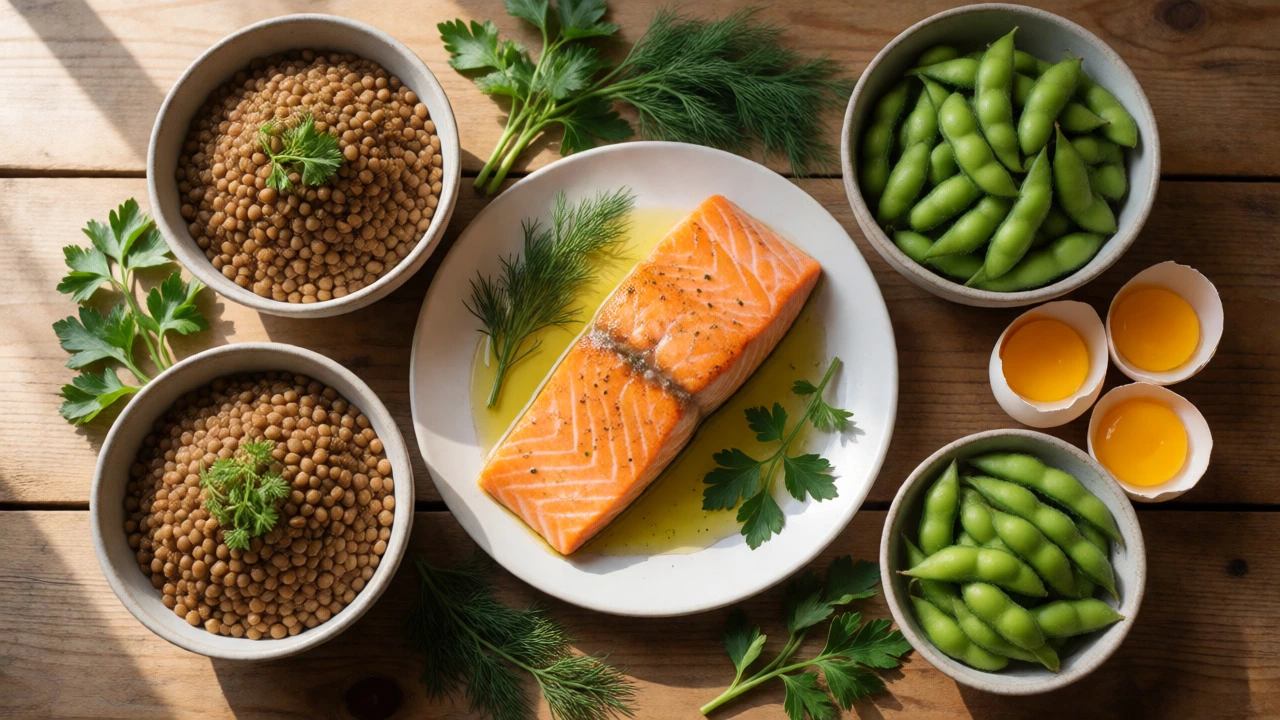
If we had to pick one animal protein for overall health, eggs would be a top contender. They are cheap, versatile, and packed with choline, vitamin D, and B12. The egg white is almost pure protein, while the yolk contains healthy fats and most of the micronutrients. Recent studies debunked the old myth that egg yolks spike cholesterol dangerously for most people. For the average person, eating whole eggs provides a synergistic nutrient package that isolated supplements struggle to match.
Fatty Fish: Omega-3 Powerhouses
Skip the lean white fish if you want maximum health benefits. Go for fatty fish like salmon, mackerel, sardines, and herring. These provide high-quality protein along with massive doses of omega-3 fatty acids (EPA and DHA). Omega-3s fight inflammation, support brain health, and protect your heart. The American Heart Association recommends eating fish twice a week. Canned sardines are particularly impressive-they are low in mercury, rich in calcium (if you eat the bones), and incredibly affordable.
Poultry: Skinless Chicken and Turkey
Chicken breast remains a staple for a reason. It offers a high protein-to-calorie ratio with very little saturated fat. However, the healthiness depends heavily on preparation. Deep-fried chicken with breading adds empty calories and inflammatory oils. Grilled or baked skinless poultry is a lean, clean option. Turkey is similar but often leaner. Just watch out for processed deli meats, which are loaded with sodium and nitrates linked to higher cancer risks.
Plant-Based Champions
Plants don’t just offer protein; they deliver fiber, antioxidants, and phytonutrients that animal products lack. This makes them crucial for long-term longevity and gut health.
Lentils and Legumes
Lentils are arguably the most underrated superfood. One cup of cooked lentils packs about 18 grams of protein, plus 15 grams of fiber. That fiber feeds your gut bacteria, which influences everything from immunity to mood. While lentils are incomplete proteins (low in methionine), pairing them with rice or grains creates a complete profile. Plus, they have a low glycemic index, keeping your blood sugar stable.
Soy: Tofu, Tempeh, and Edamame
Soy gets a bad rap due to outdated fears about estrogen, but current research shows it’s safe and beneficial for most people. Soy is a rare plant-based complete protein. Tofu is great for absorbing flavors, while tempeh offers probiotics due to fermentation. Edamame (young soybeans) is a perfect snack. Soy is linked to lower LDL cholesterol and reduced risk of heart disease. Choose organic and non-GMO varieties if you’re concerned about pesticide exposure.
Quinoa and Chia Seeds
Quinoa is technically a seed, not a grain, and it’s one of the few plant foods that is a complete protein. It’s also gluten-free and high in magnesium. Chia seeds are another powerhouse. They absorb water to form a gel, which helps with hydration and satiety. Two tablespoons of chia seeds provide about 4-5 grams of protein and a huge hit of omega-3 ALA (though less potent than fish oil).
The Supplement Debate: Whey vs. Plant Powders
Protein shakes aren’t necessary for everyone, but they are convenient tools. The choice usually comes down to whey versus plant-based powders.
| Protein Source | Protein per Serving | Key Nutrient Benefit | Best For |
|---|---|---|---|
| Whey Protein Isolate | 25-30g | Rapid absorption, leucine-rich | Post-workout recovery |
| Pea Protein | 20-25g | Hypoallergenic, sustainable | Vegans, lactose intolerant |
| Egg White Powder | 24g | Natural, dairy-free | Clean label seekers |
| Salmon Fillet | 22g | Omega-3s, Vitamin D | Heart & brain health |
| Lentils | 18g | Fiber, folate | Gut health, budget meals |
Whey protein is derived from milk and is considered the king of muscle-building supplements. It digests quickly and is rich in leucine, the amino acid that triggers muscle protein synthesis. If you tolerate dairy well, whey isolate is efficient and effective. However, it lacks fiber and micronutrients found in whole foods.
Plant-based powders, like pea or hemp protein, are gaining traction. Pea protein has a surprisingly good amino acid profile, especially when blended with rice protein. It’s easier on the stomach for many people and environmentally friendlier. The downside? It can taste chalky and may cause bloating if you use too much sweetener. Look for brands with minimal ingredients-avoid those with proprietary blends where you can’t see exactly what’s inside.
How to Choose Based on Your Goals
Your definition of "healthy" shifts based on what you’re trying to achieve. Here’s a quick decision tree:
- For Muscle Growth: Prioritize leucine content. Whey, eggs, and beef are top-tier here. Aim for 20-40g of protein per meal.
- For Weight Loss: Focus on satiety. Solid proteins like chicken, fish, and Greek yogurt keep you fuller longer than liquids. Add fibrous plants like lentils to slow digestion.
- For Heart Health: Swap red meat for fatty fish or legumes. Limit processed meats entirely. Olive oil and nuts complement these proteins nicely.
- For Gut Health: Fermented proteins like tempeh or kefir add probiotics. Combine any protein with diverse fibers to feed your microbiome.
Common Pitfalls to Avoid
Even healthy proteins can become unhealthy depending on how you cook them. Frying chicken in deep oil negates its lean benefits. Adding sugary marinades to salmon turns a healthy meal into a calorie bomb. Also, beware of "protein creep." Many packaged snacks boast high protein but hide behind excessive sodium or artificial sweeteners. Always check the ingredient list first, then the nutrition label.
Another mistake is ignoring variety. Eating only chicken breast every day might leave you deficient in iron or zinc found in red meat, or missing out on the fiber from beans. Rotation is key. Try a different protein source each day to broaden your nutrient intake.
Final Verdict
So, what is the healthiest protein to eat? If you force us to pick one, fatty fish takes the crown for overall health due to the combination of complete protein and anti-inflammatory omega-3s. Runner-up? Eggs, for their accessibility and nutrient density. And for plant lovers, lentils are unbeatable for their fiber-protein combo.
The real secret isn’t finding one magic bullet. It’s building a diet that rotates between these high-quality sources. Mix animal and plant proteins, minimize processing, and focus on whole foods. Your muscles, heart, and gut will thank you.
Is plant-based protein less effective than animal protein?
Not necessarily. While animal proteins are typically complete and more bioavailable, plant-based proteins can be equally effective for muscle building and health if consumed in sufficient quantities and varied sources. Combining legumes with grains ensures a complete amino acid profile.
Can I eat too much protein?
Yes. Excessive protein intake, especially from red and processed meats, can strain kidneys in susceptible individuals and lead to excess calorie storage as fat. Most adults need 0.8g to 1.2g of protein per kilogram of body weight, though athletes may need up to 2.0g.
Are protein shakes healthy?
Protein shakes can be healthy if used to supplement a balanced diet, not replace it. Choose products with minimal added sugars and fillers. Whole foods should always be the primary source of nutrients, but shakes are useful for convenience and post-workout recovery.
Which protein is best for lowering cholesterol?
Fatty fish, skinless poultry, and plant-based proteins like soy and legumes are best for lowering cholesterol. They are low in saturated fats and high in unsaturated fats or fiber, which help reduce LDL levels.
Do I need protein powder if I eat enough meat?
No. If you consume adequate amounts of whole food proteins like meat, eggs, dairy, or legumes throughout the day, you likely meet your requirements without powder. Supplements are tools for convenience, not necessities.