
12-3-30 Safety & Schedule Planner
Your Parameters
Weekly Overview
Based on 0 sessions
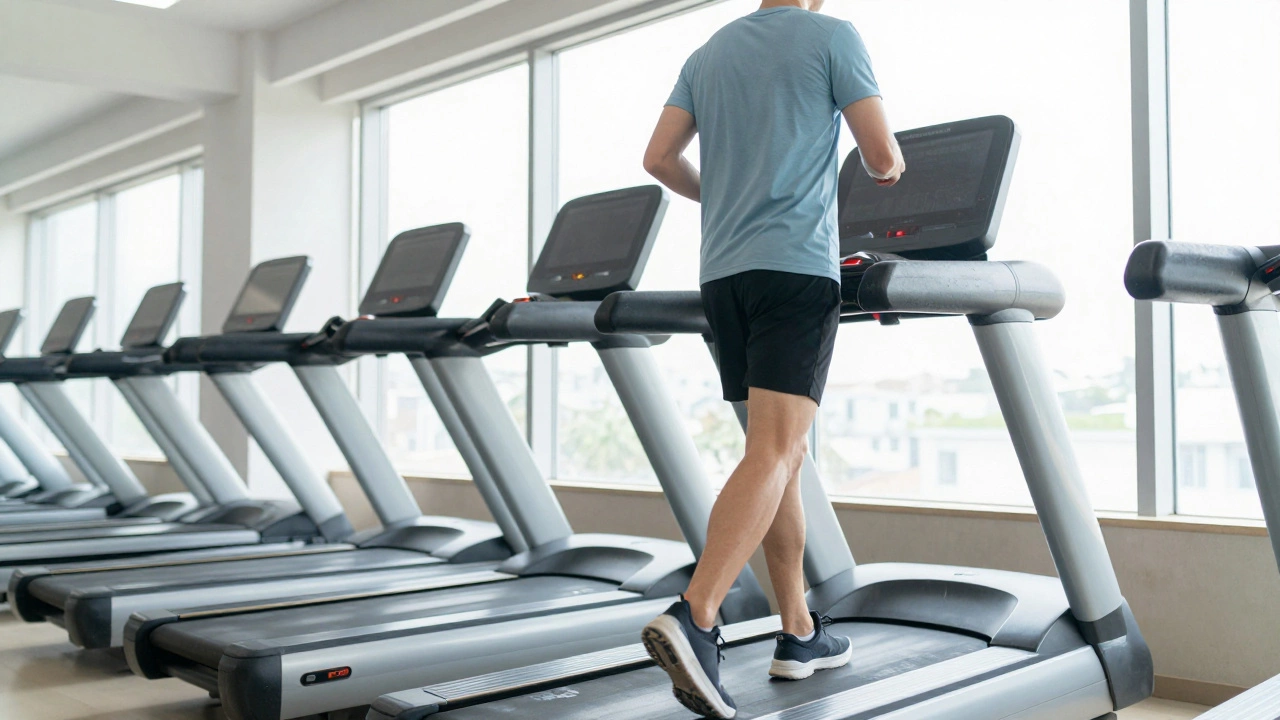
You’ve probably seen it everywhere on social media. The 12-3-30 workout is a viral treadmill routine involving a 12% incline, 3 mph speed, for 30 minutes. It promises fat loss, better posture, and toned legs without the impact of running. But here is the real question: Is doing this every single day actually good for you, or will it burn you out?
The short answer is no, doing the 12-3-30 workout every day is generally not recommended for most people. While it is an effective form of low-impact cardio, your body needs rest days to repair muscle tissue and recover from stress. Doing high-intensity or sustained effort workouts daily can lead to overuse injuries, joint pain, and mental burnout.
What Exactly Is the 12-3-30 Method?
Before we dive into why daily repetition might be harmful, let’s break down what this trend actually is. Created by fitness influencer Lauren Giraldo in 2023, the method is deceptively simple. You set your treadmill to three specific settings:
- Incline: 12 (the highest percentage on most standard treadmills)
- Speed: 3 miles per hour (a brisk walk)
- Time: 30 minutes
That’s it. No fancy intervals, no weights, just steady-state walking uphill. Because it keeps your heart rate in Zone 2 (moderate intensity), it burns calories efficiently while sparing your joints compared to running. However, "simple" does not mean "harmless if done excessively."
Why Daily Repetition Can Backfire
Your muscles and connective tissues do not get stronger while you are working out. They get stronger when you rest. Here is why hitting the treadmill at 12% incline seven days a week is risky.
1. Overuse Injuries
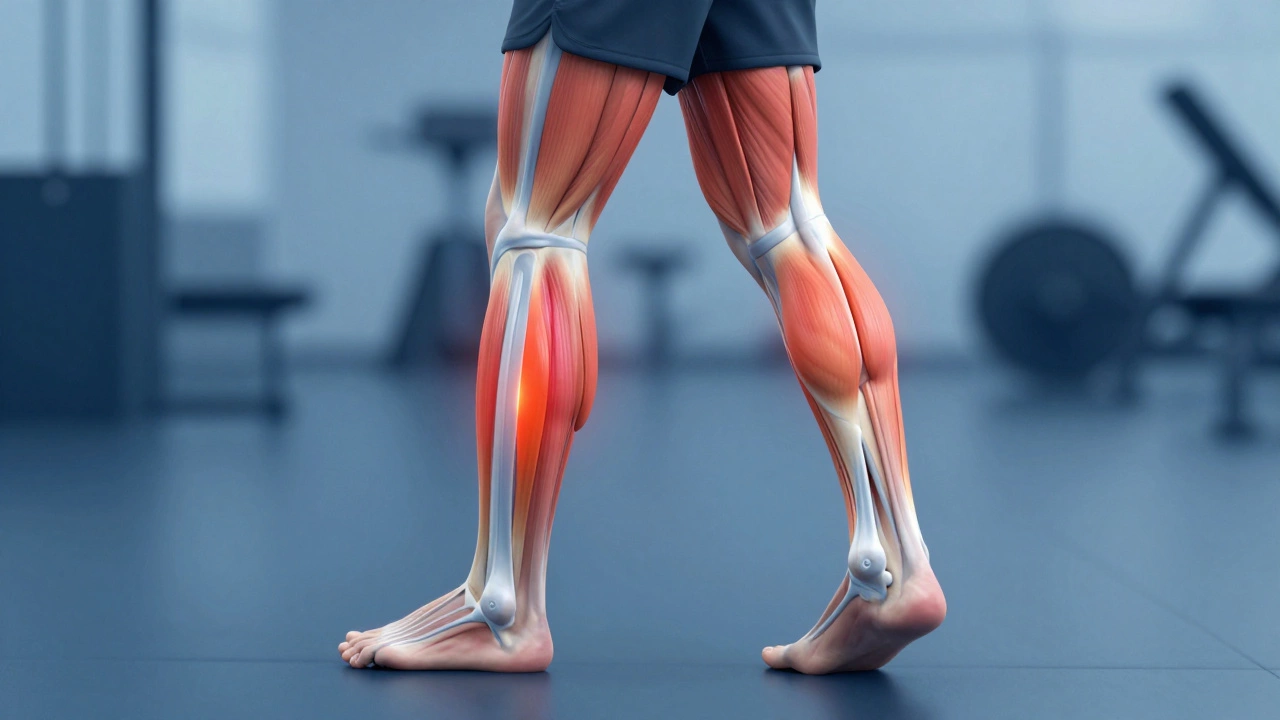
Walking at a steep incline places significant strain on your calves, Achilles tendons, and shins. If you do this every day, you give these tissues zero time to heal micro-tears. This often leads to conditions like shin splints (medial tibial stress syndrome) or plantar fasciitis. You might feel fine for the first two weeks, but cumulative stress builds up silently until something snaps or inflames.
2. Lower Back Strain
To maintain balance on a steep incline, many people lean forward or arch their backs. Without core engagement, this posture puts pressure on the lumbar spine. Doing this for 30 minutes daily can exacerbate existing back issues or create new ones, especially if you sit at a desk all day and already have tight hip flexors.
3. Mental Burnout
Fitness sustainability relies on enjoyment. Forcing yourself to do the exact same monotonous task every single day kills motivation. Once the novelty wears off, the dread of the daily obligation sets in. Most people quit entirely rather than modify the routine.
The Benefits: Why People Love It
Despite the risks of daily use, the 12-3-30 method has legitimate benefits when used correctly. Understanding these helps you see why it became a global phenomenon.
- Calorie Burn: Walking at a 12% incline burns significantly more calories than flat walking. A 150-pound person can burn between 250 to 350 calories in 30 minutes, depending on effort.
- Low Impact: Unlike running, there is no pounding on the pavement. This makes it accessible for heavier individuals or those recovering from knee injuries.
- Posture Correction: When done with proper form (standing tall, engaging the glutes), it strengthens the posterior chain-glutes, hamstrings, and lower back-which counteracts slouching.
- Mental Clarity: Thirty minutes of rhythmic movement reduces cortisol levels and boosts endorphins, providing a natural mood lift.
How to Do It Safely: A Balanced Approach
You don’t need to stop the 12-3-30 workout entirely. You just need to change how often you do it. Here is a safer, more sustainable framework.
Frequency: 3 to 4 Times Per Week
Aim for three or four sessions weekly, with at least one rest day in between. This allows your calves and lower back to recover. On off days, try light activities like yoga, stretching, or leisurely flat walks.
Progression: Start Slow
If you are new to incline walking, jumping straight to 12-3-30 is a recipe for disaster. Try this progression plan:
- Week 1: 5% incline, 3 mph, 15 minutes.
- Week 2: 8% incline, 3 mph, 20 minutes.
- Week 3: 10% incline, 3 mph, 25 minutes.
- Week 4: 12% incline, 3 mph, 30 minutes.
Form Check: Protect Your Body
Proper technique is non-negotiable. Keep these cues in mind:
- Don't hold the handrails: Holding on reduces calorie burn and ruins your posture. Swing your arms naturally.
- Stand tall: Imagine a string pulling the top of your head toward the ceiling. Shoulders back and down.
- Engage your core: Slightly tighten your abdominal muscles to support your lower back.
- Heel-to-toe stride: Land on your heel and roll through to your toe. Avoid stomping.
Alternatives to Mix Into Your Routine
Variety is key to long-term fitness. Instead of doing 12-3-30 daily, swap some days with other activities that complement incline walking.
| Day | Activity | Focus |
|---|---|---|
| Monday | 12-3-30 Treadmill | Cardio & Glutes |
| Tuesday | Strength Training (Upper Body) | Muscle Balance |
| Wednesday | 12-3-30 Treadmill | Cardio & Endurance |
| Thursday | Rest or Yoga | Recovery & Flexibility |
| Friday | 12-3-30 Treadmill | Cardio & Calorie Burn |
| Saturday | Outdoor Activity (Hiking/Swimming) | Fun & Variety |
| Sunday | Rest | Full Recovery |

Who Should Avoid the 12-3-30 Workout?
While great for many, this routine isn't for everyone. Consult a doctor before starting if you have:
- Ankle or Knee Issues: The steep angle increases shear force on these joints.
- Severe Back Pain: The forward lean can aggravate herniated discs or sciatica.
- Heart Conditions: Even moderate cardio raises heart rate; medical clearance is essential.
- Balancing Problems: High inclines require stability. If you feel wobbly, start with a lower incline.
Listening to Your Body
Pain is a signal, not a badge of honor. If you feel sharp pain in your shins, calves, or lower back, stop immediately. Distinguish between muscle fatigue (a dull ache) and injury pain (sharp, localized). Ignoring injury pain leads to longer recovery times and potentially permanent damage.
Also, watch for signs of overtraining: persistent fatigue, irritability, poor sleep, and decreased performance. If you notice these, take an extra rest day or switch to active recovery like gentle stretching.
Final Thoughts on Sustainability
The goal of fitness is not to complete a viral challenge once, but to build habits that last a lifetime. The 12-3-30 workout is a powerful tool, but like any tool, it works best when used wisely. By incorporating rest days, focusing on form, and mixing in strength training, you can reap the benefits of incline walking without paying the price of injury or burnout. Remember, consistency beats intensity every time. A moderate routine done regularly is far superior to an extreme routine abandoned after a month.
Can I lose weight doing 12-3-30 every day?
You can create a calorie deficit with 12-3-30, but doing it daily increases injury risk, which may halt your progress. Weight loss is primarily driven by diet. Combining 3-4 sessions of 12-3-30 per week with a balanced diet and strength training is a safer and more sustainable approach to fat loss.
Does 12-3-30 make your legs bigger?
For most people, 12-3-30 tones and firms the legs rather than bulking them up. It targets the glutes and calves, leading to a lifted appearance. Significant muscle hypertrophy (size increase) usually requires heavy resistance training, not just bodyweight walking. However, beginners may experience temporary swelling due to inflammation.
Is it okay to hold the handrails during 12-3-30?
No, holding the handrails reduces the effectiveness of the workout. It decreases calorie burn by up to 20-30% and encourages poor posture, shifting weight onto your arms instead of your legs and core. If you need to hold on, lower the incline until you can walk hands-free safely.
How long does it take to see results from 12-3-30?
Most people notice improved endurance and slight toning within 2-4 weeks. Visible changes in body composition, such as fat loss or muscle definition, typically take 6-8 weeks of consistent practice combined with proper nutrition. Results vary based on individual metabolism, diet, and genetics.
Can I do 12-3-30 if I have bad knees?
Incline walking is generally lower impact than running, but the steep angle can still stress the knees if form is poor. If you have knee pain, consult a physical therapist first. You might start with a lower incline (5-8%) and shorter duration to assess tolerance. Stop immediately if you feel sharp pain.
Should I wear special shoes for 12-3-30?
Yes, supportive athletic shoes are crucial. Look for sneakers with good cushioning and arch support to absorb shock and stabilize your foot on the moving belt. Avoid flat-soled shoes like Converse or barefoot walking, as they offer insufficient protection for repetitive incline motion.