

You want results fast, but your schedule is packed. You are asking if thirty minutes of movement counts when you are trying to slim down. Here is the short version: Yes, thirty minutes is enough to see changes, but only if you pair it with discipline in other areas. If you walk slowly for half an hour while eating three pizzas, the scale will not move. Time is just one variable. The real magic happens in how hard you work and what you fuel your body with.
The Real Math Behind the Clock
Many people obsess over the stopwatch because it feels measurable. However, the clock lies to you about energy expenditure. Calorie Deficit is the state where you burn more energy than you consume through food. This is the absolute non-negotiable rule of shedding pounds. Thirty minutes of high-effort training might burn 300 calories, but one sugary latte adds back 250 instantly. You cannot out-run a donut in a short window. To get weight loss from this timeframe, you must treat those thirty minutes as a high-value investment rather than a chore you complete just to say you did it.
Intensity Trumps Duration
If you are limited to thirty minutes, the intensity becomes your primary tool. Walking briskly helps your heart health, but it barely nudges your metabolism long-term. You need to spike your heart rate. This is where high-intensity interval training comes into play. Unlike steady jogging, this method forces your body to adapt quickly to oxygen debt, leading to higher calorie burn even after you stop moving.
| Type | Approx. Burn (30 mins) | EPOC Effect |
|---|---|---|
| Cardio (Steady Jog) | 240 Calories | Low |
| High-Intensity Interval Training | 350+ Calories | High |
| Strength Training | 200 Calories | Medium |
Notice the "EPOC" column. Excess Post-exercise Oxygen Consumption means your body keeps burning fuel for hours to recover. A short burst of explosive movement triggers this effect much better than slow, constant activity. When you lift heavy things or sprint until you feel breathless, you signal your biology to stay active longer. This makes the thirty-minute window extend its reach well beyond the workout itself.
The Role of Muscle and Metabolism
Focusing solely on burning calories misses a bigger picture element: building tissue. Basal Metabolic Rate is the number of calories your body burns at rest to maintain basic functions. Muscle tissue requires more energy to maintain than fat tissue does. If your thirty-minute routine is all cardio, you risk losing some muscle mass along with fat. That lowers your resting burn rate. Incorporating resistance work ensures you hold onto your engine size.
A simple compound movement like a squat or a push-up recruits multiple muscle groups. Doing these takes less time than using machines for isolated arm movements, which fits perfectly into a short session. When you challenge your muscles with weights or body weight, you create micro-tears. Repairing these tears requires energy, further contributing to that essential deficit without requiring extra time on the clock.
Nutrition Is Half The Equation
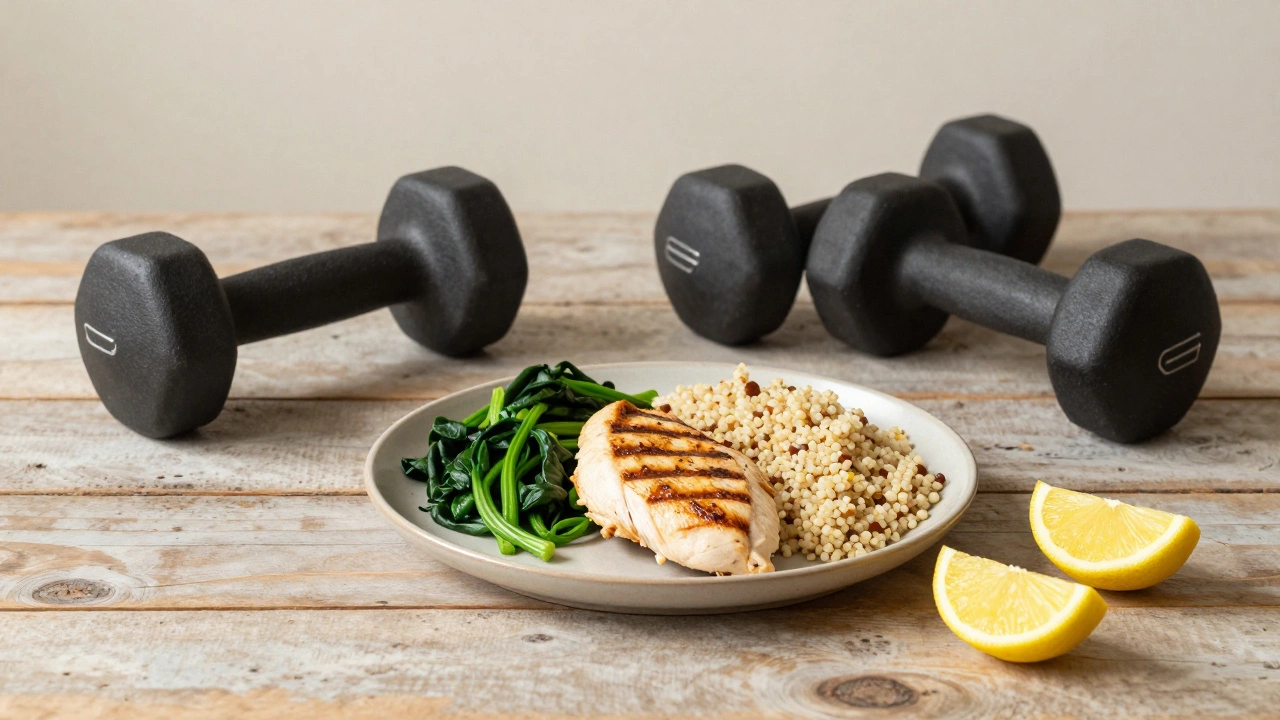
You cannot discuss exercise without talking about what goes into your mouth. Even with perfect thirty-minute sessions, poor dietary choices will stall progress. Think of nutrition as the foundation of the house. Exercise builds the roof. Without a solid base, the structure collapses. Protein intake is crucial here. It helps satiety and protects muscle during the deficit phase.
If you skip meals thinking you saved calories, you might trigger hunger hormones that lead to bingeing later. It is better to eat nutrient-dense foods that fill you up. Leafy greens, lean meats, and complex carbs provide sustained energy so you don't crash during your short workout window. Your energy levels determine your intensity. Low energy means a weak effort, which means fewer calories burned, bringing us back to square one.
Sample Routines for Efficiency
To make thirty minutes work, you need a plan, not just random movements. Warming up is vital to prevent injury, especially when starting intense efforts cold. Dedicate five minutes to dynamic stretching. Then jump straight into the work. Circuit training is excellent for keeping the heart rate up because there is minimal rest between sets.
- Minutes 0-5: Warm-up (Jumping jacks, arm circles).
- Minutes 5-25: Four rounds of circuits (Squats, Push-ups, Lunges, Plank). 45 seconds work, 15 seconds rest.
- Minutes 25-30: Cool-down and static stretching.
This structure ensures full-body engagement. By the end of the third round, you should be sweating heavily. That physical feeling confirms you pushed hard enough. Consistency matters more than perfection. Missing a few days is fine, but skipping weeks reverses gains. Treat the thirty minutes as a non-negotiable appointment with yourself.

Lifestyle Factors Beyond the Gym
Your workout is only a fraction of your daily activity. Non-Exercise Activity Thermogenesis (NEAT) includes walking to the car, cleaning, or taking stairs. Increasing this background movement complements your structured session. If you sit for ten hours a day and run for one, your overall sedentary load remains high. Try to break up sitting times throughout the day. Standing up and moving around prevents metabolic slowdown that happens during long periods of inactivity.
Sleep also plays a massive role. Poor rest increases cortisol, a stress hormone that encourages fat storage, particularly around the midsection. Getting seven to eight hours of quality sleep helps regulate hunger hormones like ghrelin and leptin. If you train hard for thirty minutes but sleep poorly, your body holds onto fat for survival. Recovery is part of the training process.
Conclusion and Next Steps
Thirty minutes is plenty of time if you respect the effort you put into it. Quality beats quantity. If you find you have more time available, extending the workout is great, but it is not strictly necessary. Stick to a rhythm you can maintain for years, not just weeks. Listen to your body. If you are sore or exhausted, swap intensity for mobility work. Progression happens gradually. Celebrate the small wins, like fitting into old clothes or climbing stairs easier. These are the real signs of success.
Can I lose weight just by exercising 30 minutes?
While you can burn calories in that time, weight loss requires a calorie deficit. If you eat too much, exercise alone won't result in visible weight loss. You need to combine movement with mindful eating habits.
Is 30 minutes of cardio better than weights?
For pure immediate calorie burn, cardio wins. However, strength training builds muscle which boosts your resting metabolism. The best approach mixes both to keep your metabolism active twenty-four seven.
Mixing both is ideal. Cardio helps burn current fuel, while weights help burn future fuel by increasing muscle mass.
What is the best time of day for this workout?
The best time is whenever you stick to it consistently. Morning sessions boost energy for the day, while evening ones help release stress. Pick the slot that conflicts least with your schedule.
Will 30 minutes improve my health markers?
Yes. Research shows thirty minutes of moderate activity daily improves blood pressure, cholesterol, and blood sugar control, regardless of whether significant weight change occurs immediately.
How do I know if my workout is intense enough?
If you can talk comfortably while doing it, it might be too easy. Aim for a pace where speaking more than two words without pausing for breath is difficult.