
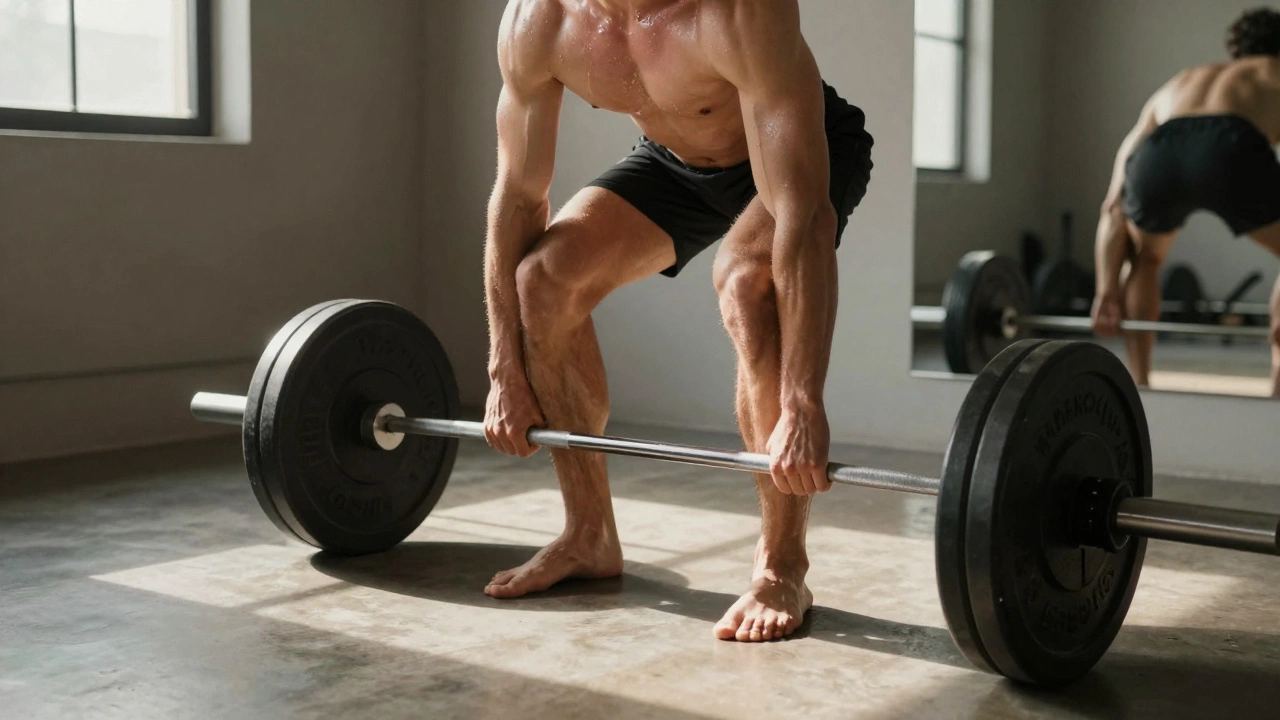
If you could only do one exercise for the rest of your life, what would it be? Not the flashy ones you see on Instagram. Not the machine-based moves that isolate a single muscle. The real question is: what exercise actually engages every major muscle group at once-from your toes to your traps-while building real strength, burning fat, and improving how your body moves in the real world?
The answer isn’t a mystery. It’s been used by warriors, athletes, and laborers for centuries. It doesn’t need fancy equipment. You don’t need a gym membership. You just need a barbell, a floor, and the will to do it right. That exercise is the deadlift.
Why the Deadlift Is the Only Exercise That Truly Works the Whole Body
Most exercises target one or two areas. Bicep curls? Just your arms. Leg press? Just your quads. Push-ups? Chest and shoulders, mostly. But the deadlift? It’s a full-body system check.
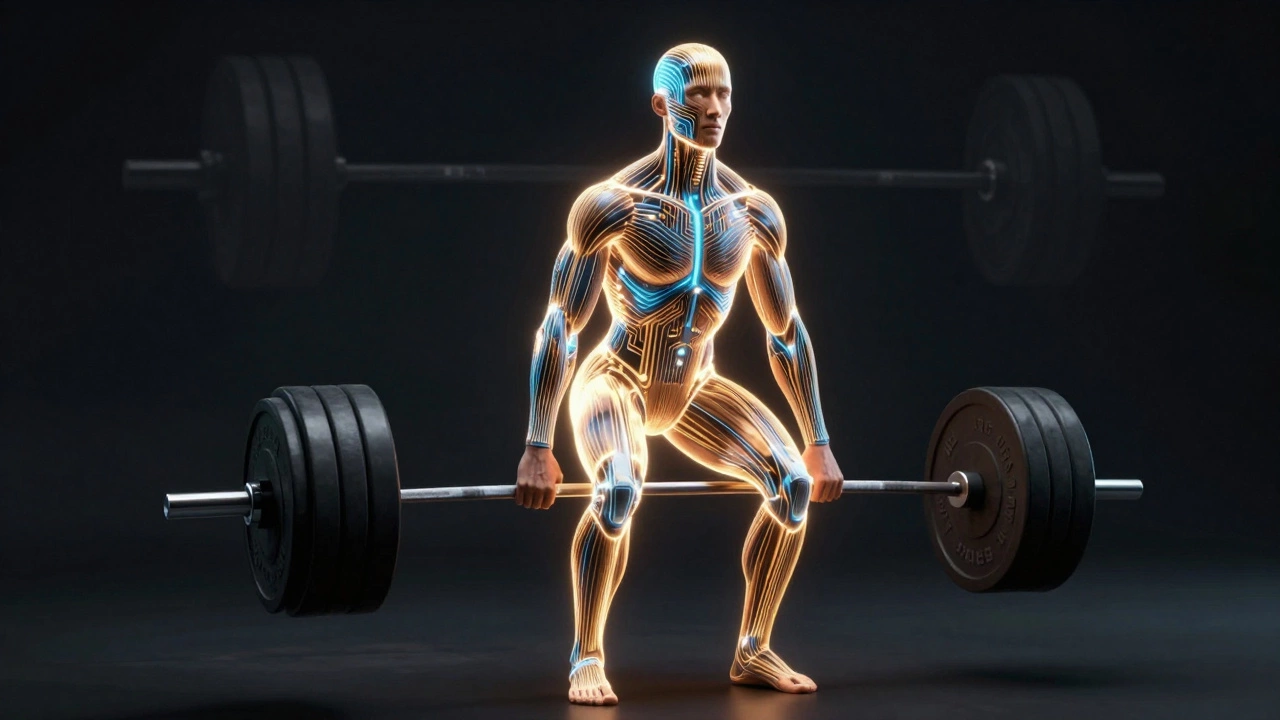
When you lift a barbell off the ground, you’re activating:
- Calves and feet-to stabilize your base
- Hamstrings and glutes-to extend your hips
- Lower back and core-to keep your spine locked and rigid
- Upper back and lats-to pull the bar tight against your body
- Traps and shoulders-to hold the weight steady
- Forearms and grip-to keep the bar from slipping
No other single movement does this. Even kettlebell swings or burpees don’t match the load capacity or the neurological demand. The deadlift forces your body to work as one unit. It’s not just about strength-it’s about integration.
Real-World Benefits You Can’t Get From Machines
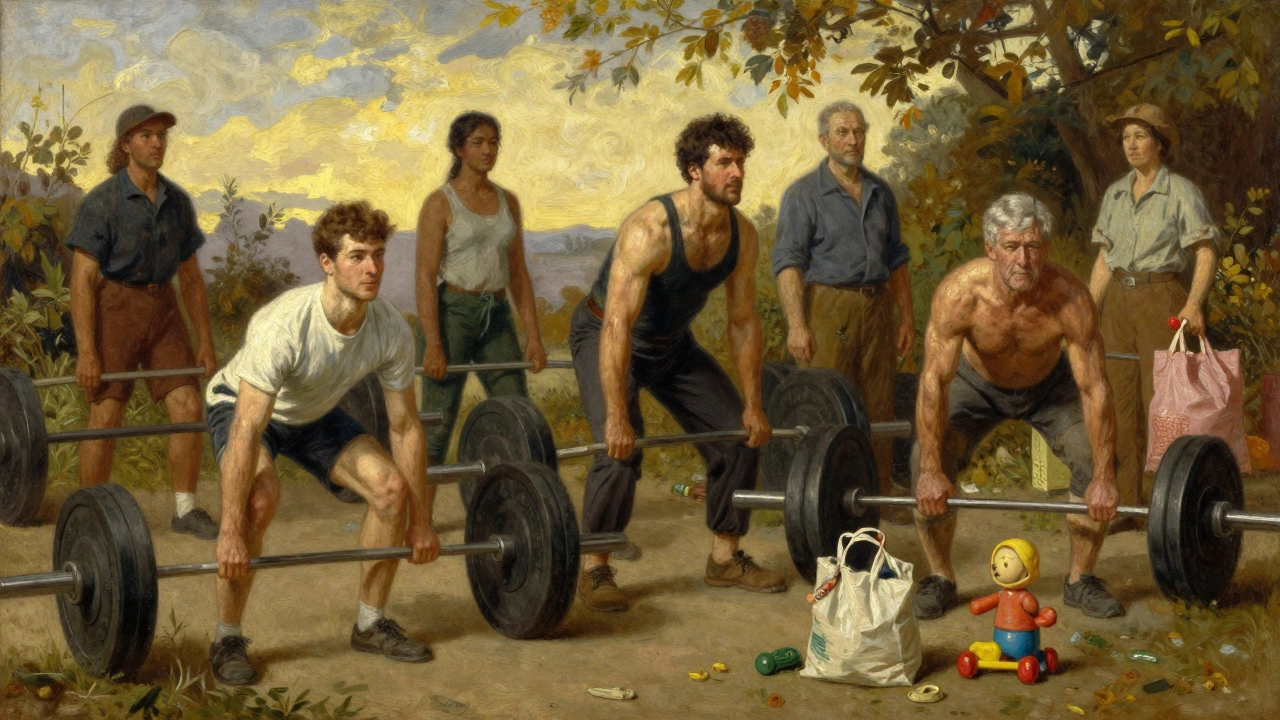
Think about how you move in daily life. Picking up groceries. Lifting a child. Moving furniture. Getting out of a low chair. All of these require the same pattern as the deadlift: hinge at the hips, keep your back straight, engage your core, and drive through your legs.
People who train with deadlifts don’t just look stronger-they move stronger. A 2023 study in the Journal of Strength and Conditioning Research found that participants who included deadlifts in their routine improved their functional mobility by 37% over 12 weeks, even without doing any other “functional” training.
And it’s not just for athletes. Older adults who practiced deadlifts with light weights saw better balance, reduced risk of falls, and improved posture. One 72-year-old from Wellington told me he started deadlifting to get off the floor after a fall. Two years later, he’s hiking the Tongariro Crossing with his grandkids.
How the Deadlift Burns Fat and Boosts Metabolism
Here’s something people don’t talk about: deadlifts are metabolic monsters. Because they recruit so many large muscle groups, your body burns more calories during and after the lift than with any other single movement.
Research from the University of New Mexico showed that a single heavy set of deadlifts can elevate your metabolic rate for up to 72 hours. That’s longer than any cardio session. Why? Your muscles are repairing themselves. Your nervous system is recovering. Your hormones are firing. You’re not just lifting-you’re triggering a whole-body repair mode.
Compare that to running on a treadmill for 30 minutes. You burn calories during the run, and then it’s over. With deadlifts, your body keeps burning fuel for days. That’s why people who lift heavy-even if they don’t change their diet-often lose fat without trying.
Deadlift Variations That Still Count as Full-Body
Not everyone can do a conventional deadlift. Maybe you have long legs. Maybe you have knee issues. Maybe you’re just starting out. That’s okay. The deadlift family has options.
- Conventional Deadlift-Barbell on the floor, hands outside the knees. Best for overall strength and glute/hamstring development.
- Sumo Deadlift-Feet wide, hands inside the knees. Easier on the lower back, more quad-focused. Great for people with hip mobility issues.
- Trap Bar Deadlift-Uses a hex bar. More upright torso, less spinal load. Ideal for beginners or those with back pain.
- Romanian Deadlift (RDL)-Bar stays close, knees slightly bent, hinge from hips. Focuses on hamstrings and glutes with less lower back strain.
- Single-Leg Deadlift-Dumbbell or kettlebell. Challenges balance, core, and unilateral strength.
You don’t need to do all of them. Pick one that feels natural and stick with it. The key is consistency, not variety.
How to Do a Deadlift Without Getting Hurt
The deadlift gets a bad reputation because people do it wrong. Bad form leads to injury. Good form leads to strength, resilience, and confidence.
Here’s the simple checklist:
- Stand close-Shins almost touching the bar.
- Feet hip-width-Toes pointed slightly out.
- Grab the bar-Hands just outside your legs. Overhand or mixed grip.
- Set your back-Chest up, shoulders slightly in front of the bar, spine neutral. No rounding.
- Engage your core-Brace like you’re about to be punched in the stomach.
- Drive through your heels-Push the floor away. Don’t pull with your arms.
- Stand tall-Hips and shoulders rise together. Squeeze your glutes at the top.
- Lower with control-Hinge at the hips first, then bend the knees. Keep the bar close.
Start light. Even 20kg is enough to learn the movement. Focus on form for four weeks before adding weight. Record yourself. Ask someone to watch. It’s not about how much you lift-it’s about how well you move.
What to Avoid When Starting
Here are the three biggest mistakes people make:
- Starting with too much weight-You’re not trying to impress anyone. You’re trying to build a foundation.
- Rounding your back-This is the #1 cause of injury. If your spine bends, stop. Reset. Lighten the load.
- Letting the bar drift away-The bar should stay glued to your shins and thighs. If it swings out, you’re using your arms instead of your legs and hips.
Also, don’t skip warm-ups. Do 5 minutes of hip mobility drills, cat-cow stretches, and light glute bridges before you lift. Your body will thank you.
How Often Should You Deadlift?
Once a week is enough for most people. Deadlifts are taxing on your nervous system. You don’t need to do them every day. In fact, doing them too often leads to burnout or injury.
Try this simple plan:
- Week 1-4-Focus on technique. 3 sets of 5 reps with light weight.
- Week 5-8-Add 2.5kg per week. 4 sets of 5 reps.
- Week 9+-Work up to 3 sets of 3 reps with heavier weight. Or try 5 sets of 2 reps for power.
Rest at least 48 hours between deadlift sessions. If you’re sore for more than 72 hours, you went too heavy too fast.
What You’ll Notice After 30 Days
If you deadlift three times a week for a month-with proper form-you’ll see changes before you even step on a scale.
- Your posture straightens. Shoulders stop hunching forward.
- Standing up from a chair feels easier. No more using your hands to push off.
- Your grip gets stronger. You can carry groceries without struggling.
- You sleep better. Heavy lifting regulates your nervous system.
- You feel more confident. There’s something powerful about knowing you can move heavy things.
One woman from Tauranga told me she started deadlifting because she was tired of being the “fragile one” in her family. After 30 days, she carried her 15kg suitcase up three flights of stairs without stopping. She cried. Not because it was hard-but because she finally felt strong.
Why Everything Else Falls Short
You might be thinking: “What about squats? Or pull-ups? Or kettlebell swings?”
Squats? Great for quads and glutes. But they don’t train your upper back or grip. Pull-ups? Excellent for lats and arms. But they don’t engage your legs or core like a deadlift does. Kettlebell swings? Good for power and cardio. But they don’t build the same level of strength or muscle density.
The deadlift is the only exercise that combines:
- Heavy load
- Full-body engagement
- Functional movement pattern
- Metabolic demand
- Long-term durability
No other movement checks all five boxes.
Can I do deadlifts at home without a barbell?
Yes, but with limits. You can use heavy dumbbells, kettlebells, or even a sandbag for single-leg or Romanian deadlifts. But you won’t get the same load capacity or full-body tension as a barbell. If you’re serious about full-body strength, invest in a barbell setup. Even a used one costs less than a gym membership.
Do I need a weightlifting belt for deadlifts?
Not at first. Beginners should learn to brace their core without a belt. It builds natural strength. Once you’re lifting over 80% of your max for multiple sets, a belt can help maintain intra-abdominal pressure. But it’s not a crutch. If you rely on it too early, your core won’t develop properly.
Is the deadlift better than the squat for building muscle?
They’re different. Squats build more quad size. Deadlifts build more back, hamstring, and grip strength. If you had to pick one, deadlifts win for full-body muscle recruitment. But ideally, you do both. Squats for leg thickness, deadlifts for posterior chain power.
Can deadlifts hurt my back?
Only if you do them wrong. The deadlift is one of the safest exercises when performed with proper form. In fact, it’s one of the best ways to strengthen your lower back and prevent future injuries. People who get hurt usually round their back, lift too heavy too soon, or skip warm-ups.
How long does it take to see results from deadlifts?
You’ll feel stronger in 2-3 weeks. Visible changes in posture and muscle tone show up in 4-6 weeks. Fat loss and metabolic shifts take longer-usually 8-12 weeks. The key is consistency, not intensity. Do it once a week, perfectly, for six months, and you’ll be unrecognizable.
Final Thought: Strength Isn’t About Looks-It’s About Capability
You don’t need to bench 200kg or run a sub-4-minute mile to be strong. Real strength is being able to lift your kid, carry your groceries, climb stairs without gasping, and get up off the floor without help. That’s the kind of strength the deadlift builds.
It’s not the most glamorous exercise. It doesn’t have a hashtag. But it’s the one that changes lives.
Start light. Stay consistent. Focus on form. And one day, you’ll realize you’re not just lifting a bar-you’re lifting your whole life.