
Find Your Ideal Yoga Style
Personalize Your Recommendation
Recommended Styles For You
Staring at a screen filled with options like yoga routine, Vinyasa flow, or restorative session can feel overwhelming. You might wonder if you need to be flexible before you start, or if one specific style is better for weight loss than another. The truth is simpler: there is no single "best" practice. The right choice depends entirely on your current physical condition, your schedule, and what you actually want to achieve-whether that’s building muscle, calming anxiety, or just moving stiff joints.
Picking the wrong style can lead to frustration or injury. Trying an intense power class when you’re exhausted often results in quitting within a week. Conversely, doing only gentle stretching when you crave a sweat might leave you feeling unsatisfied. This guide breaks down how to match your personal needs with the correct type of movement so you stick with it long enough to see real benefits.
Define Your Primary Goal First
Before looking at poses, ask yourself why you are starting. Most people fall into one of three buckets: physical fitness, mental relaxation, or pain management. Knowing this helps narrow the field immediately.
- Fitness and Strength: If you want to build muscle tone, improve endurance, or burn calories, look for dynamic styles. These keep your heart rate up and require holding body weight in challenging positions.
- Stress Relief and Relaxation: If work has left you wired and anxious, you need slow-paced practices that focus on breathwork and stillness rather than acrobatics.
- Pain Management and Mobility: If you sit at a desk all day or deal with chronic back issues, you need targeted stretches that open tight hips and shoulders without straining injured areas.
Being honest about your goal prevents you from wasting time on classes that don’t align with your objectives. A runner seeking flexibility doesn’t necessarily need the same routine as someone trying to recover from knee surgery.
Understand the Major Yoga Styles
Yoga isn’t monolithic. Different traditions emphasize different aspects of the practice. Here is how the most common styles break down in terms of intensity and focus.
| Style | Intensity Level | Primary Focus | Best For |
|---|---|---|---|
| Hatha | Low to Moderate | Basic postures and alignment | Absolute beginners learning foundations |
| Vinyasa | Moderate to High | Flowing movement synced with breath | Those wanting cardio and coordination |
| Ashtanga | High | Rigid sequence of poses | Disciplined practitioners seeking challenge |
| Restorative | Very Low | Deep relaxation using props | Recovery days and high-stress individuals |
| Iyengar | Moderate | Precise alignment and anatomy | Injury rehabilitation and detail-oriented learners |
If you are new to the mat, Hatha yoga is usually the safest entry point. It moves slowly, allowing you to understand where your limbs should be. On the other hand, if you hate sitting still, Vinyasa yoga keeps you moving continuously, which feels more like a dance than a workout.
Assess Your Current Physical Baseline
Your body tells you what it can handle. Ignoring these signals leads to strain. Consider your current flexibility, strength, and any existing injuries.
Are you able to touch your toes? Can you hold a plank for thirty seconds? If the answer is no to both, avoid advanced power flows initially. Instead, choose classes labeled "Foundations," "Gentle," or "Beginner." These sessions modify poses to accommodate limited range of motion. For example, a teacher might suggest using blocks to bring the floor closer to you in standing forward bends, reducing the strain on hamstrings.
If you have specific injuries, such as a herniated disc or shoulder impingement, you must prioritize safety over style. Look for instructors who specialize in therapeutic yoga or offer modifications. Never push through sharp pain; discomfort is normal, but acute pain is a warning sign.
Factor in Time and Consistency
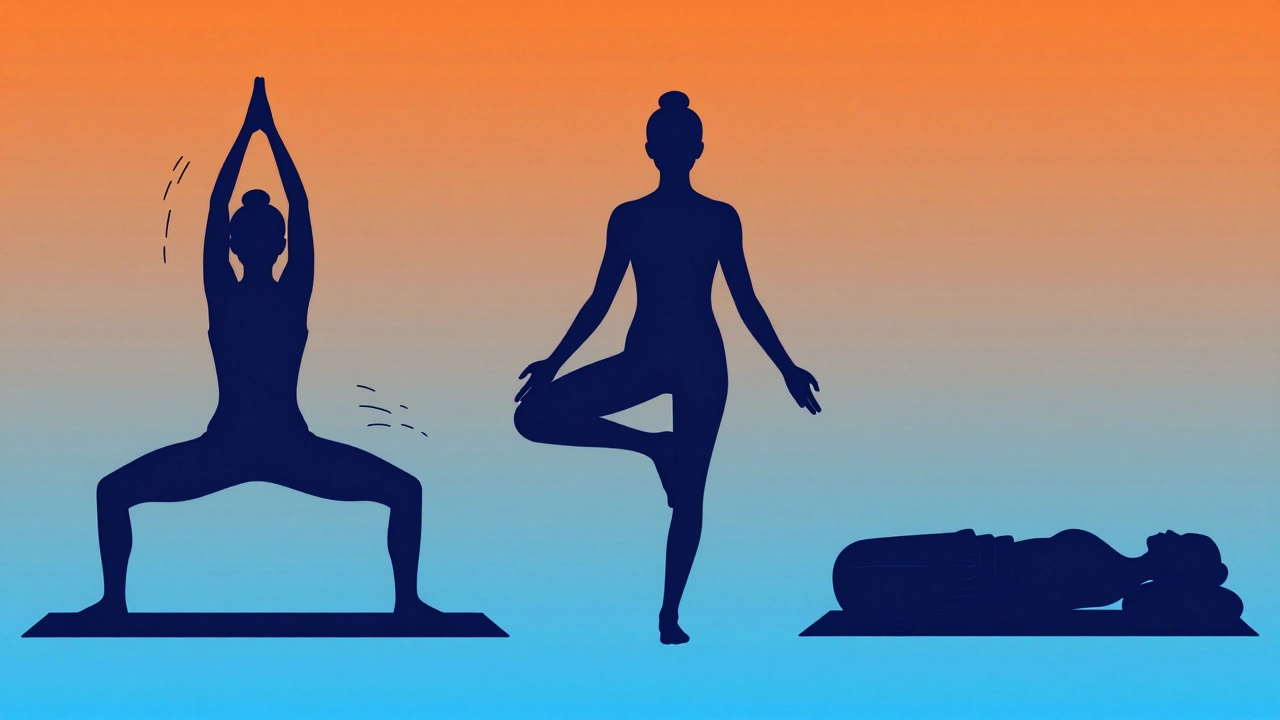
The best routine is the one you will actually do. Be realistic about your schedule. Do you have sixty minutes every morning, or only twenty minutes during lunch breaks?
Longer sessions (60-90 minutes) allow for deep exploration of poses and meditation. They are ideal for weekends or dedicated evening wind-downs. Shorter sessions (15-30 minutes) are perfect for maintenance. A quick morning flow can wake up your spine, while a brief evening stretch can release tension accumulated during the day.
Consistency beats intensity. Doing twenty minutes of yoga five times a week yields better results than one grueling hour once a month. Start small. Commit to three short sessions per week and build from there. This approach prevents burnout and builds a sustainable habit.
Consider Your Learning Preference
How do you learn best? Some people thrive in group settings with energetic music and collective energy. Others prefer the quiet solitude of practicing alone at home.
In-person classes provide immediate feedback. An instructor can adjust your posture, preventing bad habits from forming. This is crucial for complex inversions or backbends. However, live classes can be intimidating if you feel self-conscious about your flexibility compared to others.
Online videos offer privacy and convenience. You can pause, rewind, and repeat instructions as needed. Platforms like YouTube or dedicated apps provide thousands of free resources. The downside is the lack of external correction. You must rely on your own body awareness, which takes time to develop.
A hybrid approach often works well. Take occasional in-person workshops to refine technique, then maintain your practice with online videos at home.
Listen to Your Body’s Feedback
Your initial choice isn’t permanent. Treat your first few weeks as an experiment. Pay attention to how you feel after each session.
Do you feel energized and focused? That’s a good sign. Do you feel sore in a productive way, like after a light run? Also good. But if you feel drained, anxious, or physically hurt, something is off. Maybe the pace was too fast, or the poses were too advanced.
Adjust accordingly. Switch from a vigorous flow to a gentler restorative session if you’re stressed. Try a stronger power class if you find basic Hatha too easy. Your needs change with seasons, life events, and fitness levels. Flexibility in your routine selection is key to long-term success.
Essential Gear and Environment
You don’t need expensive equipment to start, but having the basics improves comfort and safety. A non-slip yoga mat is essential. Cheap mats slide around, making balancing poses dangerous. Invest in a mat with adequate cushioning (at least 4-5mm thick) to protect your knees and joints.
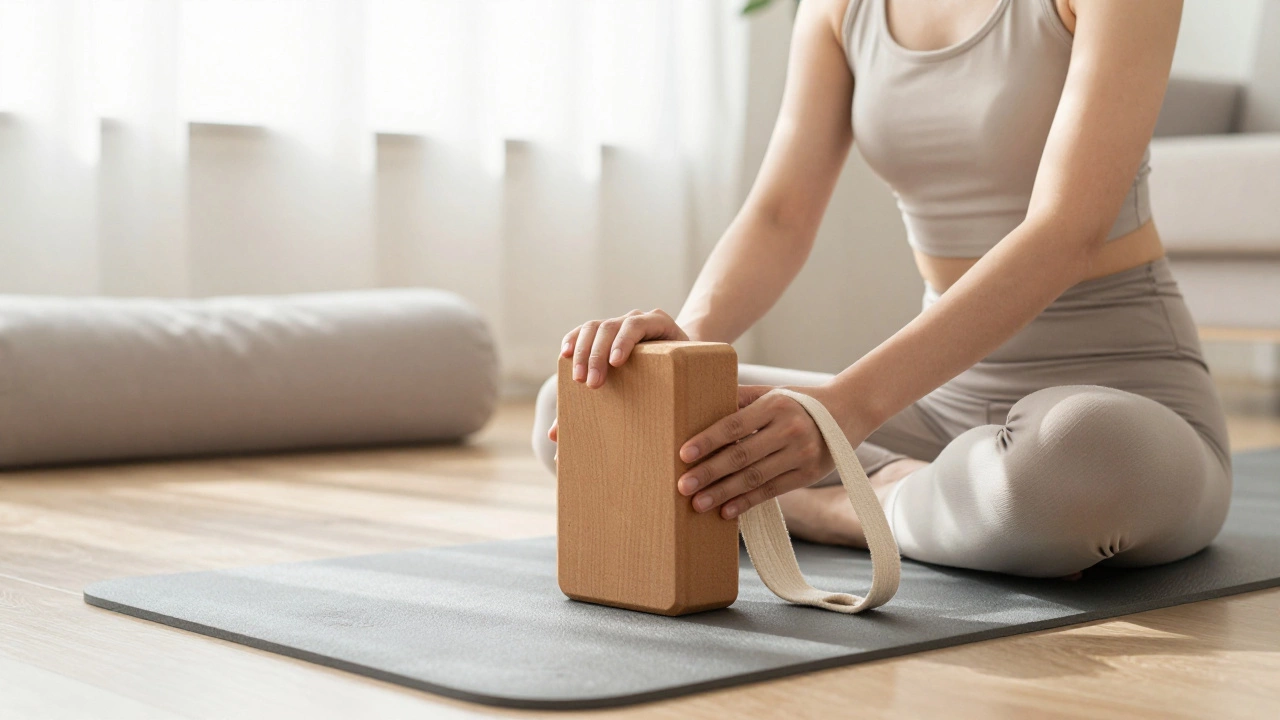
Props are not signs of weakness; they are tools for precision. Blocks help extend your reach, straps assist with tight muscles, and bolsters support restorative poses. Even a folded towel can substitute for a bolster. Create a quiet space at home where you won’t be interrupted. Clear away clutter to minimize distractions and create a mental boundary between daily chaos and your practice.
Is yoga suitable for complete beginners?
Yes, absolutely. Yoga is adaptable to all fitness levels. Beginners should start with Hatha or Gentle Yoga classes that focus on basic postures and breathing techniques. These styles move slowly, allowing new practitioners to learn proper alignment without feeling overwhelmed by complex sequences.
Which yoga style is best for weight loss?
While no single exercise guarantees weight loss, dynamic styles like Vinyasa, Ashtanga, and Power Yoga burn more calories due to their continuous movement and higher heart rates. Combining these active styles with mindful eating habits creates the most effective approach for managing weight.
Can I do yoga if I have back pain?
Yes, but caution is required. Restorative Yoga and Iyengar Yoga are excellent choices because they emphasize proper alignment and use props to support the body. Avoid deep twists or extreme backbends initially. Always consult with a healthcare provider before starting any new exercise regimen if you have chronic pain.
How often should I practice yoga?
For general health and flexibility, practicing 2-3 times per week is sufficient. If you aim to build strength or significantly improve flexibility, aim for 4-5 sessions weekly. Consistency matters more than duration; even 15-minute daily sessions yield noticeable improvements over time.
Do I need special equipment to start?
The only essential item is a quality yoga mat that provides grip and cushioning. Props like blocks, straps, and bolsters enhance the practice but are optional initially. Comfortable clothing that allows full range of motion is also important. You can start with household items like towels or chairs as temporary substitutes for props.